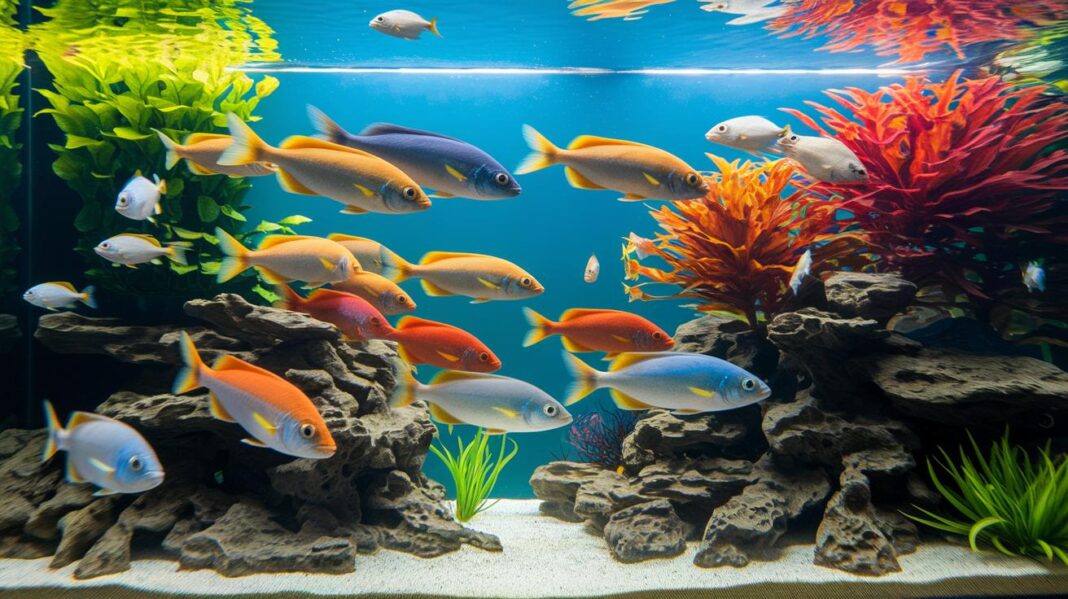

Have you ever stopped to think if your fish are really getting the best meals around? Amazon has a whole range of goodies that mix great nutrition with friendly prices.
We took a dive into the top picks that cater to all kinds of fish, whether they like floating flakes or slow-sinking pellets. Imagine your aquarium as a tiny, lively world where every bite sparks a little ripple of joy.
Our review breaks things down in a simple way so you can easily find the right food no matter how big or small your tank is. It’s like finding a hidden gem in a sea of choices, one that keeps your finned friends healthy and happy.
Top Amazon Fish Food Products: Quick Picks for Every Aquarium
We dove into Amazon to find fish food that truly makes a splash, each product boasts a rating above 4.3 and strikes a great balance between price, pack size, and the needs of different fish. Whether your tank is home to tropical beauties, bottom dwellers, or the graceful koi, we've got choices that bring quality nutrition to your aquatic world.
- TetraMin Tropical Flakes (flake, 4.7★, $12.99/100 g) offers a balanced mix that encourages energetic swimming in tropical fish, much like a playful current in a clear stream.
- Hikari Tropical 1 mm Pellets (pellet, 4.6★, $9.49/50 g) is perfect for smaller fish. These pellets sink slowly, matching gentle feeding habits while helping keep the water as clean as a mountain spring.
- API Staple Diet Pellet (pellet, 4.5★, $11.75/120 g) delivers a steady nutrient boost for a variety of species. Its simple dosing helps avoid overfeeding so your fish can thrive.
- Omega One Veggie Flakes (flake, 4.4★, $13.50/50 g) is a plant-based treat that not only enriches color and vitality but also adds a splash of nature, perfect for a more natural feeding routine.
- Kyorin Koi Food (pellet, 4.3★, $19.99/1 kg) is designed just for koi. This food meets seasonal dietary needs with a balanced blend, promoting smoother digestion and overall health.
When choosing the right option, keep in mind your tank size and your fish’s unique appetites. If you have a bustling, crowded aquarium or special species like koi, focusing on the right nutritional details and size can help you create a thriving underwater haven.
Amazon Fish Food Varieties: Flakes vs. Pellets vs. Wafers
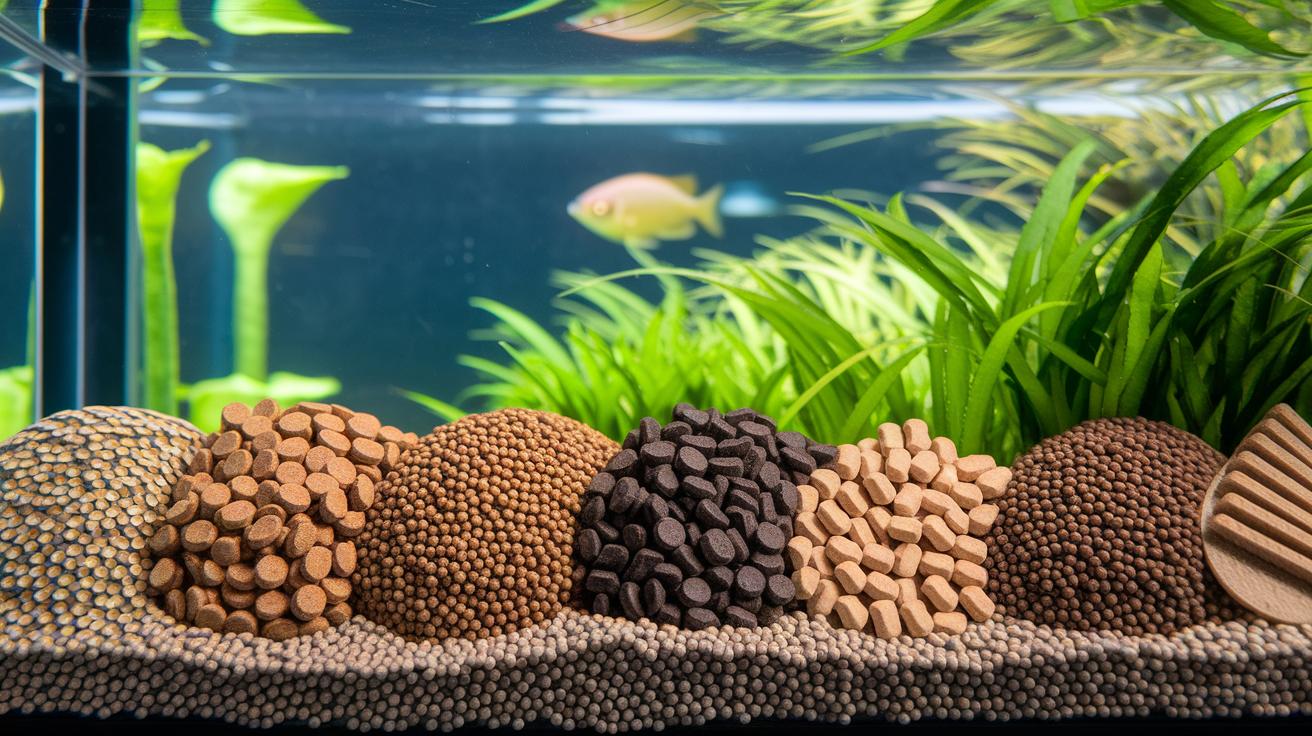
Picking the right fish food is like choosing the best current in a calm stream. Each type of food drifts differently in the tank, so your fish can enjoy mealtime in the spot they love best. Flakes float near the surface, pellets drop down at various speeds, and wafers tend to float along the sides. This matters because every fish has its favorite feeding zone.
| Format | Protein % | Typical Use | Price Range |
|---|---|---|---|
| Flakes | 32% | Surface/Mid-water feeders | $$ |
| Pellets | 40% | Bottom feeders, versatile | $$$ |
| Wafers | 28% + algae | Bottom dwellers with grazing habits | $$ |
Tropical fish often love the quick-floating flakes because they nibble near the tank’s surface. Coldwater fish, however, may benefit from the denser pellets that sink slowly. And if you have bottom feeders, they might prefer wafers that stick to surfaces where they like to search for tasty treats. Overall, this lovely mix of food types lets you match your fish’s natural feeding habits with ease.
Species-Specific Amazon Fish Food: Betta, Tetra, and Koi Diets
Betta Amazon Fish Food
If you're caring for a betta, give it food packed with protein, at least 40%, to keep its colors bright and fins strong. Aqueon Betta Pellets, which boast 48% protein and earn a solid 4.6-star rating, are a popular pick. Feeding your betta 2–3 pellets twice a day helps fuel its energy while supporting muscle growth and that loving sparkle along its scales. It’s a straightforward way to offer just the right care for these graceful swimmers.
Tetra Amazon Fish Food
Tetras thrive on tiny, nutrient-packed bites. Small pellets like TetraPro, offering a 45% protein mix and a 4.7-star rating, make mealtime easy and fun for these little swimmers. Give them about 5–10 pellets every 12 hours so they can enjoy gentle, steady nibbles all day long. This balanced snack not only boosts their playful energy but also deepens their vibrant colors. For more details on what they need, check out the fish nutrition requirements.
Koi Amazon Fish Food
Feeding koi is all about following nature's rhythm. Hikari Wheatgerm Floating Pellets, with 32% protein and a 4.5-star rating, offer a milder option during warmer months while still keeping your koi healthy. By feeding them roughly 1% of their body weight daily, you help balance their high-protein needs with natural seasonal changes. This careful plan ensures that your koi stay lively and gleaming, just like a cool, refreshing stream.
How to Buy Fish Food on Amazon: Deals, Pricing, and Subscriptions
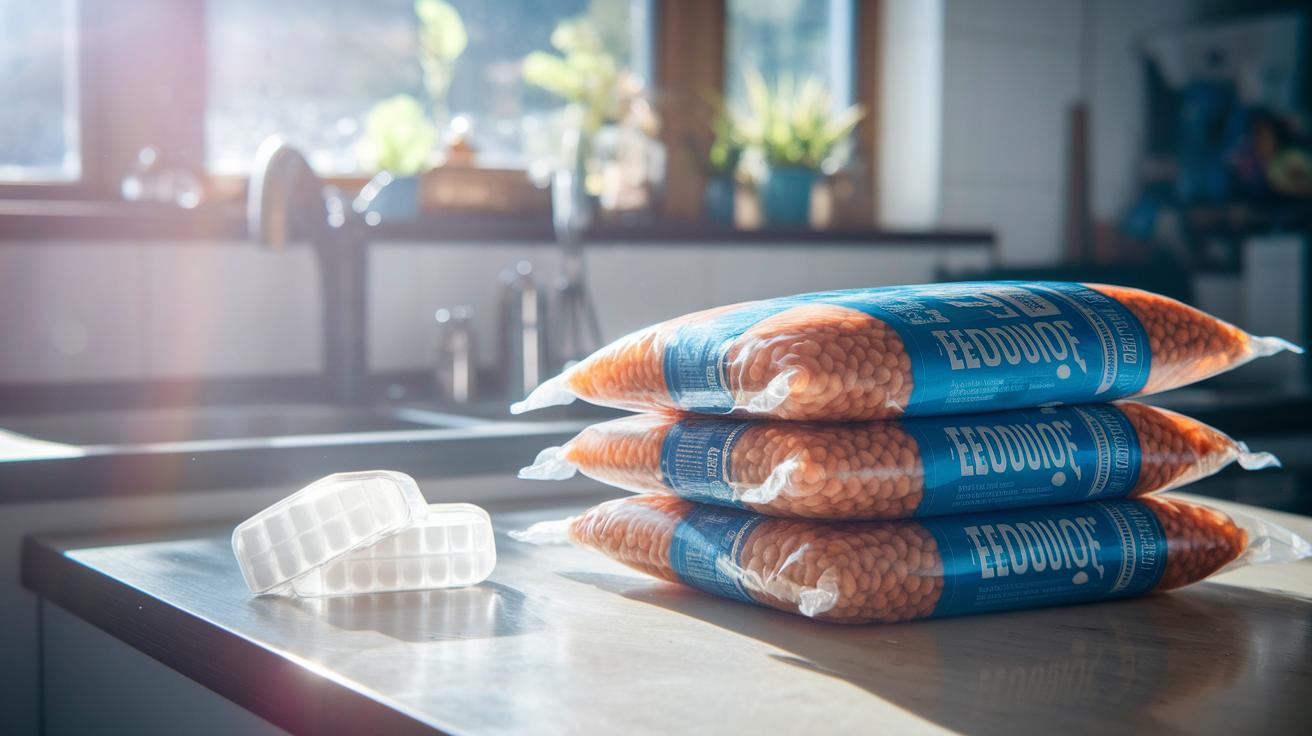
When you shop for fish food on Amazon, you have a couple of cool options. You can go for a one-time order to try something new, or you can choose Subscribe & Save if you want a regular delivery. The Subscribe & Save plan usually gives you a discount of 5% to 15% on repeat orders, which is great for a busy tank. One-time orders let you test a product first, while subscribing means you never run out, and you even get free Prime shipping on bulk 1 kg packs that typically cost around $18. It's a flexible setup that caters to all kinds of fish keepers.
Here are some friendly tips:
- Use Subscribe & Save if you’re looking for recurring savings.
- Check seller reviews to make sure you’re getting a reliable product.
- Compare different package sizes and unit prices to get the best bang for your buck.
- Take a look at Amazon Q&A to see what other fish lovers are saying.
- Note the shipping times if you’re on a tight feeding schedule.
- Search for bundle deals to save a little extra on multiple orders.
Remember, Amazon’s return policy is designed to keep things stress-free, with hassle-free returns and helpful customer service. Aim for sellers with ratings of at least 4.0★ and enjoy the convenience of Prime delivery in just 2 business days. This way, you’re not only getting quality fish food but also making every dollar count for your aquatic friends.
Storing Your Amazon Fish Food: Preserving Freshness and Nutrients
When you store your fish food the right way, you help keep its good nutrients safe. It can stay fresh for 6 to 12 months if you do it right. Humidity can mess up the vitamins in just a few weeks, so it’s best to use airtight containers and keep it at a cool temperature (around 50-70°F) away from light. This way, the essential oils stay protected and mold stays away.
Here are a few tips to keep your fish food at its best:
- Use airtight containers.
- Add desiccant packs to absorb extra moisture.
- Write down the purchase date on the container.
- Keep it in a cool, dry spot.
- Regularly rotate your stock.
Watch out for signs that your food isn’t good anymore. If it starts to smell strange, clump together, or you see any mold, it’s time to replace it. Keeping an eye on these details is like watching the gentle ripples in your tank, ensuring your fish always enjoy healthy, nutrient-rich meals.
Evaluating Amazon Fish Food Reviews: Ratings, Ingredients, and Quality
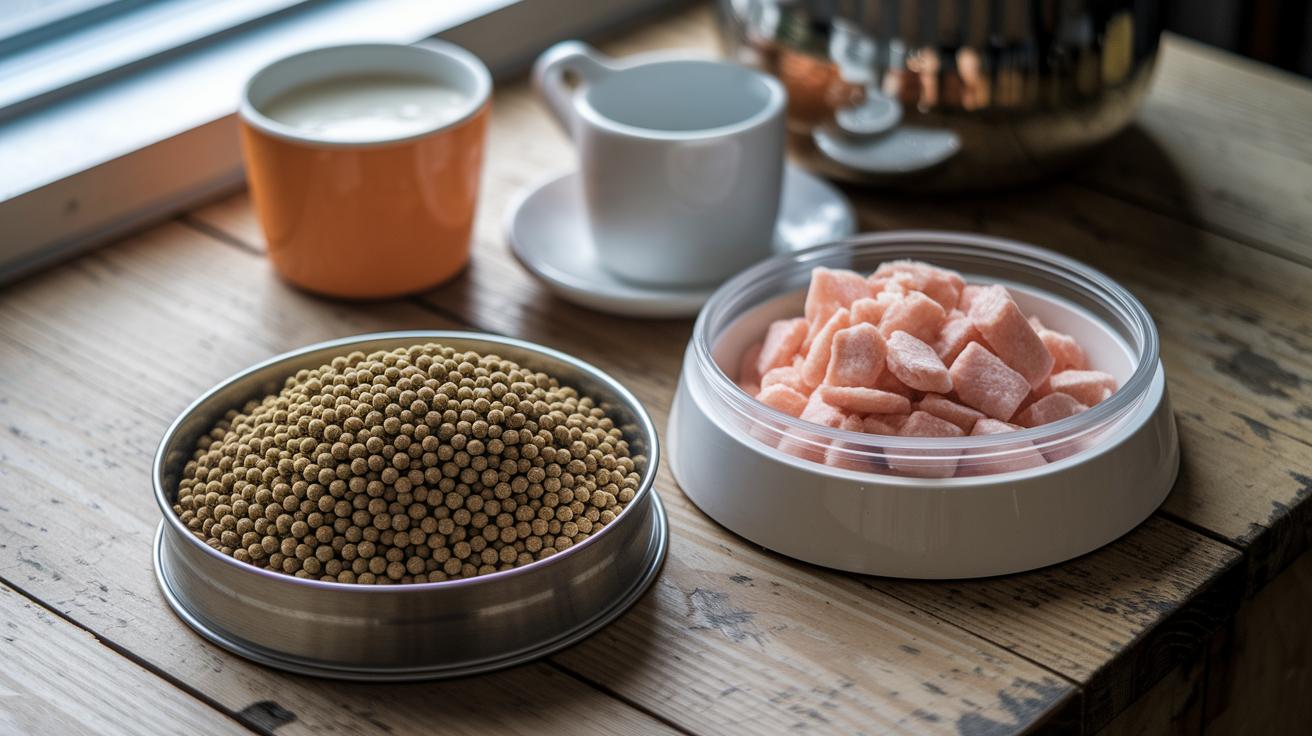
When you dive into Amazon reviews, you'll see that many fellow fish lovers rely on real user experiences to guide their choices. Reviews help reveal if a product truly delivers on its promises, like whether the pellets sink nicely or if the ingredient list starts with honest protein sources such as fish meal or krill. I remember reading one review where someone was truly impressed by Hikari's even pellet size, while another noted that some API batches sink a bit more slowly. It’s smart to check for the Verified Purchase badge to weed out unreliable feedback, and clear comments on taste, texture, and packaging can really show a product's true quality.
Consider these simple points as you explore:
- Overall ratings above 4.0 stars
- Clear ingredient lists that put key proteins upfront
- Comments that reveal how fish enjoy the food
- Feedback on shipping and packaging conditions
- Seller responses to any questions or concerns
Next, weigh these review points against the product details and think about your tank’s unique needs. Just like arranging a beautiful underwater garden, the more consistent ratings and detailed ingredient notes you see, the easier it is to choose the perfect food for your aquatic friends.
Final Words
In the action, this article explored top picks for fish food on Amazon, noting the benefits of different formats like flakes, pellets, and wafers. It shared simple tips on choosing products based on fish type, tank needs, and price.
The post also touched on careful storage and smart buying practices to keep nutrients intact and your aquatic pals happy. By following these guidelines, selecting the right amazon fish food becomes a breeze, leading to a cleaner, livelier tank for all your fish.
FAQ
Q: What types of Amazon fish food are available?
A: The Amazon offers a variety of fish food, including pellets, flakes, and formulas crafted for tropical, aquarium, and pond fish, each designed to support different feeding behaviors.
Q: What is the best Amazon fish food?
A: Best Amazon fish food options combine high ratings with balanced nutrients and cost-effective pricing, making them ideal for meeting the nutritional needs of various fish species.
Q: What fish food is best for tetras?
A: Tetras benefit from fish food with small, easy-to-swallow pellets that offer balanced nutrition, ensuring their vibrant colors and active movement thrive in the aquarium.
Q: Where else can I buy fish food besides Amazon?
A: Fish food is also available at local pet stores like Petco and specialty outlets such as fly shops, where you can explore diverse options tailored to your fish’s dietary requirements.
Q: What food do fish eat in the Amazon and what is best to feed them?
A: In the wild, Amazon fish feed on insects, plant material, and small aquatic creatures; in captivity, a balanced, protein-rich diet suited to your fish species will help maintain their health.
Q: What is the best tasting fish in the Amazon River?
A: The best tasting fish in the Amazon River is often celebrated by locals for its mild flavor and firm texture, which make it a top choice for culinary dishes.
Q: What is the most aggressive fish in the Amazon?
A: Certain fish in the Amazon, such as the predatory species known for their bold behavior, are considered the most aggressive, showcasing a dynamic role within their natural ecosystem.