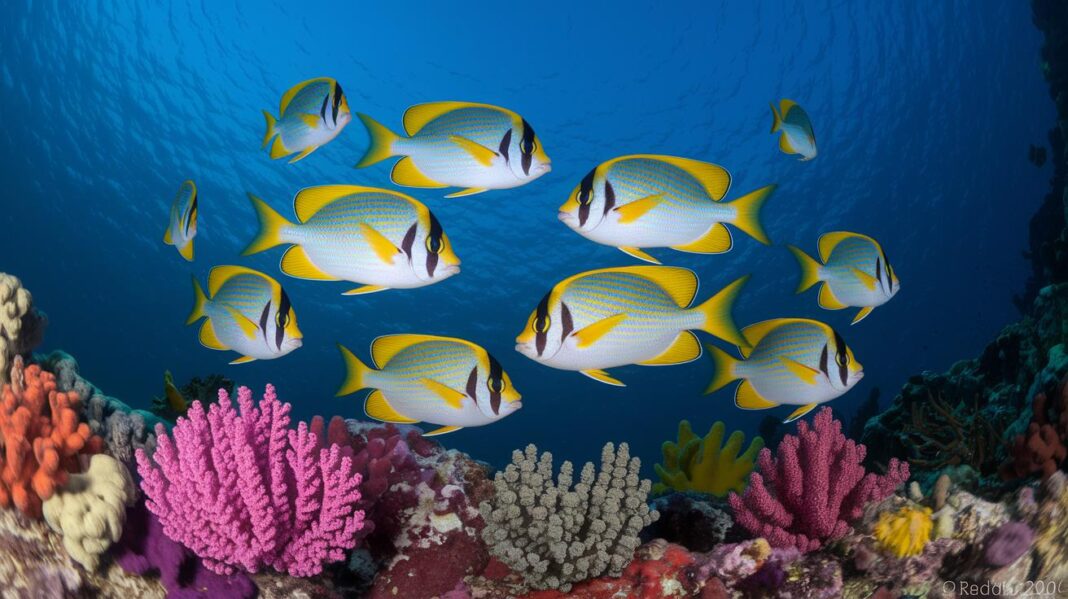

Ever wonder how fish stay strong when the water turns cold? Arctic fish enjoy a natural buffet of tiny sea critters that pops up each spring with the melting ice. Their natural feeding cycle inspired our high-quality fish food, loaded with protein to support your cold-water tank. We made it to mirror what wild fish love eating, giving your aquatic pals the perfect boost to keep them vibrant and healthy.
Arctic fish food: Superior feed for cold waters
Arctic fish like cod naturally enjoy a diet filled with small sea creatures such as brine shrimp and copepods. When the ice starts to melt each spring, it kicks off algae blooms that feed these little critters, forming the base of their natural food chain. We take inspiration from this gentle cycle of light, algae, and tiny swimmers when designing our fish food.
Our premium formulas are crafted to deliver the high-protein nutrition that arctic fish need to grow healthy and strong. Much like in the wild, these fish benefit from a diet that includes live Artemia and copepods, offering just the right energy boost for life in cold waters. We want to create an environment in your aquarium that mirrors nature’s rhythm, giving your fish the best possible care.
- Live brine shrimp – Containing 55% to 60% protein, these active little swimmers encourage natural hunting behaviors.
- Frozen brine shrimp cubes – Packed with protein and easy to use, these cubes make feeding quick and convenient.
- Live copepods – Brimming with protein and essential fatty acids, these tiny creatures offer a natural energy boost.
- Commercial pellets – Designed to mirror the nutritional profile of wild prey, these balanced pellets support steady growth.
- Cyclops – Rich in protein and vital trace elements, this live feed is especially great for helping young fish thrive.
Core Nutritional Benefits of Arctic Fish Food

Wild Arctic fish enjoy a naturally rich diet filled with proteins and fats. When the sea ice melts, a burst of plankton appears, offering a boost of 40-60% protein and 10-15% lipids. This natural mix gives fish the building blocks for strong muscles and plenty of energy to swim in cold waters.
Key fatty acids like EPA and DHA work like little repair kits for fish cells. They keep the skin and scales tough, almost like a built-in shield against the chill. Vitamins in their food help fix cells and keep energy high, so your aquatic friends can be lively and full of zest.
Minerals also play a big role. Calcium and phosphorus help build sturdy bones, while trace elements such as zinc, iodine, and selenium boost a fish’s natural defenses. Together, these nutrients create a balanced diet that mimics a wild meal, helping fish stay robust and ready to handle the cold.
Brine Shrimp and Frozen Diets in Arctic Fish Food
In the icy waters, Arctic fish like cod hunt for small, floating creatures to fuel their day. While wild cod often feast on copepods, brine shrimp step in as a great alternative, packing a punch of protein and necessary fats similar to what these fish find in nature. Known as Artemia, brine shrimp offer about 55-60% protein, making them a natural choice. Whether you go with lively nauplii or the convenience of frozen cubes, both options help mirror the natural diet and energy boost that keeps your Arctic fish thriving.
| Form | Preparation Time | Protein % | Shelf Life |
|---|---|---|---|
| Live Nauplii | 24-48 hours | 55-60% | Limited (few days) |
| Frozen Cubes | Immediately ready | 55-60% | Up to several months |
| Dried Cysts | Rehydration required | Varies | Long shelf life |
Getting the hatching process right is key to feeding your fish the best nutrition. For live nauplii, keeping the water around 25 to 28°C helps them hatch successfully in just one to two days. Most hobbyists feed around 5-10% of the fish's body weight each day. This approach mimics the natural hunting habits and ensures you don’t overfeed, which could spoil the tank. With careful temperature control and measured feeding, your fish enjoy a natural, nutrient-rich diet that makes them feel right at home.
Live Copepods and Cyclops for Arctic Fish Food Alternatives
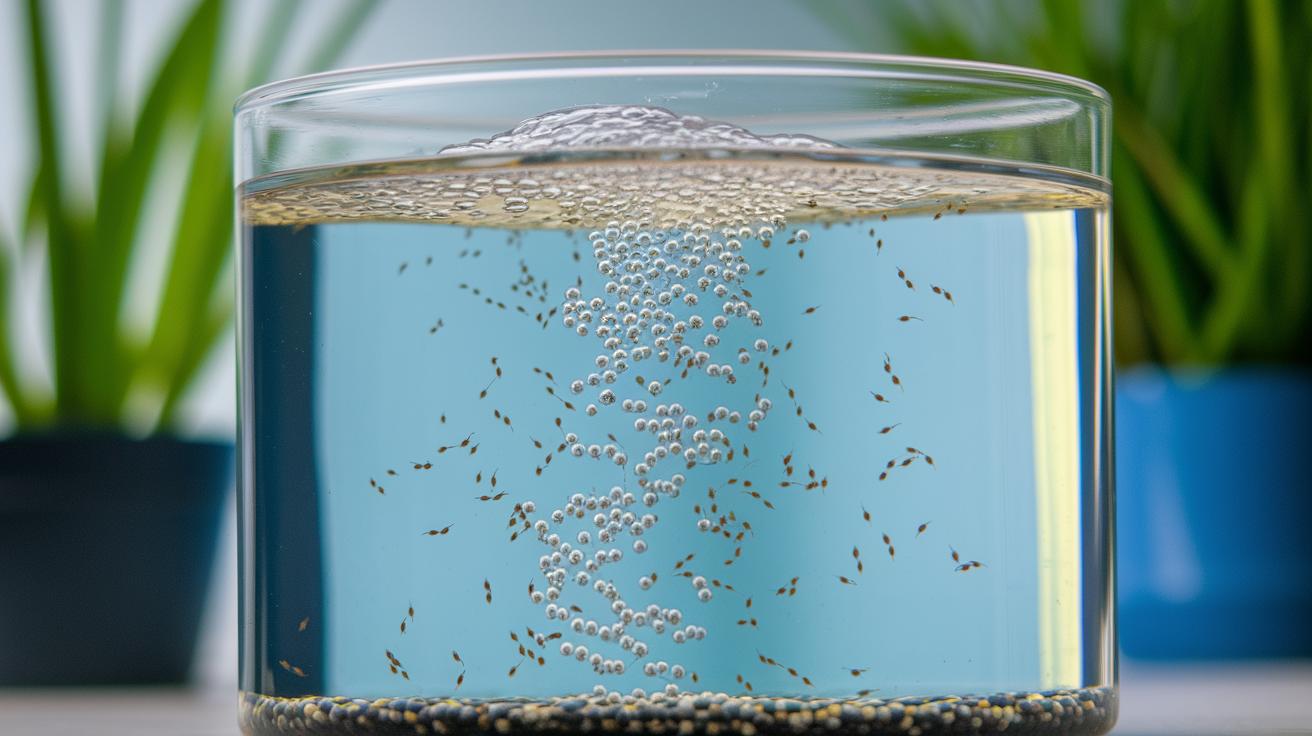
Wild Arctic cod love to chase after little swimmers like Calanus and Pseudocalanus copepods. These tiny creatures pack about 55-65% protein and have essential fatty acids that help young fish grow strong. Their gentle, slow swimming mimics nature, giving young cod a nutritious meal that feels just right. In the icy depths of the Arctic, even the smallest copepods deliver a big nutritional boost.
Growing your own live copepods and cyclops is a clever way to bring nature into your tank. Many aquarists set up mini cultures by copying the cool, clean seawater that these creatures enjoy. You can create a small tank with soft aeration and minimal disturbance so your little friends can thrive naturally. Treat them gently to keep them active and full of valuable nutrients.
Feeding your fish live copepods and cyclops not only brings out their natural hunting skills but also helps boost their growth. Offering these tiny live feeds in small amounts feels like serving a special mini feast. This approach encourages good muscle development and overall fitness, letting your Arctic fish thrive in a cool, welcoming environment.
DIY Hatchery Techniques for Arctic Fish Food Cultures
Equipment and Salinity Setup
When you start your own Artemia hatchery, think of it as setting up your little underwater haven. Choose a medium tank that's just the right size for home use. This gives the tiny eggs enough room to spread out and begin their journey. Use an air pump that releases soft bubbles, keeping the water gently moving but not too rough for the fragile eggs. Mix marine salt in the water until the salt level is around 30 to 35 ppt, it’s a bit like adding the perfect pinch of seasoning to your favorite soup. Keep checking on the water quality to make sure your aquatic world stays calm and steady.
Hatching Protocol and Timing
Hatching your eggs is all about balance, like watching a slow, steady current. Start with about 1 gram of brine shrimp eggs for every liter of water. Enjoy the warmth of a steady temperature between 25 and 28 °C, which feels like the perfect mid-day sun on your favorite rock by the water. Under these friendly conditions, the eggs usually hatch within 24 to 36 hours, much like the natural rhythm seen in wild zooplankton blooms. Keeping the water calm and free from sudden changes helps the eggs develop just as they would in a clear, natural stream.
Harvesting and Feeding Live Nauplii
Once the eggs burst forth into lively nauplii, it’s time to collect these tiny swimmers. Use a gentle siphoning method and work under bright light to guide the active ones into your collection, leaving any unhatched eggs or bits of debris behind. Think of it like gathering the first ripples of morning light on water. After collecting, concentrate the nauplii for feeding your Arctic fish. Aim to feed them around 5 to 10% of their body weight each day, just like in nature, this steady feeding helps them grow strong and healthy all year long.
Arctic Fish Food: Feeding Schedule and Rationing in Cold-Water Tanks

When you’re caring for cold-water tanks where the water stays between 2 and 8 °C, it helps to follow nature’s rhythm, much like watching the soft glow of spring plankton blooms. Feeding every 24 to 48 hours gives your fish time to digest their meals well and keeps their energy steady even when the temperature drops. This regular feeding routine is a bit like setting a gentle current that guides your fish’s day.
Keeping your fish well-fed starts with matching their meals to their body weight. A daily ration of 2 to 5% of their weight is just right. This method is similar to what fish in the wild experience, where food is scarce and every bite counts. It makes sure your fish get enough nutrients without the risk of overfeeding, supporting a balanced and healthy growth.
It’s also important to check for any food that has been left behind after feeding time. If you spot extra bits floating around, remove them quickly. This little step helps maintain the clear, clean water your fish need, and it lets you fine-tune the portions next time you feed.
Comparison of Commercial Arctic Fish Food Brands and Suppliers
When you’re picking out arctic fish food for your tank, it helps to zero in on a few key points: nutrient balance, the shape of the food, and how long it will last. Most options try to mirror a wild diet by offering roughly 45 to 55% protein and 10 to 15% lipids. This means your finned friends get the nutrients they need while you enjoy food that stays fresh in your storage.
Different foods come in different forms, whether you prefer pellets, cubes, or flakes. Each type has its charm, much like choosing between different fish species in a bustling coral reef. And, of course, the price matters too. With costs usually between $15 and $30 per 500 grams, you can find something that fits your budget without sacrificing quality.
| Brand | Form | Protein % | Lipid % | Shelf Life | Price/500 g |
|---|---|---|---|---|---|
| ArcticFeast Pellets | Pellets | 50% | 12% | 12 months | $20 |
| PolarPlankton Cubes | Frozen Cubes | 55% | 10% | 6 months | $25 |
| ColdCurrent Flakes | Flakes | 48% | 15% | 10 months | $18 |
| IceEdge Formula | Granules | 52% | 13% | 12 months | $30 |
When it comes to choosing between budget and premium options, it’s all about weighing what matters most. Cheaper feeds can still provide great basic nutrition, but the premium ones tend to match the wild diet even more closely. You can easily pick these up from well-known online shops or trusted aquaculture stores, making sure your cold-water tank inhabitants get the care they deserve.
Key Ingredients in Premium Arctic Fish Food Formulations
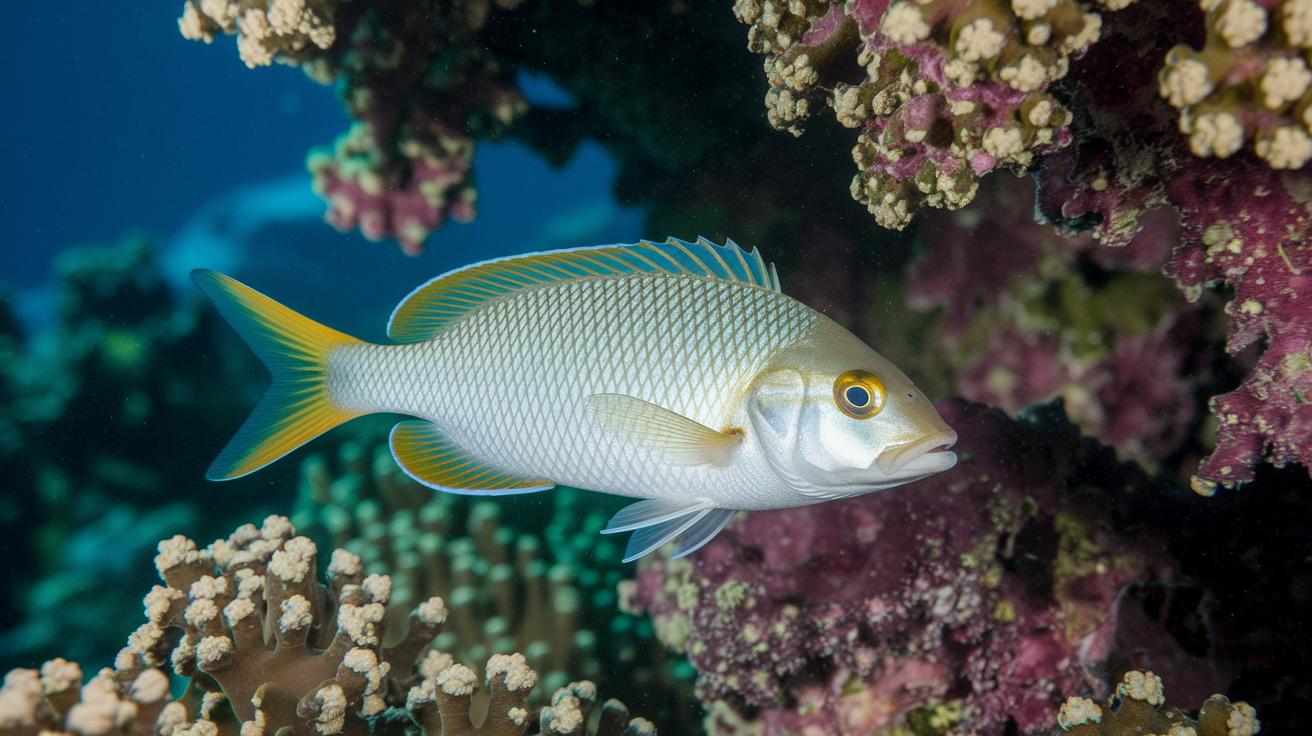
When it comes to feeding arctic fish, the food is made to feel as natural as if they were out in the wild. It all starts with a careful mix of proteins and fats. Fish meal, which gives about 30–40% protein, acts like a strong foundation for muscle growth and overall energy. Then there's krill meal that adds 10–15% lipid content, these fats are like high-energy fuel, helping keep cells strong in chilly waters. And don't forget fish oil, which supplies vital EPA and DHA (kind of like the good fats in your favorite nuts), making up roughly 10–12% of the mix. This blend mirrors the fish's natural diet so they can grow strong and healthy.
Extra goodies like vitamins, mineral chelates, probiotics, and antioxidants are added to boost the benefits even more. Vitamins A, D, and E work on repairing cells and keeping colors bright, while minerals like zinc and selenium help build strong bones and improve immune function. Probiotics support a smooth and healthy digestive system, making sure fish can soak up all the nutrients they need. Meanwhile, antioxidants protect cells from everyday wear and tear. All these ingredients coming together means each bowl of arctic fish food is packed with nutrition, helping your aquatic pals thrive and stay vibrant.
Sustainable Arctic Fish Food Practices and Eco-Friendly Feeds
Aquarists are now choosing feeds that do more than just fill bellies, they also care for our chilly, delicate waters. Many new formulas mix plant proteins like peas or soy (about 20 to 30 percent) with a bit of insect meal (up to 15 percent). This clever blend can lower the carbon footprint by roughly 40 percent. Certification programs, such as those from ASC and GMP+, mean you can trust these feeds to stick to high ethical and eco-friendly standards. In a way, it's like watching a gentle ripple protect wild zooplankton, keeping the Arctic food web balanced and our underwater world serene.
Another thoughtful change is cutting back on packaging waste and using locally sourced ingredients. By choosing raw materials grown nearby, these feeds reduce travel, cut down on transport emissions, and keep our carbon release low. Eco-friendly packaging made from recycled materials helps too, ensuring less waste flows into our environment. This caring approach benefits the aquatic life we cherish while boosting local businesses and nurturing greener communities.
Final Words
In the action, we detailed essential aspects of caring for aquatic pets with proper diets and feeding techniques. The post broke down top-rated options like live brine shrimp, copepods, and innovative DIY hatchery methods, all inspired by the natural habits of Arctic species. It also shared ideas on balancing feeding schedules and choosing commercial products that mimic nature. Enjoy experimenting with arctic fish food to create a healthy and visually wonderful aquatic environment. Happy feeding!
FAQ
Frequently Asked Questions
Arctic fish food 5 letters
The Arctic fish food 5 letters answer is “krill,” which supplies vital protein and omega fatty acids for cold-water species.
What is an Arctic food fish?
An Arctic food fish typically refers to species like Arctic cod that thrive on natural diets of zooplankton and small invertebrates found in frigid waters.
What does a fish eat in the Arctic?
Arctic fish eat naturally occurring zooplankton such as copepods, brine shrimp, and tiny crustaceans to meet their high protein and nutrient needs.
What does Arctic fish taste like?
Arctic fish taste mild and slightly sweet with a firm texture, a flavor profile shaped by their nutrient-rich diet and cold, clear waters.
Is Arctic fish edible?
Arctic fish are edible and enjoyed for their delicate flavor and firm texture, making them a favored choice in many cold region kitchens.
Reef Nutrition Tigger Pods 6oz
The Reef Nutrition Tigger Pods 6oz offer convenient, nutrient-dense feed pods designed to support reef species with essential proteins and vitamins in a ready-to-use form.
Reef Nutrition Pac Pods
The Reef Nutrition Pac Pods are compact feed portions that supply balanced nutrition, delivering proteins and oils in a practical presentation for reef tank inhabitants.
Reef Nutrition Apex Pods
The Reef Nutrition Apex Pods provide a concentrated feeding option that meets the nutritional needs of demanding reef species by supplying vital proteins and beneficial fats.
Phyto-Feast Reef Nutrition
The Phyto-Feast Reef Nutrition is formulated with plant-based ingredients to offer reef species natural vitamins and antioxidants, supporting overall health and bright colors.
Reef Nutrition Tigger Feast 6oz
The Reef Nutrition Tigger Feast 6oz is a protein-packed blend designed for reef systems, giving essential amino acids and balanced lipids to boost the vitality of reef life.
Reef Nutrition Mysis Feast 6oz
The Reef Nutrition Mysis Feast 6oz features mysis shrimp as a prime ingredient, delivering a rich source of protein ideal for meeting the dietary needs of reef fish.