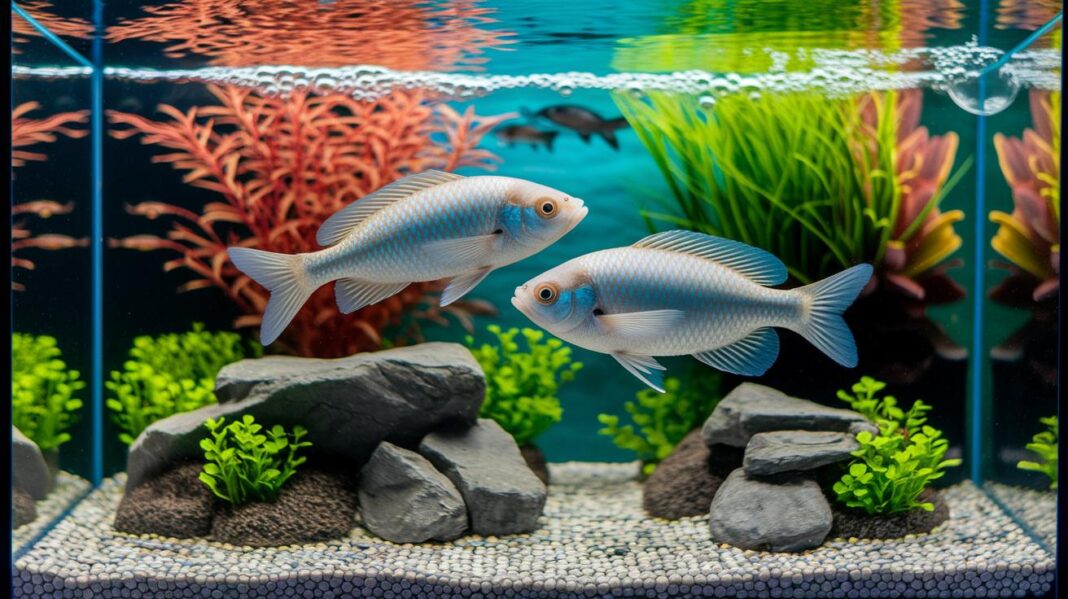

Have you ever wondered if your fish might feel even happier with just a small change in their diet? High-fiber fish food gives their little tummies a boost, helping them work like a gentle, flowing stream.
I still recall the surprise on my face when my goldfish started darting around the tank right after I made the switch. It was like watching soft ripples suddenly turn into playful currents that brought the whole aquarium to life.
This special feed not only makes digestion as smooth as a calm lake but also helps keep pesky tummy troubles away. Give it a try, and you may soon see your aquarium friends swimming with more energy and joy.
Why High-Fiber Fish Food Matters for Digestive Health
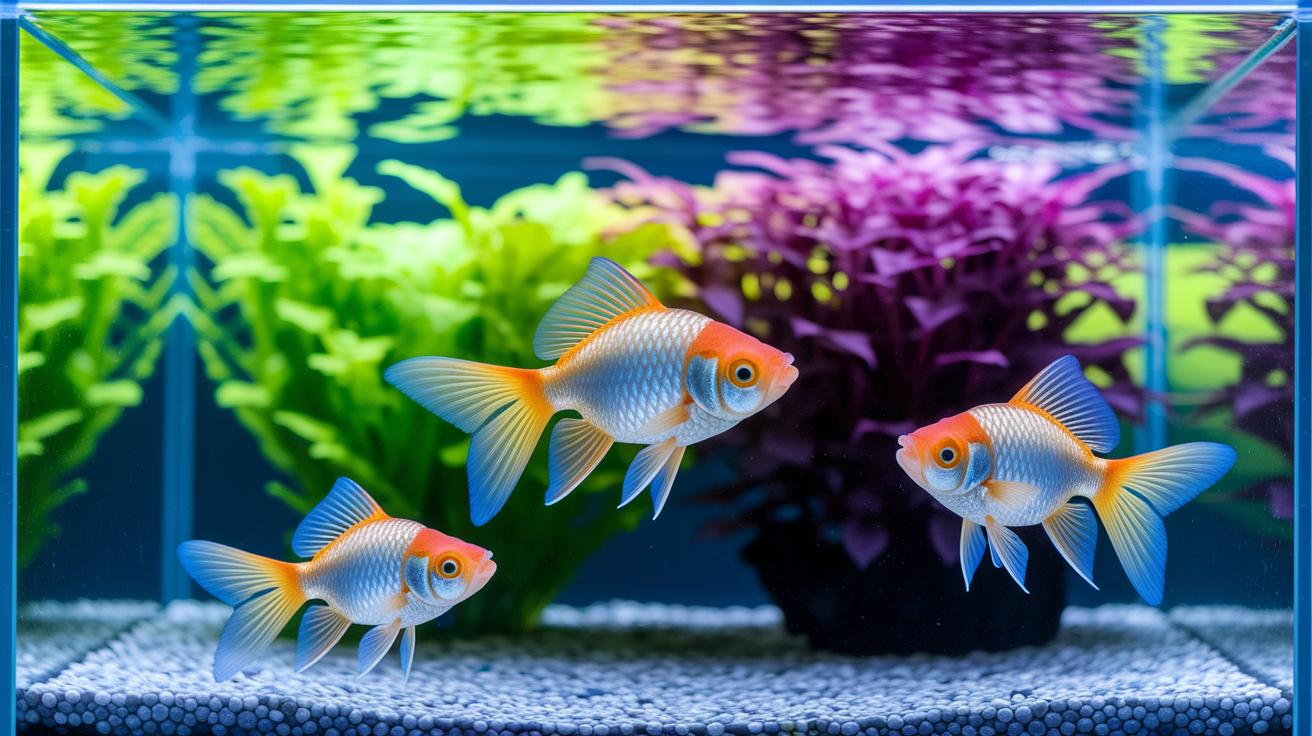
Plant-powered fish food is like a treasure chest for your aquatic pals. It fills their bowl with vitamins, minerals, antioxidants, and crucial fiber, a friendly ingredient that helps move food along their little bellies. I remember when I first introduced a fiber-rich feed to my goldfish; they started zipping around as if riding a playful current. It’s amazing how fiber can turn mealtime into a vibrant, healthy ritual.
Frozen treats like bloodworms and brine shrimp add even more good vibes. Their crunchy little shells act like natural fiber, giving your fish a boost for smoother digestion. A balanced fiber diet works wonders by dodging constipation, cutting down on waste, and keeping your fish’s gut happy. It’s a simple tweak that can make a big splash for the overall health of your aquarium.
| Benefit | Description |
|---|---|
| Promotes smooth gut motility | Helps food move easily through the digestive system |
| Prevents constipation issues | Keeps those tummy troubles at bay |
| Reduces waste buildup | Helps clear out excess food and debris |
| Balances intestinal flora | Supports a healthy mix of good bacteria in the gut |
| Enhances nutrient absorption | Makes sure your fish get the most out of each bite |
Adding a bit more fiber into your fish’s diet can ease common tummy troubles and boost nutrient use. With regular fiber, their digestive process runs smoother, reducing the chance of clogs and helping them soak up all the good stuff from their food. This extra support is especially important for friends like bettas and goldfish, turning every meal into a step toward brighter, healthier days in your tank.
High-fiber fish food: Happy Tummies Ahead
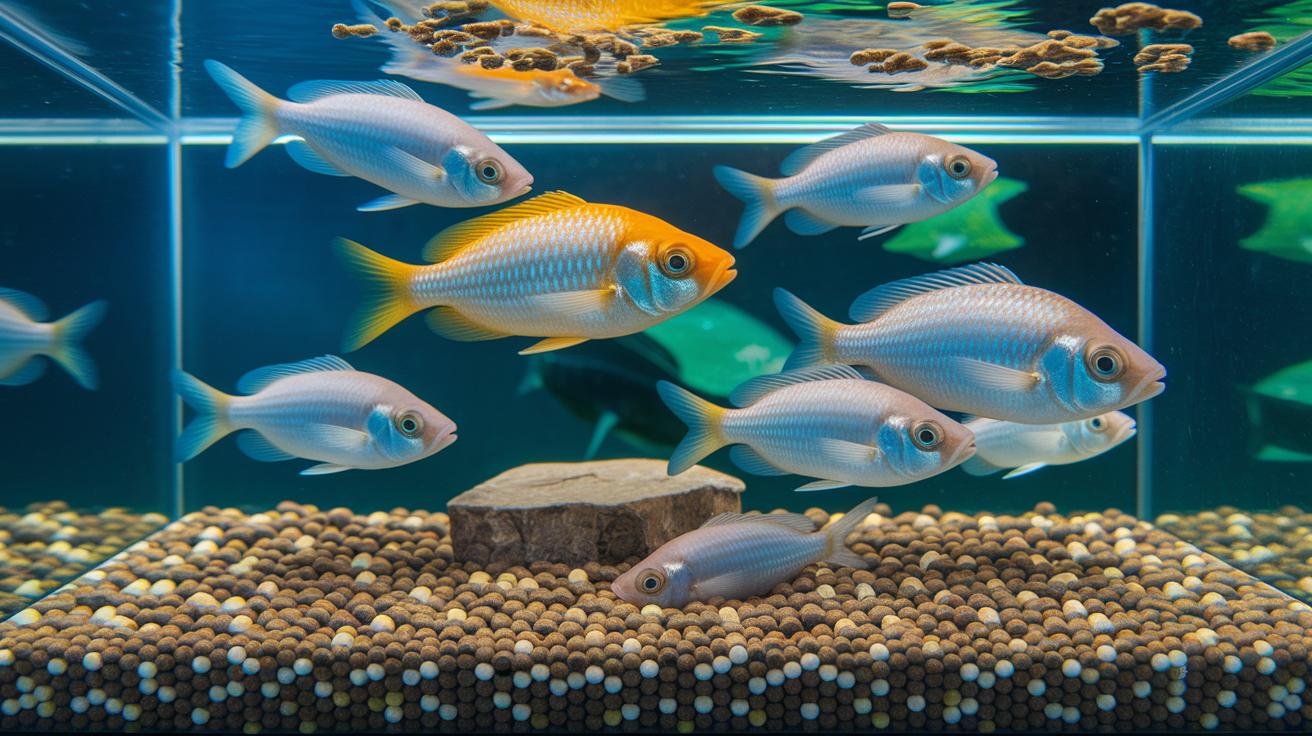
High-fiber fish food comes in different shapes and sizes that make mealtime special for your underwater pals. Whether your fish love nibbling at the top or scouring the bottom for treats, knowing the ins and outs of flakes, pellets, and wafers can turn feeding time into a delightful feast. Think of it like this: tiny guppies enjoy the small, tasty micro-pellets while larger cichlids thrive on sinking pellets that gently release their nourishing fiber.
| Feed Type | Fiber Source | Particle Size | Sink Rate |
|---|---|---|---|
| Flakes | Plant fibers and added supplements | Fine to medium | Floats then sinks |
| Floating Pellets | Enriched plant and algae fibers | Varies from micro to standard | Initially floats |
| Sinking Pellets | Concentrated fiber blend | Medium to large | Sinks steadily |
| Algae Wafers | Natural algae and vegetable fibers | Solid, wafer-like | Sinks slowly |
Choosing the right high-fiber feed is a bit like picking the perfect seashell on a sunny beach. Flakes are a versatile option for fish who like to graze at different water levels, even though they might break apart too quickly for slower eaters. Floating pellets pack a steady dose of fiber for those surface feeders while keeping your tank water clear. Meanwhile, sinking pellets are made for fishes who feed lower down, especially when there’s less hustle at the top. And if your tank has herbivores or grazing fish, algae wafers deliver natural, plant-based fiber in a slow-dissolving form. In truth, matching the food to your fishes' eating style can keep their bellies happy and the water sparkling.
Natural High-Fiber Supplements: Daphnia and Frozen Crustaceans
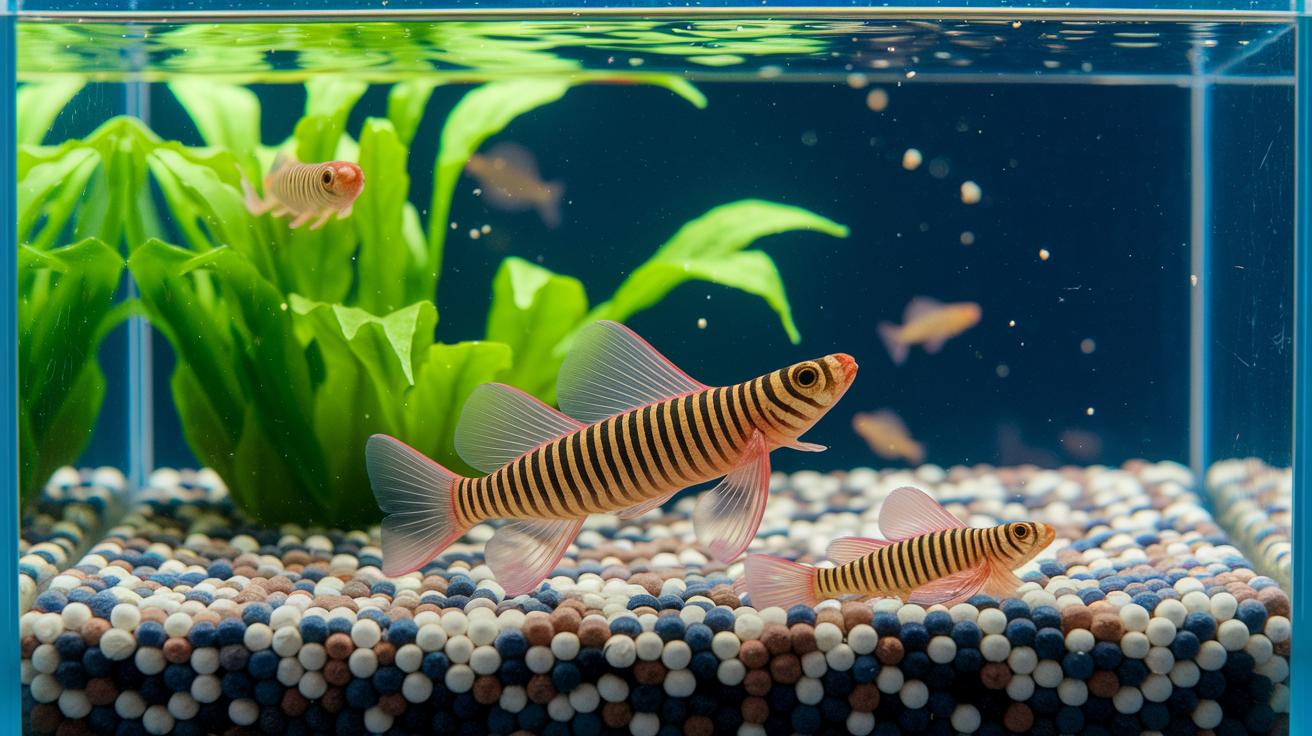
Daphnia are nature’s tiny crunchers that add a burst of fiber to keep your fish healthy. Their small, hard shells give a satisfying crunch and help food move easily through your fish's tummy. They’re packed with extra goodies like proteins, vitamins, and minerals to boost overall vitality. Plus, when their eggs hatch, they release a bit of fiber and live probiotics that help balance your fish's gut. Imagine a few daphnia turning mealtime into a tiny, nutritious treat!
Frozen crustaceans, like little brine shrimp and silversides, bring a similar fiber boost. These chilly snacks keep their natural, tough shells intact, acting like insoluble fiber that smooths out digestion. Even when served cold, they hold onto essential nutrients, offering your fish both the crunch and the care they need.
Mixing in a few live daphnia with regular feedings and rotating in some frozen crustaceans keeps meals fun and natural while supporting smooth digestion and happy tummies.
DIY High-Fiber Gel Fish Food: A Homemade Recipe

Making your own gel fish food is a fun, hands-on way to care for your aquatic pals. By mixing fresh, blanched veggies with a gentle gel, you ensure your fish get plenty of fiber and nutrients to keep their tummies happy. Imagine the water rippling just like when you drop in a delightful new treat! This recipe gives you the freedom to play around with textures and ingredients, perfect for those picky eaters. You can even swap in green beans or carrots for some variety.
Try this simple recipe: Mix one teaspoon of unflavored gelatin with half a cup of warm water. Stir in a quarter cup of finely chopped, blanched veggies like zucchini and carrots, along with a tablespoon of ground algae. Warm the blend gently on low heat, just enough to activate the gelatin without boiling, for about three minutes while stirring. Then, pour the mixture into a shallow tray and let it set at room temperature for several hours; you can also refrigerate it to speed up the process. This method produces a firm, jello-like feed that stays intact underwater for up to 24 hours, making it ideal for fish that graze slowly.
Feeding Schedules for Optimal Fiber Intake

A steady, balanced feeding plan is like the gentle flow of water in your tank, keeping it clear and your fish happy. Feeding too much fiber can cloud the water, while too little may leave your fish missing out on an important boost for their digestion. Getting the portions just right helps fiber work its magic on fish metabolism and keeps their tummies in tip-top shape.
Using handy tools like feeding rings, small rings that keep food in one area, and slow-release gels that spread nutrients over time can make managing portions a breeze. These help you avoid puddles of waste in your aquarium while making sure every fish gets a fair share.
For instance, betta fish thrive on two small, fiber-rich meals each day to keep their systems running smoothly. Goldfish, enjoying a little variety, do well with two or three moderate meals. And if you’re running a community tank, try giving three to four small, mixed feedings to suit both quick and leisurely eaters.
By fine-tuning these feeding habits based on how many fish you have and how they react, you’ll keep your underwater buddies cheerful and your aquarium sparkling clear.
Health and Performance Benefits of Fiber-Enriched Aquatic Nutrition
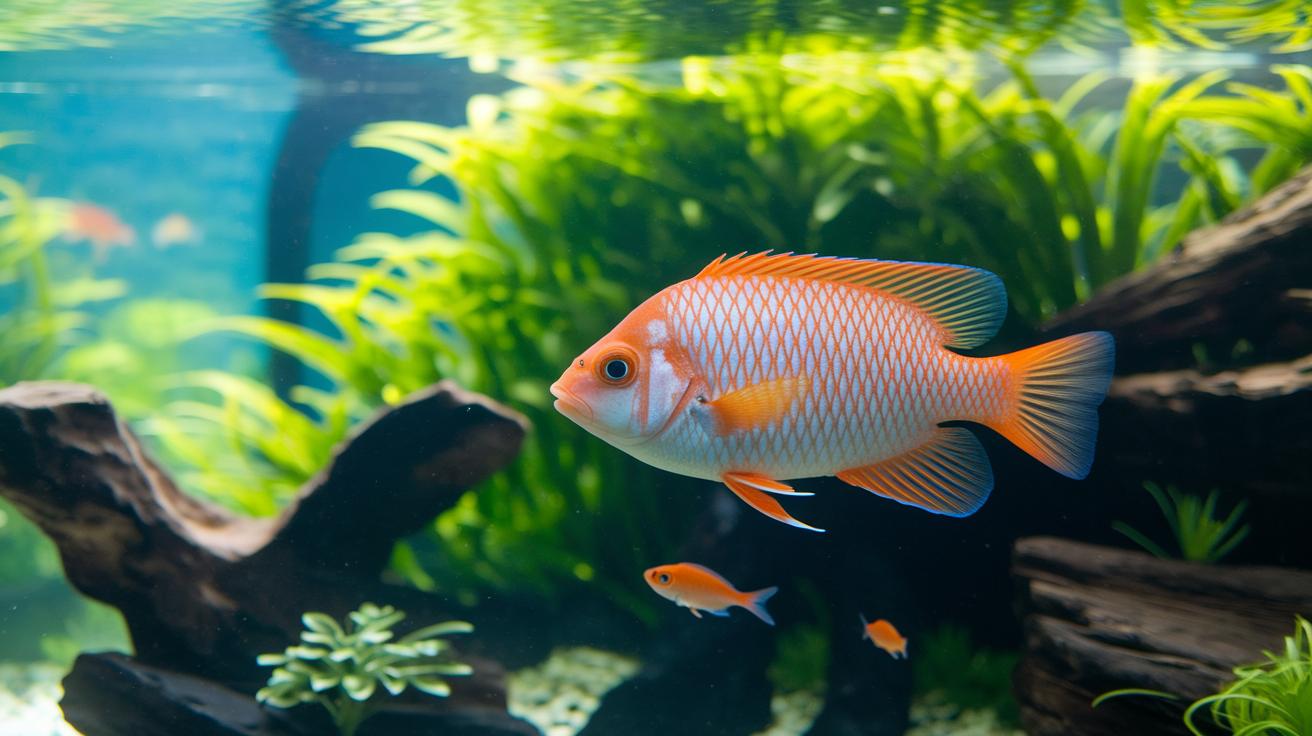
Fiber does so much more than help your fish digest their food, it makes their whole system glow. When your fish nibble on a feed boosted with fiber, it helps grow the friendly bacteria in their gut. This little change gives their immune system a cheer-up, so they have fewer tummy troubles and a natural way to fight off common bugs. A fellow aquarist even mentioned that after switching, his fish became livelier and more disease-resistant.
These feeds often mix in natural plant ingredients full of astaxanthin, a kind of natural antioxidant. That means your fish not only develop brighter reds, oranges, and yellows but also get a boost in their breeding condition. Imagine the joy of seeing your fish display more vivid colors and splendor while their spawning goes more smoothly. Many fish keepers have noticed their ornamental friends looking fresher and even producing more fry with this new diet.
Over time, keeping fiber in the diet can help extend your fish’s lives and keep them full of vitality. A healthy gut means steady energy and a strong immune system to keep illnesses away. With fiber making its mark, your fish end up growing continuously and staying active and robust well into their later years.
Choosing Premium High-Fiber Fish Food Brands and Ingredients

When you check out a fish food label, take a moment to spot the fiber content and protein-to-fiber ratios. It’s like reading a map for your fish’s diet, telling you exactly what benefits they’ll get. Manufacturers who care about quality usually make these details easy to read, so comparing them is a breeze.
Keep an eye out for top brands that skip fillers like wheat, corn, and soy. Instead, they choose natural plant fibers, think spirulina, algae, or vegetable powders, to help your fish digest their food smoothly and grow strong. When you read the label, imagine your fish happily nibbling on food that’s as natural as a gentle stream.
Some brands really stand out by adding special ingredients such as astaxanthin. This natural antioxidant not only makes your fish’s colors more vivid but also helps boost their immune systems. You’ll often find these premium feeds packaged in micro-pellets ranging from 100 to 250 grams, perfect for any species. It’s almost like a mini guide on the packet, showing you exactly which fish will enjoy that blend.
And don’t forget to weigh the cost against the benefits. While a more expensive option might seem like a big splash of investment, the high-quality ingredients and fewer fillers mean your fish get better nutrition and your tank stays cleaner. In the end, every dollar contributes to a lively, healthy underwater world for your fish.
Final Words
In the action of boosting aquarium health, we explored how fiber supports smooth digestion and reliable gut function. We compared different feed types, shared natural supplement ideas, and even crafted a homemade high-fiber gel recipe. Each section underlined the importance of a proper feeding schedule and premium feed selection.
The tips here center on a clear, balanced approach to aquarium care with high-fiber fish food. Enjoy setting up a lively underwater world with confidence and a smile!
FAQ
What does high fiber fish food mean for supporting fish digestion?
The phrase means fish food enriched with plant fibers and crustacean parts that support smooth digestion, help prevent constipation, and promote a balanced gut in species such as goldfish and bettas.
How do Daphnia and frozen crustaceans boost fiber in fish diets?
Using Daphnia and frozen crustaceans adds natural chitin-rich fiber to the diet, which enhances digestion and supplies essential nutrients that support the overall gut health of your fish.
How do you give fish fiber and set up a balanced feeding schedule?
The method involves mixing fiber-rich feeds like pellets, flakes, or algae wafers into small, regular meals, helping maintain healthy digestion while reducing waste buildup in your aquarium.
What are some top high fiber ingredients in quality fish foods?
Common high fiber ingredients include algae, vegetable powders, and natural crustacean remnants, which deliver vitamins and digestive benefits, keeping your fish’s diet nutrient-rich yet gentle on their system.
Is fish meat itself considered a high fiber food?
Actual fish meat does not contain the dietary fiber needed for proper digestion; supplemental high fiber feeds are essential to support gut motility and overall intestinal health in aquariums.