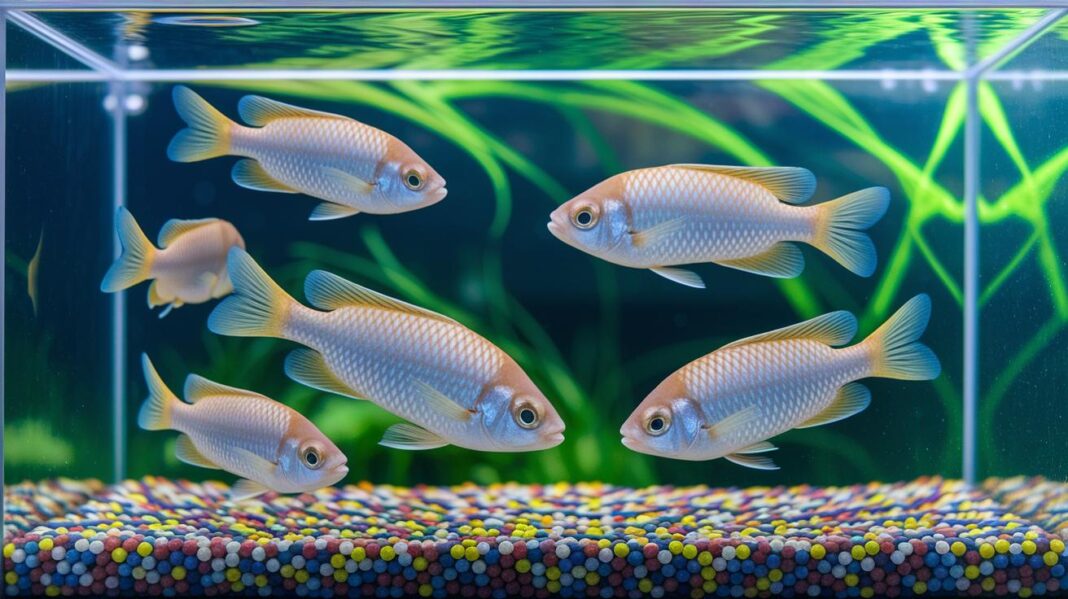

Ever wonder if your fish could be even more lively and full of life? The secret might be hidden in the food they eat. Just like a gentle current enriching a stream, high-quality fish food delivers the perfect blend of nutrients, helping your fish stay vibrant and energetic. Sure, some foods might tout high protein, but if they're not handled properly, that benefit can slip away. In this post, we'll share how picking the right fish food can make your aquatic pals glow with health and keep them happily swimming along.
High-quality fish food boosts fish vitality
Choosing the right fish food is like giving your fish a refreshing dip in clean water. It means selecting options that help your aquatic buddies stay lively and healthy. The best feeds keep the natural goodness locked in, protecting proteins and fats by avoiding too much heat during production. You know, a label that says "45% protein" might not mean much if the food was exposed to high heat that breaks down these important nutrients. Many popular brands boast high protein levels but may actually leave your fish with fewer benefits than you’d hoped.
Premium aquarium feed usually comes as either flakes or pellets. Flakes dissolve fast in the water, which can work well for smaller fish, but this quick breakdown might also let some nutrients escape. Pellets, on the other hand, are denser and slowly release their nutrients while matching the size of your fish’s mouth. Think of it like the way Hikari Fancy Guppy foods fit perfectly for Neon Tetras and Cherry Barbs. Getting the particle size right is key to proper nutrition for your aquatic pets.
Beyond the basics, there are plenty of exciting feeding options available. You might find freeze-dried, frozen, or even live foods. Freeze-dried treats, like whole brine shrimp, daphnia, or bloodworms, offer a tasty snack without replacing a complete diet. Frozen foods retain nearly 80% of their water and closely mimic what your fish would find in nature, although they do require careful storage. Live foods, such as brine shrimp, add a spark of natural behavior during feeding time, making meals feel more engaging.
Taking time to check the ingredient list is like scanning the clear bottom of a pond. Look at the moisture content, ash levels, base ingredients, and any added supplements. This simple review helps you pick a premium feed that truly boosts your fish's vitality, keeping your underwater friends happy and thriving.
Comparing Types of High-Quality Fish Food: Flakes, Pellets, and Beyond

Flake foods melt quickly in the water and are a favorite among fish keepers. They’re gentle on your budget and work well for fish that enjoy meat, plants, or a mix of both. While they burst with nutrients at mealtime, those same nutrients might drift away too fast. So if you’re serving up Neon Tetras, finding a flake that holds its form just right is a smart move.
Pellet foods, on the other hand, are thicker and last longer in the tank. They break down slowly, giving your fish a steady, ongoing meal. Their firm shape means the nutrients stick around until your finned friends are ready, making them a great fit for species that take their time nibbling.
Freeze-dried treats like brine shrimp, tubifex worms, and daphnia are handy little snacks for your fish. They pack an extra punch of nutrients but are best enjoyed as a bonus treat rather than the fish’s whole diet. Mixing these with the regular feed can even tempt the pickiest eaters.
Frozen foods bring a slice of the wild right into your aquarium. With about 80% water content, they mirror the natural meals fish would hunt down in the wild. And if you’re looking to add a bit of excitement, live foods such as brine shrimp and blackworms encourage that natural hunting drive, keeping your fish active and engaged.
Gel foods, which can hold their shape for up to 24 hours, are a great pick for slow feeders that graze on surfaces. Meanwhile, specialty treats like blanched zucchini or seaweed strips cater to herbivores’ needs, rounding out a balanced and nutritious diet.
| Food Type | Nutritional Profile | Best Use |
|---|---|---|
| Flake Food | Affordable, dissolves quickly, available for carnivores, omnivores, herbivores | Surface feeders and smaller fish |
| Pellet Food | Dense, slow to break down, retains nutrients well | Medium to larger fish that eat at a slower pace |
| Freeze-Dried Food | Concentrated nutrients, best as an extra snack | Supplemental feed for picky eaters |
| Frozen Food | Resembles natural food, contains about 80% water | Main meal for fish needing a more natural diet |
| Live Food | High in active nutrients, stimulates natural hunting behavior | Enrichment for hunting and engaging picky eaters |
Ingredient Analysis and Nutritional Benefits of High-Quality Fish Food
When picking fish food, one of the first things to look at is the moisture level. Lower moisture means more nutrients in every bite, giving fish the fuel they need to grow and play. And since proteins and fats can break down if heated too much, feeding your fish food that’s made at cooler temperatures helps keep those important building blocks intact. In simpler terms, it’s like keeping the treasures of a sunken ship safe until you need them!
High-end fish food often blends in stabilized vitamins like A, D, and E with omega-3 fatty acids. These work like little helpers, supporting a fish’s immune system and making their colors pop, kind of like how a well-set aquarium brings a scene from a lively coral reef to life. Sometimes, these mixes even include friendly probiotics that look after gut health, ensuring your fish stay energetic and vibrant. I once read a study that showed fish really thrive when moisture is kept in check.
Another thing to watch out for is ash content. Ash, which is made of minerals that fish can’t digest, can be like extra weight that keeps fish from using all their energy for growth. High-quality food is careful in keeping ash levels low so the fish can use their energy to swim freely and grow strong. Premium marine feeds even add amino acid blends that boost growth and might feature natural color enhancers like astaxanthin or carotenoids. These nutrients help build muscle and brighten up a fish's look, kind of like giving your aquatic pets a natural glow. Every bit of care, from particle sizing to gentle processing, makes sure that every nibble not only fills the belly but also supports the overall health and sparkle of your underwater friends.
Top-Rated Fish Food Brands for Superior Fish Nutrition

Freeze Dried Brine Shrimp comes in a large container for about $10. It’s made especially for medium and large fish. This snack is packed with nutrients that help keep your fish lively. It’s like giving them a burst of natural energy with every bite.
Freeze Dried Tubifex Worms show up as little cubes full of concentrated nutrition. They make a great add-on to a mixed diet and are easy to measure out so even tiny fish can enjoy this premium treat.
PE Mysis Shrimp is a favorite in both saltwater and freshwater tanks. Its balanced mix of nutrients supports healthy growth while turning meal time into a delightful feeding ritual. Think of it as a gourmet treat that makes every feed a little celebration.
Hikari Frozen Daphnia is another star in our lineup. These punch cubes are frozen morsels that look and taste like the natural prey of many freshwater fish. They fit easily into your daily routine, whether you’re just starting out or have lots of experience with aquariums.
Fluval Bug Bites, made from black soldier fly larvae, are designed to leave almost no ash behind. They deliver a rich nutritional profile and help keep your tank water clear, creating a happier home for your fish.
Xtreme Flake Food is well-loved for its affordable price of under $30 per pound. It’s a reliable everyday option that doesn’t skimp on nourishment, making it a trusted staple for many aquarists.
LEGIT Community Fish Food, a freshwater pellet by Piscine Energetics, is made using a low-temperature process that preserves its vital nutrients. This breakthrough pellet formula satisfies even picky eaters and supports overall fish growth.
Feeding Guidelines and Best Practices for High-Quality Fish Food
When you feed your fish top-notch food, it's all about matching the feeding method to what your fish really need. Adjusting the amount based on the size of your fish and the type of feed you use helps cut down on waste and keeps them growing nicely. Think of it like this: just a few delicate flakes for little Neon Tetras, and a bit more of a larger pellet for medium-sized friends – both ways, your fish enjoy a satisfying meal without any overfeeding.
Portion Control Recommendations
Start by getting to know your fish – their size, feeding habits, and overall style. For tiny species, a little goes a long way, while bigger fish need more substantial bites. If your fish are the nibbling type, sprinkle crumbled flakes lightly over the top so they can pick them up easily. For pellet eaters, breaking them into small pieces that fit each fish's mouth means less uneaten food settling at the bottom of your tank.
Feeding Frequency Advice
Plan to feed your fish a healthy, daily dose of their staple food, with some special treats added in as extra vitamins. Freeze-dried foods, for example, are best enjoyed once or twice a week. They pack extra protein and vitamins but shouldn't take the place of the main meal. Frozen foods, full of water, might need a bigger serving, and live foods can add a fun, natural hunting spark to mealtime. Always keep an eye on your fish during feeding time, and adjust portions based on the season, water temperature, and how active your fish seem.
Introducing New Foods Safely
When it's time to try a new kind of food, mix a small amount with your fish's regular meal. Stir a little new gel feed into the usual flakes and watch closely to see how your fish react. This gentle blending helps your fish get used to the new taste without causing too much change all at once, keeping them comfortable and curious about new nutrition.
Water Quality Impact of High-Quality Fish Food and Filtration Tips

Using cheap fish food with too much ash makes life tough for your fish. They have to work harder to digest the stuff they really don’t need, which can bump up ammonia in the water and make it look cloudy. Over time, all that extra waste boosts nitrate levels, kind of like mud settling on a clear pond. But when you choose premium food with less ash, your fish get the nutrients they need while keeping the mess to a minimum.
Picking eco-friendly food is like giving your aquarium a little hug from nature. These better options hold onto important nutrients, so there’s less leftover debris floating around. That means your tank’s clean-up system doesn’t have as big a job. Think of your filtration system as a hardworking crew that swoops in to clear away bits of uneaten food and fish waste, keeping the water sparkling like a bright, flowing stream.
The magic really happens when you pair top-notch fish food with a strong filtration system. Together, they help maintain healthy water, which in turn boosts the overall well-being of your underwater friends. It’s a winning combination that turns every mealtime into a step toward a more vibrant, thriving aquatic home.
Final Words
In the action, we've explored how premium feeds meet your fish's needs by focusing on ingredient integrity, particle size, and form. We broke down flakes, pellets, freeze-dried, frozen, and live foods to help you pick the right option for each tank type. Feeding guidelines and water quality tips also add practical steps to maintain a balanced, safe habitat. Enjoy setting up your tank with care and confidence, and remember that high-quality fish food is key to a thriving aquatic home.
FAQ
What is the best fish food for fast growth?
The best fish food for fast growth means using a formula with premium proteins, balanced vitamins, and healthy fats that helps fish quickly gain strength and color.
What are high quality fish food brands and options for aquariums?
High quality fish food brands use careful processing to keep essential nutrients intact. Their products meet the specific needs of aquariums, offering specialized feeds for different fish species.
What is the ideal fish food for freshwater, community, and tropical fish?
The ideal fish food for freshwater, community, and tropical fish combines nutrient-dense ingredients with the right form and size to suit various species and shared tank environments.
What is Hikari Fish Food known for?
Hikari Fish Food is known for its premium, nutrient-rich feeds designed to boost color, health, and growth by using careful processing methods that maintain key vitamins and proteins.
Are flakes or pellets better for fish?
The flakes or pellets question highlights that flakes dissolve quickly and suit small-mouthed fish, while pellets provide slow breakdown and are preferable for larger fish that need a controlled feeding.
What is a high quality goldfish food?
High quality goldfish food offers moderate protein, low fat, and reduced ash to make it easier for goldfish to digest and helps support their vibrant coloration and overall health.
What is the highest quality fish to eat?
The highest quality fish to eat typically refers to lean, nutrient-rich varieties like salmon, which are known for their omega-3 fatty acids and minimal processing for optimal nutrition.
Who is considered the king of aquarium fish?
The term “king of aquarium fish” is subjective, as many aquarists admire species like angelfish or bettas for their stunning appearance and ease of care in home aquariums.