
Have you ever thought about mixing up your fish’s meals to make their day a little brighter? Most of us stick with plain old flakes, but goldfish really enjoy a meal that feels like a slice of nature.
Try adding sinking pellets with extra vitamins or a few crunchy veggies to boost their color and energy. In this guide, we’ll share easy tips for feeding your goldfish a balanced diet that includes flake foods, sinking pellets, gel treats, fresh greens, and even live prey. Get ready to offer your fish a feast that feels as natural as a gentle stream on a sunny day.
Essential Goldfish Diet Basics: Food Types and Timing
Goldfish really thrive when they get a mix of different foods. They need nourishment from five key groups: flake foods, sinking pellets, gel foods, fresh veggies, and frozen or live prey. Each of these gives them special nutrients, helps boost their bright colors, and keeps their digestion humming along nicely. For example, sinking pellets like Saki-Hikari pack in vitamins and good bacteria, all while ensuring that fancy types don’t accidentally gulp too much air near the surface. Flake foods offer a solid start for common goldfish, while gel foods such as Repashy Super Gold Gel blend goodies like krill and algae to make digestion easier. On top of that, fresh vegetables like peas and zucchini add a dose of fiber, and frozen or live prey like brine shrimp deliver proteins that mimic what fish enjoy in their natural habitats.
| Food Type | Description |
|---|---|
| Flake Food | A staple for common goldfish, providing essential nutrients. |
| Sinking Pellets | Rich in vitamins and probiotics, ideal for fancy goldfish. |
| Gel Foods | Blends ingredients like krill and algae for smooth digestion. |
| Fresh Vegetables | Adds fiber with options such as peas and zucchini. |
| Frozen/Live Prey | Supplies proteins that mimic natural feeding behavior. |
Adult goldfish do well with two meals a day. In the morning, serve them dry foods like flakes or pellets to start the day right, and then in the evening, offer a mix of veggies or thawed frozen foods to complete their meal. Younger goldfish need smaller, more frequent feedings to support their growing bodies. It’s important to remember that common goldfish can enjoy both floating and sinking foods, whereas fancy goldfish benefit from high-quality sinking treats that help them avoid swallowing air. This balanced feeding approach, paired with careful portion control, keeps your fish healthy and happy, just like a gently flowing stream on a sunny day.
Commercial Diet Options for Your Goldfish Diet
Choosing the right food can really brighten your goldfish’s life. There are plenty of brands offering choices like flake formulas, sinking morsels, and vitamin-loaded mixes. Each option is made to meet different needs, so whether you have common or fancy goldfish, you can find a match that works perfectly.
Flake Foods
Flake foods are a handy option packed with the nutrients goldfish need. They’re a favorite for common goldfish and work well as a basic meal. The flakes are simple to use, and most fish enjoy them. But if you have fancy goldfish, these flakes might not sink fast enough, which can cause them to gulp air at the surface.
Pellet Foods
Pellet foods come in a variety of sizes to suit your fish. You can choose from small 1.5 mm floating or slow-sinking pellets, all the way up to 3 mm sinking pellets. Sinking pellets like Saki-Hikari Fancy Goldfish are gentle on sensitive fish, while common goldfish might do well with floating pellets such as Hikari Gold. This range of options helps keep a balanced diet full of vitamins and proteins, enhancing both color and digestion.
Gel Foods
Gel foods offer a unique texture, blending ingredients like krill, algae, and plant proteins into a smooth meal. They are designed to be easy to digest and gentle on your fish’s tummy. Many hobbyists enjoy gel foods because they provide a soothing option that complements both floating and sinking diets.
| Product | Type | Key Ingredients |
|---|---|---|
| Saki-Hikari Fancy Goldfish | Sinking Pellet | Probiotics, astaxanthin, seaweed |
| Xtreme Pellets | Floating/Sinking | Krill, shrimp, spirulina |
| Xtreme Spirulina Flake | Flake | Protein, beta-carotene, iron |
| Hikari Gold | Floating Pellet | Wheat germ, fish meal |
| Repashy Super Gold | Gel Food | Krill, BSFL, calcium, vitamins |
Incorporating Fresh and Live Foods into a Goldfish Diet
Fresh veggies work wonders in keeping your goldfish's tummy happy. You can use choices like canned green beans, zucchini slices, unshelled peas, blanched carrot rounds, lettuce, and spinach to add a healthy boost of fiber that helps their digestion. Blanching those firmer vegetables is like giving them a gentle massage, softening them up so your fish can easily nibble on them. It’s just like offering a crunchy treat that keeps their little system flowing smoothly.
Frozen protein treats are more than just a cool snack; they also pack in high-quality protein and natural roughage that mirrors what goldfish would find in the wild. Foil-sealed cubes filled with spirulina, brine shrimp, daphnia, or krill help lock in all the good nutrients while giving you the freedom to balance their meals just right. This approach lets you control portions smoothly, much like adjusting the gentle current in a flowing stream to care for your fish’s overall nutrition.
Live food is a fun way to spark your goldfish’s natural hunting instincts. Treats like brine shrimp, daphnia, or even fruit flies invite your fish to exercise and stay mentally sharp. Sometimes, letting them nibble on tank plants like duckweed or filamentous algae adds a little extra variety, but it’s important not to overdo it. These lively additions help create a balanced diet that leaves your goldfish swimming happily and feeling cheerful.
Feeding Schedules and Portion Control in a Goldfish Diet
Adult goldfish love a simple routine of two meals a day. In the morning, they enjoy dried foods like flakes or pellets that float around like tiny, colorful bubbles. Come evening, a serving of fresh veggies or thawed frozen treats gives them a healthy finish for the day.
Young goldfish, on the other hand, need a bit more frequent snacking to keep up with their fast growth and energy. They do best with three to five smaller meals spread throughout the day. Just like when you tidy up after a meal, it's important to remove any food that hangs around after two to three minutes so the water stays clean and they avoid any uncomfortable bloating.
For a balanced feeding plan, try spreading out the portions in different spots within the tank. This way, every fish gets a fair chance to nibble without too much competition, kind of like enjoying a picnic where everyone gets a bite. It also helps cut down on waste and prevents overfeeding, supporting smooth digestion. And remember, while common goldfish enjoy pellets, fancy goldfish thrive on sinking varieties that help them avoid gulping air at the surface.
DIY Homemade Recipes and Nutrient-Rich Mixes for Goldfish Diet
These recipes are simple ways to create healthy, homemade meals that keep your goldfish happy and full of energy. The first treat is a smooth gel mix that blends important nutrients with fiber-rich veggies.
To make the gel mix, start by dissolving 1 gram of agar in 100 milliliters of water until it’s fully mixed. Next, stir in 2 tablespoons of crushed sinking pellets to add vitamins and proteins. Then, add 1 teaspoon of spirulina powder, which not only boosts nutrition but also offers a bright, natural color. Finally, mix in 1 tablespoon of finely chopped, blanched vegetables to give extra fiber. Let the whole mixture cool down before putting it in the fridge until it firms up. Once set, you can cube it for an easy serving size.
For a slightly different option with a crisp bite, try this vegetable-wheat germ blend. Mix wheat germ with seaweed flakes and a puree made from blended carrots and peas. Then, sprinkle in a bit of Vitamin C and calcium powder to enhance the nutrient value. Stir everything well until the mix looks uniform.
It’s best to store both recipes in the fridge for up to one week, and remember to only thaw the amount you plan to serve. Enjoy the process and the extra joy these treats bring to your goldfish!
Preventing Common Diet Mistakes and Supporting Digestive Health in a Goldfish Diet
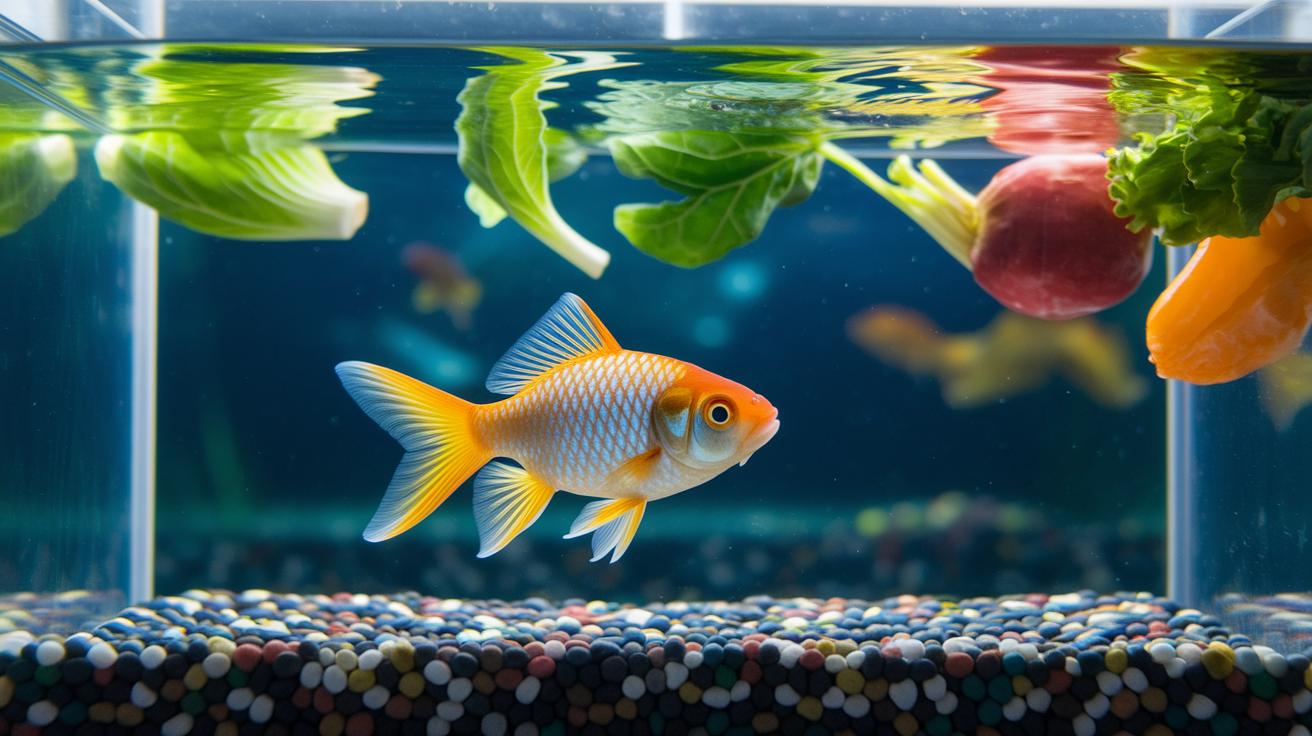
When you feed a goldfish too much, it can lead to problems like constipation and swim bladder issues. Using floating flakes too often might make them gulp air at the surface, and depending on foods that lack enough fiber can stress their little bodies. It’s easy to miss the importance of including veggies like peas and leafy greens, which help the fish digest their food smoothly. Plus, when extra food is left floating around, it can ruin the water quality, making the tank a less happy home.
Keeping a balanced menu is the key to a healthy gut and a joyful goldfish. A good tip is to offer just enough food that they can finish in two to three minutes, which helps avoid waste and keeps the tank cleaner. Doing small water changes after feeding can also help keep the water clear and reduce the chances of tummy troubles. Watch how your fish eat and move around; any changes might mean it’s time to tweak their diet. By focusing on the right portions and a fiber-packed diet, you help your goldfish stay cheerful and healthy.
Final Words
In the action, we covered key points for a balanced goldfish diet. We looked at food types, timing tips, and how to choose between commercial and homemade meals. Each section explained how to use flakes, sinking pellets, and live feed to keep your tank vibrant. There’s plenty of advice on portion control and scheduling to help your aquatic friends thrive. With this guide, you have a clear path to a healthy and lively goldfish diet. Enjoy setting up your wonderful underwater scene!
FAQ
What is the best diet for a goldfish?
The best diet for a goldfish means offering a mix of flake, pellet, gel, fresh vegetable, and live or frozen prey that mimics its wild feeding habits, promoting healthy growth and vibrant colors.
What is a goldfish’s natural diet?
A goldfish’s natural diet in the wild includes small insects, algae, crustaceans, and plant matter, which helps guide proper feeding choices to support overall well-being.
How should I follow a goldfish diet chart?
A goldfish diet chart advises balancing commercial foods with fresh ingredients, varying meals and feeding only what they finish in two to three minutes to reduce waste and maintain water quality.
How many flakes should I feed my goldfish?
Feeding flakes means giving just enough for your goldfish to finish in a couple of minutes—typically a pinch per fish—to avoid overfeeding and keep the tank clean.
Is it better to use pellets or flakes for my goldfish?
Choosing between pellets and flakes depends on the type; common goldfish do well with flakes while fancy varieties benefit from sinking pellets that help minimize air gulping.
Can I provide homemade food for my goldfish?
Homemade food recipes work well by mixing gel bases with sinking pellets, vegetables, or spirulina, offering a nutrient-rich option that complements a balanced goldfish diet.
What foods should goldfish avoid?
Goldfish should avoid human foods like bread, processed snacks, and anything greasy or seasoned, since these can harm digestion and negatively impact water quality.
How does a balanced diet affect goldfish lifespan?
A balanced diet that combines commercial and fresh foods supports a healthy digestive system, which in turn can extend a goldfish’s lifespan and keep them active and bright.