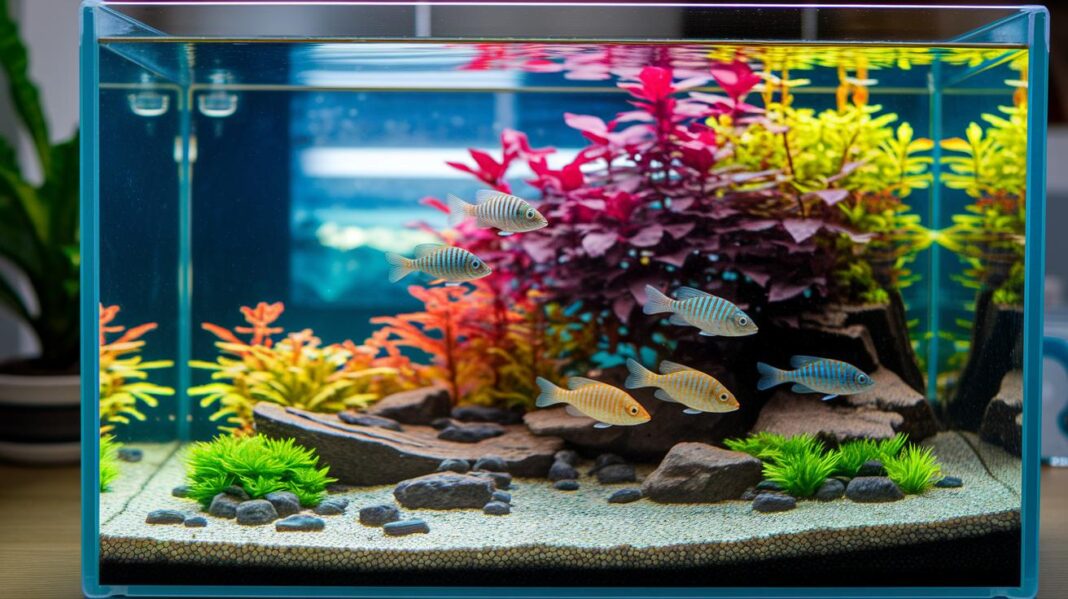

Have you ever wondered if giving your fish just a little extra food might do them more harm than good? Even small changes in how much you feed them can make a big splash in their health, sort of like adding too much spice to your favorite dish.
When it comes to keeping your aquatic friends happy, finding the right balance is key. Think of it like setting the perfect sail that lets your fish glide effortlessly through their tank. In this chat, I'll share some friendly tips to help you serve up just the right amount of food so your fish can enjoy a lively and thriving home.
Fish Feeding Guidelines: Determining Proper Amounts for Aquarium Species
Most fish do best with one meal each day, though giving them two small meals can make them extra lively. You might find it interesting that even tiny changes in habits can lead to big shifts, kind of like when Marie Curie once carried radioactive test tubes in her pockets without knowing the risks. It reminds us that small routine changes, like how we feed our fish, can really make a difference.
A simple rule to follow is to only give your fish as much food as they can finish in about 2 to 3 minutes. Start by letting them eat for just one minute and slowly increase the time. This helps you figure out the right amount because fish usually need about 16 to 24 hours to finish digesting one meal. So, feeding them too often might not be a good idea.
Adult fish usually do well on one meal a day. In fact, some can even go a week without eating, depending on their size, how fast they burn energy, and the water temperature. On the other hand, baby fish and young species need to eat almost all the time. Even within the same group, some fish might gobble up their food faster than others.
The key is to match the feeding schedule to what your fish really need. Watching how eagerly they devour their meals will help you decide if you need to adjust amounts. Regular, careful observation, along with small changes, keeps your fish healthy and helps maintain a clean, balanced tank.
Scheduled Feeding Routines for Tanks: How Often and How Much
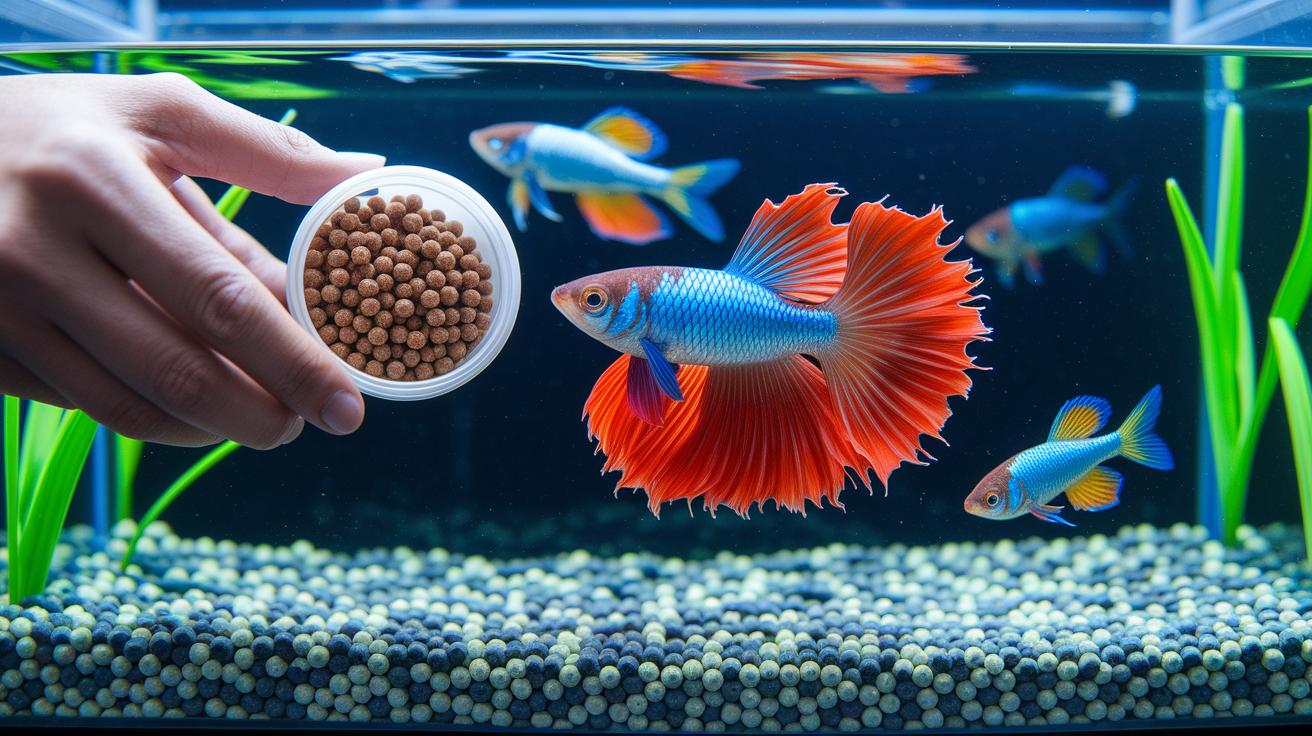
Adult fish usually only need one meal each day, while growing fish or slow grazers do well with a few small meals or a long-lasting gel food that keeps them fed steadily. Some fish keepers let their tank mates nibble until every bit of food is gone in about five minutes.
Others prefer a quick feeding burst, sometimes just 30 seconds. I once saw my betta gobble up pellets in no time, and that short window really helps avoid overfeeding.
Feeding your fish at the same times every day, like in the morning or at dusk, helps them get into a healthy routine. This regular schedule not only makes meal time easier but also helps you notice if there's too much food left over or any water quality issues.
If you spot extra food or murky water, try shortening or adjusting the feeding period. Starting with a brief session and slowly extending it until you strike the right balance can keep your tank in top shape without leaving too many leftovers.
Portion Sizes for Common Aquarium Fish Species
Betta fish usually enjoy 2 to 3 pellets per meal or a small pinch of flakes. This tiny serving fits perfectly with their little appetites. Koi, on the other hand, need about 1% of their body weight each day. They do best when fed 2 to 3 times so they can digest slowly and keep the water clear. Guppies only require 1 to 2 flakes daily, which is just enough to keep them happy without turning the tank into a mess.
For smaller tetras and mollies, aim to give them just what they can finish in about two minutes. This quick mealtime helps prevent extra food from clouding the water later. And while these tips are a good starting point, keep a close eye on your fish. You might see a betta quickly gobbling up each pellet like a little treat, or notice koi taking their time with every bite so nothing goes to waste.
These guidelines are flexible. If you spot changes in your fish's appetite or if the water quality shifts, feel free to tweak the portions. Watching them closely, you can adjust their meals just right for each aquatic friend.
| Species | Typical Portion | Feeding Frequency |
|---|---|---|
| Betta | 2–3 pellets | Once or twice daily |
| Koi | 1% body weight | 2–3 times daily |
| Guppy | 1–2 flakes | Once daily |
| Tetras/Mollies | 5–7 flakes | Once or twice daily |
Measuring and Administering Fish Feed Accurately
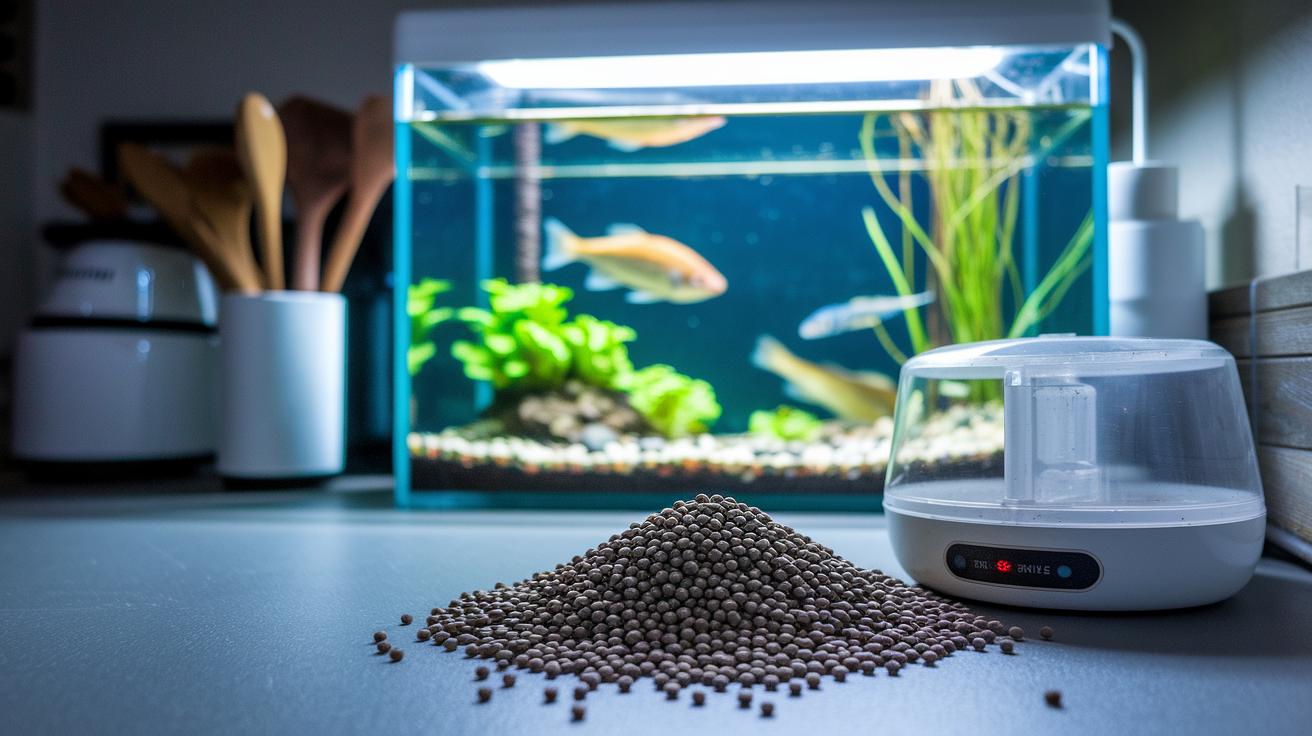
Getting the right portions in your tank is all about careful measuring. We rely on tiny, calibrated spoons and special dispensers to drop just the right number of pellets or flakes. This careful approach helps keep leftovers low, water clear, and stops any fuzzy fungus from making an appearance. Too much food might spike ammonia, while too little can leave your fish looking a bit underfed.
Automatic feeders are a real treat when you're on vacation or when tiny fry and slow grazers need regular, small meals. They bring a steady rhythm to feeding time, so every fish gets its share without the hassle of manual timing.
Taking a moment for accurate measuring can really boost your aquarium's health. A bit of extra care prevents waste and keeps the water sparkling clean, almost like fine-tuning the inner workings of your little water world.
| Tool |
|---|
| Micro-spoons for pellet dosing |
| Flake scoop spoons |
| Automatic timed feeders |
| Kitchen scale for bulk feeds |
| Gel food molds for multiple small meals |
These handy tools give you a simple way to serve measured portions, making feeding time efficient and really good for your aquatic buddies.
how much to feed fish: Keep fish thriving
Watching your fish is like reading the gentle ripples on a pond, it tells you if they’re getting just the right meal. When your fish have a puffy tummy, there's extra waste, or bits of food float around, it might mean they're eating too much. You might also see a bit of foam on the water's surface or notice the water looking cloudy. Simple water tests could even hint at high levels of ammonia, nitrite, or nitrate, all signs that the balance is off.
On the other hand, a lean body, a droopy tummy, or faded colors might mean your fish aren’t getting enough nourishment. Sometimes, this lack of food can even lead to tiny critters like parasites causing trouble on the inside.
Here’s a quick guide to help you spot the balance:
-
Overfeeding indicators:
- Puffy belly
- Extra waste
- Leftover food drifting around
- A rise in algae and snails
-
Underfeeding indicators:
- A slim build
- Droopy tummy
- Dull colors
- Possible signs of internal parasites
Keep an eye on these clues, and don’t forget to check your water quality. Try offering only what your fish can gobble up in a couple of minutes. This way, you help keep your aquarium as clear as a calm lagoon and your finned friends happy.
Adjusting Fish Feeding Amounts Based on Variables
When water dips below 60°F, your fish slow down a lot, so it’s smart to feed them about half of what they usually get. But when your tank feels like a warm tropical getaway at 75–80°F, they can stick with their normal portions. I always recommend checking the room temperature, it really helps decide how much food your finned pals need.
Tiny fish like fry and nano species are extra sensitive. They do best with 3 to 5 little meals spread through the day. An automatic feeder can keep their meals steady, saving you time and making sure they get the regular nourishment needed for healthy growth.
Sometimes young fish have those exciting growth spurts when they need a bit more food for a week or two. During these times, you can gently bump up their portions before slowly easing back to the usual amount once their growth levels off. Watching their behavior and the tank’s temperature closely is key to keeping everything in perfect balance.
By keeping an eye on your aquarium’s conditions and your fish’s moods, you can easily adjust their feeding and help your aquatic friends thrive every day.
Final Words
In the action, we reviewed meal planning for fish, from choosing the right portion sizes to using simple tools for clear measurements. We touched on building regular feeding routines and spotting when fish get too much or too little food. A bright underwater home takes care and patience. Next time you ask how much to feed fish, keep these tips in mind for a healthy and thriving tank. Enjoy the calm, watching your fish glide gracefully through their world.
FAQ
How much should I feed fish per day?
The fish feeding amount depends on their species, but a common rule is to give only what the fish can finish in 2–3 minutes per meal—typically one meal daily for most adult fish.
What is the best time to feed fish?
The best time to feed fish is when the water is calm, like early morning or dusk, helping your fish relax and anticipate feeding in a calm atmosphere.
How many times should fish be fed in an aquarium?
Adult fish usually do well with one meal per day, while fry or species that graze might require several small meals spread throughout the day to keep them active.
How do I measure how much to feed fish in a tank?
Using a feeding chart or calculator helps determine the right portion based on species and size. Stick to the rule of feeding only what can be consumed in 2–3 minutes to keep water quality intact.
How many pellets should I feed my fish per day?
Portion sizes vary by species; for example, bettas generally get 2–3 pellets per meal. Adjust the number based on your fish’s appetite and the remaining food after each feeding.
How can I tell if my fish are hungry?
Hungry fish show their hunger by actively swimming near the feeding area and foraging for food. Observing their behavior helps you adjust the portions and feeding times.
Can you overfeed fish in a fish tank?
Overfeeding fish can lead to leftover food, which harms water quality and fish health. It’s best to offer only what they can eat in a few minutes to avoid potential issues.