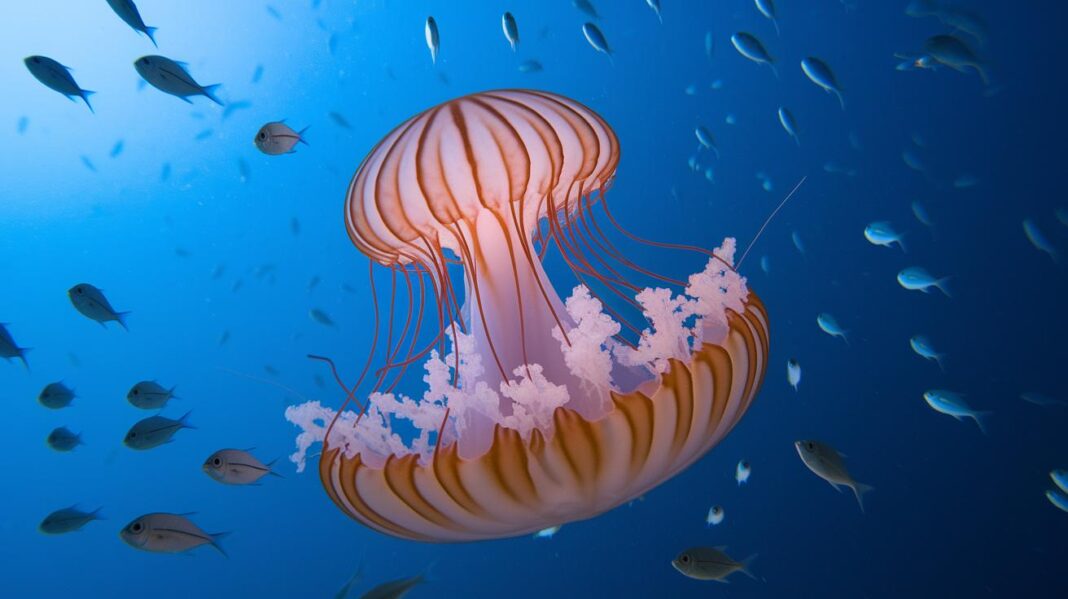

Have you ever wondered how creatures survive where no light can be seen? Down in the deep sea, animals have learned clever ways to find food and stay safe even when it's pitch dark. Their natural glow and strong bodies work like a handy set of tools that help them beat the heavy pressure and chilly water.
In this post, we explore how these amazing sea creatures handle life in one of the toughest places on Earth. Get ready to be inspired by just how smart and resourceful deep sea life can be.
Deep Sea Creatures: Adaptations, Habitats, and Behaviors
Deep sea creatures live in a realm where light is a rare visitor and the pressure can feel like a heavy hug. These animals make their home in spots like the Twilight zone (200–1,000 m), the dark Midnight or Bathypelagic zone (1,000–4,000 m), and the mysterious Abyss (4,000–6,000 m). Imagine a little fish glowing like a tiny flashlight to lure in its dinner in the pitch-black dark, a real wonder of nature. If you’re curious about how animals adapt to tough environments, you might want to check out more details on that topic.
Living where the pressure is intense and darkness never leaves, these underwater marvels have come up with some truly clever survival tricks. Their body designs, from lights that flash like stars to ultra-sensitive feelers that pick up the slightest ripple, show just how determined life can be. It’s as if nature has its own workshop, crafting each creature to stand strong in a world where every water droplet counts.
| Survival Strategy | Description |
|---|---|
| Bioluminescence | Using light to hunt, find mates, or hide by blending with the faint glow around them. |
| Pressure-Resistant Membranes | Special layers that shield their soft tissues from crushing pressure. |
| Reduced Metabolism | A slower energy pace to handle a world where food is scarce. |
| Enhanced Sensory Organs | Super-sensitive features that detect even the smallest vibration, like a whisper in the deep. |
| Specialized Skin and Body Structures | Unique adaptations that protect them against the icy cold. |
| Hydrothermal Vent Adaptations | Abilities to live near vents, using chemosynthesis, turning chemicals into energy. |
It’s amazing to see how these adaptations not only help deep sea species survive, but let them flourish in such a secretive and extreme underwater world. Every detail, from glowing lures to tough membranes, is a reminder of nature’s brilliant design, thriving even in the darkest corners of the ocean.
Deep Sea Zones and the Creatures Within
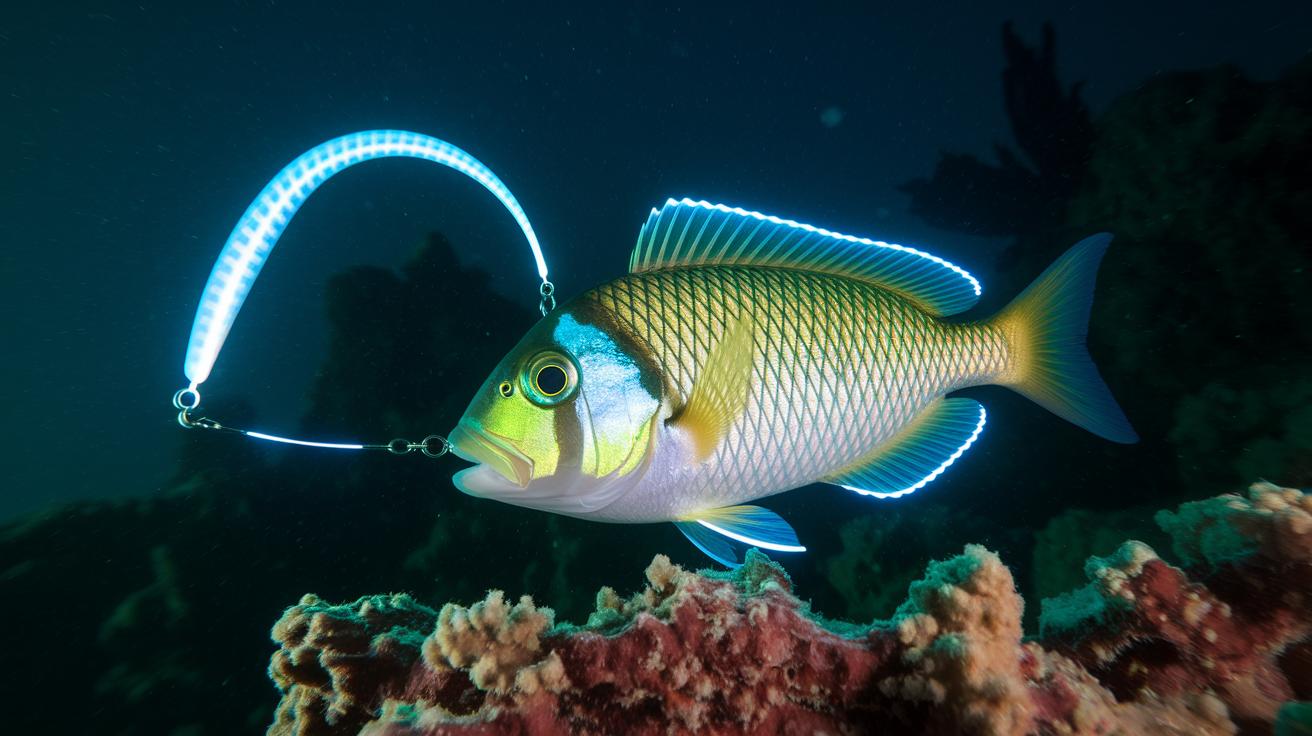
In the Twilight Zone, a tiny bit of light seeps down from above, giving just enough brightness for glowing fish and tiny krill to appear. As you go deeper, the water gets cooler, which gently shapes the lives of its residents. Lanternfish and hatchetfish use their natural glow to send light pulses, almost like secret signals in the dark. Even the smallest sparkle helps these creatures navigate the mysterious shadows, making every shimmer a quiet tale of survival.
When you dive into the Midnight Zone, sunlight is completely gone, and the pressure feels almost unreal. In this deep, dark world, creatures depend on little bursts of light to either lure in their dinner or confuse any possible threats. For example, angler fish have evolved special lures that shine briefly, while others like the vampire squid have unique features to deal with the heavy water pressure. Here, it isn’t about bright colors, but about smart tricks and glowing signals to hunt and survive in a place where light is just a distant memory.
Down in the Abyssal Zone, the water is nearly freezing and stays the same all the time. Life here, like giant isopods and amphipods, moves slowly yet steadily through the crushing depths. The cold and steady waters force these creatures to save energy and protect their important body parts from the intense pressure. In this deep, quiet world, every little movement counts, creating a calm and thoughtful community hidden in the darkness.
Deep Sea Creatures: Stunning Insights Unfold
Down in the deep blue, life finds clever ways to shine even where hardly any light reaches. These unique sea dwellers bring bursts of color and wonder to a place where darkness usually rules. Each creature has its own special trick, like a glowing lure that calls in a meal or a nifty defense that keeps danger at bay. Over countless years, nature has mixed just the right ingredients for them to thrive in chilly, high-pressure waters.
Next, we've gathered a quick guide on five deep sea residents that show off the creativity and determination of life beneath the waves.
| Species | Depth Range | Key Adaptation | Habitat |
|---|---|---|---|
| Angler fish | 1,000–4,000 m | Bioluminescent lure | Dark midwater |
| Vampire squid | 600–900 m | Bioluminescent mucus expulsion | Oxygen-minimum zones |
| Viper fish | 1,000–4,000 m | Lighted dorsal spines and oversized teeth | Deep midwater |
| Colossal squid | Midwater depths | Swiveling hooks on tentacles | Open ocean |
| Goblin shark | 300–1,200 m | Protrusible jaw, translucent skin | Continental slopes |
Deep Sea Bioluminescent Creatures and Phenomena

Deep beneath the waves, many creatures produce a magical glow. This wonder comes from special light organs in their bodies or sometimes even from friendly bacteria that work alongside them. Often, a mix of natural proteins and oxygen creates a quick flash, almost like a tiny underwater sparkler lighting up the dark. Imagine a deep-sea fish that suddenly glows, lighting its path like a secret beacon in a vast, mysterious world.
These natural light shows act like a secret language for survival. Some animals use a steady glow to blend in with the faint light from above, a clever trick known as counter-illumination camouflage. Others send out quick signals to attract a mate or lure hungry prey closer. And when danger strikes, a sudden burst of light can confuse a predator long enough for a hasty escape.
Take the angler fish, for example, with its glowing lure that draws in prey. Then there’s the hatchetfish, whose shimmering underside mirrors the faint light above, and the deep-sea jellyfish that flashes suddenly to ward off threats. Each of these light displays shows how nature blends biology and chemistry to help creatures attract food, find mates, or evade danger in their own unique way.
Hydrothermal Vent Communities: Deep Sea Creatures at Extreme Conditions
Deep below the ocean’s surface, hidden vents gush out water filled with minerals and heat that reaches almost 350°C. Instead of relying on sunlight, these wild spots use chemosynthesis, where special bacteria turn chemicals like hydrogen sulfide into food. Imagine a secret underwater power station where extreme heat and rare minerals come together to fuel an amazing ecosystem.
One of the most fascinating residents is Riftia pachyptila, the giant tubeworm. This creature doesn’t have a normal stomach or gut. Instead, it teams up with bacteria inside its body that change toxic fluids into the nourishment it needs to survive. Around the vents, you’ll also spot vent shrimp, vent crabs, and tube snails nibbling on microbial mats. Each one plays an important part in turning a harsh, unusual place into a bustling underwater community.
It’s really incredible how these creatures have adapted to such extreme conditions. They’ve developed special enzymes that stand up to high temperatures and unique gill structures that handle chemically charged water. Many even come with tough exoskeletons to protect them from the searing heat and crushing pressure. It’s like nature’s very own survival guide, showing us that life can thrive even in the most unlikely of places.
Deep Sea Creatures Conservation and Study Initiatives

New methods in research are helping us see the ocean’s hidden wonders in a fresh light. Today, tools like remote vehicles and high-tech underwater submersibles are diving into deep trenches, sometimes more than 4,000 meters below sea level. They capture amazing images and key data from creatures we never knew existed. Ever notice how the deep ocean feels like another world? Recent trips in the Indian Ocean even revealed the mysterious Faceless Fish, a cool reminder that many secrets are still waiting under the waves.
Scientists are also using tricks like environmental DNA sampling, finding tiny clues left in the water, to learn how these deep sea animals manage under such high pressure. It’s like listening to the gentle hum of a filtration system at work, slowly revealing the map of life in remote, dark parts of the ocean. This advanced work lets us better understand the delicate dance of marine life living in these shadowy habitats.
There is a growing, worldwide push to study and protect these deep sea species. Groups like NOAA deep-sea programs and the Schmidt Ocean Institute are spending on new technology that brings hidden tales of the deep up into our world. Their work is not only about learning how these creatures live, but also about teaching us how important it is to balance our oceans.
But the deep sea isn’t without its troubles. Big challenges, like deep-sea mining, uncontrolled trawling, and even tiny bits of plastic floating into the Hadal zone, put pressure on these unique creatures. Around the world, conservation groups and research teams are keeping a close eye on these issues, working hard to guide new rules and protect these remarkable underwater communities.
Final Words
In the action, this blog explored deep sea habitats and the mind-blowing adaptations of creatures living under extreme pressure and low light conditions. We took a close look at the twilight, midnight, and abyssal zones, showcasing survival strategies and fascinating behaviors.
It also shared how bioluminescence helps deep sea creatures thrive and how vibrant underwater scenes shape their lives. The article leaves us with renewed wonder and fresh ideas for caring for aquatic life. Enjoy the marvels of deep sea creatures!
FAQ
What is a deep sea creatures book?
The deep sea creatures book offers detailed insights into ocean depths, revealing unique habitats and surprising adaptations in simple, engaging language that makes the mysteries of the deep both clear and enjoyable.
What is a deep sea creatures movie?
The deep sea creatures movie brings the hidden underwater world to life with stunning visuals and captivating narratives that showcase mysterious species and their survival in pitch-dark, high-pressure environments.
What are the biggest deep-sea creatures?
The biggest deep-sea creatures include giant squid and colossal invertebrates that have evolved to thrive under crushing pressure, displaying impressive sizes and unique adaptations essential for life in the deep.
What makes deep sea creatures seem scary?
The deep sea creatures scary look comes from unusual shapes and glowing features that evolved for survival in perpetual darkness, giving them a mysterious and sometimes eerie appearance under extreme ocean conditions.
What can I find on a deep sea creatures website?
The deep sea creatures website features vivid images, expert insights, and detailed articles that offer a friendly guide to the fascinating adaptations and lifestyles of species living in the ocean’s darkest depths.
What does deep sea creatures scroll refer to?
The deep sea creatures scroll refers to interactive digital displays or web pages that reveal fascinating facts and images about deep sea life, inviting viewers to explore the ocean’s secrets in an engaging, dynamic way.
What does a deep sea creatures photo show?
The deep sea creatures photo captures the eerie beauty and unique adaptations of species in dark waters, highlighting bioluminescent features and unusual shapes that reveal the hidden allure of the deep ocean.
Why are deep sea creatures coming to the surface?
The deep sea creatures coming to surface behavior often relates to diel vertical migration, where species move upward to feed or reproduce, momentarily exiting the extreme depths in response to environmental cues.
What creature is in the deepest ocean?
The creature in the deepest ocean is often a hadal species like certain snailfish, uniquely adapted to survive near-freezing temperatures and immense pressures found in the planet’s most mysterious, unexplored trenches.
What is the deadliest deep-sea creature?
The deadliest deep-sea creature is hard to pin down, as some venomous species and predatory fish carry potent toxins and effective defenses, making it challenging to single out one as the most dangerous.
Why are deep sea creatures coming out?
The deep sea creatures coming out behavior usually stems from the need to feed or mate; some species migrate upward temporarily when conditions change, clearly adapting their routines to the availability of resources.
What is the cutest deep-sea creature?
The cutest deep-sea creature might be a small, endearing species like a bioluminescent shrimp, whose delicate appearance and gentle glow provide a surprising touch of charm in a harsh, extreme environment.