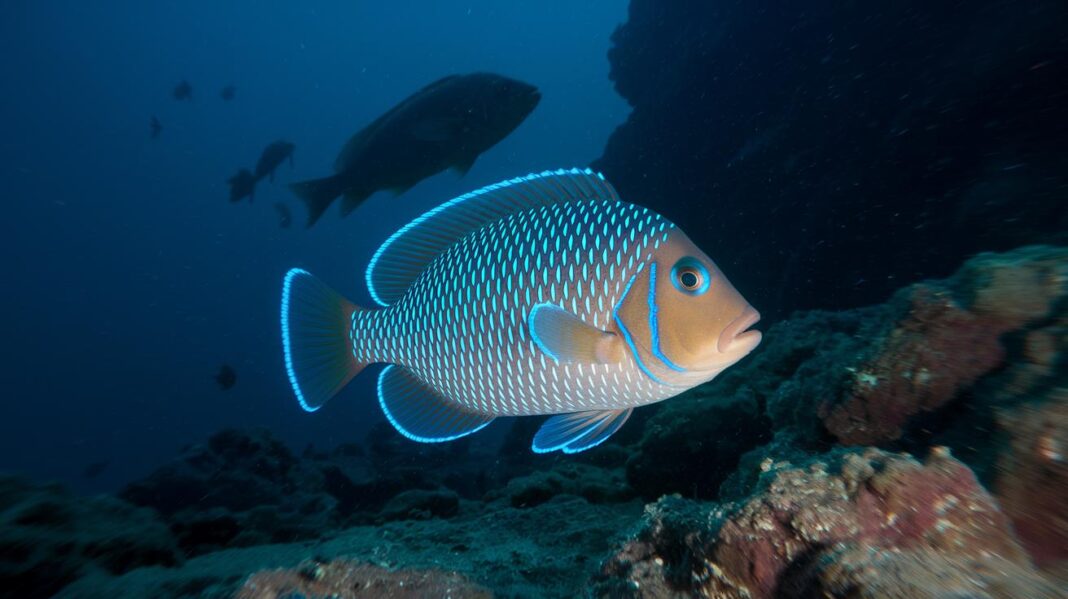

Ever wondered how some creatures thrive in an underwater world that’s almost completely dark? Deep sea fish live in areas where the water is so cold and the pressure is so strong it seems almost impossible. Many of these fish have clever tricks, like glowing softly like tiny lanterns, to help them survive the harsh chill.
It’s pretty amazing how they manage to persist in such extreme conditions. In this post, we dive into how these fish adapt to their surroundings, proving that nature always finds a way. Let’s explore their fascinating biology and uncover the secrets of their hidden world.
Abyssal Habitat Conditions and Survival Strategies
Deep below 200 meters, the ocean turns into a dark, hidden world. It’s like entering a quiet, mysterious cave where sunlight is nowhere to be found. The water pressure is so strong and the temperatures are nearly freezing that it really feels like another planet down there.
Creatures living in these deep waters have come up with smart ways to survive these tough conditions. Many of them glow in the dark, almost like they’re carrying tiny lanterns around to attract food or find a friend. Others use special proteins in their blood to keep from freezing when it’s super cold. Some even travel up and down the water layers to find spots where the temperature feels a bit friendlier.
At hydrothermal vents, there’s a whole different kind of energy going on. Here, bacteria turn chemicals into energy, forming the base of a unique food web. This process helps support a variety of life forms that are built to handle both the intense pressure and the dim light. It’s a neat reminder that even in the cold depths, life always finds a way to shine.
Key Deep Sea Fish Species Profiles
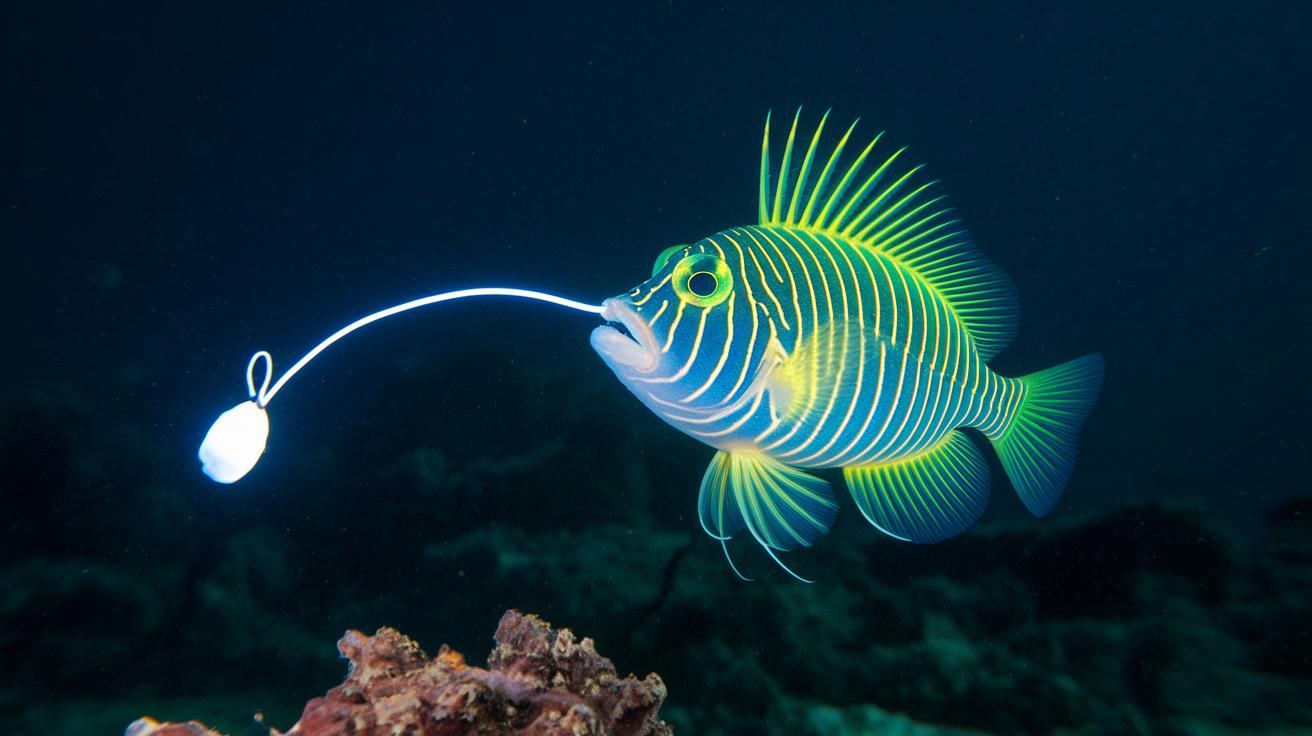
Below is a quick look at six deep sea fish that live in some of the darkest parts of our oceans. These fish show us just how clever nature can be even in the harshest places. From shallow dark waters to crazy deep spots near 7,000 meters, each fish has a cool trick to help it survive. Some use a glowing lure to attract dinner, while others have tough jaws perfect for grabbing prey in near-freezing water.
Take a peek at the table below for each fish's common name, its scientific name, the depth it lives at, and one amazing adaptation that keeps it thriving:
| Common Name | Scientific Name | Depth Range | Key Adaptation |
|---|---|---|---|
| Anglerfish | Order Lophiiformes | Approx. 200+ m | Luminous lure |
| Black Seadevil | Melanocetus spp. | Approx. 200+ m | Glowing photophores |
| Viperfish | Chauliodus spp. | Approx. 200+ m | Fang-like teeth |
| Mariana Snailfish | Pseudoliparis swirei | 600–8,000 m | Pressure-tolerant body |
| Rattail Fish | Coryphaenoides yaquinae | Up to 7,012 m | Efficient benthic foraging |
| Orange Roughy | Hoplostethus atlanticus | 180–1,800 m | Slow growth & longevity |
Each fish shows us that even in the deep, dark corners of the ocean, life finds a way. Their traits, whether a glowing light or a sturdy body, remind us of nature's creativity and strength. Isn't it amazing how these fish adapt to their mysterious underwater world?
Feeding Strategies and Food Web Dynamics of Deep Sea Fish
Deep sea fish live in a world where energy is scarce and comes from surprising places. They mainly get their fuel from decaying organic material that drifts down from sunlit waters, along with the special energy produced by chemosynthetic processes at underwater vents. In this dark and quiet part of the ocean, every fish has come up with its own clever way to hunt and make every bite count. It’s like watching a community of aquatic friends all finding their niche to keep the balance of life.
Below are five major feeding strategies that help these mysterious fish not just survive, but truly thrive:
- Anglerfish use a glowing lure to attract prey, letting their little light work its magic even in total darkness.
- Viperfish have sharp, fang-like teeth that help them catch fast or tricky prey, snapping them up just when needed.
- Rattails wander along the ocean floor, scavenging for invertebrates and vital nutrients hidden in the sandy depths.
- Some fish rely on chemosynthetic production at vents, where special bacteria turn chemicals into a powerful source of energy.
- Vertical migrators switch between different water layers from day to night, always searching for the best bits of food available.
These diverse feeding tactics not only help each species get the energy they need, but also keep the deep pelagic food web balanced, like the gentle ripple of water that sustains a vibrant underwater world.
Morphological and Sensory Adaptations in Deep Sea Fish
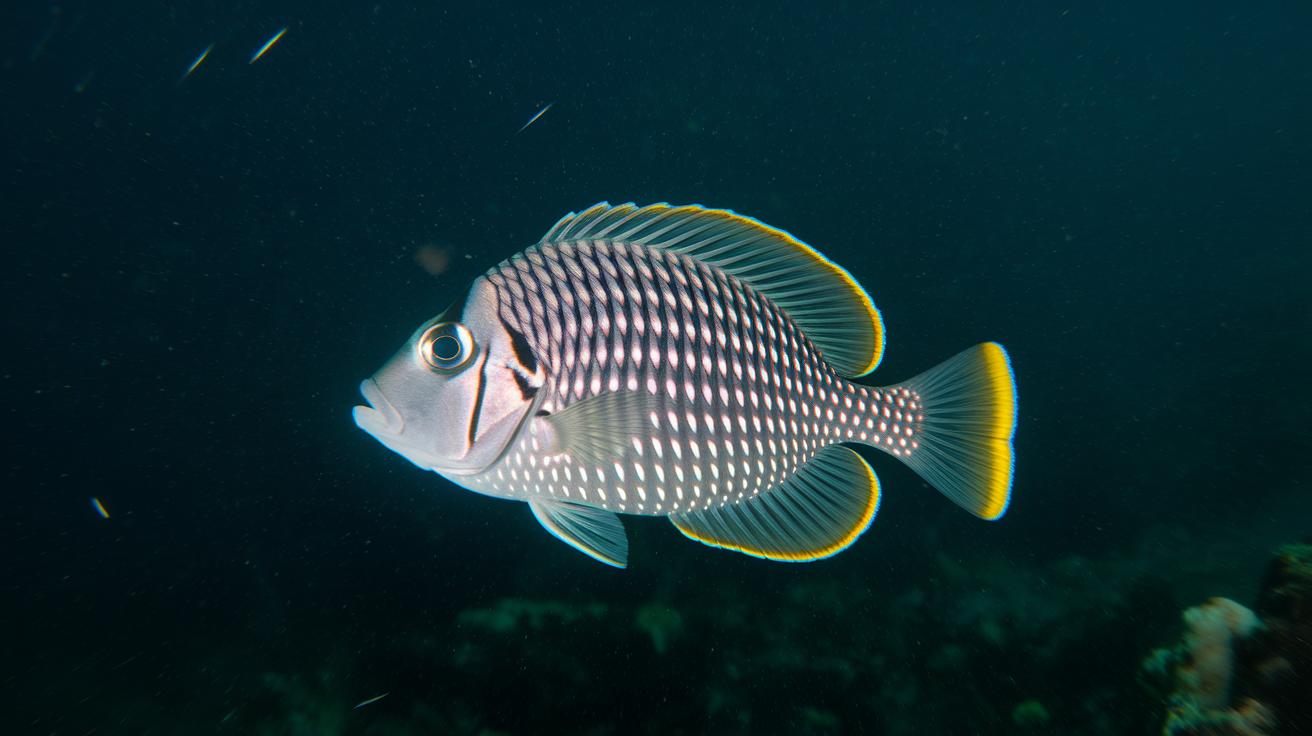
Deep sea fish have tiny light bulbs in their bodies called photophores. They use these natural flashlights to send signals and lure prey in the deep, dark waters. Sometimes the glimmers from these lights help the fish blend in with the soft glow around them, and other times they act like a trick to confuse an unsuspecting meal. For more ideas on how animals fit into their surroundings, check out this link: how do animals adapt to the environment.
To keep their blood from freezing in near-ice water, these fish make special proteins that work like an underwater heater. These antifreeze proteins stop sharp ice crystals from forming, which lets the fish stay active even when the water gets very cold.
Many deep sea fish have evolved big eyes filled with rod cells that can catch the tiniest bit of light, making it easier to notice even small movements. They also have a super-sensitive lateral line that picks up little ripples in the water, helping them sense other creatures nearby like a gentle whisper in a still pond.
Another neat trick is their expandable jaws with fang-like teeth. In a world where food is hard to find, these jaws open wide to grab any chance for a meal with one swift bite, ensuring every rare feeding moment is taken full advantage of.
Fisheries Impact and Conservation of Deep Sea Fish
Overfishing has hit our deep sea fish hard. For instance, the orange roughy used to be everywhere, but because they take a long time to grow and reproduce, their numbers dropped a lot starting back in the 1970s. Some fish, like Coryphaenoides rupestris, are caught for their prized white fillets, while many other species end up being discarded. And with black scabbardfish moving around every season, it makes it even harder to keep a steady count.
Some fishers and managers are now trying a smarter approach. They’re exploring better ways to harvest deep sea fish that don’t take too many at once, much like learning how to change the water gently in your favorite tank. These new methods let us enjoy the benefits of the ocean while still giving our deep sea friends a chance to thrive.
Meanwhile, researchers are diving deep into how to protect life in the darkest parts of the ocean. They’re watching how fish grow and reproduce, and testing new ideas to keep these fragile habitats safe, all while still letting us use the ocean’s resources a bit, like finding a balance between catching dinner and preserving the magic of the deep.
Technological Advances in Deep Sea Fish Exploration and Imaging
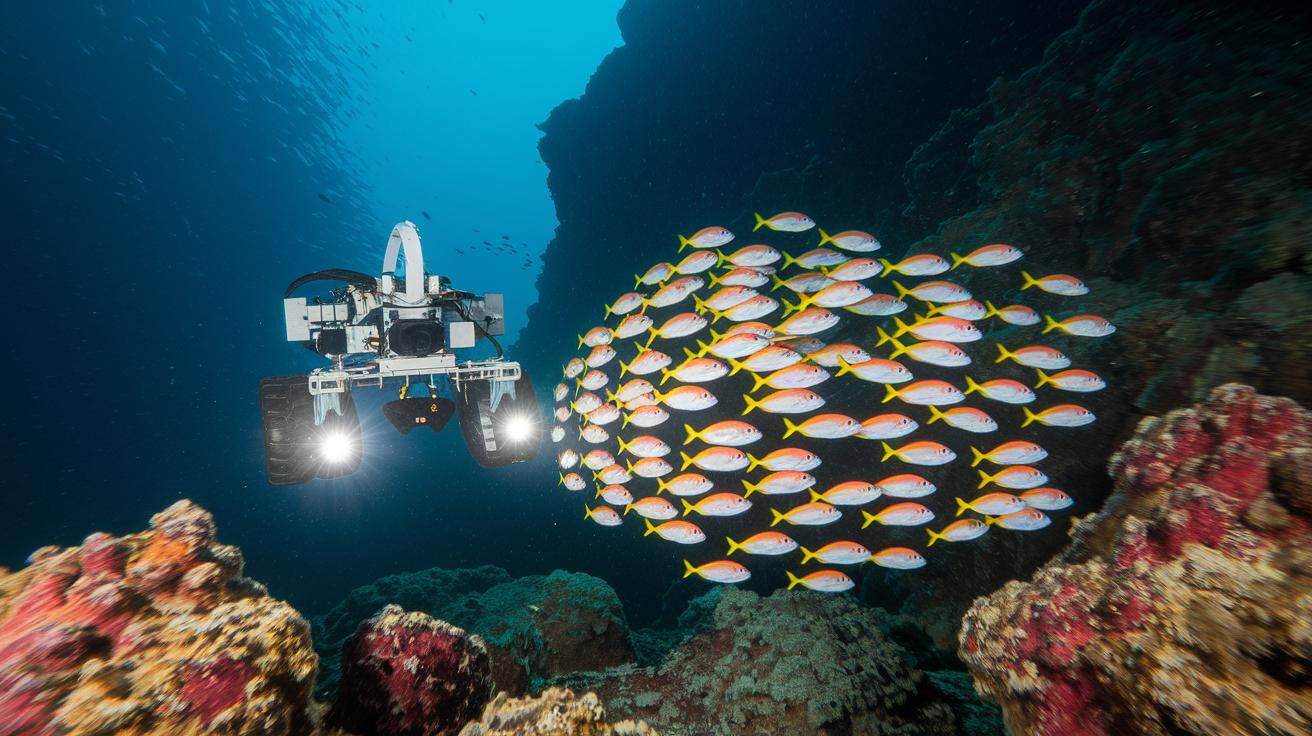
New tools for exploring the ocean have sure changed how we see deep sea fish. With gadgets like Remotely Operated Vehicles (ROVs) and Autonomous Underwater Vehicles (AUVs), we now map hidden trenches with care, almost like unveiling secret paths in the underwater garden. Scientists even use manned submersibles to watch fish in their natural home at depths over 7,000 m, getting a real-time peek into life down below. High-resolution cameras catch shy species that seem to melt into darkness, while tools like multi-beam sonar and CTD sensors (which just means they check things like water pressure and salt levels) show us the detailed picture of the ocean floor. It’s like having a tiny window into a magical underwater world.
These imaging methods have completely changed our view of life down deep. Recent expeditions come with video clips and sketches that bring that secret world right to our screens. Mixing all these high-tech exploration tools has turned a mysterious, shadowy ocean into a bubbling scene full of life and surprises. For example, finding a rare moment of a fish in mid-hunt with a sharp camera reminds us that every dark corner of the ocean hides a story just waiting to be told. And as these clever techniques keep improving, they not only boost our science smarts but also help us appreciate the amazing tricks these fish use to thrive in one of Earth’s most extreme worlds.
Final Words
In the action, we examined underwater extremes, from dark, pressure-filled depths to the unique survival tricks of aquatic life. We shared key glances at species profiles, feeding methods, and sensory adaptations, all while touching on conservation challenges and new technology in marine exploration.
This clear look into the underwater world reminds us how awe-inspiring and resourceful nature can be. Keep exploring with curiosity and care for your aquatic pets, especially when learning more about deep sea fish.
FAQ
Q: What are some common deep-sea fish names and where can I see their images?
A: The common deep-sea fish names include anglerfish, black seadevil, viperfish, Mariana snailfish, rattail fish, and orange roughy. Pictures of these species highlight their unique adaptations in dark, high-pressure waters.
Q: What deep sea fish are typically eaten?
A: Deep sea fish, like the orange roughy and rattail, are eaten for their distinct textures. Their consumption is often limited by careful regulations to help protect these slow-growing species.
Q: What does deep sea fish stardew refer to?
A: Deep sea fish stardew refers to special deep-water species featured in games such as Stardew Valley. In the game, players can catch these fish, adding an extra layer of challenge and excitement.
Q: Why is the oarfish sometimes called a doomsday fish?
A: The oarfish earns its doomsday fish label due to its enormous length and unusual look. Rare sightings of this creature have sparked superstitions about it signaling impending disasters.
Q: What fish are typically caught during deep-sea fishing?
A: Deep-sea fishing often lands fish like black scabbardfish and various deep-water groupers. These catches are prized for their firm textures and flavors, making them popular among adventurous seafood lovers.
Q: What is considered the rarest deep-sea fish?
A: The rarest deep-sea fish are those like the Mariana snailfish, which live at extreme depths. Their unique adaptations and slim population numbers make them elusive finds in the deep ocean.
Q: What are examples of other deep sea creatures?
A: Other deep sea creatures include various cephalopods, crustaceans, and invertebrates. These animals all possess intriguing traits, such as bioluminescence, that allow them to thrive in pitch-black, high-pressure environments.