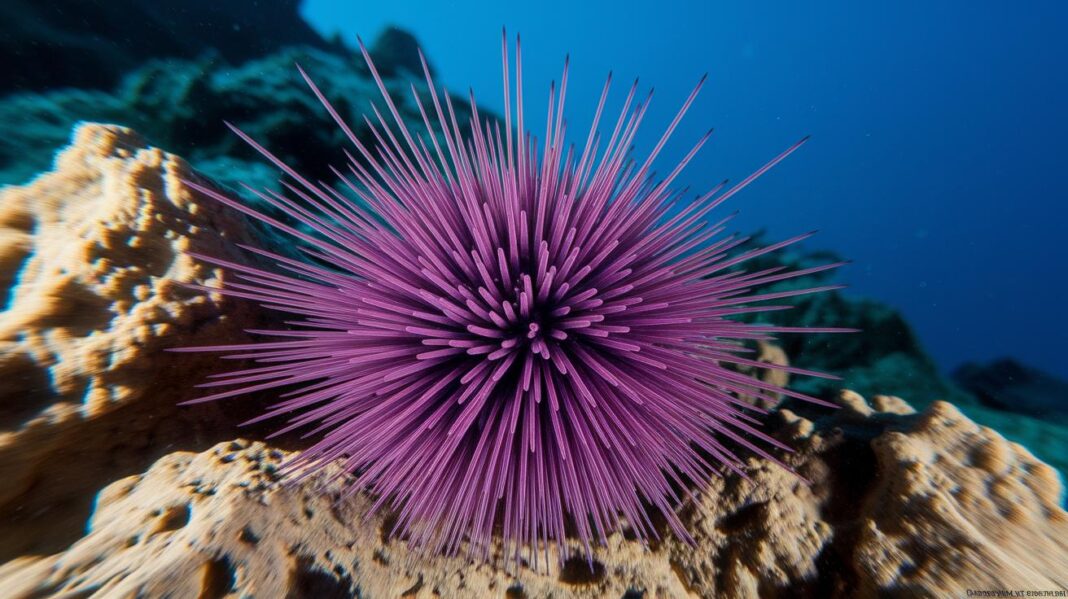

Ever wonder how a spiky little critter can hide soft secrets beneath its tough look? Sea urchins surprise us by turning first impressions on their head with a design that’s both bold and clever. Their hard, orange shells work like a trusty shield, while their tiny tube feet let them glide around and forage with ease.
In this post, we dive into the simple yet amazing design of these ocean friends. It’s a real mix of strength and gentleness that makes sea urchins a delightful surprise in our watery world.
Comprehensive Biology Overview of Sea Urchin
Sea urchins are part of the amazing echinoderm family. They share their watery world with sea stars, sand dollars, sea lilies, and even sea cucumbers. You might notice they all show off a pattern that spreads out from the center, a neat trick that helps them thrive underwater. And even though these creatures might seem all spiky on the outside, there’s a soft, working inner side that balances their tough shell.
Their body is shielded by a hard outer layer called a test. Imagine it as ten pieces of an orange pie fused together, with small holes that let tiny tube feet extend for moving and grabbing food. This shell, usually about three to four inches across, mixes strength with fine details needed for sticking to surfaces and gliding along the ocean floor.
Scientists dive into the study of sea urchins by looking at their detailed names and body structures. This careful examination helps us understand how these fascinating animals adapt and evolve. It’s like putting together a colorful underwater puzzle that shows how each piece of marine life connects to create the big picture of our ocean world.
Key Anatomical Features of the Sea Urchin: Test, Spines, and Tube Feet
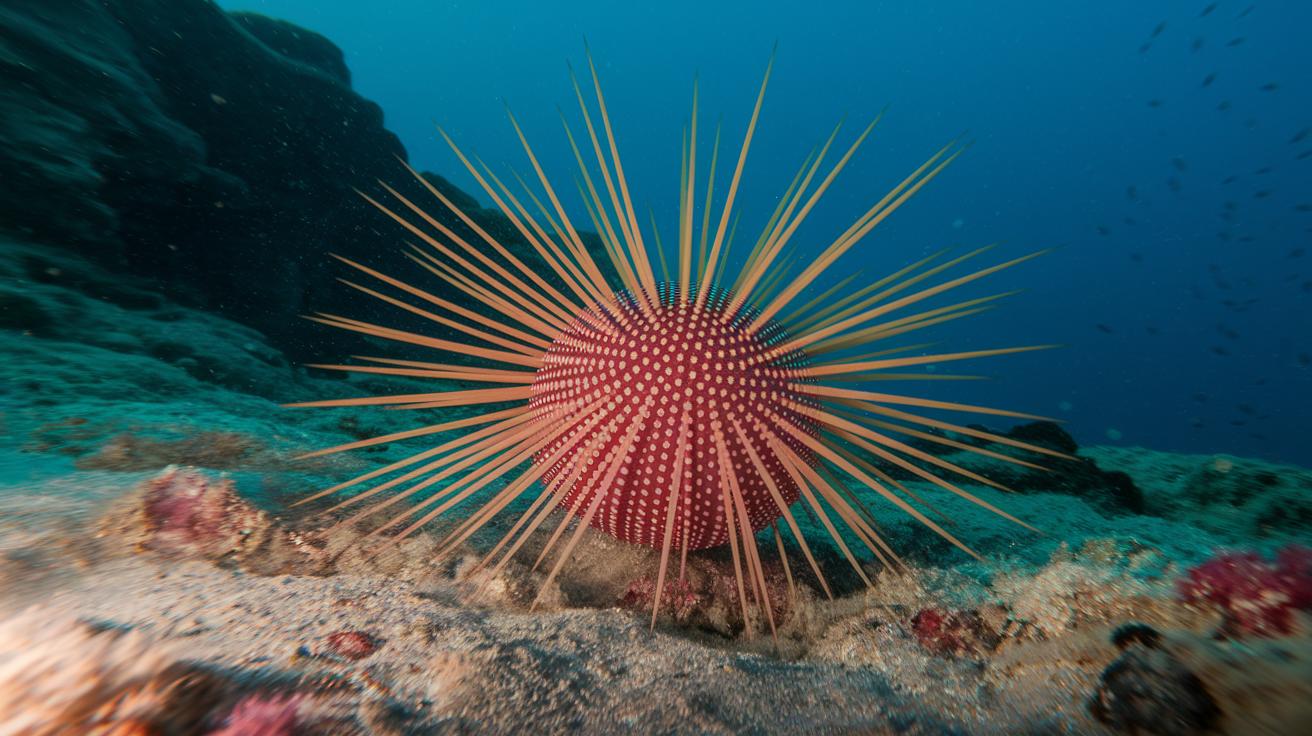
The sea urchin is a real wonder of nature. Its shell, called the test, is built from ten hard plates that fit together like the segments of an orange. This clever design works like a little fortress, protecting the urchin from predators while giving it that iconic round shape.
Small holes go through the test in a neat alternating pattern, letting the tube feet stick out. These tube feet are like tiny, flexible arms powered by a water-filled system that works a bit like muscles. They help the sea urchin hold on to rocks, move around, and even grab snacks, imagine a little explorer gently sticking to a rocky surface.
Decorating its surface are tiny, pincer-like tools called pedicellaria. They act as nature’s cleanup crew, keeping debris and pesky parasites away so the urchin can stay safe and sound.
Under the sturdy shell, the creature is equipped with amazing survival tools. Its spines stick out and are connected by joint-like ligaments, doing double duty by defending the urchin and helping it move about. Deep inside, there’s a unique chewing mechanism known as Aristotle’s lantern. This is like a set of five small teeth that scrape algae off rocks, turning tough food into nourishment. Every part of the sea urchin comes together perfectly, much like a tiny underwater machine built to thrive in its watery world.
| Feature | Structure | Function |
|---|---|---|
| Test | Ten fused calcareous plates arranged like orange slices | Protection and structural support |
| Tube Feet | Flexible, tubular appendages extended via water vascular system | Movement, feeding, and adhesion |
| Spines | Jointed structures attached by ball-and-socket ligaments | Defense and locomotion |
| Water Vascular System | Network of fluid-filled canals | Controls tube feet movement |
| Aristotle’s Lantern | Internal jaw apparatus with five teeth | Scrapes algae from surfaces |
Habitat Distribution and Ecological Role of Sea Urchin
Sea urchins love the cool, off-shore waters where they can find a peaceful hideaway. In New England, you'll often spot the green sea urchin among the tide pools and just below the water's surface. These spiky creatures shy away from bright sunlight, preferring shadowy nooks like crevices, shaded reef corners, or the shelter under overhanging rocks. They pick spots with rocky outcrops or sandy bottoms scattered with little hideouts, ensuring they stay safe from the sun’s glare.
Down in their watery homes, sea urchins play a truly important role in nature. They nibble on algae, which helps control the growth of seaweed in kelp forests. This keeps the underwater gardens healthy and stops any one plant from taking over. But if their numbers go up too much, they can create urchin barrens, stark areas where few plants survive. Thankfully, predators such as sea otters, wolf eels, and various fish keep their population in check, making sure the food web stays balanced.
For a deeper dive into how these underwater interactions shape nature, you might want to explore more insights on the animal environment.
Feeding Habits and Behavioral Patterns of Sea Urchin
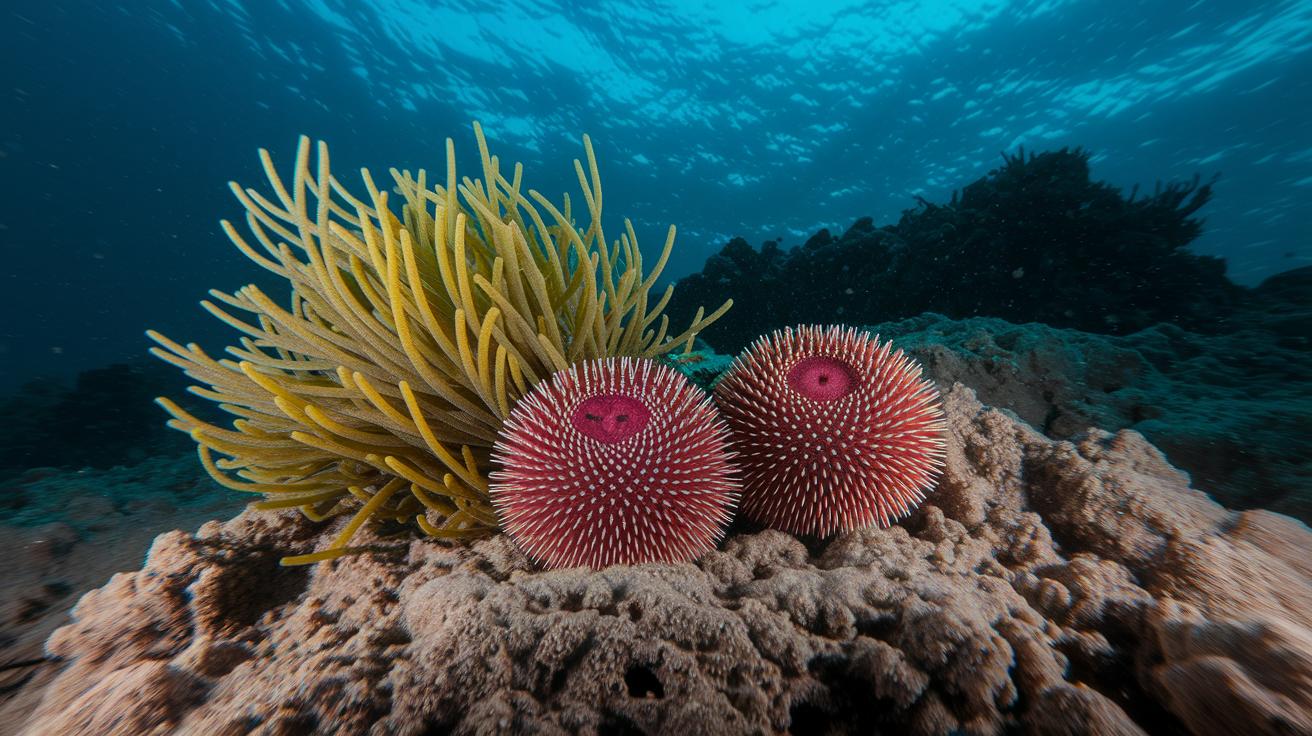
Sea urchins spend their time gently nibbling on sea plants like macroalgae and kelp. They use their special internal jaw, known as Aristotle’s lantern, to scrape and break down these leafy treats. It’s a bit like watching someone carefully trim a garden, ensuring every plant gets just the right amount of care, keeping the underwater scene balanced and full of life.
When danger comes near, these clever creatures show off their best moves. They use their little tube feet and adjust their spines to navigate the ocean floor, sometimes even “walking” on their spines when the soft sand lets them. And if a strong wave or a curious predator flips them over, they quickly right themselves in just a few minutes. It’s nature’s way of showing us how even the tiniest billows of water carry smart and graceful survival moves.
Species Diversity and Evolutionary History of Sea Urchin
Sea urchins are a wonderfully varied group, with over 950 species ranging from the familiar round shape to more unusual, heart-shaped forms. They live in many different parts of the ocean, much like neighbors in a busy underwater community where each has its own special way of life.
The journey of sea urchins began some 450 million years ago in the early Paleozoic. Fossils show us that their hard plates and spines have slowly changed and improved, a bit like nature tweaking a design to better handle new challenges and find food. Imagine these ancient urchins as explorers of the ocean, gradually finding new ways to thrive.
Recent genetic studies have brought even more wonder into the story, revealing how closely sea urchins are related to sand dollars and sea stars. Their transformation from a simple, two-sided larva into the star-like adult we know today is nothing short of captivating. It’s a reminder of how nature’s gentle process transforms life, making sea urchins some of the ocean’s most adaptable and resilient creatures.
Sea Urchin in Culinary Traditions: From Sushi Bars to Mediterranean Delicacies
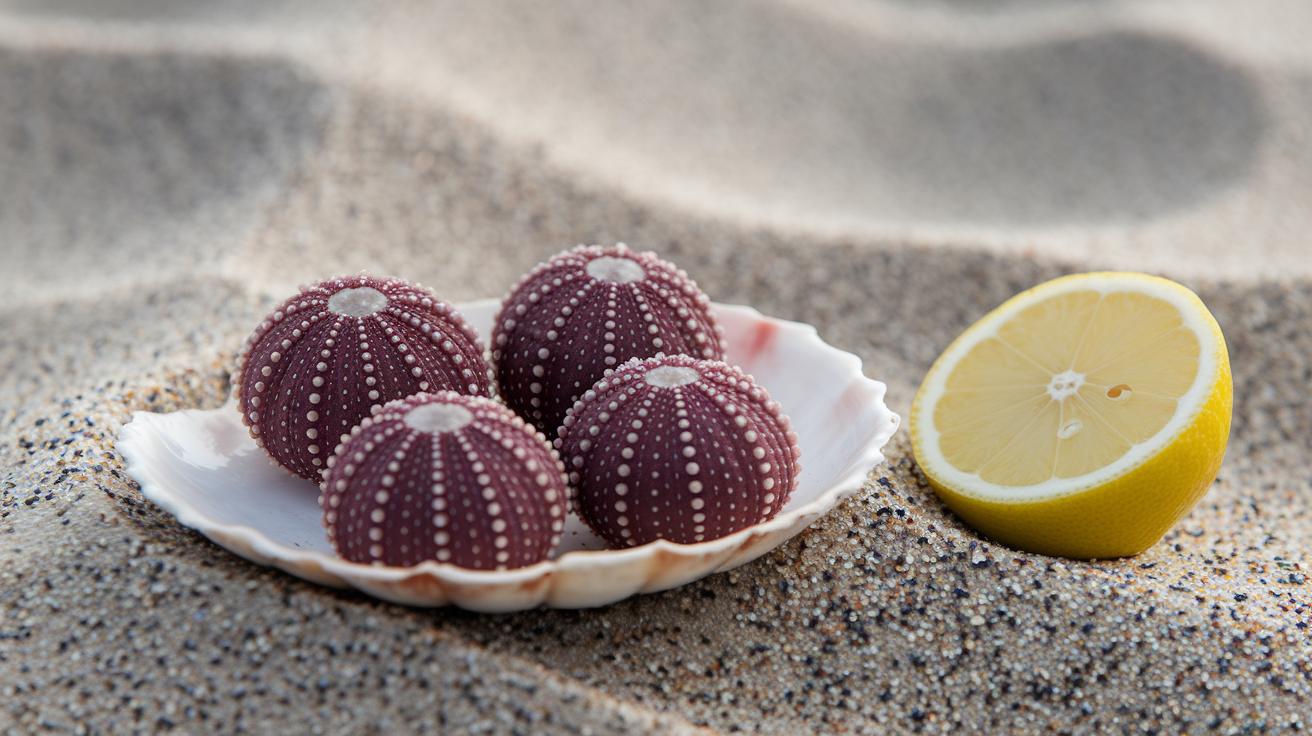
In Japan, uni often sits gracefully atop seasoned sushi rice or snugly hidden inside a hand roll. Its silky, custard-like texture makes each bite feel like a splash of the ocean. Chefs say that treating uni gently helps keep its natural creaminess, imagine a tiny ocean treasure that melts slowly, leaving a whisper of salty-sweet goodness.
Over in the French Riviera, the style changes a bit. Locals enjoy freshly opened sea urchins right on the half-shell, with just a squeeze of lemon to brighten the flavor. This simple approach lets the uni shine on its own. Some even mix a bit of uni into scrambled eggs, creating a creamy omelet where every spoonful feels like a little taste of coastal luxury.
Across cultures, uni ties together old traditions with a creative twist. Chefs skillfully incorporate it into both sushi rolls and Mediterranean dishes, letting the strong, natural flavors of the sea take center stage. Picture a beautifully plated dish where every detail echoes the deep, refreshing charm of the ocean, a true celebration of nature’s delightful bounty.
Sustainable Sourcing and Aquaculture Practices for Sea Urchin
Wild catching methods for sea urchins are now more careful and guided by clear rules and limits. Local fishers keep a close eye on the numbers so that too many aren’t taken at once, which helps the ocean stay balanced. They stick to time-tested ways that let sea urchin homes recover naturally. This teamwork between nature and people means we get a steady catch without harming the marine world.
When it comes to fish farming, places in Japan, Chile, and Europe have set up controlled systems to grow sea urchins. They start with young urchins, prepare the surfaces where they live, and carefully keep the water clean and comfy. These systems work hard to keep the water’s pH steady, the temperature just right, and make sure no unwanted pests show up. By using these methods, we ease the pressure on wild sea urchins while still enjoying healthy ones now and for the future.
Nutritional Profile and Health Considerations of Sea Urchin Consumption
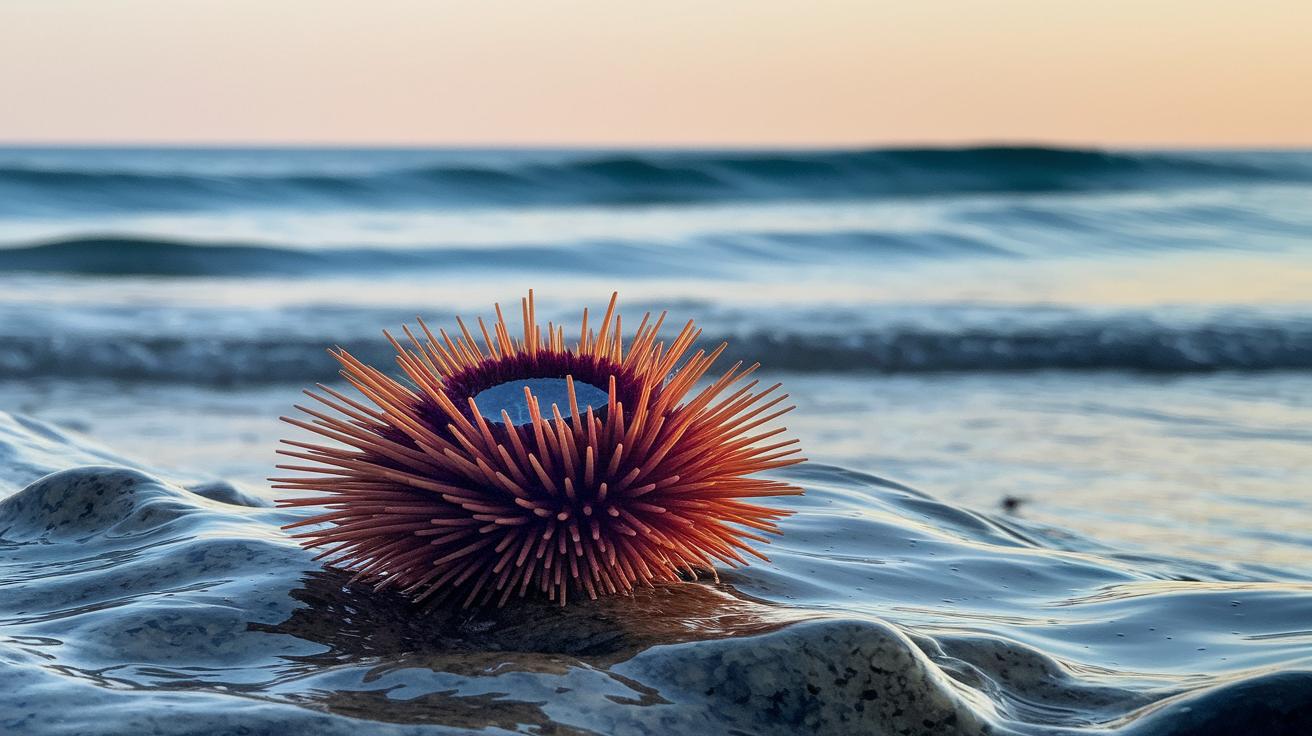
Sea urchins are like a hidden gem from the ocean. They’re full of good nutrients that make you feel light and refreshed. For instance, every 100 grams serves up about 13 grams of protein with roughly 120 calories, making it a lean and smart treat.
They’re also loaded with omega-3 fatty acids, those are the fats that help keep your heart happy, plus vitamins A, C, and E. Not to mention, they offer minerals like zinc and magnesium that help repair muscles, support clear vision, and keep your immune system strong. It’s like a little splash of healthy ocean magic with every bite.
At the same time, it’s wise to take a little caution. Some people might be allergic or get a little mishap if a spine should poke while handling sea urchin. If that happens, soaking the area in vinegar can help clear away any stubborn calcium residue. That said, when prepared correctly, sea urchins are a safe and nutritious addition to your meal routine.
| Nutrient | Amount per 100 g | Health Benefit |
|---|---|---|
| Protein | ~13 g | Helps with muscle repair and growth |
| Omega-3 Fatty Acids | Rich source | Supports heart and brain health |
| Vitamin A | Present | Boosts vision and immunity |
| Vitamin C | Present | Fights off infections and helps heal |
| Minerals | Includes zinc and magnesium | Promotes metabolism and bone strength |
Final Words
In the action, we jumped into the biology and anatomy of the sea urchin, uncovering its unique structure and essential roles in its underwater home.
We explored how these creatures feed, move, and even make their way into the culinary world.
Every section, from sustainable harvesting to nutritional benefits, ties together a vibrant picture of what makes the sea urchin so special. It all adds up to a refreshing view of aquatic life that's both informative and uplifting.
FAQ
What is sea urchin uni?
The sea urchin uni refers to its edible reproductive organs. This delicacy is prized for its rich, creamy texture and briny taste, often featured in sushi or gourmet dishes.
What is the sea urchin scientific name?
The sea urchin scientific name falls under the class Echinoidea within the phylum Echinodermata, grouping them with related marine creatures like sea stars and sand dollars.
Are sea urchins poisonous or harmful to humans?
The term poisonous doesn’t apply to sea urchins naturally, but their sharp spines may cause painful puncture wounds. It’s best to handle them cautiously to avoid injury and possible infection.
How is sea urchin used in sushi and food preparation?
Sea urchin is enjoyed as sushi in Japan, served raw on rice or in hand rolls. Its unique, briny-sweet and custard-like flavor makes it a favorite in both traditional and modern culinary recipes.
Are sea urchins alive?
Sea urchins are living creatures actively roaming their marine habitats, using spines and tube feet to move around and interact with the surrounding environment.
What happens if you get stung by a sea urchin?
When stung by a sea urchin, you can expect pain, redness, and swelling. Cleaning the wound and using vinegar to help dissolve any remaining spines is advised to reduce discomfort and prevent infection.
How diverse are sea urchin species?
Sea urchins are highly diverse, with over 950 species known, ranging from round regular types to irregular, heart-shaped forms. This variety reflects their long evolutionary history in marine ecosystems.
What do sea urchins taste like?
Sea urchins are noted for a uniquely briny flavor that carries a hint of sweetness, along with a creamy, custard-like texture that creates a remarkable taste experience cherished by seafood lovers.