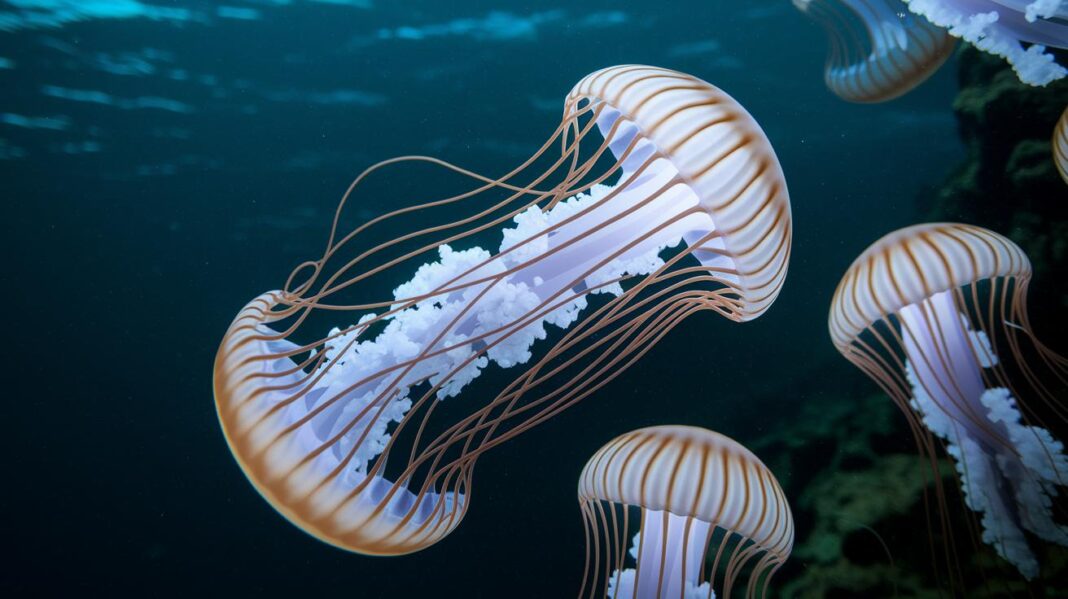

Have you ever been curious about how life manages to thrive in the deep, dark ocean? In our deep sea creature guide, we dive into a world where nature’s own little lights create magic.
Imagine an underwater world where every creature has its own clever trick to handle immense pressure. We’ve handpicked 25 amazing species, and 10 of them show off some truly smart adaptations.
This guide not only celebrates the beauty of underwater life but also reminds us that each creature plays its unique part in nature’s grand aquatic dance.
Essential Deep Sea Creatures List Overview
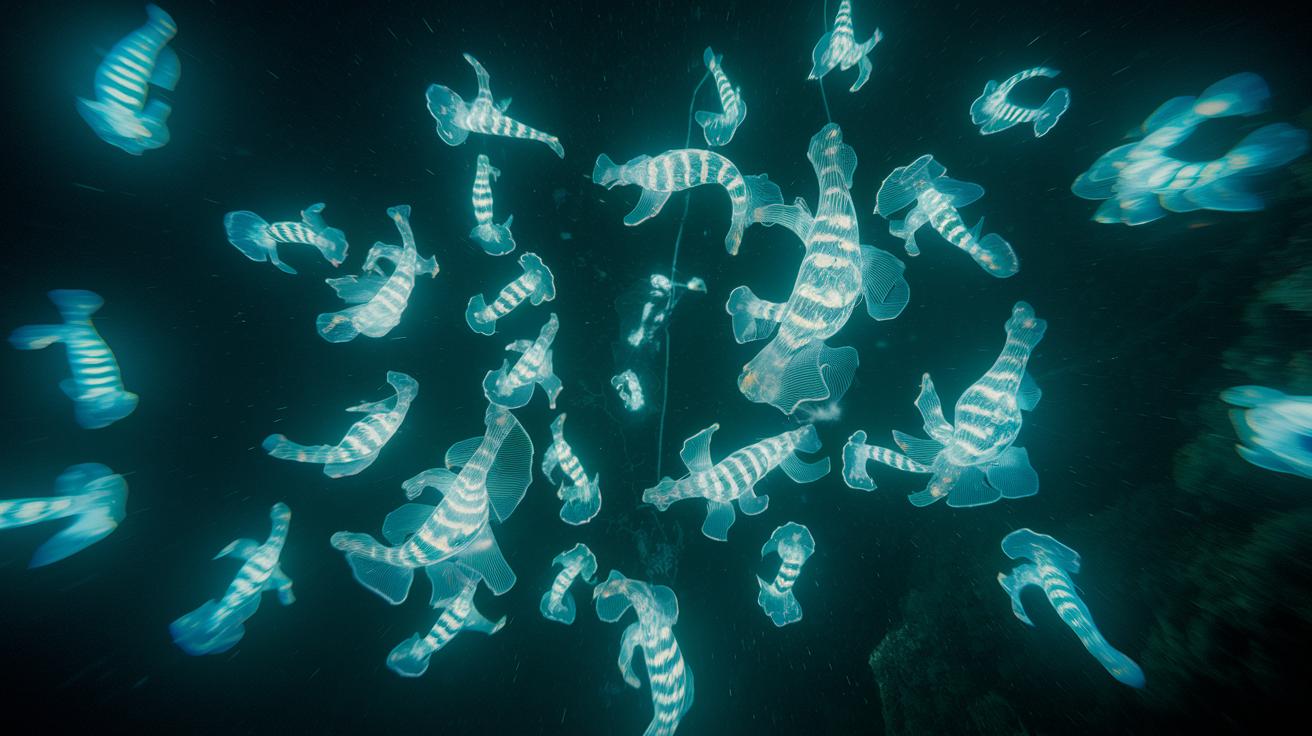
Deep sea life is a wondrous tapestry of layers, each with its own mix of pressure, warmth, and light. In our list, we've gathered fascinating creatures that call the depths from the mid-level mesopelagic zone to the darker bathypelagic zone their home. Imagine a scene lit only by the soft glow of bioluminescence, like tiny sparks from an underwater lantern.
We handpicked these 25 species for their unique traits and important roles in marine diversity. We looked for unusual body features and clever ways they adapt, helping them thrive in a challenging, dark world. Our top 10 are shown in the table below, giving you a snapshot of the amazing variety found beneath the waves.
| Common Name | Scientific Name | Max Depth (m) |
|---|---|---|
| Fangtooth | Anoplogaster cornuta | 2000 |
| Deep-Sea Tripodfish | Ipnops murrayi | 3000 |
| Larval Female Anglerfish | Linophrynidae sp. | 1500 |
| Discoteuthis discus | Discoteuthis discus | 1200 |
| Bathyteuthis sp. | Bathyteuthis sp. | 1000 |
| Loosejaw Dragonfish | Photostomias guernei | 2000 |
| Ribbon-Sawtail Dragonfish | Idiacanthus fasciola | 2000 |
| Snaggletooth Dragonfish | Astronesthes sp. | 2500 |
| Whalefish | Cetomimus sp. | 3500 |
| Lovely Hatchetfish | Argyropelecus aculeatus | 1250 |
The top 10 species here truly stand out with their clever adaptations that help them survive deep underwater. They show nature's creative side, from oversized teeth that grab rare prey to special fins that guide them through strong currents. Some even use a gentle glow to communicate or hide. Each one gives us a small window into how life can blossom even in the toughest of places, making them special ambassadors of our mysterious ocean world.
Bioluminescent Species in the Deep Sea Creatures List
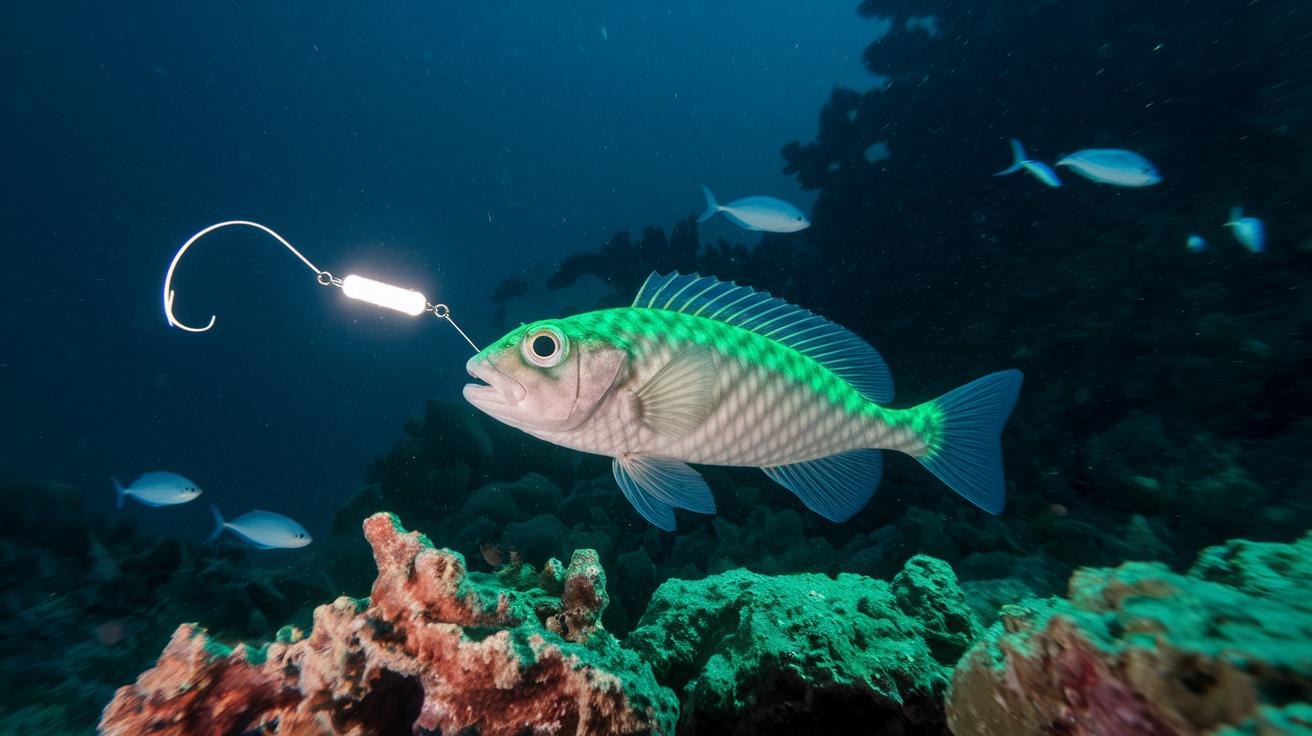
Deep-sea creatures are like underwater magicians. They use their glowing features to find food, ward off threats, or chat quietly with friends in a world where sunlight barely reaches. It’s a bit like swimming through a dreamy, dark aquarium where every little light tells a story.
- Larval Female Anglerfish (Linophrynidae) has a glowing lure that hangs from its head. This little light acts like a fishing pole, drawing small fish close for a quick snack.
- Loosejaw Dragonfish (Photostomias guernei) lights up red patches on its body. This red glow surprises prey and helps the fish blend into the faint, reddish surroundings.
- Ribbon-Sawtail Dragonfish (Idiacanthus fasciola) shows off twinkling light spots along its edges. These lights help the fish merge with the tiny glimmers in the dark, confusing both attackers and potential meals.
- Snaggletooth Dragonfish (Astronesthes sp.) sports soft, glowing glands under its body that mask its shape. This subtle light keeps it hidden from both hunters and the little fish it might want to eat.
- Joubin’s Squid (Joubiniteuthis portieri) produces matching light on its underside. This clever glow creates a mirror image of the ocean surface, making its silhouette nearly invisible in the dark water.
Each of these light tricks is a smart way to survive in the deep. The gentle glow of these creatures is like a secret language, guiding them through a mysterious underwater world. For more cool details on how animals adapt to their environments, check https://ribbon.co?p=4908.
Unusual Morphologies in the Deep Sea Creatures List
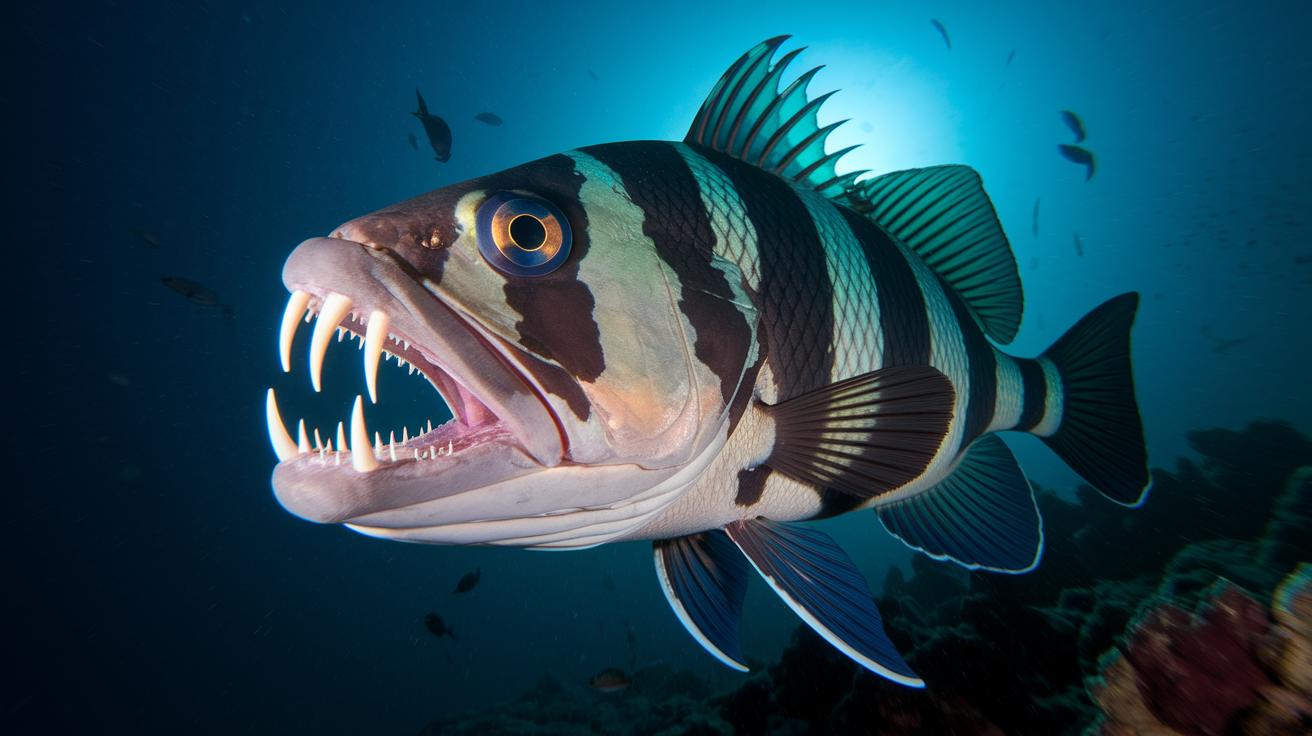
The fangtooth (Anoplogaster cornuta) might be small, but its huge, pointy teeth give it a surprisingly fierce look. It's like nature decided to pack a big surprise into a tiny package.
Then there’s the deep-sea tripodfish (Ipnops murrayi), which uses long, skinny fins that work like stilts to hold it up in the dark depths. Imagine a creature tiptoeing along the ocean floor, a quirky twist that is both odd and clever.
The frogfish (Antennarius sp.) is a master of disguise. It uses a sort of gooey camouflage to blend into its surroundings, becoming nearly invisible to both its prey and any would-be predators. Meanwhile, the batfish (Ogcocephalidae) “walks” along the sea bottom with fins that have turned into little legs, giving it a unique way of getting around.
The whalefish (Cetomimus sp.) sports a long, squeezed-in body that fits just right in the tough, high-pressure deep-sea world. And then there’s the tubeshoulder (Mentodus facilis), which glows from special tube-like organs. It’s as if it carries a tiny lantern to light up the inky black water around it.
All these fascinating traits show just how creative and diverse life can be in the deep sea. It’s a reminder that even in the darkest, coldest places, nature still finds brilliant ways to surprise us.
Juvenile and Larval Deep Sea Creatures List
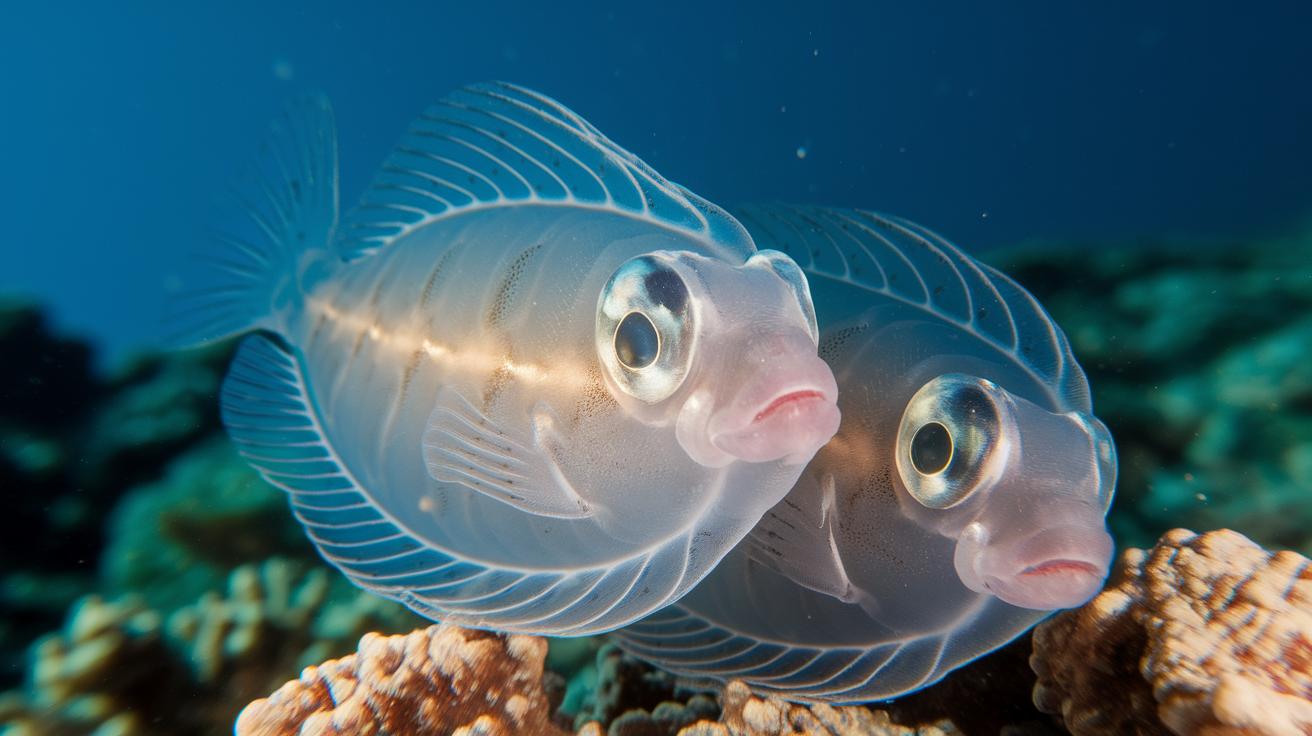
Deep in the ocean, young creatures use clever tricks to survive in a world that can be pretty tough. These tiny beings have learned to live in a place where every ripple matters.
Flounder larvae from the Bothidae family have nearly clear bodies that let them slip past hungry predators while blending right in with the sparkling, dappled light. Pearlfish larvae, like Carapus bermudensis, stretch out their bodies to create a sneaky shape that makes them hard to spot in the watery depths.
Lobster larvae, part of the Decapoda group, drift along in layers of plankton. They get a free ride on gentle currents, which helps keep their journey through open water a bit safer.
Young deep sea species also show fantastic traits that set them up for life beneath the surface. Batfish juveniles from the Ogcocephalidae family grow little walking fins early on, which let them navigate the seafloor as if they were taking a leisurely stroll. Squirrelfish juveniles in the Holocentridae group have oversized eyes that catch even the faintest slivers of light in the dark depths.
Then there are the Longfinned Bullseye juveniles, known as Cookelus japonicus. They show off unique fin rays that might help them communicate with one another or sense their surroundings. These early traits are like essential steps in the ongoing, wonderful cycle of life under the sea.
Classification of the Deep Sea Creatures List
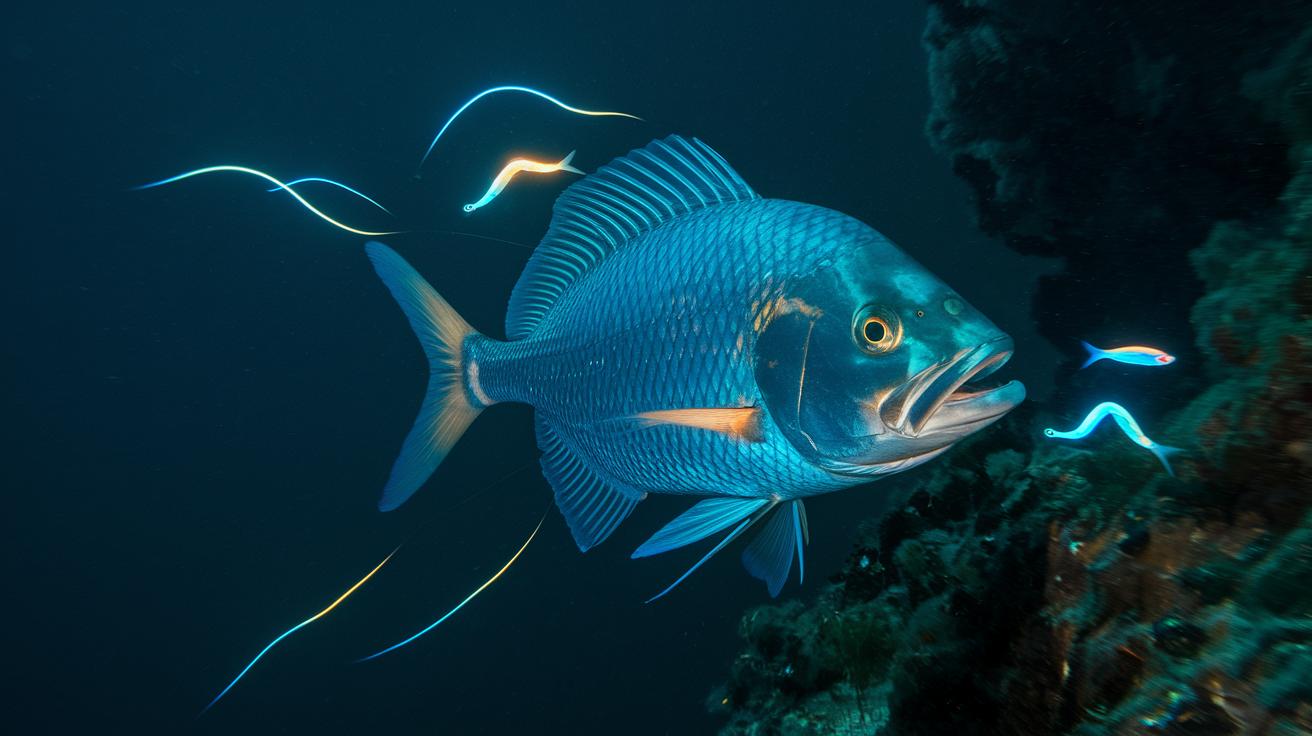
Taxonomy is like a map that helps ocean scientists chart the amazing world beneath the waves. By grouping sea creatures by their science labels, researchers can spot patterns in how they adapt, behave, and evolve. It’s a structured way to see how even the strangest beings join the big family of ocean life.
Fish
Deep-sea fish belong to groups that reveal clever ways of living under high pressure. For example, the Lophiiformes include anglerfish from the Linophrynidae, famous for using unique, glowing fins as lures to catch their dinner. Then there are the Stomiiformes, which feature dragonfish like Photostomias, Idiacanthus, and Astronesthes, and the Beryciformes, which include rare species such as the whalefish. Each group shows off nature’s creative tricks for surviving in the deep.
Cephalopods
Down in the dark waters, cephalopods have their own special ways to cope with low light. Squid like Discoteuthis discus, Bathyteuthis sp., and Joubiniteuthis portieri move with graceful, fluid bodies and blend into the deep with a skill called counter-shading. They even have natural light shows from organs that let them communicate or hide, a charming tactic of nature’s design.
Other Invertebrates
Other sea creatures, though not fish, worry not, they have their own cool tricks too. Invertebrates from groups like Decapoda, Carapidae, and Holocentridae add to the deep-sea mystery. Lobster larvae under Decapoda show smart early survival moves during their drifting plankton phase. Meanwhile, pearlfish (Carapidae) and young squirrelfish (Holocentridae) highlight more ways to adapt and thrive far below the ocean’s surface.
Altogether, this careful classification not only organizes deep-sea life into neat groups but also paints a picture of nature’s brilliant adaptability in extreme underwater worlds.
Habitat Zones in the Deep Sea Creatures List
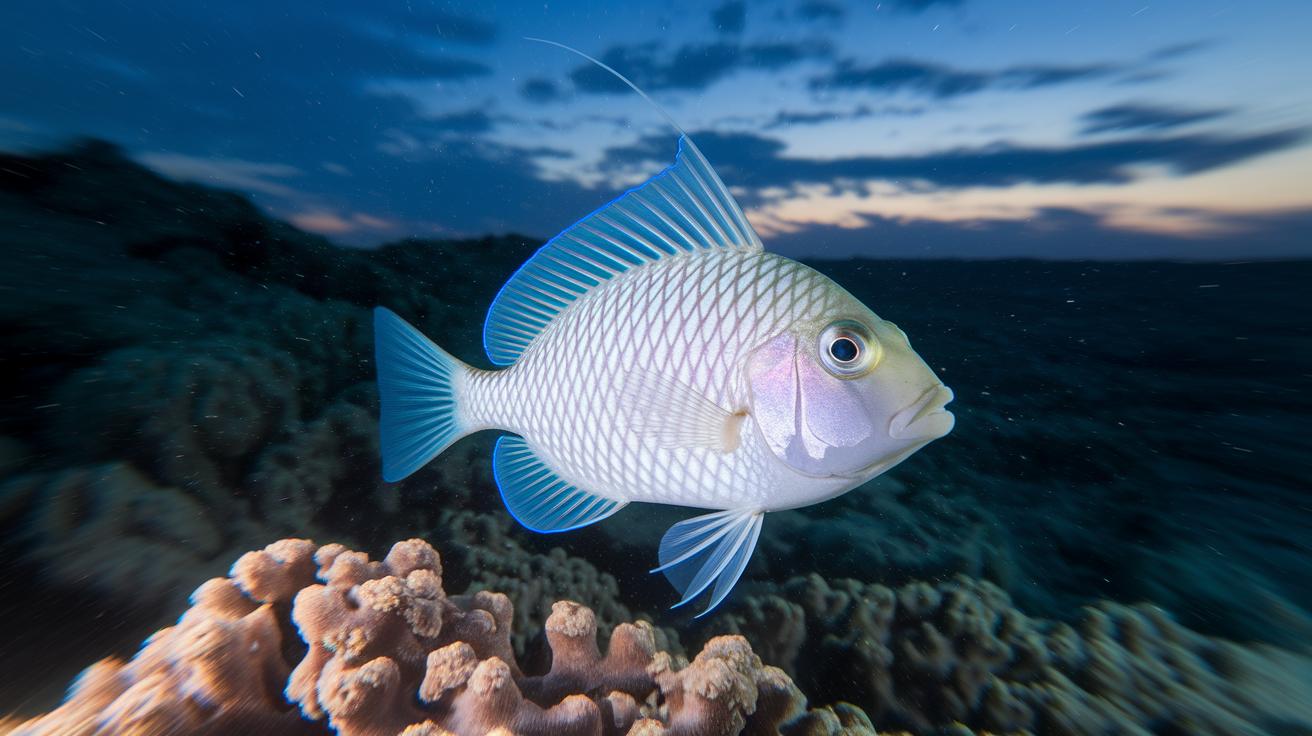
The deep ocean is like a hidden world with five special zones, each with its own mood and amazing creatures. Picture the upper layers still touched by light, while deeper parts brace against intense pressure, and every zone shows off how life can adapt as the water deepens.
In the mesopelagic zone, life sparkles in a twilight glow. Here, the lovely hatchetfish swims between 100 and 1250 meters, its shiny body catching the feeble light. Around 1000 meters, you might also find Bathyteuthis, a creature blending into this half-light world of shadows and mysteries.
Next up is the bathypelagic zone, where things get even more mysterious. At about 2000 meters, the fierce-looking fangtooth roams its dark domain, while the larval female anglerfish, spotted near 1500 meters, uses a glowing lure to draw in prey. Both of these species remind us how amazing it is that living things can thrive where almost no sunlight reaches.
In the abyssopelagic zone, the deep-sea tripodfish makes its mark at around 3000 meters, standing out with its unusual fins in the dark water. The whalefish also calls this place home, living between 2500 and 4000 meters, where cold and pressure make every day a real challenge for survival.
At the deepest level, hadal depths near the 6000-meter trenches, the tubeshoulder (Mentodus facilis) withstands extreme pressure and pitch-black darkness. New research even suggests that other tough creatures, like unique deep-dwelling gastropods, are finding ways to survive in this forbidding part of the ocean.
Closer to the water’s sparkling surface, in the epipelagic zone, many young fish like flounder and squirrelfish start their lives in the upper 1000 meters. They spend their early days enjoying the bright, sunlit waters before joining the journey to deeper, darker parts of the ocean.
Final Words
In the action, this piece took us through an exciting look at the deep sea creatures list, exploring various sections from bioluminescent mysteries to unusual body shapes and early life tactics. Each topic painted a clear picture of underwater wonders and the marvels of marine life.
Our chat wrapped up with scientific classifications, habitat zones, and insights that help you create a thriving tank for underwater enthusiasts. It all leaves us with a glow of optimism and a love for the magic below the surface.
FAQ
Q: What does a deep sea creatures list with pictures feature?
A: The deep sea creatures list with pictures shows a varied selection of species. It includes clear images of fish, invertebrates, and other ocean dwellers found in deep, dark waters, giving a quick glance at their unique traits.
Q: What does a list of 100 sea animals include?
A: The list of 100 sea animals covers a wide range of marine life. It brings together various species from different habitats, highlighting both common and rare deep water residents in a fun, visual format.
Q: What are some traits of the biggest deep-sea creatures and deep sea fish species?
A: The biggest deep-sea creatures and deep sea fish species are marked by impressive sizes and unexpected shapes. These animals show remarkable adaptations that help them thrive under high pressure and near-total darkness.
Q: How do unknown sea creatures differ from typical marine species?
A: Unknown sea creatures often display rare features and unusual forms that set them apart from common marine life. Their uncommon designs spark curiosity and reveal how life adapts to the deep blue mystery.
Q: What makes deep sea creatures both beautiful and a bit scary?
A: Deep sea creatures can appear beautiful with their glowing lights and striking shapes. Yet, their eerie appearances and life in the dark ocean depths may also give off a slightly intimidating vibe, adding to their enigmatic charm.