

Ever wonder how nature builds its very own underwater tanks in the deep, dark sea? Deep sea isopods are like tiny submarines, showing off nature’s creativity in a really cool way.
These little creatures look a bit like garden woodlice, but they sport a tough, protective shell. Imagine a tiny explorer wearing its own suit of armor, floating quietly in a world where light barely touches. It’s like watching a secret agent drift past smooth, shimmering stones.
They live in deep water where the pressure can squeeze almost anything, yet these critters thrive. Their clever design makes us see that even in harsh conditions, life finds a way, a bit like how an aquarium turns even the smallest plant into a vibrant part of a beautiful underwater scene.
Stick around, and we’ll dive a bit deeper into the wonders of these charming crustaceans, exploring their surprising size and the smart tricks they use to survive.
Deep Sea Isopod Biology and Habitat
Deep sea isopods are an amazing group of crustaceans that remind you of a garden woodlouse, only they’re built for the deep, dark sea. They have 14 legs and a tough, segmented shell that acts like armor when they cruise through their shadowy world. Imagine a mini, armored submarine carefully designed to handle high pressure. Wow.
These creatures call the deep ocean home, usually living 500 meters or more below the surface. Their seafloor is like a vast, quiet plain of soft sand, with only a few canyon features breaking up the smooth scene. In a place where the sun never shines, every bit of drifting food matters a lot.
One really cool feature of deep sea isopods is something called deep-sea gigantism. Some of these critters can grow longer than 30 centimeters, which is quite big considering the harsh conditions they face. Their large size and sturdy shell help them cope with the extreme pressure and cold water. Their segmented bodies allow them to scavenge useful bits of organic debris that travel down from shallower parts of the ocean, keeping them fueled and ready to explore their mysterious, underwater home.
Physical Characteristics and Adaptations of Deep Sea Isopods
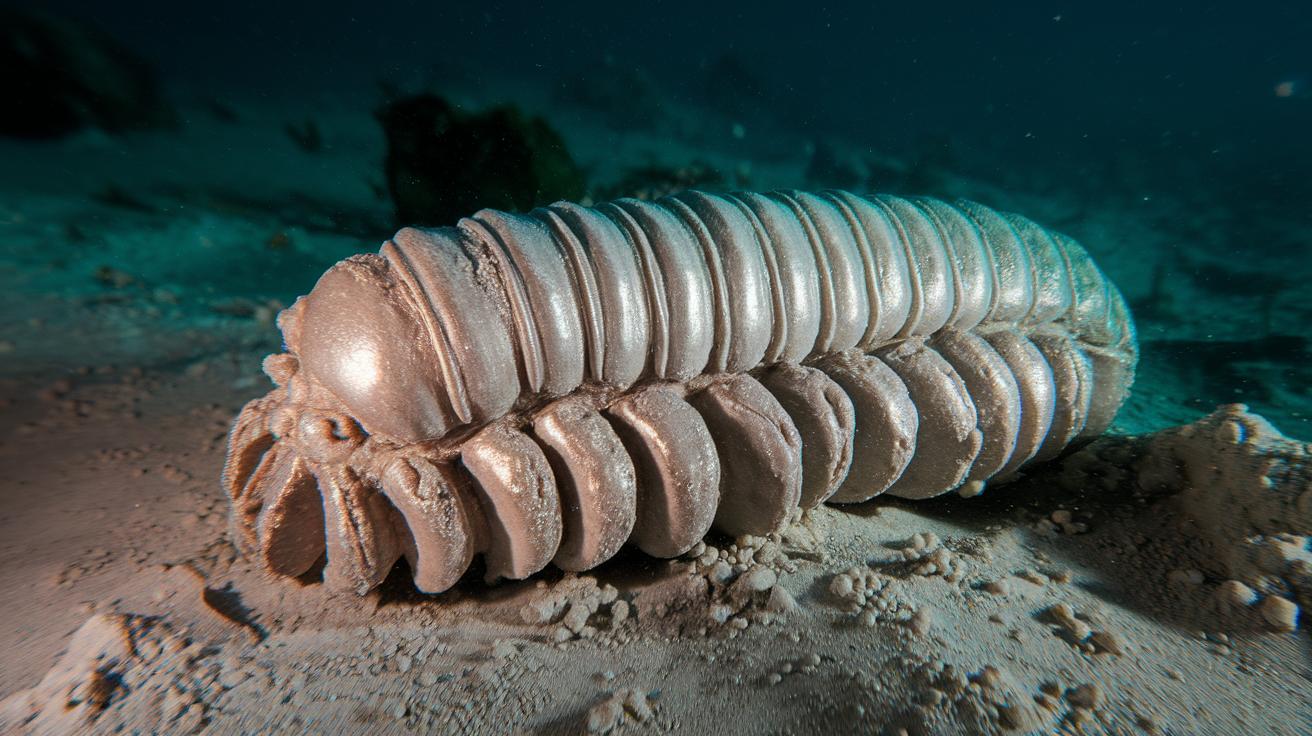
Deep sea isopods are fascinating creatures that can stretch over 30 centimeters in length. They wear a natural suit of armor made up of broad, calcified plates that protect them in one of the toughest environments on Earth. Their sturdy shell and well-built joints are designed to bear pressures up to about 50 MPa, making these critters true survivors in the deep. They live in water as cool as 2–4 °C, so they’ve learned to conserve energy with a slow metabolism and lighter muscle mass.
Gigantism and Exoskeleton
These ocean giants show us a beautiful display of natural growth. Their bodies are segmented into overlapping plates, much like a well-arranged suit of armor. Imagine each plate as a scale on a gentle armadillo, each one adds protection while still letting them move smoothly along the seafloor. Over time, by steadily growing and reinforcing their exoskeleton, they manage to thrive even in one of Earth's harshest habitats.
Pressure Adaptation Mechanisms
Living deep under the sea means facing extreme pressure, and these isopods have clever tricks to deal with it. Their cell membranes are specially built to hold together in near-freezing temperatures and under crushing pressure. At the same time, the proteins inside their cells are tuned to work well even in tough conditions. And with a very low metabolic rate, they conserve energy, which is a big help when food is scarce.
Together, these impressive adaptations let deep sea isopods flourish in dark, high-pressure waters. Their rugged exoskeleton, efficient energy use, and smart cell design show just how wonderfully nature adapts to even the most extreme environments.
Feeding Strategies and Diet of Deep Sea Isopods
Deep sea isopods are clever little scavengers that make a living on the quiet, forgotten ocean floor. Down where sunlight barely touches and meals are rare, they rely on organic bits drifting down from shallower waters. Imagine them gently gliding over soft sediments, always keeping an eye out for any scrap that falls from the world above.
These little critters are true opportunists when it comes to food. They nibble on tiny particles and can even handle bigger chunks when the chance arises. It's like stumbling upon a secret underwater banquet, a delightful surprise when food is hard to come by.
- Whale falls
- Fish carcasses
- Marine mammal remains
- Small invertebrate debris
- Algal sediment
When meals are few and far between, these isopods slow down their metabolism to save energy, kind of like pausing during a slow underwater dance. Every bit of organic material in the cool, still water is treasured, and they smartly conserve their energy until the next offering drifts by.
Behavioral Patterns and Life Cycle of Deep Sea Isopods
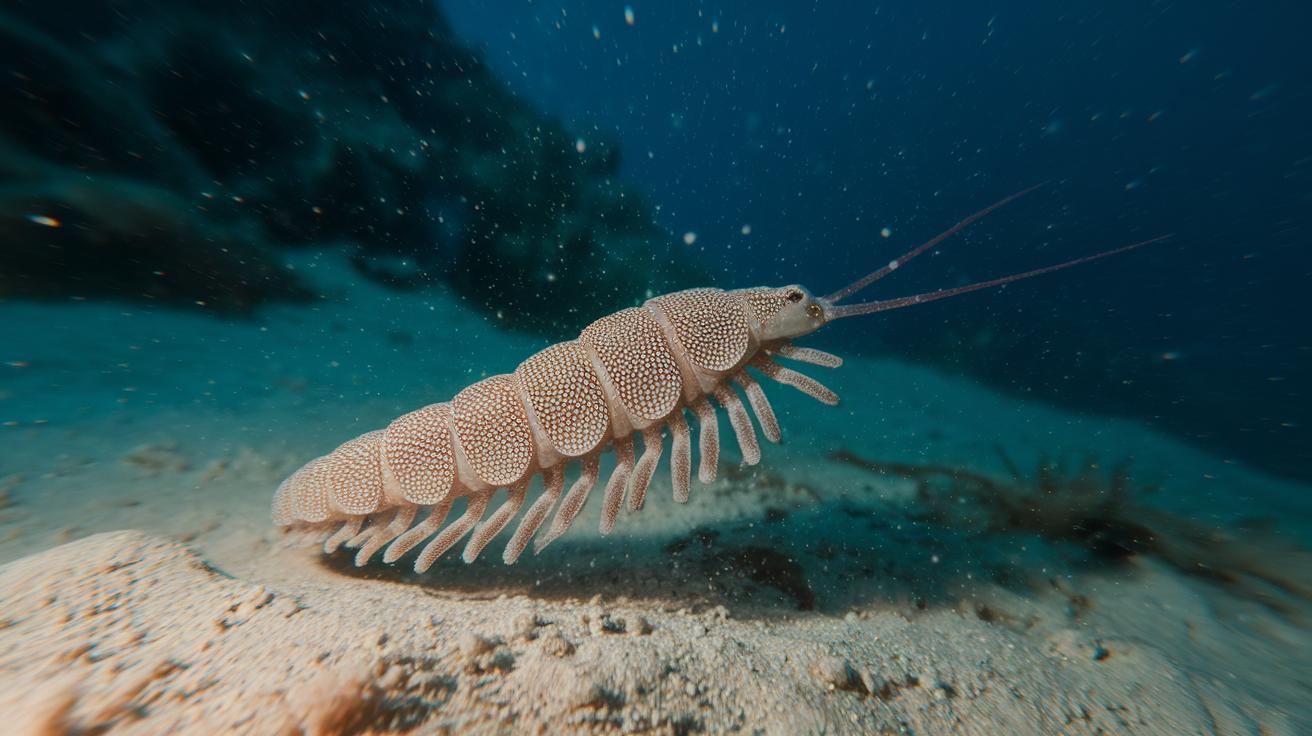
Deep sea isopods glide slowly through their watery world, moving in a way that saves energy. They pause and make small, quick bursts of activity when a bit of food drifts by. It’s a bit like watching a patient explorer treading carefully through a quiet, mysterious ocean.
These creatures have a special way of making sure their offspring get a strong start. The females keep their eggs safe in a little pouch until the tiny ones are ready to hatch, emerging as miniature versions of their parents. There aren’t many babies at once, but each one is set up for life in an environment where every bit of energy counts.
Growing up in the deep takes time. These isopods mature very slowly, over many years, much like the steady, unhurried rhythm of the ocean itself.
Every stage of their life is perfectly tuned to the demands of the deep sea. Their calm, energy-saving movements, careful care of their eggs, and gradual growth all work together to help them not only survive but truly flourish when food is scarce and every moment matters.
Distribution and Environmental Factors of Deep Sea Isopods
Deep sea isopods are fascinating creatures found all around the globe. They roam the deep parts of the Atlantic, Pacific, and Indian oceans at depths exceeding 500 meters. It’s pretty amazing to think that these little critters thrive in places where the sun never shows up. The water here is really cold, only about 2 to 4 °C, and oxygen is in short supply.
Their home on the seafloor is mostly made up of soft sediment with very few features, though you might sometimes spot a submarine canyon. In these quiet underwater environments, decaying animals, like large carcasses, become vital for recycling nutrients. In a world where food is scarce, deep sea isopods help break down these remnants, ensuring that every bit of energy is passed on to support other marine life.
| Depth Range | Seafloor Conditions | Feeding Resources |
|---|---|---|
| 500–1000 m | Continental slope with a moderate amount of detritus | Frequent carcass falls |
| 1000–2000 m | Deep slope with sparse debris | Occasional whale falls |
| >2000 m | Trench floors that are extremely barren | Rare large carrion |
Scientific Discoveries and Research on Deep Sea Isopods

Have you ever wondered about deep sea isopods? These fascinating creatures first made their debut in scientific records back in the late 1800s when researchers pulled them from trawl nets. At the time, naturalists were pretty intrigued by their unusual looks and noted that, even though they shared features with other crustaceans found near shore, they were in a league of their own. This early work was like the first soft ripple in a calm pond, setting the course for the modern study of these unique critters.
Isn't it amazing how new technology lets us peek into the secret world beneath the waves? With remote-operated vehicles and submersible missions, scientists are now able to capture real-time footage of these isopods moving gracefully across the seafloor. Watching them in action is like seeing a quiet underwater ballet, revealing behaviors and interactions that were once hidden in the deep. These live glimpses not only show that they're there, but they also provide important clues that help guide future explorations.
On top of that, sharper tools like genomic analysis have given us a closer look at their survival secrets. Researchers have discovered special proteins in their DNA that let these isopods handle the crushing pressures of the deep sea. Plus, detailed studies of their body structures have pointed out differences in the number and shape of their plates, highlighting how each species adapts to its underwater home. It's like nature mixing its very own ingredients to create perfectly adapted life forms in a world far below the surface.
Captive Care: Pressurized Tank Setup for Deep Sea Isopods
Creating a perfect underwater haven for your deep sea isopods is like building a tiny, peaceful ocean hideaway. You need some special gear that mimics the high-pressure and chilly home these creatures love. Think of it as setting up a mini deep-sea adventure where everything, from water temperature to saltiness, feels just right.
First, make sure your tank can hold around 50 atm of pressure, imagine a small submarine built just for your aquatic buddies. Keep the water cool, between 2 and 4 °C, to give them that deep-ocean chill. You’ll also want the salt content to be about 34 to 36 ppt, which is just like their natural habitat, and ensure the water has plenty of dissolved oxygen. For the base, use a soft sediment similar to ocean floor mud, and keep water movement to a minimum so your isopods stay relaxed.
Here’s a simple guide:
- Pick a pressure-rated vessel that handles intense pressure safely. Think of it as a tiny fortress for your friends.
- Set up a chill system that keeps the tank cool, much like the natural, cool depths of the ocean.
- Carefully tune the pressure regulator so the tank holds steady at close to 50 atm.
- Adjust the saltiness and aeration to match their natural conditions.
- Add a substrate that feels like soft seafloor sediment to make your isopods feel right at home.
- Slowly introduce the isopods to their new environment, giving them time to adjust gently.
Maintenance and Monitoring
Taking care of deep sea isopods is a bit like tending a tranquil garden. Regular checks on the tank’s pressure help ensure everything is stable and safe. Keep a close eye on the water’s temperature, salt levels, and oxygen, just like you would monitor your favorite tender seedlings.
It’s also smart to set up a feeding routine that fits their slow metabolism. Always check that the system is running smoothly before making any changes. Gradually adding new elements helps avoid any sudden shocks, keeping your little aquatic friends happy and stress-free.
Final Words
In the action, we explored the unique biology, striking physical traits, and thoughtful feeding habits of these fascinating creatures. We unraveled their slow lifestyle and detailed their widespread, deep-sea homes. We even touched on modern research insights and practical tips for maintaining a deep sea isopod in a pressurized tank set-up. Each segment added a splash of detail to help care for these remarkable animals. The effort to understand and care for them leaves us inspired to keep our underwater worlds as lively and healthy as ever.
FAQ
What is a giant isopod?
The giant isopod, known scientifically as Bathynomus giganteus, is a large deep-sea crustacean with a tough, segmented shell and 14 legs that lives on the ocean floor.
How big is a deep sea isopod?
The deep sea isopod can grow over 30 cm in length, a striking example of deep-sea gigantism that helps it thrive in the high-pressure, low-food environment.
Do deep sea isopods bite?
The deep sea isopods typically do not bite; they are scavengers that consume decaying organic material and marine remains rather than actively hunting for food.
Are deep sea isopods dangerous?
The deep sea isopods are not dangerous to humans, as they are designed for scavenging and surviving in extreme conditions rather than posing any threat.
What is the lifespan of a giant isopod?
The lifespan of a giant isopod spans several years, with their slow metabolism and growth rates aligning well with the resource-scarce deep-sea habitat.
What is a Rubber Ducky Isopod?
The Rubber Ducky Isopod is a nickname given to a type of deep sea isopod noted for its flexible appearance, although it is less common in scientific discussions.
What is Bathynomus giganteus?
Bathynomus giganteus refers to the giant isopod, a deep-sea creature admired for its impressive size and ability to survive under extreme oceanic pressures.
What do giant isopods eat?
The giant isopods eat organic materials like whale falls, dead fish, and decaying invertebrates, playing a vital role in breaking down large carcasses on the seafloor.
Can you keep a deep sea isopod as a pet?
Keeping a deep sea isopod as a pet is impractical, as they require a pressurized, cold environment with precise conditions that are difficult to replicate in a home aquarium.
Are deep sea isopods edible?
Deep sea isopods are not generally considered edible, largely because they are not a common food source and their unique habitat makes them an unlikely candidate for cuisine.
What do deep sea isopods taste like?
Deep sea isopods are not typically consumed, so their taste is largely unknown and they are not part of a traditional diet, making any flavor profile speculative.