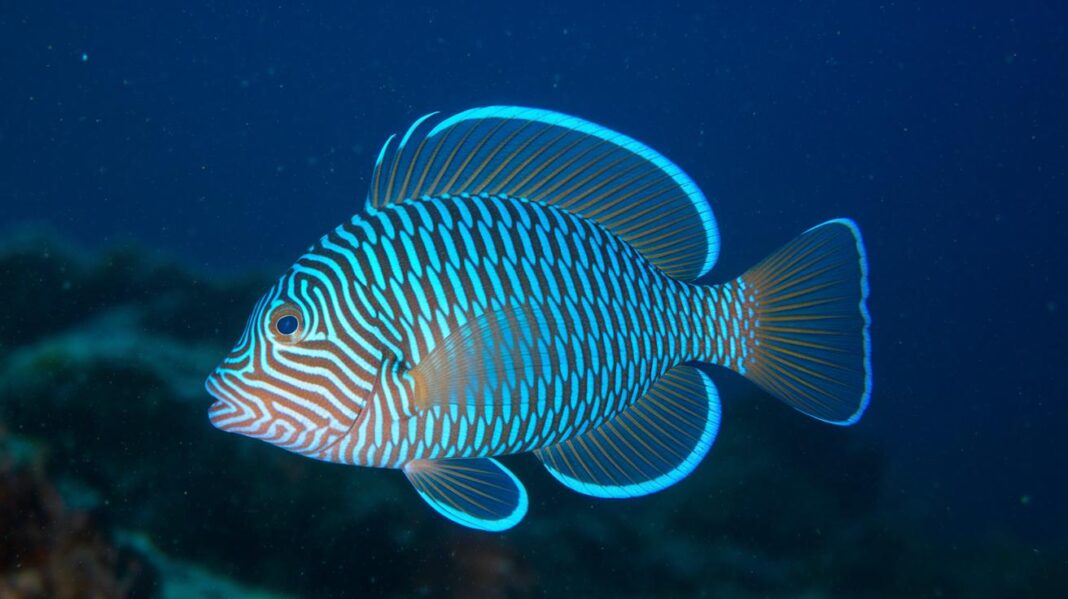

Have you ever wondered how deep sea fish can be even stranger than the wildest tales? Down in the chilly deep blue, where the water feels thick and cold, these fish have picked up some really surprising traits. Some even use glowing lures, and others have soft, jelly-like bodies to help them get by in a world that’s almost completely dark.
Today, let’s take a closer look at how these amazing creatures beat the odds. It’s like watching a magic show in an underwater world, where nature bends the rules in ways we never expect. Stay with me, and you might just find yourself as amazed as I am!
deep sea fish weird: Astonishing Ocean Oddities
Deep-sea creatures live in a world where water pressure can crush, temperatures drop to freezing, and darkness covers everything. Yet, they have found clever ways to survive in a place where food is hard to come by and conditions are harsh.
- Anglerfish: This fascinating fish uses a glowing lure to light up the deep dark, and a tiny male often sticks by its side for life, kind of like a built-in buddy for keeping the species going.
- Blobfish: Found between 600 and 1,200 meters off the coasts of Australia and New Zealand, the blobfish relies on its soft, jelly-like body to handle the weighty pressure of deep water.
- Goblin shark: Dating back around 125 million years, the goblin shark remains one of the ocean’s great mysteries. Its rare sightings and limited study make it feel like a hidden treasure from the past.
- Gulper eel: Known for its enormous, flexible jaw that can gulp down prey larger than itself, the gulper eel mostly snacks on small crustaceans, making the most of its unique feeding style.
- Barrel-eye fish: With its special tubular eyes that move independently, the barrel-eye fish can catch even the faintest hints of light, helping it spot shapes against the dim glow above.
- Dumbo octopus: Named for its ear-like fins, the Dumbo octopus glides gracefully between 3,000 and 7,000 meters deep. Its smooth movements in the chilly water are like watching an underwater dance.
- Giant isopod: This crustacean, part of a group of about 20 species, grows up to 36 centimeters long. Its seven legs, equipped with special hooks, help it scavenge food along the ocean floor.
- Dragonfish: Although only 10–20 centimeters in length, the dragonfish produces buoyant eggs that float near the surface. This gives its young a chance at richer feeding grounds before they dive back into deep waters.
- Fangtooth: Adapted to depths reaching 5,000 meters, fangtooth fish start life delicately filtering tiny zooplankton. As they grow, they switch to hunting small fish on their own.
- Vampire squid: Living in the deepest, darkest parts of the ocean, the vampire squid uses its webbed arms and striking red-black colors to catch bits of drifting marine snow.
These incredible deep-sea dwellers show us that even in Earth’s toughest environments, nature can craft truly unique and stunning beings. Ever notice how life finds a way to shine, even where you’d least expect it?
Habitat of unusual marine specimens in the abyss

Ever wonder how strange creatures make a home in the deep, dark ocean? Down there, the water splits into zones based on depth, pressure, temperature, and how much light filters through. It’s like each zone has its own set of rules for life.
At depths between 600 and 1,200 meters, a soft glow of bioluminescence and a gentle pressure let creatures like the blobfish float around with their soft, jelly-like bodies. It’s a calm and cozy spot for them.
But as you go deeper, things change fast. The light fades away and the pressure skyrockets, turning the deep ocean into a world of mystery. Here, unusual residents like the anglerfish and fangtooth develop clever tricks for hunting and staying safe in the pitch-black water.
| Depth Range | Pressure & Temp | Light Level | Example Species |
|---|---|---|---|
| 600–1,200 m | 60–120 atm, 4–8 °C | Faint bioluminescence | Blobfish |
| 2,000–4,000 m | 200–400 atm, 2–4 °C | No sunlight | Anglerfish |
| 3,000–7,000 m | 300–700 atm, 1–2 °C | Pitch black | Dumbo octopus |
| Up to 5,000 m | 500+ atm, ~1 °C | Complete darkness | Fangtooth |
Looking at these zones, it’s clear that high pressure, cool temperatures, and a lack of light create a truly unique underwater world. These extreme conditions force fish to develop special ways to catch food and protect themselves. It’s pretty amazing how nature adapts to even the toughest challenges in the deep sea.
Evolutionary marvels among deep sea fish weird
Deep-sea fish live in a world where crushing pressure, complete darkness, and scarce food make life a real challenge. The heavy weight of the water forces their cells to become tougher and their enzymes to work in extreme conditions. Without any light and with few meals available, these fish have learned to save energy and sharpen their senses, showing us just how much nature can change under pressure.
Take the anglerfish, blobfish, and gulper eel as examples of these clever tricks. The anglerfish uses a unique solution: a tiny male permanently attaches to a much larger female, ensuring they always have a partner in a place where meetings are rare. The blobfish, with its soft, jelly-like body, avoids problems that would normally come from having a gas bladder in such intense conditions. And the gulper eel? Its flexible jaw and expandable stomach let it swallow prey much larger than itself. Each of these adaptations hints at deeper genetic changes that boost their chances in this harsh underwater world.
Then there’s the barrel-eye fish and dragonfish, which offer another glimpse into deep-sea innovation. The barrel-eye fish sports tubular eyes that can pivot independently, catching even the faintest hints of light in the black abyss. Meanwhile, the dragonfish releases eggs that drift into shallower, food-rich waters before the young swim back to the depths. These examples show how deep-water species constantly adjust their shapes and behaviors, making nature’s own guide on surviving extreme conditions feel almost magical.
Deep Sea Adaptations: Feeding and Survival Strategies
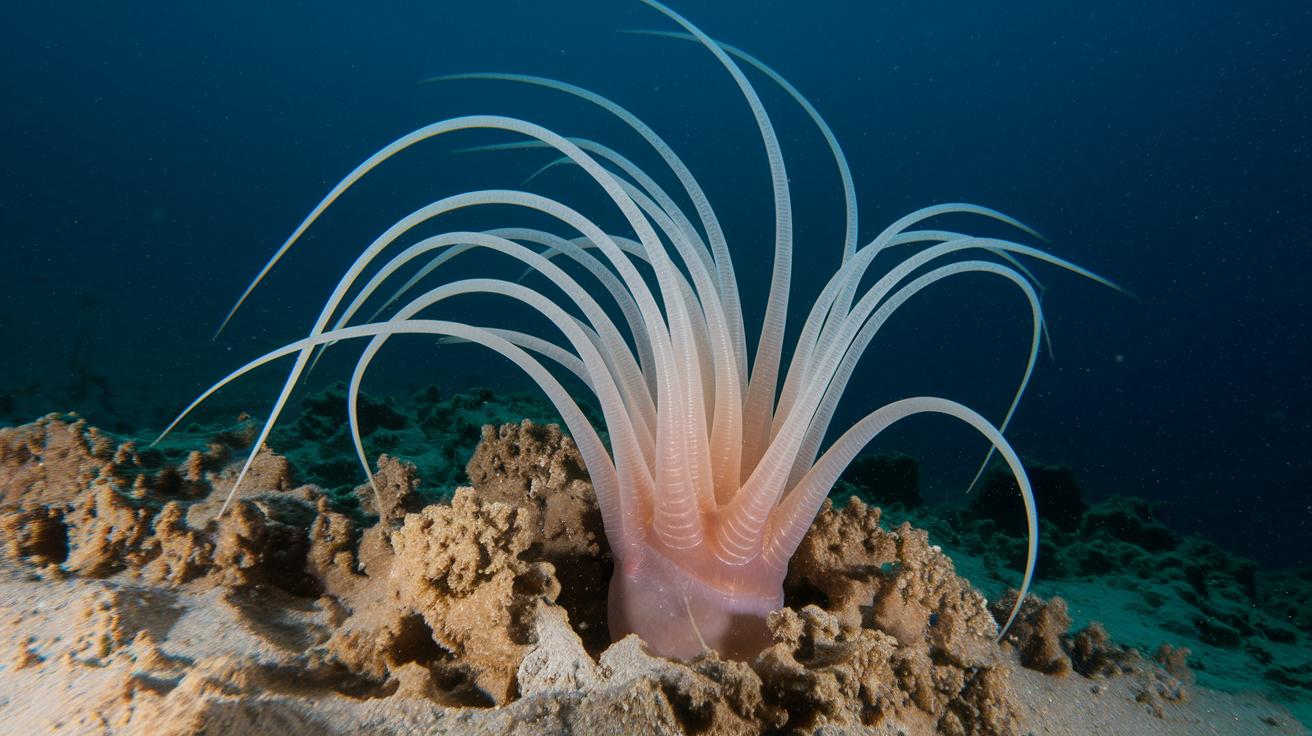
Down in the deep, icy waters, life is a real challenge. There’s hardly any food, crushing pressure, and the water feels almost freezing. In these harsh conditions, every creature must be smart about saving energy while catching a meal.
We’ve already talked about the fierce fangtooth, the resourceful giant isopod, and the mysterious vampire squid. Now, here are a couple more cool feeding methods that show just how creative deep-sea life can be:
-
Bobbit worm – This sneaky creature hides in the soft, murky sediment. Then, in an instant, it strikes out with its long tentacles, sometimes stretching up to three meters, to grab its prey.
-
Sea pig – Think of it like a little pig grazing on land. The sea pig roams the dark ocean floor and munches on bits of decaying matter, gathering the nutrients it needs to keep thriving.
Ecological significance of peculiar deep sea fish weird
One fascinating group in the underwater world is the giant siphonophore colonies. They gently scoop up tiny plankton at the water's surface and then drift downward like soft, sinking bubbles. This graceful movement carries carbon deeper into the ocean, keeping the water healthy and balanced.
Down by the mysterious hydrothermal vents, wiggly polychaete worms play a quiet yet crucial role. They provide a cozy spot for chemosynthetic bacteria, tiny organisms that make energy from chemicals instead of sunlight. This teamwork fuels life in the deep, dark parts of the sea and supports a complex underwater food web.
Over in another part of the ocean, emperor shrimp and sea slugs have their own friendly setup. The shrimp share a special bond with the slugs, benefiting from each other in a way that feels almost like a secret alliance. Meanwhile, Doto nudibranchs sport unique little extensions called cerata. These act like both a shield and a set of gentle gills, helping them to defend themselves and breathe, while also influencing which tiny predators come nearby.
Then there are the stargazer fish, the quiet guardians of their exotic seabed homes. With a calm and patient ambush style, they keep smaller fish in check, ensuring the underwater community stays in balance.
Final Words
In the action, we explored ten unique marine creatures, from anglerfish with its glowing lure to the gelatinous blobfish. We saw how harsh depths shape odd features and feeding methods, letting these deep sea fish weird species thrive. We broke down pressure, temperature, and light, then shared the surprising ways each survives and supports its ecosystem. Each deep-dweller proves that even in extreme conditions, life finds a way to charm us. Keep celebrating nature's amazing traits and stay curious about our underwater world!
FAQ
Frequently Asked Questions
What does “deep sea fish weird reddit” and “deep sea fish weird pictures” refer to?
These phrases refer to online communities sharing images and discussions about bizarre deep sea fish. They highlight the captivating, unusual appearances caught by photographers in the hidden ocean depths.
What are some examples of deep sea fish with weird names?
Deep sea fish often have odd names like blobfish, anglerfish, and gulper eel. Their names match their unusual shapes and quirky behavior, making them memorable even to casual ocean fans.
Which deep sea creatures are considered the biggest?
The biggest deep sea creatures can include species like the giant isopod or the rare goblin shark. They impress with their unusual size and remarkable adaptations to extreme ocean depths.
What unknown sea creatures thrive in the deep ocean?
Many unknown sea creatures, from unique anglerfish variants to mysterious vampire squid, inhabit the deep ocean. These species continue to puzzle researchers with their strange forms and secretive lifestyles.
Which deep sea fish are most common?
Common deep sea fish include species like the anglerfish and fangtooth. They have evolved features to survive in darkness and high pressure, making them regular residents of the deep ocean.
What deep sea creatures are considered beautiful?
Some deep sea creatures, such as the barrel-eye fish with its swiveling eyes or the graceful dumbo octopus, are admired for their unique and almost otherworldly beauty in a harsh environment.
Why do some deep sea creatures appear scary?
Many deep sea creatures look scary because of their unusual features like glowing lures and sharp teeth. These traits evolved to attract prey or fend off predators in the inky darkness of deep waters.
What is the weirdest deep-sea fish?
The weirdest deep-sea fish is subjective, but many people point to the blobfish for its droopy, gelatinous appearance, which helps it survive the intense pressure of deep-sea environments.
Why do deep sea fish look so weird?
Deep sea fish have strange appearances because they adapt to an environment of crushing pressure and low light. Their unique bodies and features help them capture food and avoid danger in the abyss.
What mystery fish puzzles scientists in the deep sea?
Mystery fish like the goblin shark often puzzle scientists. Its rare sightings and unusual features keep experts curious about its life and evolutionary history in the dark, unexplored parts of the ocean.
Which deep sea fish is known for its weird eyes?
The barrel-eye fish is famous for its unusual, tubular eyes that can swivel independently. This adaptation helps it spot prey and predators in the faint, scattered light of its deep-sea home.