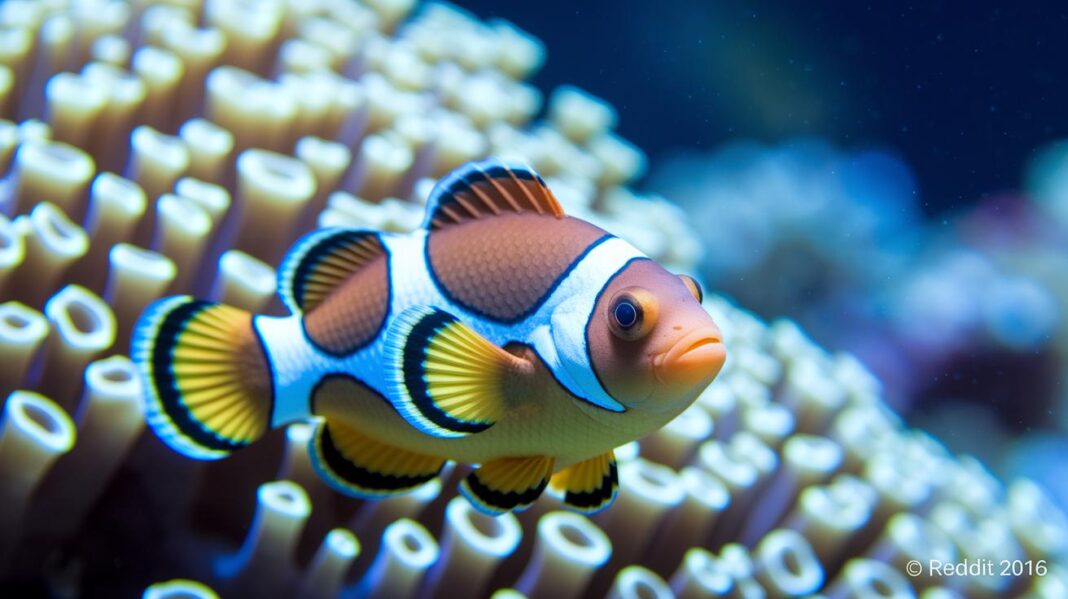

Have you ever been curious about the little secrets hiding beneath the ocean's wavy surface? Imagine a soft dumbo octopus with fins that look like gentle ears, a smiling pufferfish even though it carries a fierce toxin, and quirky nudibranchs adding a splash of color to shadowed waters.
Each of these deep-sea buddies shows us that even in dark, mysterious places, there’s plenty of beauty and charm to brighten your day. Today, we're diving into the underwater world to meet these adorable creatures who bring unexpected joy and wonder, much like the light dancing on a calm water surface.
Stunning gallery of cute deep-sea animals
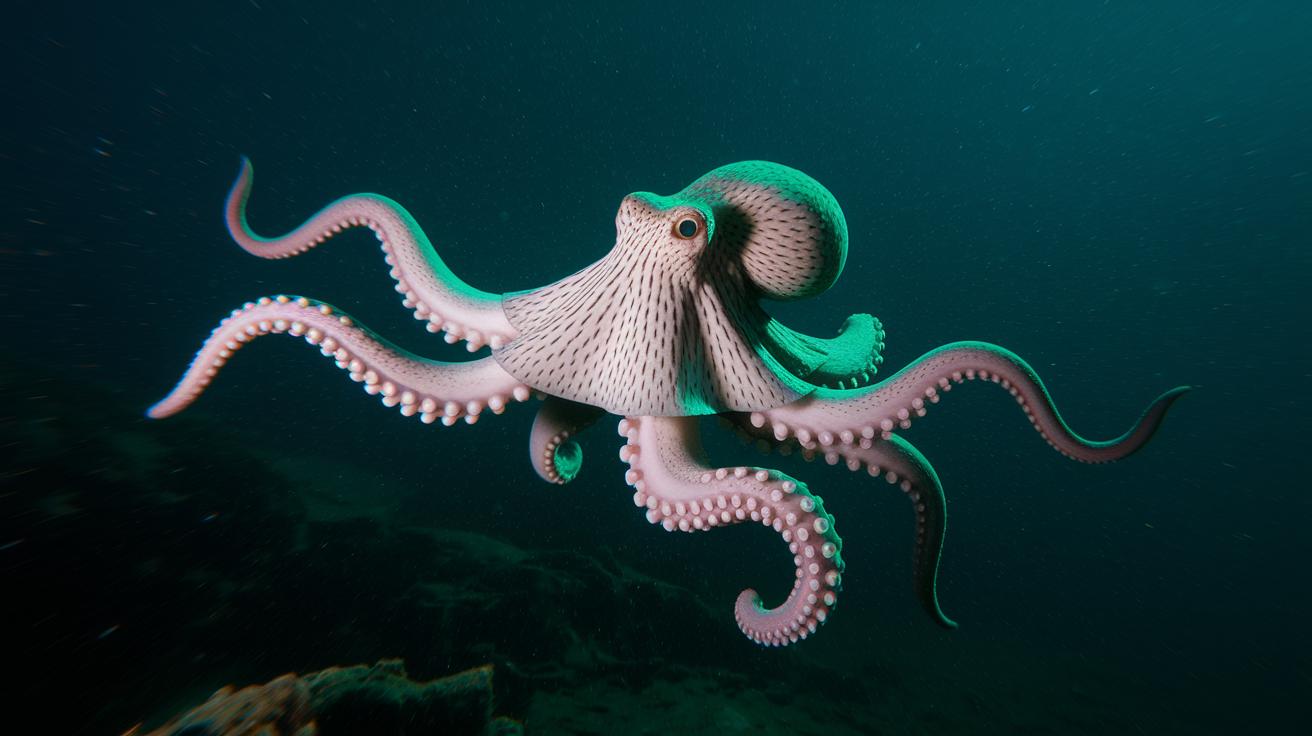
Imagine a watery world filled with fun deep-sea creatures that brighten up the dark with their unique charm. The dumbo octopus, with fins that look like little ears, drifts gently between 1,500 and 7,000 meters. It shows off a deep-sea magic that whispers quietly, much like a mystical jellyfish performing a hidden ballet.
The porcupine pufferfish catches your eye with its big, cheerful grin while hiding a powerful toxin. Even though it may look friendly, its toxin is nearly 1,200 times stronger than cyanide, and when it feels threatened, it can puff up to twice its normal size. Nearby, the Costasiella kuroshimae, affectionately known as "Shaun the Sheep" nudibranch because of its woolly look, is a rare and delightful sight that adds a quirky twist to the deep.
A playful beluga whale glides by with a round, happy smile as it chats in clicks and whistles in the chilly Arctic. And then there's the axolotl, with its feathery gills and wide grin, reminding us that even endangered species in Xochimilco have a heartwarming charm. It’s amazing how nature surprises us, like a baby octopus found by NOAA’s ROV in a Nantucket canyon, with its caring mother nearby guarding each precious egg, or a grinning comb jelly whose glowing cells create an ethereal light show in the deep.
Not to be missed is the rosy rockling fish living at methane seeps, where tiny microbial bubbles add just a touch of magic to its underwater home.
| Animal | Fun Fact |
|---|---|
| Dumbo Octopus | Found at 1,500–7,000 m depths with ear-like fins for graceful drifting. |
| Porcupine Pufferfish | Sports a big smile and can inflate, hiding toxin nearly 1,200 times stronger than cyanide. |
| Shaun the Sheep Nudibranch | Charming and rare critter with a woolly look reminiscent of a cartoon character. |
| Beluga Whale | Cheerful creature that communicates in friendly clicks and whistles. |
| Axolotl | Endangered yet adorable, with feathery gills and a bright, inviting smile. |
| Baby Octopus | Discovered in a Nantucket canyon, with a loving mother vigilantly guarding its eggs. |
| Grinning Comb Jelly | Its glowing cells and hair-like tentacles create an otherworldly light display. |
| Rosy Rockling Fish | Inhabits methane seeps, charming us with bubbles produced by tiny microbes. |
Bioluminescence and unique traits of deep-sea animals

Bioluminescence
Comb jellies light up the ocean’s dark corners with their natural glow. Their special light cells, called photocytes (that’s a fancy term for glow cells), shine brightly and lure in prey from the deep, shadowy waters. Imagine the deep sea coming alive with a gentle sparkle, much like a tiny firefly flickering in the night.
Enhanced Vision
Bigeye thresher sharks have eyes built for hunting in very dim light. Their enormous eyes, which take up almost 80% of their head width, let them spot even the faintest glimmer in the ocean’s dark corners. It’s as if they carry their own little spotlight, guiding them through the deep.
Camouflage
Pygmy seahorses are amazing at blending in. They change their color to match the gorgonian fans where they live, hiding perfectly among the bright, natural scenery. It’s like watching a chameleon match autumn leaves, nature’s clever trick to stay unseen.
Pressure Adaptation
Rosy rockling fish tackle crushing depths with a clever twist. Thanks to a swim bladder filled with lipids (fats that help cushion them), these fish stay strong even when water pressure soars past 1,800 meters. It’s nature’s own way of protecting these remarkable deep-sea dwellers.
These fascinating creatures show us how life finds a way to flourish in the most extreme underwater worlds. Isn’t it amazing how the ocean adapts, making even its darkest places sparkle with life?
Habitat zones of deep-sea animals by depth
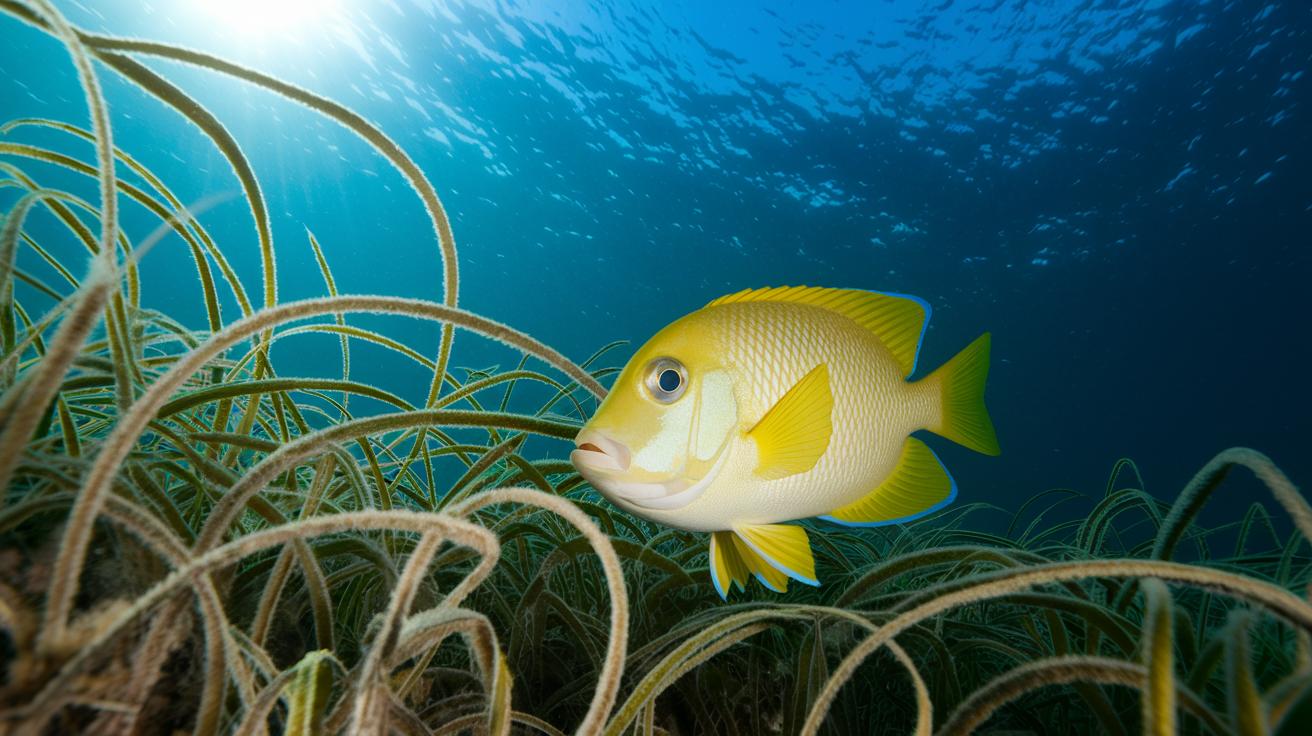
The ocean is like a layered cake, and each layer is home to its own charming deep-sea creatures. In the photic zone (0–200 m), sunlight dances over tropical reefs, bringing out colorful fish like the yellow boxfish. Imagine a playful boxfish zipping among waving seagrass, its scales sparkling just like sunlight on water.
As you dive down into the disphotic zone (200–1,000 m), the light starts to fade and a whole new world appears. Here, bigeye thresher sharks roam in the dim twilight, their huge eyes catching even the tiniest bit of light. It’s almost as if nature set up a special spotlight just for these mysterious sharks.
Going even deeper into the aphotic zone beyond 1,000 m, things take on a truly mysterious vibe. In this realm, the dumbo octopus drifts gracefully between 1,500 and 7,000 m. Meanwhile, ancient deep-sea corals, some said to be around for 4,000 years, make a quiet statement of endurance and wonder in the darkness.
At the deeper methane seeps, past 1,800 m, life finds a way. Rosy rockling fish and shrimp take shelter amidst delicate glass sponges. In these extreme conditions, nature reveals a surprising and engaging mix of life, proving that even the darkest depths can be filled with beauty.
Feeding strategies of cute deep-sea animals

Deep in the ocean, fun, adventurous creatures find clever ways to grab a bite. Take comb jellies, for example, they float along and use sticky tentacles to catch drifting plankton. Picture one gently meandering through the water, its tendrils gathering tiny, sparkling food bits, like a natural filter in a calm underwater twilight.
Bobtail squid, those sneaky night hunters, glide silently through the dark to nab small fish. Imagine a bobtail squid as a quiet shadow that suddenly leaps to grab its meal, showing that even in deep, murky waters, a quick, smart move can make all the difference.
Then there’s the rosy rockling fish. These little foragers sift through microbial mats at methane seeps and nibble on tiny organic leftovers that others might pass by. Think of them as miniature treasure hunters, tiptoeing among tiny bubbles and hidden clues on the ocean floor.
Meanwhile, a devoted mother octopus tends to her eggs, softly fanning them so every future baby gets a breath of fresh water. And near vibrant tropical reefs, a yellow boxfish munches on algae and delicate coral polyps, almost like enjoying a light, natural salad.
Each of these underwater friends shows off its unique feeding trick, proving that even in the soft, shadowy depths there’s a world full of creative, life-sustaining wonders.
Conservation and viewing tips for cute deep-sea animals
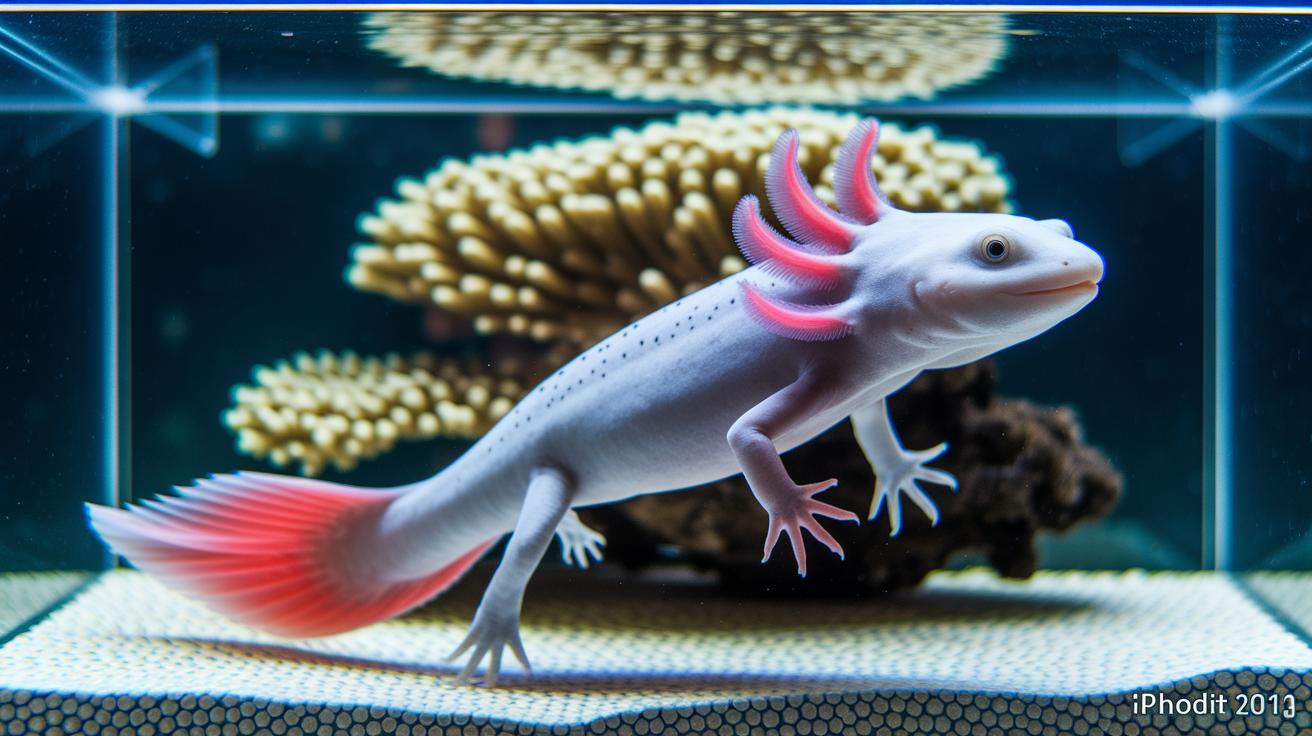
Deep-sea creatures remind us that even hidden parts of our world need gentle care. Take the axolotl in Xochimilco, for example, it’s facing a big drop in numbers because its home is shrinking and other species are invading. Even the ancient deep-sea corals, which can be as old as 4,000 years, are in danger from fishing methods that harm their slow-growing, delicate forms. And those special communities near methane seeps, where rosy rockling fish and sponge shrimp live, are feeling the strain from changes in the ocean.
It's important to make kind choices when you check out these quiet ocean wonders. Instead of disrupting their peaceful world, try watching NOAA’s ROV live streams or visit museum exhibits that feature baby octopus and glowing comb jellies. It’s like getting a backstage pass to the magic of the deep without disturbing its calm rhythm.
Here are a few friendly tips for enjoying these animals responsibly:
| Tip | Why It Matters |
|---|---|
| Support marine protected areas | These safe zones help keep the ocean healthy |
| Avoid fossil-fuel deep-sea drilling | It protects the delicate underwater landscape |
| Follow ROV tour guidelines | Ensuring our viewing fun doesn’t become disruptive |
| Learn more with sustainable tips | Check it out |
By keeping these ideas in mind, you help our enchanting deep-sea friends live in a world that stays vibrant and full of life. Isn't it wonderful how a little care can make such a big difference?
Final Words
In the action, we explored the enchanting realms of aquatic life, from their striking adaptations to the various depths they call home. We uncovered eye-opening insights into feeding habits and conservation practices, highlighting ways to enjoy nature responsibly. The post captured the playful spirit of these fascinating creatures and reminded us how every detail contributes to a thriving underwater scene. Let your passion for cute deep-sea animals spark a deeper love for our aquatic world and inspire mindful care every step of the way.
FAQ
Where can I find cute deep sea animals pictures and lists?
The cute deep sea animals pictures and lists highlight species like the dumbo octopus and porcupine pufferfish, offering a glimpse into a hidden, fascinating underwater world filled with charm and whimsy.
Which deep-sea creatures are the biggest?
The biggest deep-sea creatures stand out in size and mystery, showing off incredible adaptations to the crushing depths and intriguing many with their remarkable presence.
What are some names of cute deep sea animals?
The names of cute deep sea animals include the dumbo octopus, porcupine pufferfish, and grinning comb jelly, each known for playful designs and unique features that captivate onlookers.
Which sea creatures can be considered rare or unknown?
Rare and unknown sea creatures, like the costasiella kuroshimae and some photogenic comb jellies, intrigue observers with their unusual looks and scarce appearances in the vast dark ocean.
What is considered the cutest sea animal or deep sea fish?
The cutest sea animal or deep sea fish is often seen as one with a gentle, playful look—such as the dumbo octopus or porcupine pufferfish—which win hearts with their endearing features.
What deep sea animals are known to be friendly?
Friendly deep sea animals include those with warm, approachable traits, for instance, the beluga whale known for its soft smile and the calm, inviting nature of some shallow-water charmers.