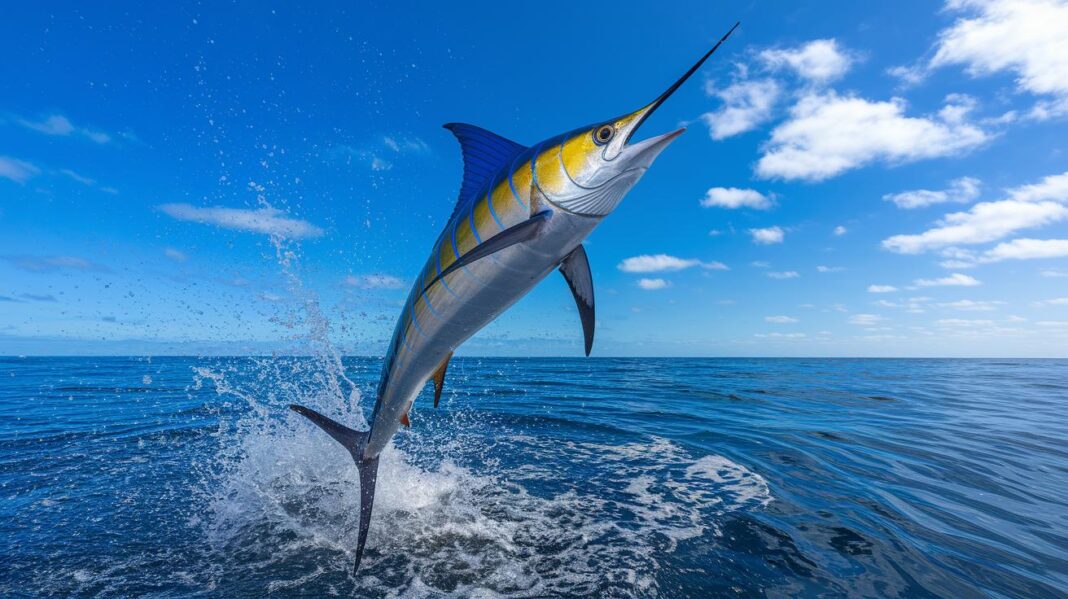

Ever wondered if a fish could outrun a speeding car? Some sea creatures move through the water as if powered by built-in jets. Fish like the Black Marlin and Sailfish burst forward with an energy that makes you stop and stare.
Their fast, sleek bodies tell a story of nature’s special design, built perfectly for life in the blue. Next, we’ll take a closer look at how these amazing swimmers use their speed to dodge danger and catch their meals. It’s like watching a beautiful dance under the sea, where every splash shows off nature’s clever tricks.
Fastest Sea Creatures Ranked by Top Speed
When it comes to ocean speedsters, these swimmers really know how to make a splash. The Black Marlin sits at the top, capable of a burst up to 82 mph. Its smooth, streamlined body makes it perfect for sudden dashes. And then there's the Sailfish, zipping through the water at about 68 mph, with a clever retractable dorsal fin that adds to its speed and grace.
Below you'll find our list of the top 15 speedy champions of the sea:
- Black Marlin – 82 mph (132 kph)
- Sailfish – 68 mph (110 kph)
- Swordfish – 60 mph (97 kph)
- Wahoo – 60 mph (97 kph)
- Dorado (Mahi-Mahi) – 50 mph (80 kph)
- Yellowfin Tuna – 47 mph (76 kph)
- Shortfin Mako Shark – 46 mph (74 kph)
- Atlantic Bluefin Tuna – 43 mph (69 kph)
- Blue Shark – 43 mph (69 kph)
- Bonefish – 40 mph (64 kph)
- Bottlenose Dolphin – 37 mph (60 kph)
- Great Barracuda – 36 mph (58 kph)
- Tarpon – 35 mph (56 kph)
- Flying Fish (gliding) – 35 mph (56 kph)
- Orca (Killer Whale) – 34 mph (55 kph)
Each creature here has its own unique design that helps it thrive in watery worlds. For example, the Swordfish uses its long bill not just to spear prey but also to cut through the water more efficiently. And the Wahoo’s striking blue and silver stripes hint at the agility that lets it dart away from danger in the blink of an eye. It’s amazing how nature fine-tunes each one for life under the waves.
Measuring Speed in Sea Creatures
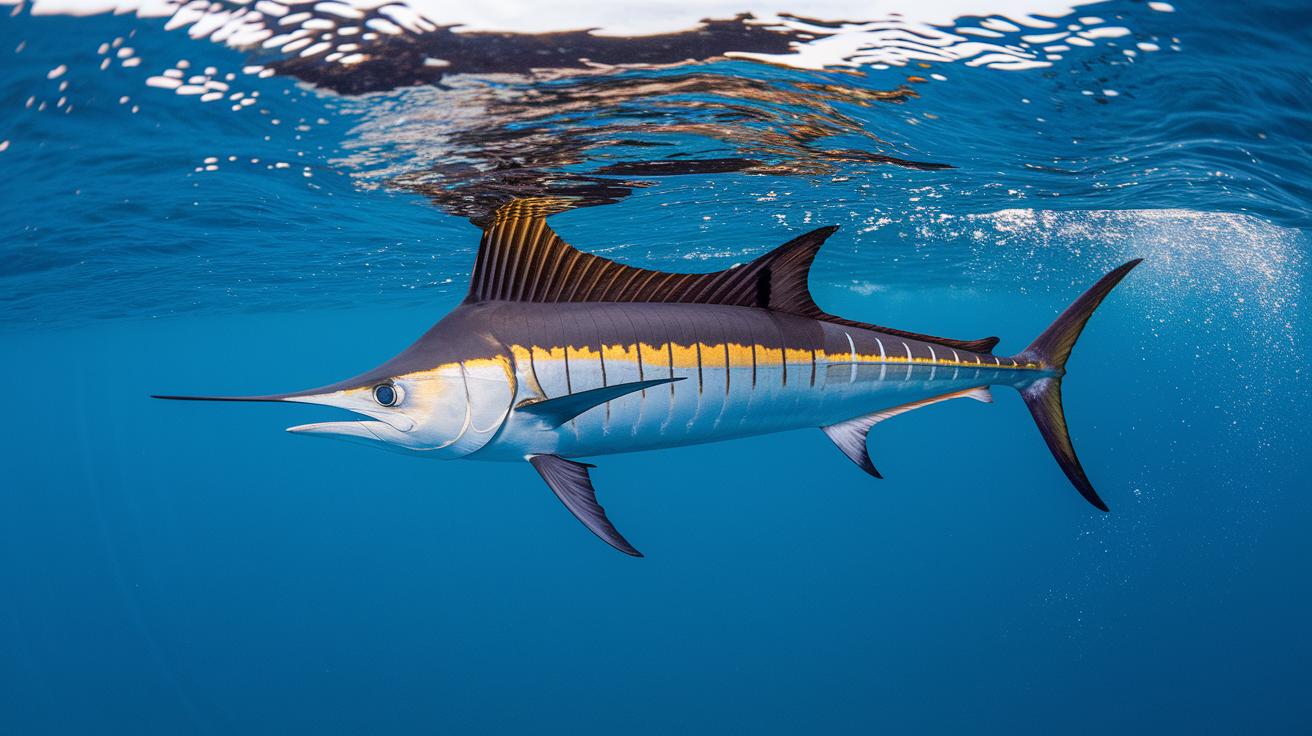
Marine scientists measure how fast sea animals can move by checking both their quick dash speeds and their ability to swim fast for longer periods. Burst speed is all about that sudden, explosive sprint, while sustained speed shows how well a creature can keep up a fast pace over time.
For example, the Black Marlin can zoom at an incredible 82 mph in a short burst, a real flash of power! On the other hand, fish like tuna and sailfish are built to cruise at high speeds over longer distances, giving them a consistent edge whether they're chasing down prey or escaping danger.
Imagine a sprinter blasting off the starting line compared to a marathoner holding a steady pace from start to finish. Marine researchers use high-speed cameras and smart tracking gadgets to capture these moments, much the same way photographers freeze the shimmering ripples on a lake.
These speed checks help us see just how different sea creatures really are from us. A regular person swims around 2 mph, and even the best human swimmers hit only about 5 mph in a race. In truth, many underwater animals easily beat human capabilities, thanks to how their streamlined bodies and strong muscles work together, much like a finely tuned engine in a boat.
Physiological Adaptations for High Speed in Sea Creatures
These ocean sprinters move fast because their bodies are perfectly tuned, kind of like a well-crafted machine. Take the Black Marlin, for example. Its sturdy pectoral fin works like a flat paddle, cutting through water with barely a ripple. It’s like having a strong wing that gives it a powerful burst of speed.
Marlins and tunas share a smooth, streamlined shape that helps them glide through water effortlessly, almost like a bullet zooming through the sea. Their bodies are designed to reduce drag, letting them push forward with minimal effort, much like a boat moving over calm water.
The Sailfish is another impressive creature. It has a large, retractable dorsal sail that not only looks striking but also helps steer and control its speed during rapid dives. Similarly, the Swordfish uses its long, pointed bill to smooth the water flow along its body, acting like a sharp tool slicing through the ocean.
Then there’s the Mako Shark with its unique twist: specialized tail fins and warm muscles. These endothermic muscles keep the shark warm in cooler waters, helping it maintain high speeds even in chilly conditions.
Each of these features plays a special role, turning these sea creatures into true ocean sprinters, nature’s own high-speed racers.
Top Fish Among the Fastest Sea Creatures

All the cool details about these speedy fish are now part of our Physiological Adaptations section. If you're curious about what makes them move so uniquely, like the Black Marlin using its strong tail for quick bursts or the Sailfish tucking away its dorsal fin for those sharp turns, you’ll find all that good stuff there.
Picture it like this: instead of taking another look at their speeds and sizes, imagine a Black Marlin gliding effortlessly through the water. Its smooth, streamlined body and powerful tail work together like a well-tuned engine, pushing it forward with the same energy as a speedboat slicing through clear waves.
Marine Mammals and Invertebrates That Rank Among the Fastest Sea Creatures
Bottlenose Dolphin
Bottlenose Dolphins can zip through water at around 37 mph. These graceful swimmers use echolocation, kind of like nature's sonar, to navigate and find food. Picture a dolphin smoothly weaving through the sea, turning its body like a well-practiced gymnast. Did you know a Bottlenose Dolphin can sync its leaps and spins to put on a show that even experts admire? Their slim, streamlined shape and quick fins help them make sharp turns and dash around obstacles with ease.
Killer Whale (Orca)
Killer Whales, also known as Orcas, can reach speeds of about 34 mph. These impressive creatures are not just fast, they also work together as a team when hunting, which makes them stand out. Imagine watching a group of orcas moving in perfect harmony, each one playing its part like a member of a skilled dance troupe. Their strong builds and powerful tails let them burst forward suddenly, almost as if they’re gliding silently on a secret current.
Mantis Shrimp
Now, the Mantis Shrimp is a whole different kind of wonder. It doesn’t swim fast across the ocean, but when it strikes, it does so in just 4 to 8 milliseconds! Think of it as a little powerhouse whose punch is so rapid it can break shells and stun prey before anyone even blinks. Did you know that a Mantis Shrimp’s strike is almost as fast as a bullet leaving a gun? Its lightning-fast attack makes it a tiny marvel in the animal world.
These amazing speed records show just how special each of these sea creatures is, whether it’s a sleek mammal cutting through open water or a miniature invertebrate delivering a blink-and-you-miss-it strike.
Evolution and Ecological Significance of Fastest Sea Creatures
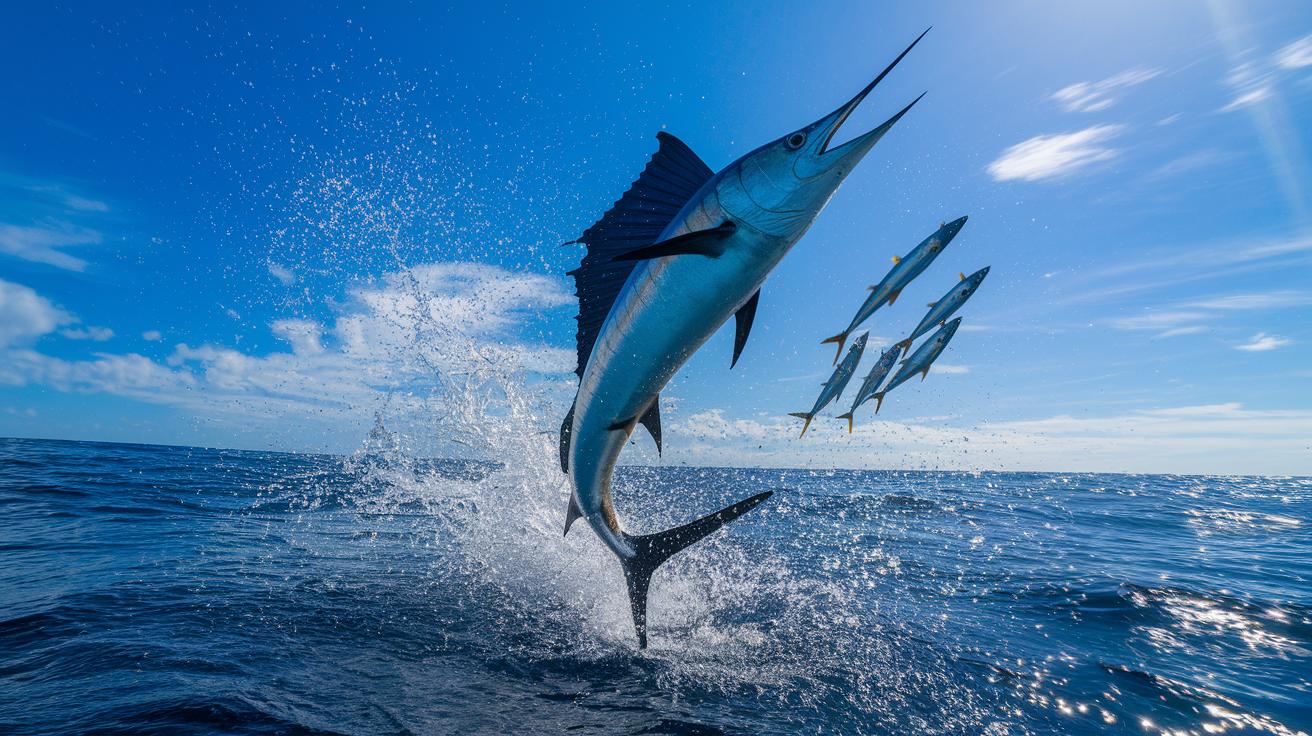
Speed in the ocean is more than just breaking records; it is a vital tool for survival. Marine animals use quick bursts to catch their meals, slip away from dangers, and keep their energy for long journeys. It’s like the gentle push of a current that helps them make split-second choices. Take the sailfish, for instance, it darts through schools of fish with a burst of agility that is both impressive and necessary for a successful hunt.
But speed isn’t the only trick in the sea. Some creatures, like the Black Marlin, rely on sudden dashes to snatch a meal, while others, such as tunas, zip along at steady speeds to cover huge stretches of the ocean. It’s a balance, almost like deciding between a short, exciting sprint or a calm, long-distance swim. Fast predators help keep the ocean ecosystem in check, guiding how other fish behave and shaping the entire food chain.
Imagine the ocean as a finely tuned machine where every little movement counts. The need for speed stirs evolution, nudging species to adapt and flourish in an ever-changing marine world. Isn't it amazing how these underwater athletes keep the delicate balance of life in the sea?
Final Words
In the action, we broke down a list of incredible swimmers, starting with standout speeds of Black Marlin and Sailfish. We talked about how scientists measure burst speeds compared to steady swimming and looked at the clever body designs that help these fish zip through water. We even met friendly dolphins and swift invertebrates that add to the excitement of the underwater world. May your next glance at the ocean remind you of the wonder found in the fastest sea creatures.
FAQ
What is the fastest sea creature?
The fastest sea creature is the Black Marlin, which can burst up to 82 mph, making it a standout among marine species.
What are the top 10 fastest sea creatures?
The top 10 fastest sea creatures include species like the Black Marlin, Sailfish, Swordfish, and Shortfin Mako Shark, each noted for their impressive burst speeds.
How do sea creature speeds compare to land animal speeds?
Sea creatures like the Black Marlin achieve remarkable burst speeds underwater, but many land animals, such as the cheetah, can reach even higher speeds on land.
Is an orca faster than a cheetah?
An orca can reach a burst speed of about 34 mph in water, which is slower than a cheetah that can sprint over 60 mph on land.
What are the fastest sea mammals and their speeds?
The Bottlenose Dolphin is one of the fastest sea mammals, reaching speeds around 37 mph, known for its nimble and agile swimming.
How do marine experts measure the speed of sea creatures?
Marine speeds are measured by looking at burst speeds and sustained swimming speeds, with comparisons made using benchmarks like human swim speeds for context.
What physical traits help sea creatures swim so fast?
Fast sea creatures have streamlined bodies, specialized fins, and unique features like the Swordfish’s bill, all of which reduce water resistance and boost speed.
Which is faster, a barracuda or a sailfish?
A sailfish is faster, reaching speeds up to 68 mph, while barracudas, though agile, do not match that burst speed.
How are the fastest sea creatures ranked by experts?
Experts rank these creatures based on recorded speeds, physical adaptations, and natural hunting behaviors, with species like the Black Marlin and Sailfish leading the list.