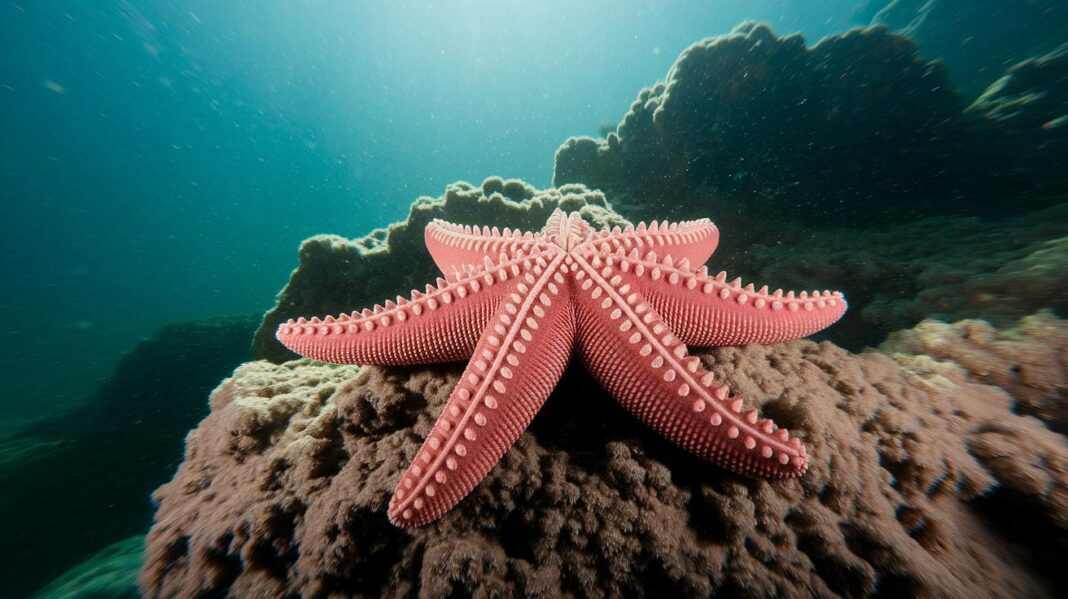

Ever wondered how a sea creature manages crushing pressure while still moving with a smooth, flowing grace? Deep down in the dark parts of the ocean, starfish thrive where barely any light filters through. They live in chilly, high-pressure waters and use their clever, flexible bodies to glide over soft, ever-changing seabeds. Their many arms work like little helpers, both for moving around and hunting for food. Next, let’s take a closer look at these amazing starfish, each one a tiny marvel adapting to one of nature’s toughest underwater worlds.
Biology and Habitat of Deep Sea Starfish

Deep sea starfish live in a quiet world where light barely touches. Researchers have discovered 13 different species off the coast of Greenland in waters deeper than 320 meters. These starfish have adapted to cold, high-pressure water, making their world as mysterious as a hidden cave. It’s like nature’s own secret show, happening far beneath the waves.
Down on the soft, untouched ocean floors, these starfish settle into wide, open plains and deep trenches. The gentle sway of the currents creates a natural rhythm, almost like a lullaby, carrying these creatures along as they search slowly for food. Even in a place where meals are few and far between, every starfish plays a part in keeping the deep sea balanced.
Then, in 2016, explorers on a Marianas expedition made an incredible find, over two dozen new starfish species from depths exceeding 3,000 meters. This amazing discovery has opened our eyes to just how varied deep sea starfish are. Ongoing research continues to reveal the wonders of life in the deepest parts of our oceans, where every creature shines like a tiny spark in the dark.
Deep Sea Starfish Radiate Scientific Brilliance

Deep sea starfish have cool body features that help them live in the dark and crushing depths. They come with five to twenty arms, all set out perfectly to help them move around on soft, shifting seabeds. Under their skin, they have a light, flexible inner skeleton made of tiny, hard pieces that can handle strong pressure yet let them move gracefully. This smart design shows off a mix of strength and flexibility, proving these starfish are true champions of the deep ocean.
- Arm count and arrangement: Their many arms spread out to help them move and find food.
- Calcified ossicle endoskeleton: The tiny hard pieces inside give them a strong but bendy frame that cushions the heavy deep sea pressure.
- Tube feet and podia structure: Their little tube feet stick tightly to the soft, uneven ocean floor.
- Compound eye and photoreceptor systems: In species like Novodinia americana, special eyes with hundreds of tiny parts help form images even in near darkness.
- Bioluminescent organ placement: Light organs along their arms glow, probably to help them communicate or attract prey.
All these features show how clever nature can be, letting these starfish thrive in a dark and challenging world. Each unique trait, from flexible arms to glowing spots along their limbs, lets them sense, move, and share signals in ways that feel almost magical. Their bodies are built not only for survival but also as a brilliant example of nature's astonishing design.
Adaptations of Deep Sea Starfish to Extreme Conditions
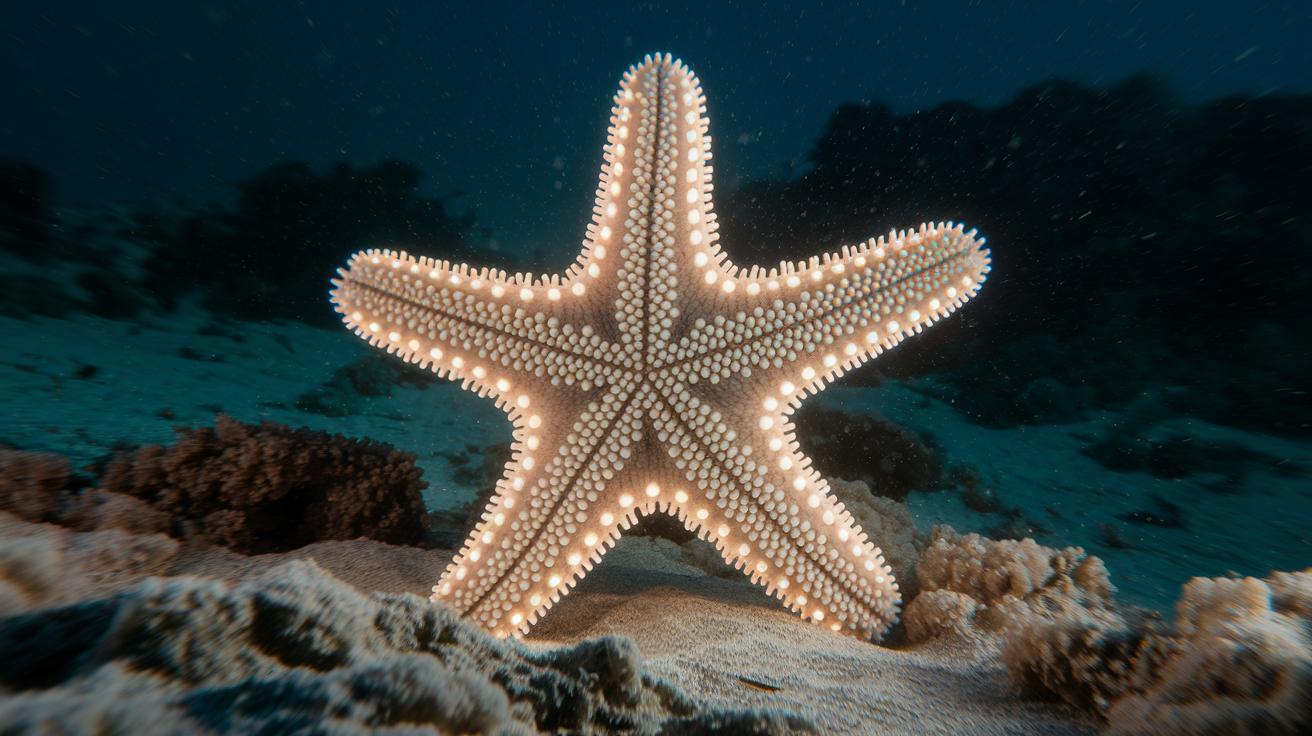
Deep sea starfish mix tough body traits with smart systems that help them live where water pressure is over 100 MPa and the cold is nearly freezing. Their sturdy, cartilage-like skeleton works like built-in armor against heavy forces, while a special hemal system moves nutrients around like a smooth current even under high pressure. They also use light and compound eyes to spot even the dimmest glows. For instance, Novodinia americana sends out gentle body light pulses to chat and find a mate.
| Adaptation | Function |
|---|---|
| Reinforced, cartilage-like skeleton | Holds shape and absorbs water pressure above 100 MPa |
| Reduced metabolic rate | Saves energy in cold places with little food |
| Bioluminescent capability | Creates light signals for talking and finding a mate |
| Advanced vision | Uses compound eyes to catch even the faintest light |
| Specialized hemal system | Carries nutrients efficiently despite tough conditions |
By mixing clever behaviors with smart body design, these starfish show us how nature works in extreme places. Each feature, from sturdy structure to keen senses, joins together like a team of swimmers navigating a deep, mysterious sea.
Feeding Habits and Nutritional Ecology of Deep Sea Starfish

Deep sea starfish are like nature's own cleaning crew. They scavenge along the seafloor for little bits of food, like debris, dead animals, and tiny critters that hang around the bottom. Many of these starfish drift through the dim water, snapping up any meal that drifts their way. And some, such as Novodinia americana, even use their glowing light to catch a glimpse of tasty morsels. Imagine a starfish glowing softly in the dark, much like a small lantern, guiding it to a hidden meal. It’s a clever trick that helps them make the most of every bite in a place where even a small scrap matters.
These starfish do more than just eat, they help keep the underwater world balanced. By breaking down bits of organic matter, they recycle nutrients and stir up the seafloor’s sediment. Their work turns leftover debris into life-giving nutrients for other creatures living on the bottom. In truth, their steady scavenging plays a quiet yet essential part in keeping the deep sea healthy and full of life.
Reproduction and Regenerative Properties of Deep Sea Starfish
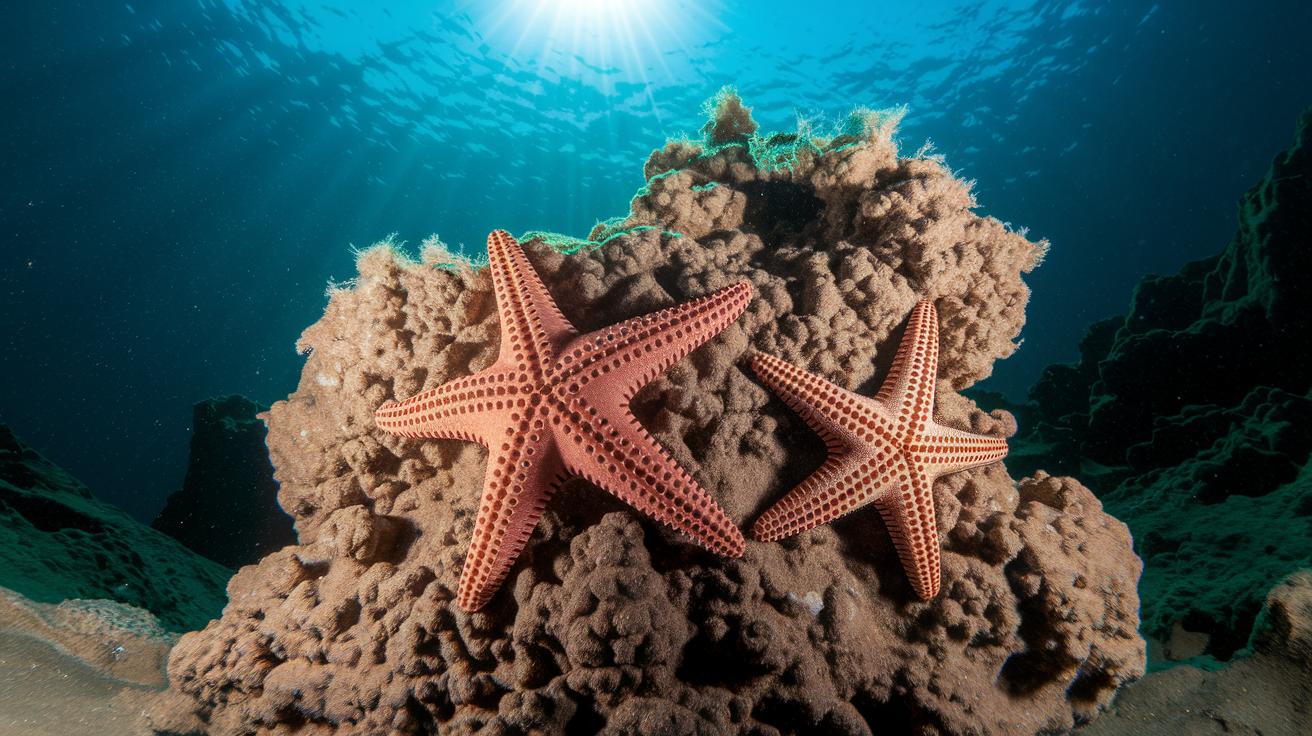
Deep sea starfish have a reproduction method that's as mysterious as the deep ocean itself. They share their eggs and sperm into the open water, a process called broadcast spawning, which mixes their genes far and wide. Once fertilized, the tiny larvae drift in a planktonic bipinnaria stage, carried along by the ocean currents until they finally settle on the seafloor. This clever approach fits perfectly with life in vast, lonely deep waters, helping new starfish communities to form even where meetings are rare.
- External fertilization and broadcast spawning
- Duration of the planktonic bipinnaria stage
- Arm regrowth timeline and rate
- Cellular mechanisms in growth zones
After their spawning season, these starfish show an amazing talent for regeneration. If a starfish loses an arm from a predator’s nibble or a harsh encounter, it quickly kicks into gear by activating special growth zones at the arm's base. Many species can start regrowing a full arm within just a few months. This impressive ability not only helps them bounce back from everyday challenges in the deep, dark, high-pressure waters, but also keeps them strong and ready for whatever the ocean may bring.
Diversity and Taxonomy of Deep Sea Starfish
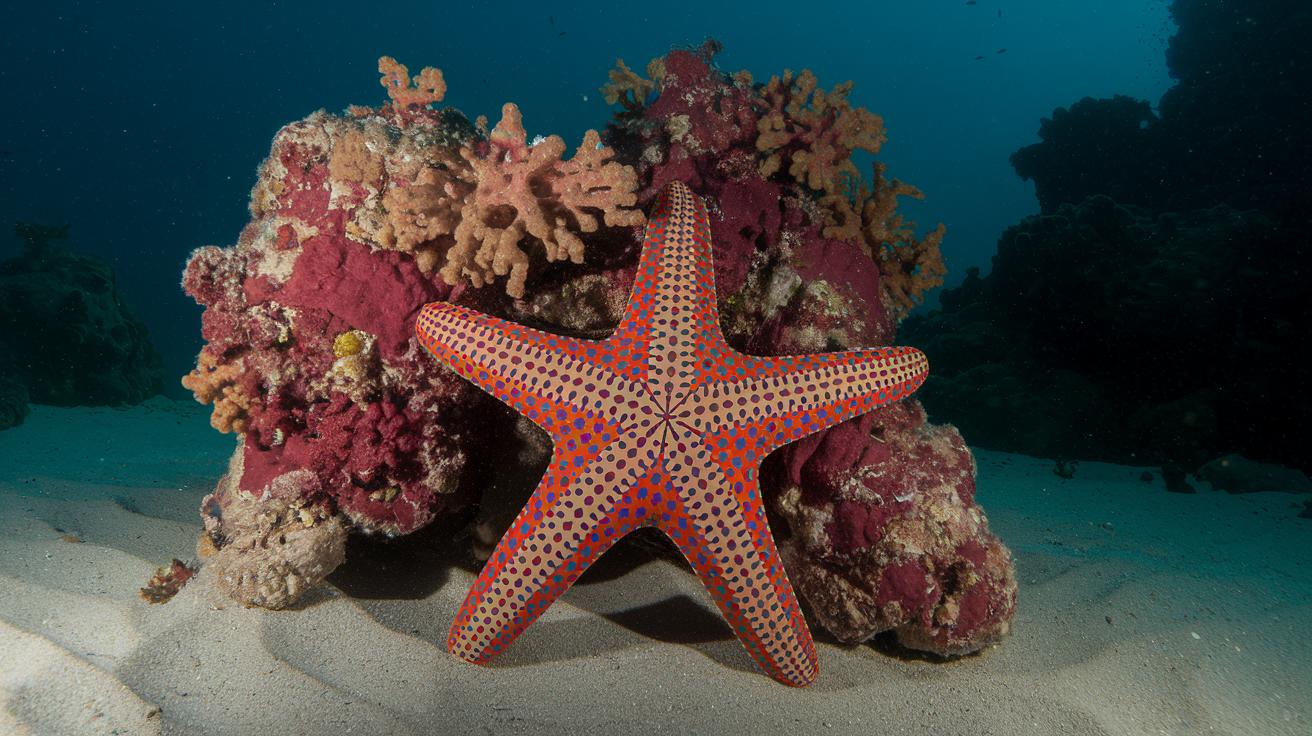
Deep sea starfish are truly amazing, bursting with variety that never fails to fascinate researchers. Back in 2016, during an expedition in the Marianas, scientists uncovered more than 24 new species hiding in the inky darkness. It was like flipping through a secret chapter of an ancient marine tale, with each starfish sharing its unique story under extreme, mysterious conditions.
Off the coast of Greenland, researchers found 13 different species spread across several key families. For instance, the Goniasteridae are known for their sturdy, solid shapes, while the Brisingidae sport unusual arm arrangements. Then there’s the Poraniidae, which adds a special flavor to these underwater communities. By grouping starfish into these families, scientists get a clearer picture of how they evolve and adapt to the harsh, deep-sea environment.
Among these wonders, the biscuit stars of the genus Peltaster stand out. They have broad, flat discs and shorter arms compared to their more familiar cousins. This unique design not only sets them apart but also suggests clever adaptations for life on soft, shifting seafloors. It’s a delightful reminder that even within one group, nature loves to surprise us with its hidden treasures.
Ecological Roles and Interactions of Deep Sea Starfish
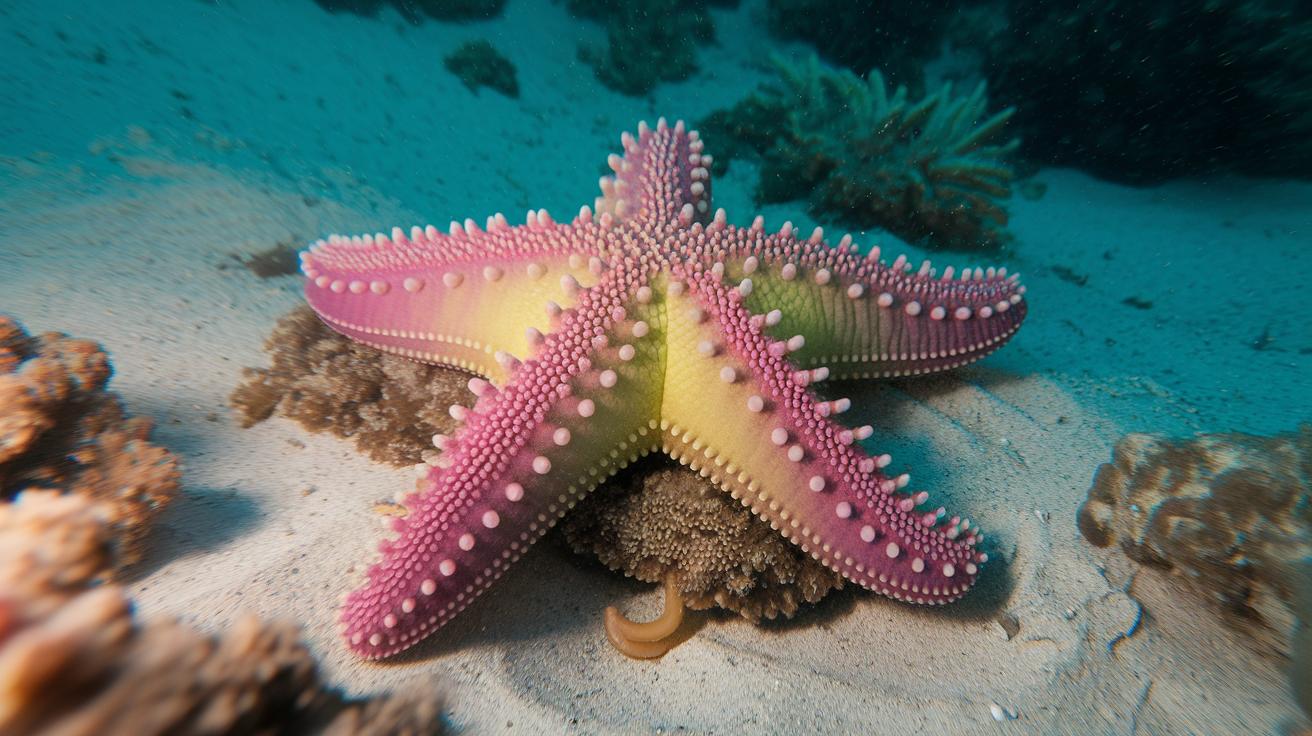
Deep sea starfish play a key role on the ocean floor by hunting small invertebrates and cleaning up leftover bits, which helps keep other creatures in balance. Their way of feeding sometimes even makes room for little polychaete worms to find shelter under their tough skin. Imagine a tiny worm snuggling up under a starfish, it's a sweet, natural moment of teamwork that scientists have observed recently.
As these starfish slowly crawl along the seabed, they stir up fine sediments like a gentle current, lifting particles that help mix oxygen and spread nutrients. Lab tests show that the starfish's careful movements can boost local water quality by about 10% in areas with refreshed sediment. This slow, deliberate motion not only helps recycle vital nutrients but also creates a friendlier home for other bottom-dwellers.
Conservation Status and Future Research on Deep Sea Starfish
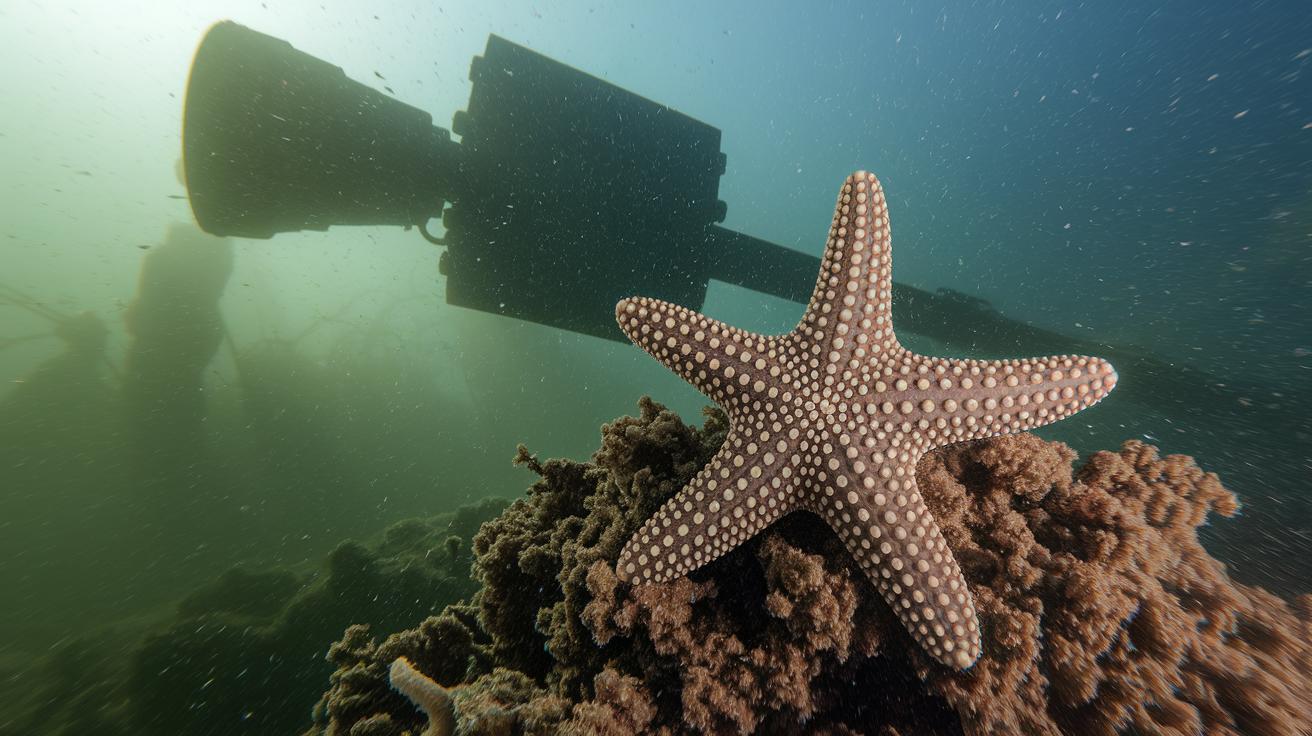
Many deep sea starfish call the quiet, dark parts of our oceans home, yet human activities are taking a toll on them. Activities like seabed mining and bottom trawling disturb the soft ocean floor and mess up the secret hideouts these creatures depend on. Picture a starfish gently clinging to the sediment as heavy machinery disrupts its world. Since these animals haven’t been given a proper conservation check-up, we’re still in the dark about just how at risk they might be, a thought that has both scientists and nature lovers really worried.
Industries continue to push deep ocean communities to their limits. Climate change is shifting the zones where oxygen is scarce, putting extra stress on an environment where every bit of oxygen counts. It’s like being in a room that slowly gets smaller, making it tougher for these animals to breathe. Whether it’s direct human disturbance or the side effects of a warming planet, the threat to these fascinating organisms makes it more important than ever to learn about their ability to adapt.
New research tools are lighting up even the darkest parts of the sea, and that gives us hope. Techniques such as ROV surveys, remote imaging, and DNA barcoding are bringing fresh insights into the lives of deep sea starfish. One recent study even found surprising patterns in where these creatures live, much like uncovering secret chapters in a well-worn book. These advances are turning lone observations into a fuller picture, which will help guide future steps to protect these mysterious residents of the deep.
Final Words
In the action, we explored deep sea starfish from every angle. The blog post touched on where these intriguing creatures live, their unique body features, and their clever techniques to thrive under extreme pressures. We also examined what they eat, their ability to regrow lost arms, and their vital role in the underwater world. With research shaping our view of their conservation and future, every detail reminds us of nature’s delicate balance. Keep embracing and caring for a vibrant aquatic environment, it all starts with understanding these remarkable marine stars.
FAQ
Deep sea starfish species
The deep sea starfish species include a variety discovered in extreme ocean depths, with discoveries off Greenland and the Marianas highlighting over two dozen distinct types adapted to abyssal life.
Deep sea starfish for sale
The deep sea starfish for sale are rarely available because collecting them is challenging and they require very specific oceanic conditions, making them unsuitable for the typical aquarium trade.
Deep sea starfish size
The deep sea starfish size can vary significantly, with some species measuring just a few centimeters while others extend over a foot across, reflecting their adaptation to different deep-ocean environments.
Deep sea jellyfish
The deep sea jellyfish differ from starfish by their gelatinous bodies, unique bioluminescence, and drifting lifestyles, all of which allow them to thrive in the near-total darkness of the ocean’s depths.
Brisinga starfish
The Brisinga starfish are known for having many slender arms and a delicate calcified structure, making them distinct among deep sea echinoderms and well-suited for capturing food particles in deep waters.
Sunflower starfish
The Sunflower starfish are recognized by their bright, sun-like appearance and multiple arms, though they typically inhabit shallower or moderately deep waters rather than the extreme depths where many deep sea species are found.
Deep sea creatures
The deep sea creatures include a range of animals like starfish, jellyfish, and specialized fish, all uniquely adapted to live under crushing pressures, near-freezing temperatures, and scarce light in the ocean’s depths.
Deep sea fish
The deep sea fish exhibit unique features such as bioluminescence and flexible bodies to survive the high-pressure, low-light conditions of their habitat, allowing them to find food and mates in sparse environments.
Are starfish in the deep-sea?
The starfish in the deep-sea thrive in both shallow and abyssal zones, with several species specially adapted to extreme pressures and minimal light, confirming their presence in some of the Earth’s most hidden habitats.
What is the deadliest starfish in the world?
The deadliest starfish in the world is not a real concern as no starfish is known to pose lethal dangers to humans; some may produce mild toxins but are generally harmless when respected.
Can I touch a Seastar?
The seastar is best observed rather than touched, as its delicate skin can be easily damaged and handling may stress the animal; it’s wise to admire these creatures from a safe, respectful distance.
What happens if you get stung by a starfish?
The sting from a starfish is rare and usually causes only minor irritation; most species are not venomous, but if discomfort or symptoms worsen, it’s advisable to consult a medical professional.
How do starfish, brittle stars, crinoids, sea cucumbers, seahorses, and sharks differ in marine ecosystems?
The combination of starfish, brittle stars, and crinoids shares echinoderm traits with many arms or feathery structures, whereas sea cucumbers have soft bodies, and seahorses and sharks are vertebrates with distinct roles in their ecosystems.