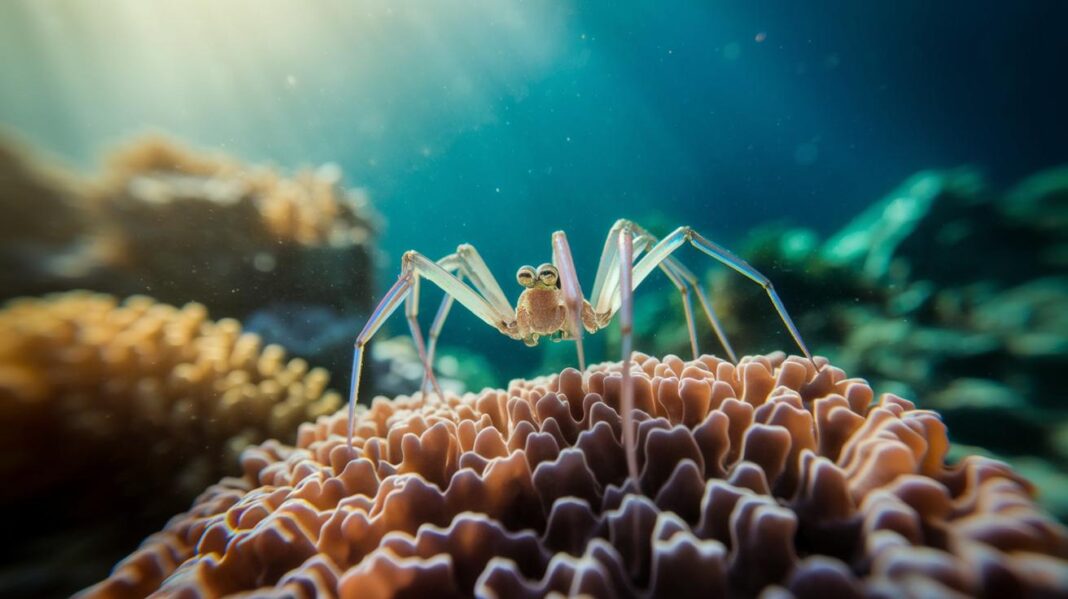

Ever wonder how a little creature can still make a big splash? The ocean spider is a quiet wonder that shows us just that. In warm water, it’s so tiny it barely reaches an inch. But in colder seas, its legs spread out wide, almost like the gentle spread of sea anemone tentacles. Its way of breathing might seem strange at first, but it works perfectly for its simple body. It’s a small but impressive friend that adds its own special charm to underwater life.
Ocean Spider Profile: Defining a Unique Marine Arthropod
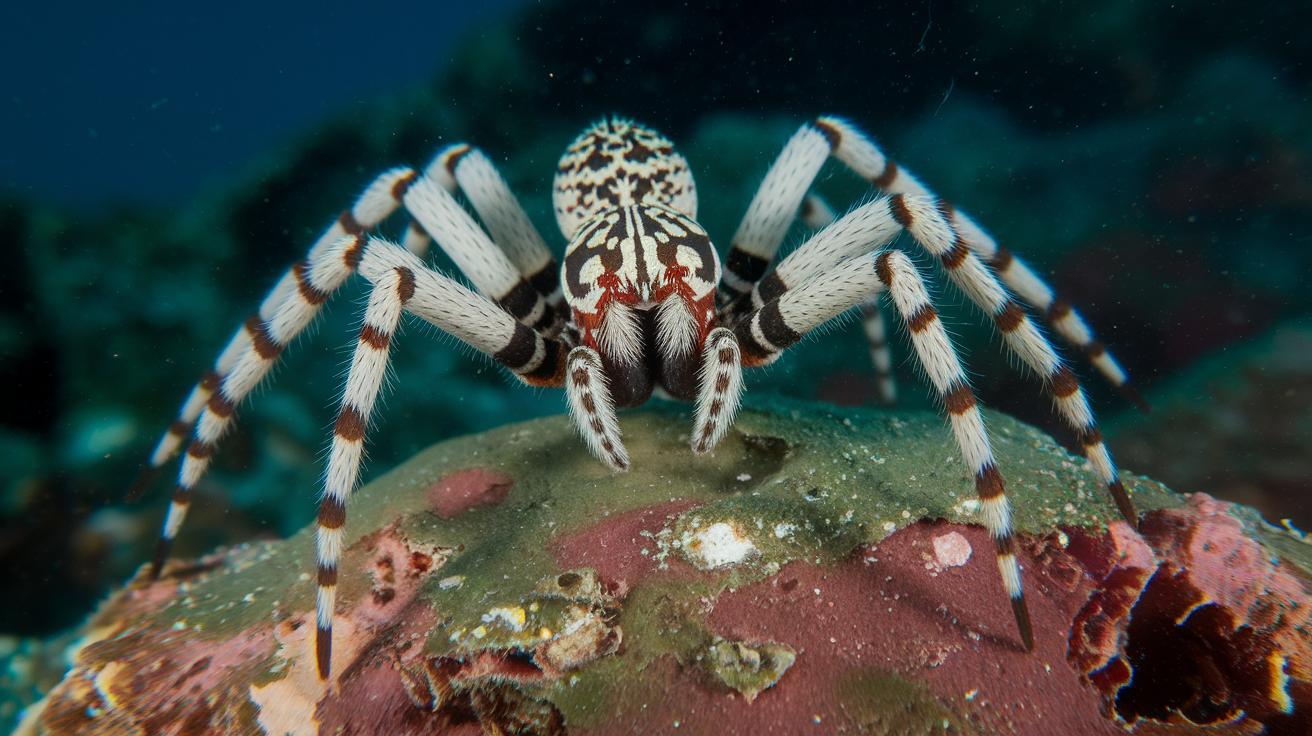
Sea spiders are a cool part of marine life and belong to a group called Pycnogonida. They have a body made of segments covered by a hard chitin shell and sport eight long legs that help them wander from sunny shallow shores to the deep, dark parts of the ocean.
Picture this: a tiny sea spider having a leg span of just 0.4 inches sometimes, but in colder, polar waters, those same legs can stretch up to 28 inches! It shows just how much they can change and adapt to different places. Even though they look a bit like spiders, these creatures are true marine chelicerates, built just right for life in the water.
Their way of breathing is pretty interesting too. Instead of using gills or lungs like many other animals, they suck in oxygen through little pores in their legs. This clever trick helps them survive in water that changes from place to place. They also have a unique diet, mostly munching on soft-bodied creatures, which keeps the underwater world in balance.
It’s amazing to see how nature has crafted these sea spiders over the years. I love learning that some even breathe through pores in their legs. It’s just another reminder of how wonderfully surprising our ocean world really is.
Ocean Spider Anatomy: Deep‐Sea Arachnid Structure and Adaptations
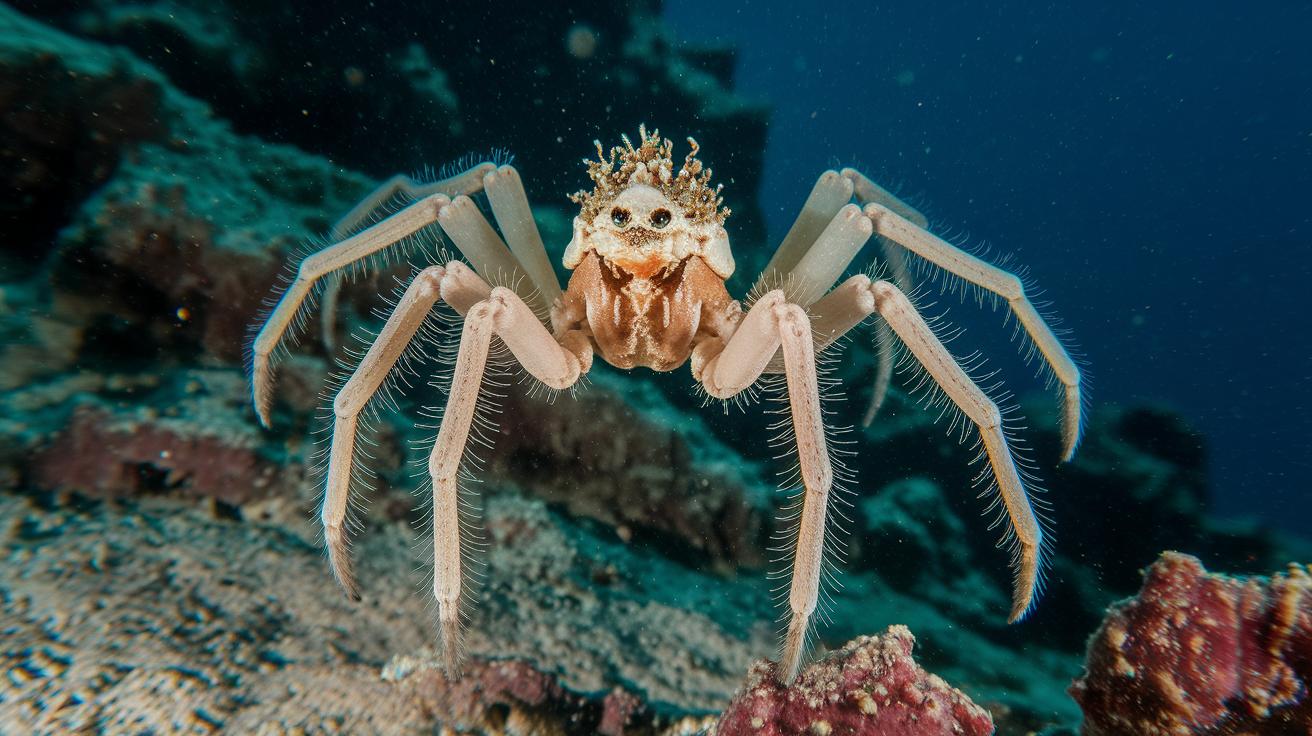
Ocean spiders have a really cool design that helps them thrive deep underwater. They have a body split into two parts, a head and a combined chest, with a separate rear segment. They even breathe through tiny pores on their legs! It’s a neat trick for living in the deep, dark ocean where air is scarce.
They also use a tube-like mouth, kind of like a straw you might sip your drink with, to suck up nutrients from their prey. Their simple eyes on the top of their body and little sensory hairs on their legs help them pick up on changes even in dim lighting. And the way their legs move lets them crawl along rough and uneven sea floors as they search for food, as if they’re gently reading nature’s guidebook for deep water.
Every part of the ocean spider is built to handle the high pressure and little light found far below. Their streamlined body is like a survival kit perfectly assembled for a tough underwater world. Watching these fascinating creatures is like getting a peek at nature’s secrets for staying alive in the deep sea. Their design also allows them to keep moving smoothly, even when food is scarce, which gives marine fans a fresh look at underwater wonders.
| Species | Leg Span | Habitat |
|---|---|---|
| Small coastal species | 1 cm | Intertidal zone |
| Polar giant species | 70 cm | Antarctic shelf |
| Average deep‐sea species | 5 cm | 2000 m depth |
Ocean Spider Habitat and Distribution in Marine Ecosystems
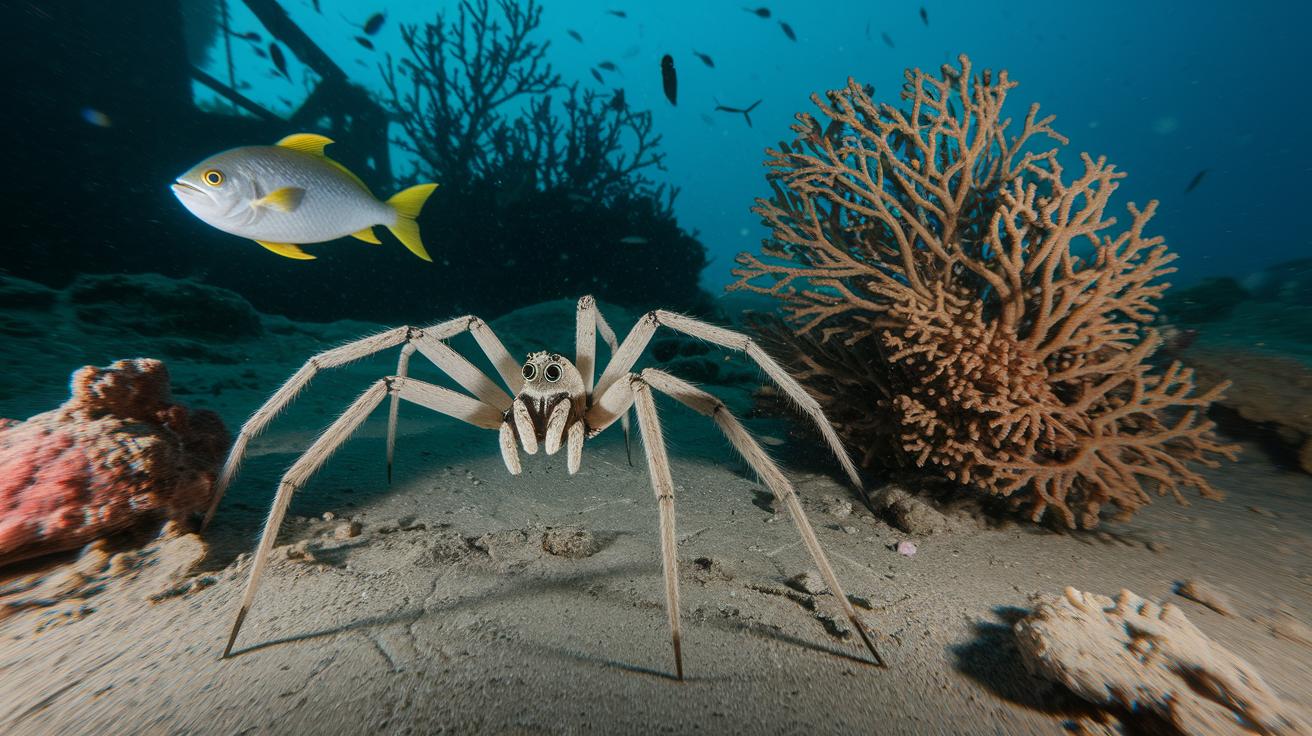
Ocean spiders live in many different watery homes, from warm tropical seas to chilly polar waters. They make their homes in places like intertidal zones, along continental shelves, and even deep in the dark abyssal plains. These places are often made of soft mud, smooth sand, and scattered rocks, a perfect stage for these little creatures to move gracefully, almost like dancers gliding over a natural floor.
Often, you’ll find these ocean spiders hanging out with sea anemones and delicate soft corals, forming tiny, balanced communities in the ocean. Because they can adapt to both shallow and deep waters, scientists can learn more about how different marine zones connect. Every sighting of these spiders is like a little reminder of how much there is to discover in our underwater world.
Ocean Spider Feeding Patterns: Sea‐Dwelling Spider Behavior
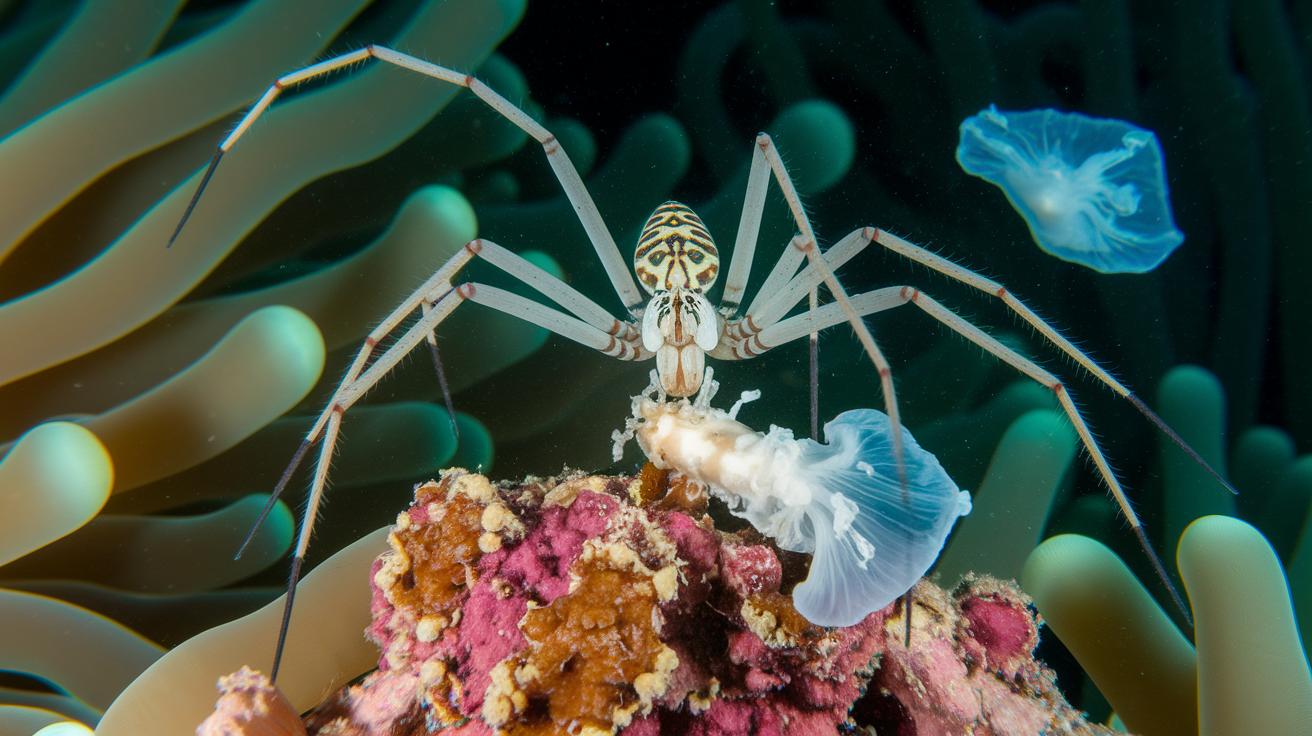
Ocean spiders have a unique way of feeding that uses a long, tube-like proboscis to suck up their prey. It’s a bit like using a straw to sip a smoothie, where they pierce soft-bodied animals and draw in their tissues. Watching them work is like seeing a secret underwater trick that helps them grab all the energy they need, even from slippery, waterlogged treats.
They often eat creatures such as:
- Sea anemones
- Polychaete worms
- Jellyfish
- Soft corals
This special feeding technique plays a big part in keeping the ocean balanced. By choosing prey that is soft and easy to pierce, ocean spiders help control the numbers of these creatures and keep their deep-sea world in check. It’s a smart and efficient way to gain nutrients in a place where food isn’t always easy to find. Ever notice how nature finds clever ways to thrive in even the darkest parts of the ocean? It truly shows that every little critter has a role in creating harmony under the sea.
Ocean Spider Reproduction: Suboceanic Arachnid Lifecycle

Ocean spiders have a really cool way of reproducing that many marine fans find fascinating. They lay their eggs outside their bodies, with the mom holding clumps of eggs on special leg parts. Imagine a gentle ocean mom carefully cradling her future babies, it’s like nature’s own little nursery. Not many sea creatures do this, which shows just how clever these critters are when adapting to the watery world.
After the eggs hatch, the tiny larvae begin their underwater journey by changing slowly over time. They go through several steps, each one adding more of the unique body parts that make them who they are. Sometimes, their spawning acts like nature’s own clock. In polar areas, spawning happens with the changing seasons, whereas deeper in the ocean, it seems a bit more random.
Scientists are still working to understand all the secrets of ocean spider reproduction. There isn’t a lot of data yet, so researchers are diving into more studies about these unique sea arachnids. It’s a mystery that keeps getting more interesting with every new discovery.
Ocean Spider Evolution: Tracing Subaqueous Spider Lineage
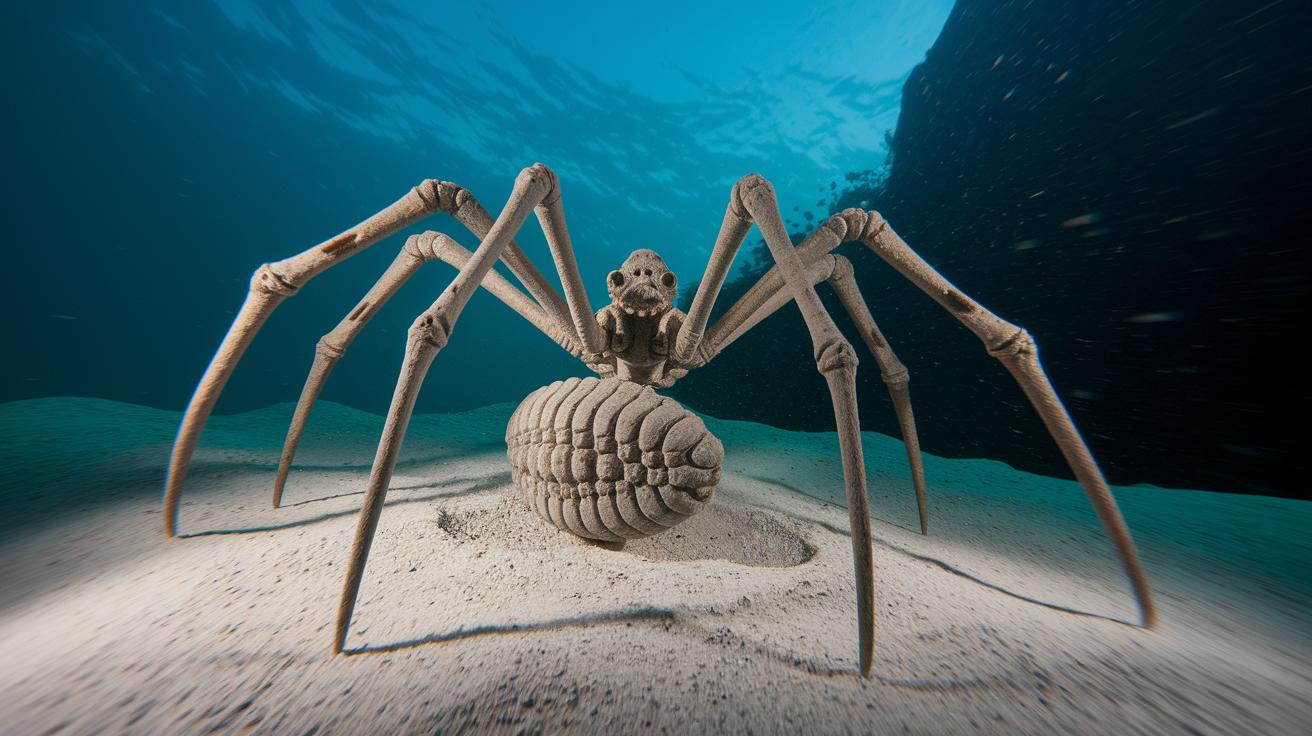
Ocean spiders began their journey long ago in ancient seas, when the earliest chelicerates roamed the waters. Fossil finds show creatures that looked much like today’s ocean spiders, hinting at a slow, steady change over millions of years. Scientists even compare their genes to see connections with the first arachnids, showing that these underwater spiders branched off a long time ago.
Imagine watching the gentle evolution of a creature’s body, where a segmented form and long, graceful legs helped it glide through watery worlds. Over time, these traits were refined bit by bit, letting ocean spiders thrive from shallow coastal waters to the mysterious depths of the deep sea.
Researchers believe a key change happened when these creatures started taking on unique marine roles. Their gradual transformation seems to follow the shifts in ocean chemistry and climate, much like the constant ebb and flow of the tides. This slow shift is nature’s way of adapting to changes, showing that even the simplest life forms can develop clever skills to survive.
In many ways, the story of ocean spiders feels like watching a silent, underwater movie of evolution. It reveals how simple beginnings transformed into complex and effective adaptations, allowing these spiders to flourish even in the challenging, dark corners of the ocean.
Ocean Spider Taxonomy: Classification Standards and Species Diversity
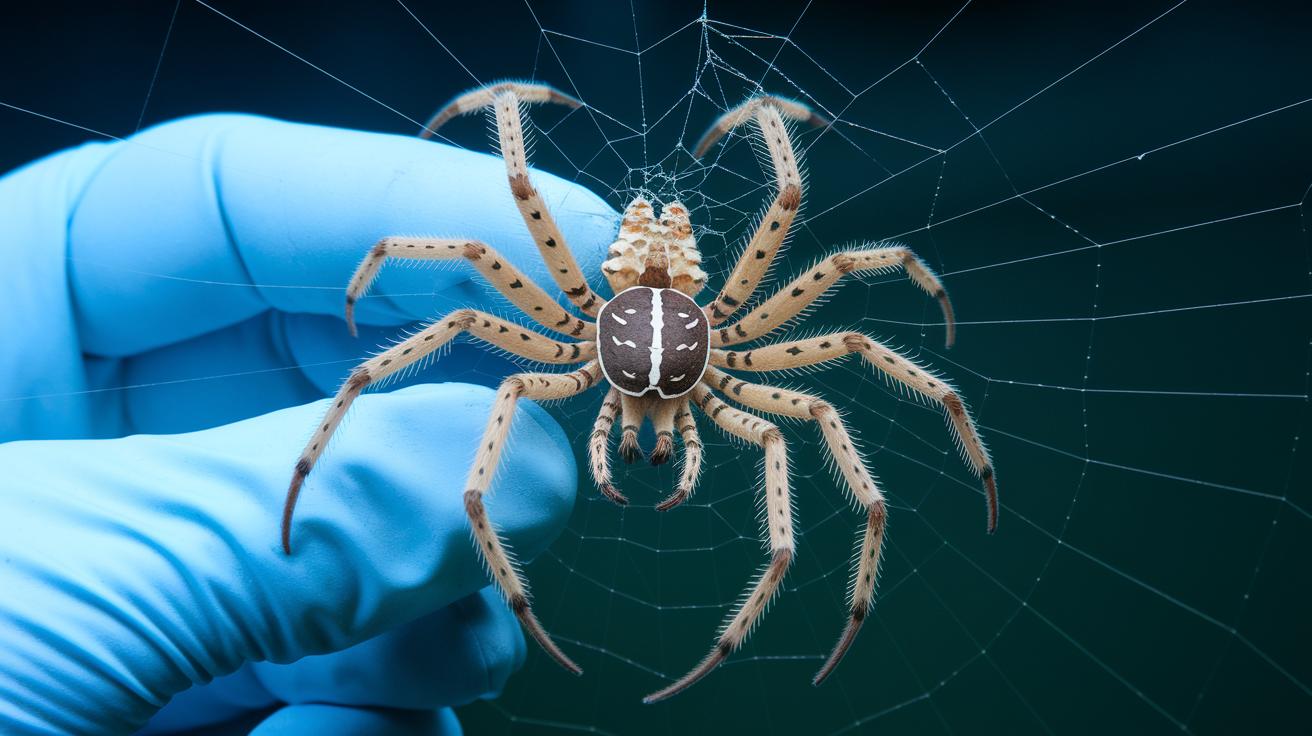
Scientists classify ocean spiders by checking out details like how their legs are built, the shape of the feeding tube (proboscis), and if they have egg-carrying parts called ovigers. Some researchers even say looking at a sea spider’s leg is like reading nature’s own guidebook, each segment sharing a bit of its long history. So far, over 1,300 species in eight families have been identified, and these traits help place each specimen in its right group.
Researchers spend a lot of time examining these tiny details to tell different groups apart within the chelicerate family (that’s the group that includes spiders and scorpions). They focus on parts like the small tube used for eating and the egg-carrying ovigers. Every new deep-sea survey brings unexpected discoveries, adding fresh species to the list and showing off the incredible variety of these marine creatures.
By taking this thoughtful approach, scientists not only widen our understanding of species diversity but also help marine fans appreciate just how unique each ocean spider is. It’s pretty amazing how such small features can reveal so much about life beneath the waves.
Ocean Spider Research Today: Exploration Techniques and Future Directions
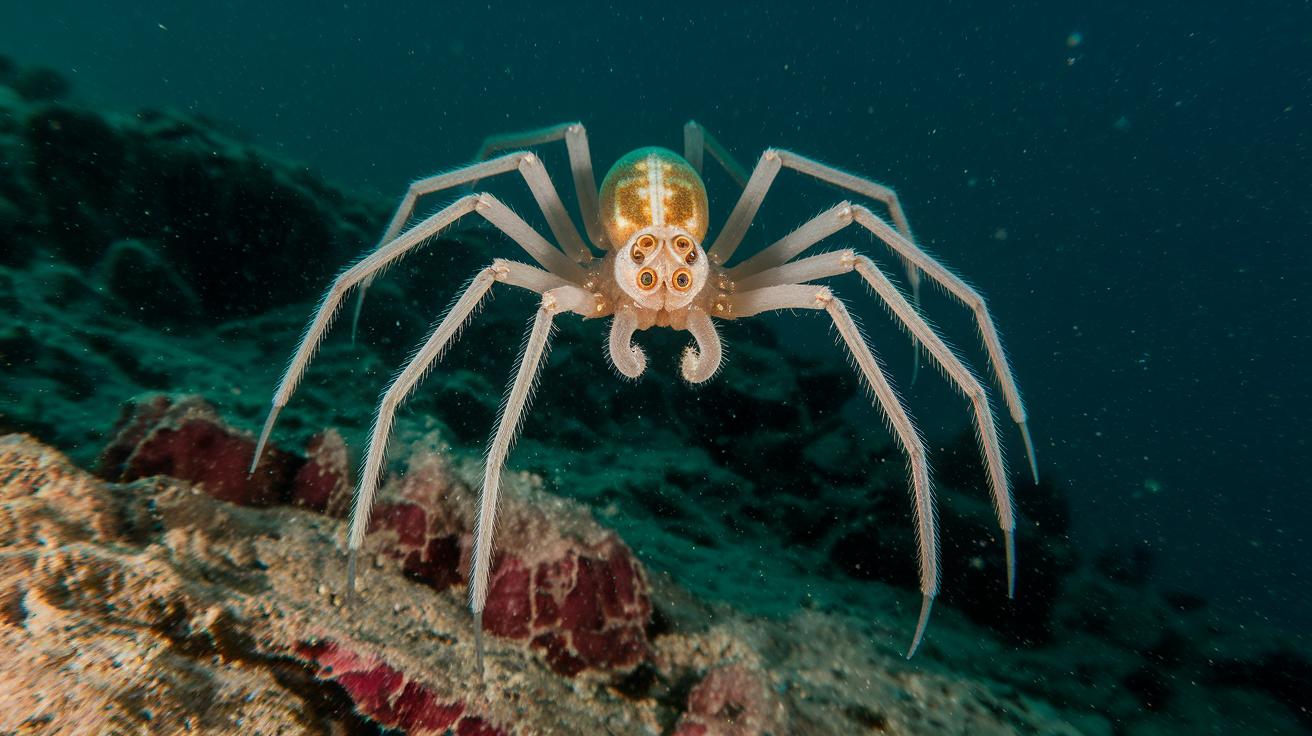
Modern ways of studying ocean spiders mix neat technology with the thrill of deep-sea adventure. Scientists now use remote-controlled vehicles and crewed subs to explore hidden underwater spots where these creatures live. High-definition cameras capture every graceful motion, almost as if you're watching the spider gently glide over smooth, rocky terrain, a clear peek into nature's delicate secrets.
Researchers also use a smart method called environmental DNA. This means they collect tiny bits of genetic material from the water itself. It lets them know which species are present without disturbing the peaceful underwater world. It’s like finding clues in the water without leaving a trace.
Looking to tomorrow, scientists plan to add genome sequencing and ecological impact modeling to their toolbox. By mixing fresh imaging techniques with advanced genetic tools, they hope to uncover more mysteries about ocean spiders. In truth, these new methods might soon reveal even deeper insights into the vibrant, mysterious life beneath the waves.
Final Words
In the action, we explored the ocean spider, uncovering its fascinating anatomy, unique habitat, and feeding habits. We looked at its reproduction, evolution, and even taxonomy, all while picturing the gentle flow of marine life. Each section offered a glimpse into the underwater world, where every detail matters as you strive for a perfect aquatic setup. The insightful look into modern research techniques reminds us that every ripple in the water sparks wonder and hope for a cleaner, more vibrant tank.
FAQ
What is the size of ocean spiders, including giant sea spider size and the biggest sea spider recorded?
The ocean spider size ranges from about one centimeter in small species to nearly 70 centimeters in giant sea spider types found near polar regions, making them among the largest in their group.
Are sea spiders dangerous or poisonous?
The sea spider is not dangerous or poisonous to humans. Their feeding style and small size help keep them harmless, so no special caution is needed if you encounter one.
What sea spider species exist and what is their scientific name?
Sea spiders belong to the class Pycnogonida, which includes more than 1,300 described species that share unique body structures and adaptations for life in marine environments.
What is the phantom sea spider?
The phantom sea spider is an informal name used by some to describe elusive and rarely seen members of the sea spider group, often noted for their unusual appearance in the wild.
What is the habitat of sea spiders?
Sea spider habitat spans coastal waters to deep seas. They thrive on rocky, muddy, and sandy ocean floors in both warm tropical and cold polar regions, making them adaptable creatures.
Do any spiders live in the ocean?
Spiders you commonly see on land do not live in the ocean. Sea spiders are a different group of marine arthropods that have adapted to live fully underwater.
Is a sea spider a crab?
A sea spider is not a crab; it belongs to a separate group of marine arthropods with long, thin legs and a distinct body design, clearly differentiating it from crabs.