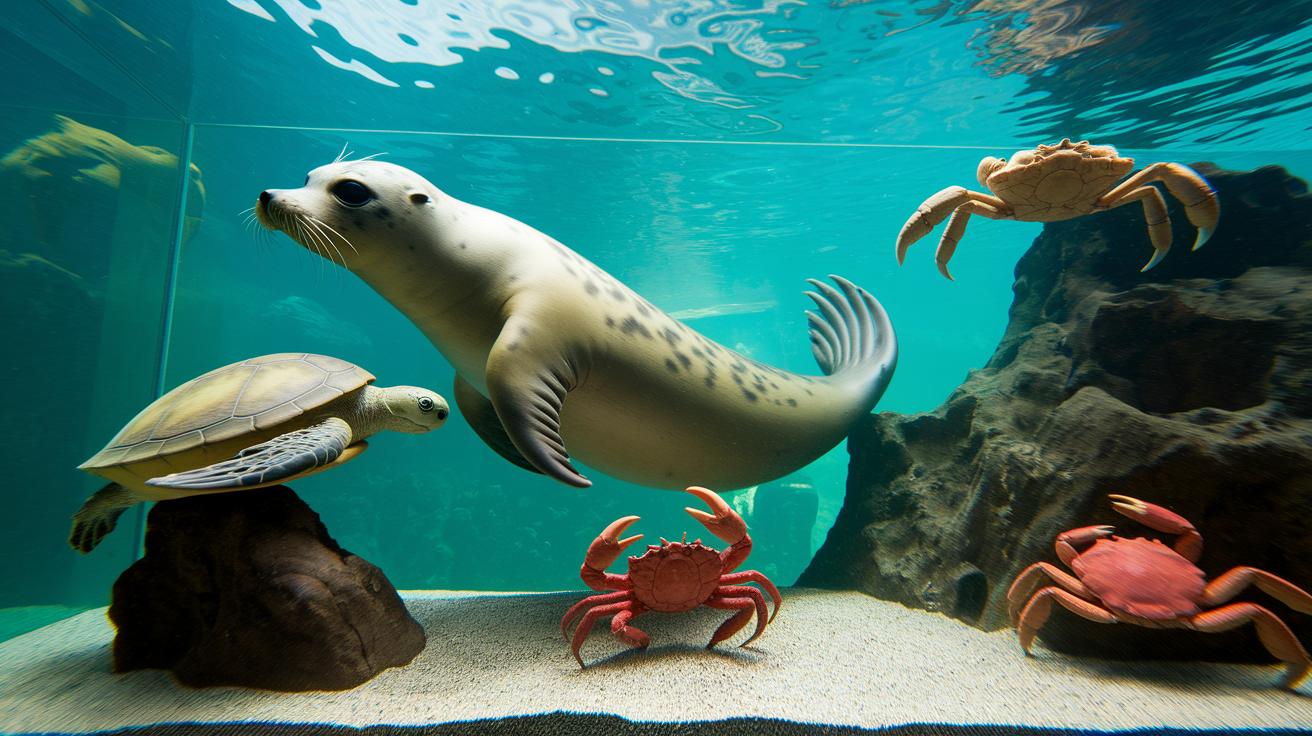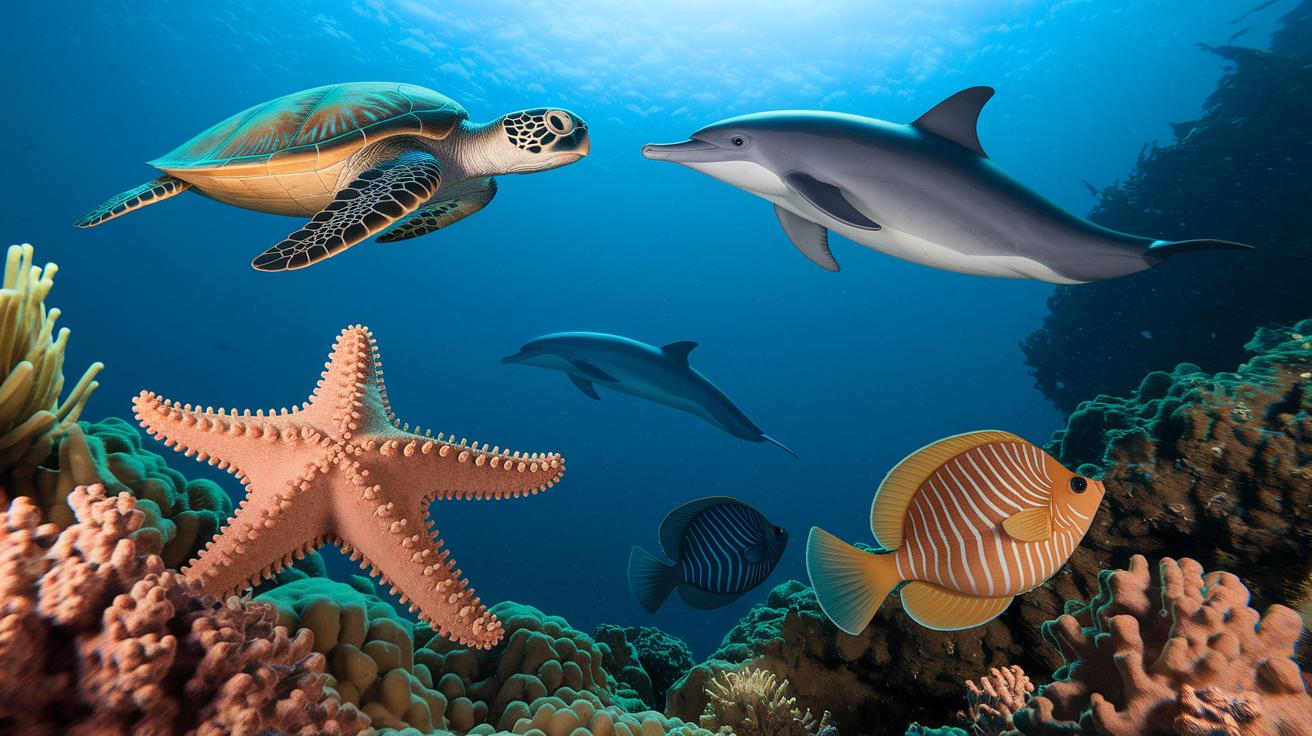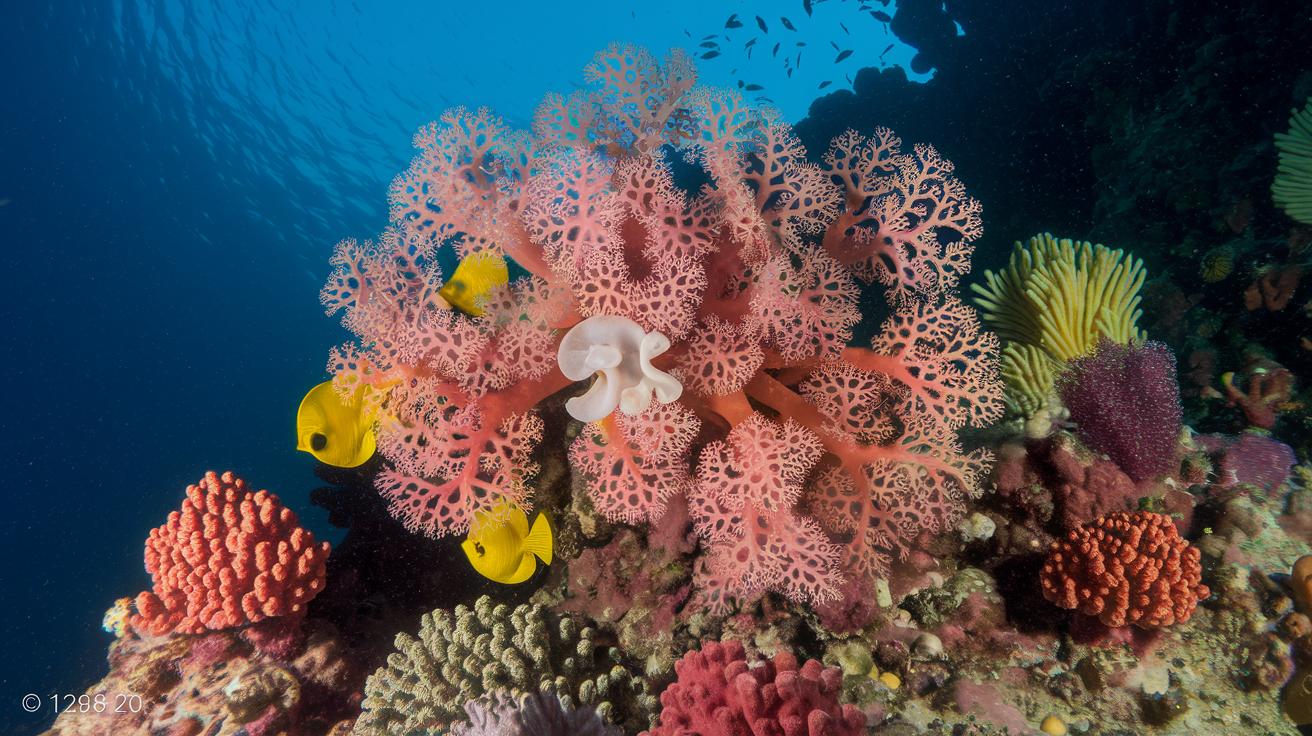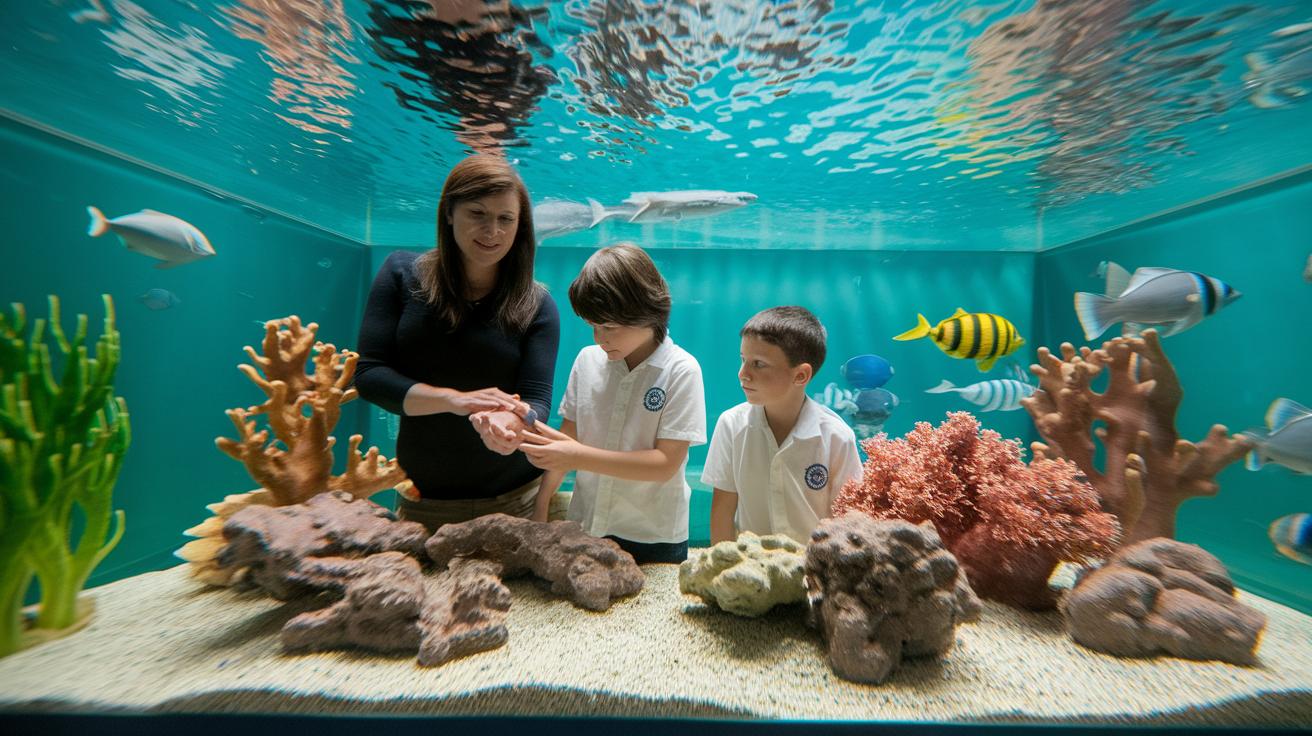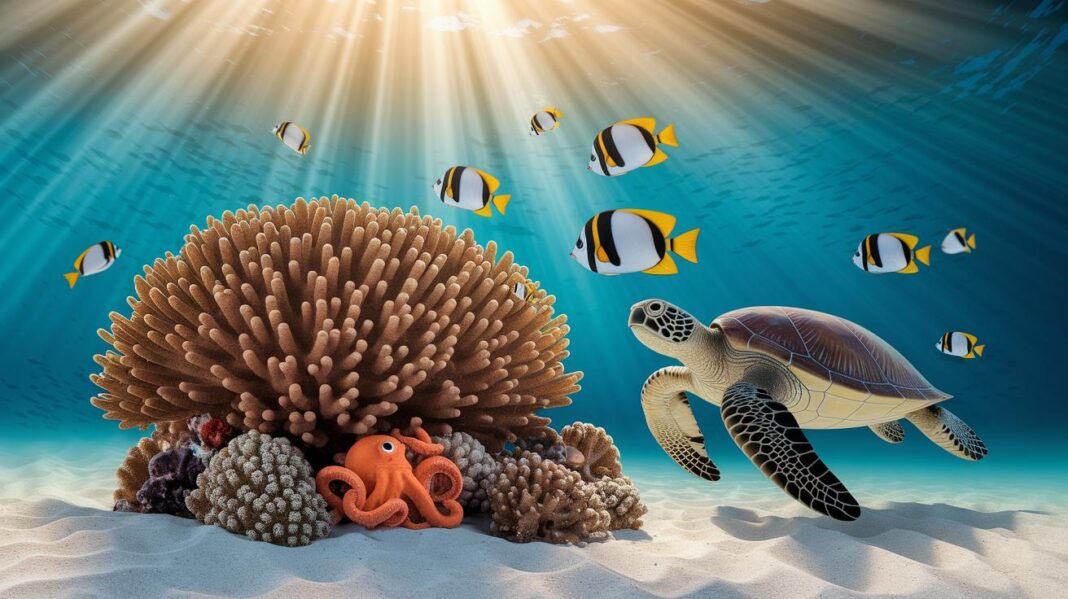
Ever pause to wonder what secrets lie beneath the waves? In our list of 100 sea animals, you'll discover everything from quick little fish to gentle sea mammals that move as smoothly as the tide. We dive into where these ocean friends call home and reveal what makes each one special. Picture clear water, vibrant coral, and turtles gliding gracefully by. This guide is a perfect pick for students or anyone who loves the magic of marine life. Get set to explore fun facts about the amazing creatures that make the big blue their world.
Comprehensive Index of 100 Sea Animals: Names, Classifications, and Habitats
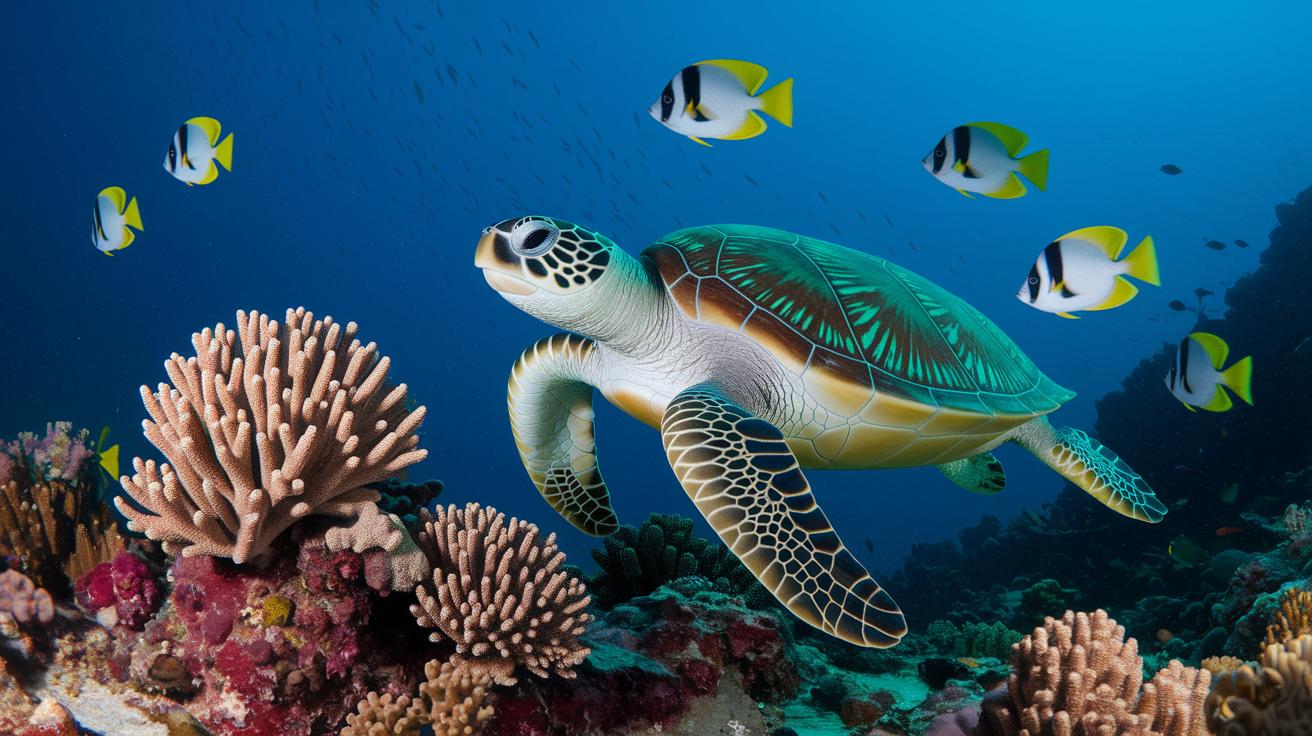
Below is a list of 100 amazing sea creatures, grouped by familiar types like fish, mammals, reptiles, crustaceans, mollusks, echinoderms, and amphibians. Each entry shows the animal's name, notes if it is warm-blooded or cold-blooded, and tells you where it usually hangs out in the ocean. Imagine slowly gliding past a coral reef, surrounded by bright fish and calm sea turtles, it’s a little glimpse into the vibrant underwater world we’re sharing here. This easy-to-follow list is perfect for anyone, whether you're a curious student or a devoted sea life fan.
Every creature is linked with a broad ocean zone like coastal, pelagic, or benthic. This detail makes it simple to find species depending on where they thrive. The table below serves as a handy reference, letting you quickly spot familiar names like dolphins, sharks, and even sea turtles. When you check out an entry, think of the busy, dynamic underwater realm each one calls home.
| Animal Name | Classification | Habitat | |||||||||
|---|---|---|---|---|---|---|---|---|---|---|---|
| Animal 1 | Fish | Coastal | |||||||||
| Animal 2 | Mammal | Pelagic | |||||||||
| Animal 3 | Reptile | Benthic | |||||||||
| Animal 4 | Crustacean | Coastal | |||||||||
| Animal 5 | Mollusk | Pelagic | |||||||||
| Animal 6 | Echinoderm | Benthic | |||||||||
| Animal 7 | Amphibian | Coastal | |||||||||
| Animal 8 | Fish | Pelagic | |||||||||
| Animal 9 | Mammal | Benthic | |||||||||
| Animal 10 | Reptile | Coastal | |||||||||
| Animal 11 | Crustacean | Pelagic | |||||||||
| Animal 12 | Mollusk | Benthic | |||||||||
| Animal 13 | Echinoderm | Coastal | |||||||||
| Animal 14 | Amphibian | Pelagic | |||||||||
| Animal 15 | Fish | Benthic | |||||||||
| Animal 16 | Mammal | Coastal | |||||||||
| Animal 17 | Reptile | Pelagic | |||||||||
| Animal 18 | Crustacean | Benthic | |||||||||
| Animal 19 | Mollusk | Coastal | |||||||||
| Animal 20 | Echinoderm | Pelagic | |||||||||
| Animal 21 | Amphibian | Benthic | |||||||||
| Animal 22 | Fish | Coastal | |||||||||
| Animal 23 | Mammal | Pelagic | |||||||||
| Animal 24 | Reptile | Benthic | |||||||||
| Animal 25 | Crustacean | Coastal | |||||||||
| Animal 26 | Mollusk | Pelagic | |||||||||
| Animal 27 | Echinoderm | Benthic | |||||||||
| Animal 28 | Amphibian | Coastal | |||||||||
| Animal 29 | Fish | Pelagic | |||||||||
| Animal 30 | Mammal | Benthic | |||||||||
| Animal 31 | Reptile | Coastal | |||||||||
| Animal 32 | Crustace
Breakdown of Sea Animal Categories in the 100 Sea Animals Index
Our starting index already lays out the numbers and examples for fish, marine mammals, reptiles, crustaceans, mollusks, echinoderms, and amphibians. Today, we're diving a bit deeper into some cool ecological details. For example, marine mammals are warm-blooded, while reptiles rely on cooler temperatures. This means each group handles changes in temperature differently, almost like how a well-tuned filter helps keep an aquarium feeling just right. By spotting these unique traits, you can easily adjust care routines to match each creature's needs. It also lets you see how nature shapes the way each group lives and thrives. Habitat Diversity Among the 100 Sea Animals
The ocean is like a big neighborhood where every sea creature finds its own special spot. Near the shore, coastal areas buzz with life, much like a lively seaside town. In the wide-open waters of the pelagic zone, creatures glide freely under endless blue skies. Down on the ocean floor, the benthic zone offers a cozy home for many, and deep in the dark abyss, life has found clever ways to shine even without light.
Every habitat plays a huge part in shaping how each sea animal lives and behaves. Over time, creatures have picked up neat tricks like changing colors to blend in or shaping their bodies for fast, graceful swimming. It’s amazing to see how nature equips each one with just the right tools to thrive in their watery world. Notable Dangerous Sea Animals in the 100 Sea Animals List
The ocean is full of breathtaking creatures, but a few of them remind us to take extra care when we explore their watery home. Here are some friendly tips to help you enjoy these wonders from a safe distance.
Take a moment to explore the image gallery for clear, visual hints that can help you spot these unique ocean creatures safely. Interactive and Visual Resources for the 100 Sea Animals
Learning about sea animals turns into a fun, underwater adventure with cool images and interactive tools. They let you see the rich details of each creature, making it easier to remember them by showing clear pictures and snappy facts. The neat, high-quality photos and well-organized layouts guide you like a gentle current, revealing which ocean species live where and sharing eye-catching details along the way. We've put together a few awesome resources to help you explore the ocean:
These practical tools are perfect whether you're working on digital projects or teaching in a classroom. They make the process of learning about the ocean a delightful, immersive experience, much like watching light dance through water. Tips for Using the 100 Sea Animals List for Education and Research
This friendly guide shows you how to use the 100 sea animals list as a fun tool for learning and research. Whether you're teaching a class or diving into your own study of marine life, this list brings together fish facts and language tips in one clear, easy-to-read format. Imagine exploring the colorful world of underwater life, where each species profile is like a small adventure in a vibrant reef. Using this list is as simple as mixing a little bit of creativity with solid facts. It makes lesson planning feel as natural as watching water ripple over smooth pebbles. You'll find it easy to weave the cool details about each sea creature's home and habits right into your classroom discussions or personal research. Here are a few ways to get started:
This list is made to be as flexible as the tides. It works well for younger learners while still offering strong research points for more advanced studies. So, dive in and let this resource help you explore marine wonders and share the joy of the ocean with others. Final WordsIn the action of exploring marine life, this article took us through a neat catalog of 100 sea animals. We broke down species by habitat, grouped them by type, and even highlighted some with extra caution for care. The clear, visual guides and practical tips make caring for an aquarium as enjoyable as watching the water ripple on sunlit waves. With these insights, every aquatic pet owner can create a balanced and stunning underwater world. FAQQ: What details are provided in the “100 sea animals with pictures” list?A: The 100 sea animals list combines species names with clear images and brief classification notes, offering a friendly guide that’s both educational and fun for young marine enthusiasts. Q: How does the “100 sea animals video” resource help viewers?A: The 100 sea animals video gives a lively visual tour of notable marine species, making it easy for viewers to learn and recognize different sea animals with engaging footage. Q: What does the “100 Sea Animals for Kids” resource include?A: The 100 Sea Animals for Kids selection is designed with colorful pictures and simple names, making it a perfect tool for sparking young minds’ interest in ocean life. Q: How is the “sea animals list A-Z” organized?A: The sea animals list A-Z organizes species alphabetically, providing an accessible and systematic reference that’s ideal for studies, quizzes, or casual learning about marine life. Q: What is meant by the query “50 water animals name” or “the aquatic animal name 50”?A: These queries target a shorter, focused subset of common water species. The list highlights 50 easily recognized names that are ideal for quick reference and initial learning. Q: How does the “1000 sea Animals” inquiry compare with this list?A: The “1000 sea animals” inquiry hints at a broader catalog. Our index concentrates on 100 key species, offering a curated overview that invites further exploration into marine diversity. Q: What does the query “What are the 40 sea animals?” refer to?A: The question about 40 sea animals typically seeks a concise, focused selection. While our guide covers 100 detailed species, smaller lists like 40 can offer a simpler snapshot for beginners. Q: What is implied by asking “What are the 100 names of animals?”A: Asking for the 100 names of animals points to our comprehensive index, which provides detailed species names, classifications, and habitats to help broaden your understanding of marine life. Q: How many sea animals are there on Earth?A: The number of sea animals worldwide reaches into the thousands. Our featured list of 100 species offers a representative glimpse into marine diversity, sparking curiosity for further exploration. |