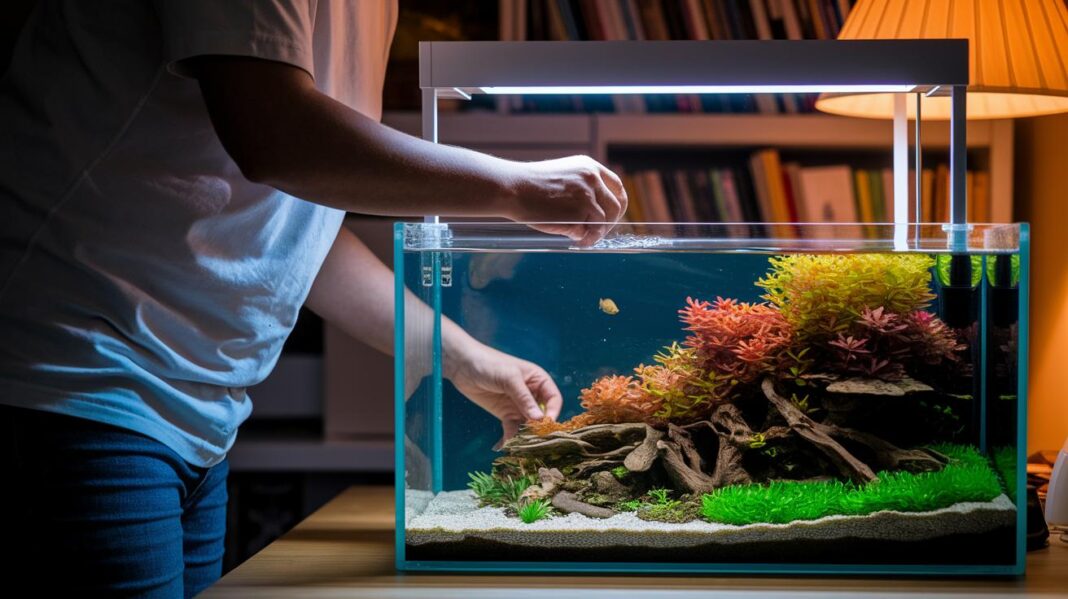

Ever wondered if small changes could brighten your tank and lift your fish’s mood? I remember the day I switched up my water changing routine, it was like giving my little aquatic world a fresh, breezy splash. With just a few simple steps, you can clear away waste and make your tank feel as crisp as a mountain stream. In this guide, I’ll share some easy tips to help your tank sparkle and your fish swim happily.
Step-by-Step Guide to Refreshing Aquarium Water
Giving your tank a fresh start is like setting up a cozy new home for your fish. Let’s dive into some friendly steps that help keep everything calm and clear.
-
First, unplug all your electrical equipment, especially the heater. Think of it like turning off your computer before you fix it; this simple step helps protect your gear when water levels change.
-
Next, gently wipe down the tank walls with an algae pad and flip over any decorative rocks. This clears away hidden algae and keeps the tank looking as crisp as a clear stream.
-
Then, use a siphon or a Marina Aqua Vac (available in 25 or 50-foot lengths) and slide it about an inch into the gravel. This tool is great for scooping up waste and detritus that lurks at the bottom.
-
Remove between 15% and 50% of the water, or even up to 75% if your tank is really murky. Adjust the amount based on how clean you need your tank to be.
-
Prepare new water that is a bit warmer, no more than 5°F difference from your tank’s current temperature, and treat it with a water conditioner to remove chlorine. This makes sure the water fits your fish just right, like a gentle bath.
-
Finally, slowly refill your tank. Once it’s full, test the pH and make any needed adjustments so your fish can swim in perfectly balanced, stress-free water.
Optimal Aquarium Water Change Schedules and Volumes

Keeping your tank clean is like watching a gentle current flow, steady and refreshing. If your aquarium isn’t overcrowded and algae stays in check, changing about 15 to 25% of the water every week or two works just fine. This routine helps clear out waste, chemicals, and debris while keeping your fish feeling calm and safe.
For tanks packed with more fish or where algae finds its way to hide, you might need to change up your routine. In these cases, swapping up to 50% of the water weekly can clear up the tank and stop algae from taking over. And if your tank really needs a deep clean, a 75% change can sweep away stubborn buildup. A monthly deep clean is like hitting a reset button, keeping chemical residue and excess buildup at bay for a happy, healthy tank.
| Frequency | % Water Change | Notes |
|---|---|---|
| Weekly | 15–25% | Standard maintenance |
| Biweekly | 30–50% | For moderate stocking |
| Monthly | 50–75% | Deep clean for dirty tanks |
Essential Equipment for Successful Aquarium Water Changes
Keeping things running smoothly in your tank means having the right tools is as important as knowing how to clean. Here’s a friendly list of must-have items for a happy home under the water.
Siphon and Gravel Vacuum
A siphon or gravel vacuum, like the Marina Aqua Vac, works wonders by drawing out water and dirt from your tank. It slips deep into the gravel, scooping up debris while giving your substrate a gentle scrub, just like a soft brush through seaweed.
Buckets and Transfer Tubing
Buckets and transfer tubing help you move water from one place to another without a mess. They keep spills at bay and stop dirt or unwanted ingredients from sneaking into your tank. This simple gear makes shifting water safe and smooth, protecting the balance your fish love.
Algae Pads and Scrubbers
Algae pads and scrubbers are your best friends when it comes to keeping the tank glass and decor shiny. They clean away algae and buildup without any harsh chemicals, letting you enjoy a clear view of your underwater world, almost like looking through a window into a bubbling stream.
Test Kits
Test kits check important areas of your water, such as pH, ammonia, nitrite, nitrate, and phosphate levels. They give you quick, easy readings that help you keep the water just right for your fish. It’s a bit like checking the weather before a day out by the lake.
Water Conditioners
Water conditioners act like a gentle shield, neutralizing chlorine and keeping the friendly bacteria safe. They make sure any new water added to the tank is balanced and safe, reducing stress for your fish and keeping their home healthy and vibrant.
Monitoring Key Water Parameters During Aquarium Water Changes
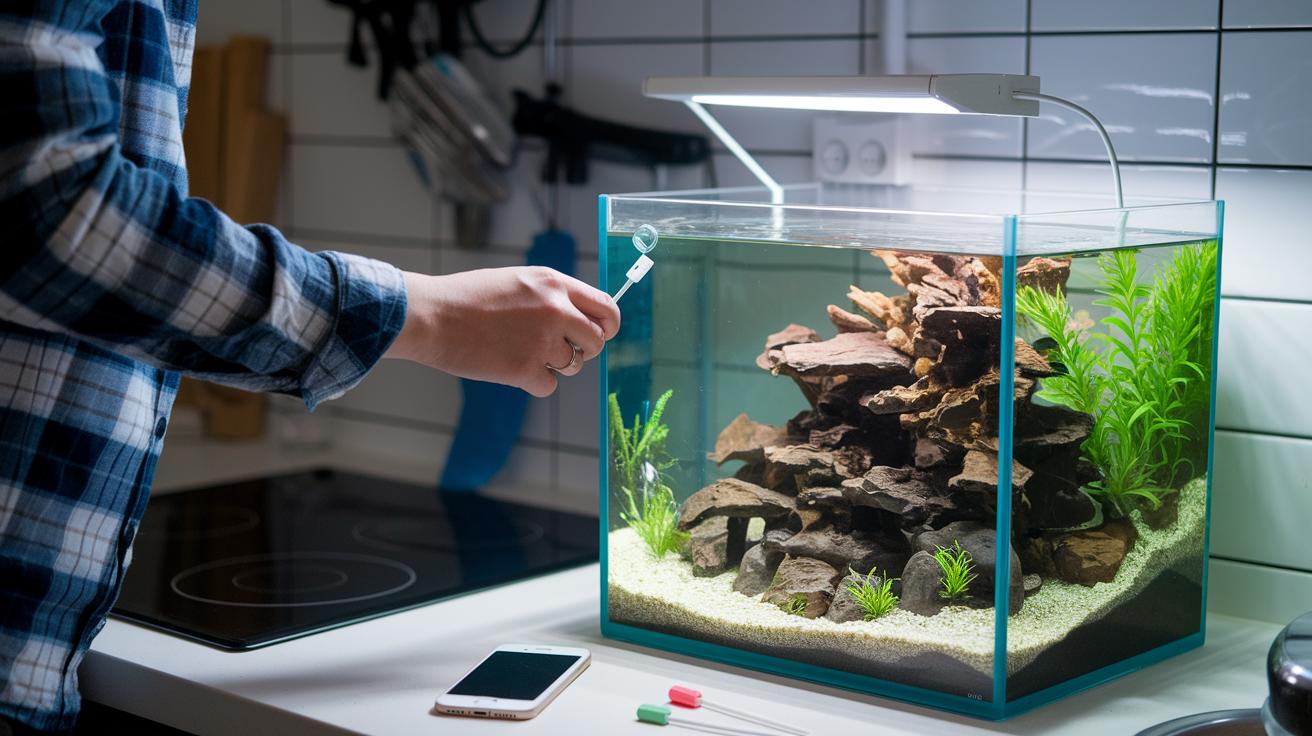
Keeping your aquarium water clean and balanced is a bit like making sure a gentle stream flows smoothly. When you monitor key water parameters before and after a water change, you're easing stress for your fish and giving your plants the best chance to flourish. Sometimes, those little changes can sneak up on you, so it's smart to test regularly with liquid reagents or multi-strips.
I like to check my tank’s pH with every water change. Keeping it between 6.8 and 7.8 generally makes most freshwater fish happy. It’s also important to watch ammonia, nitrite, nitrate, and phosphate levels. Ammonia should always be at 0 ppm, nitrite below 0.75 ppm, nitrate under 40 ppm, and phosphate less than 0.2 ppm. Doing this lets you fix any imbalances before they negatively impact your aquatic buddies.
Think of this routine like checking the weather forecast; it quickly tells you if your tank is set for a chill day or if a few tweaks are in order. Whether you test at every water change or once a month, keeping an eye on these numbers gives you a clear picture of your tank’s health. Use what your test kit shows to adjust your routine and keep the natural harmony in your aquarium as delightful as a calm, sunlit pond.
| Parameter | Ideal Range | Testing Frequency |
|---|---|---|
| pH | 6.8–7.8 | Each change |
| Ammonia | 0 ppm | Each change |
| Nitrite | < 0.75 ppm | Monthly |
| Nitrate | < 40 ppm | Monthly |
| Phosphate | < 0.2 ppm | Monthly |
Proper Use of Water Conditioners in Aquarium Water Changes
Did you know that tap water often contains chlorine or chloramine? These chemicals can upset your fish and hurt the helpful bacteria in your tank. Water conditioners step in by changing these harmful compounds into safe, gentle substances.
If you notice your fish acting strangely or the water turning cloudy after a water change, it might be time to check your measurements. Think of it like following a recipe, one small slip-up can easily throw off the whole balance.
You might try conditioners like Aqua Plus, Seachem Prime, Nutrafin Cycle, or Seachem Stability. They offer different ways to dose, and some even add minerals back into the water to replace those lost during dechlorination.
Also, make sure the temperature of the new water is within about 5°F of your tank’s temperature. This little step helps reduce stress for your fish and makes the treatment work better. For a bit more precision, using a dropper can help you measure exactly, especially if you have a busy tank with lots of fish.
Avoiding Common Errors in Aquarium Water Changes
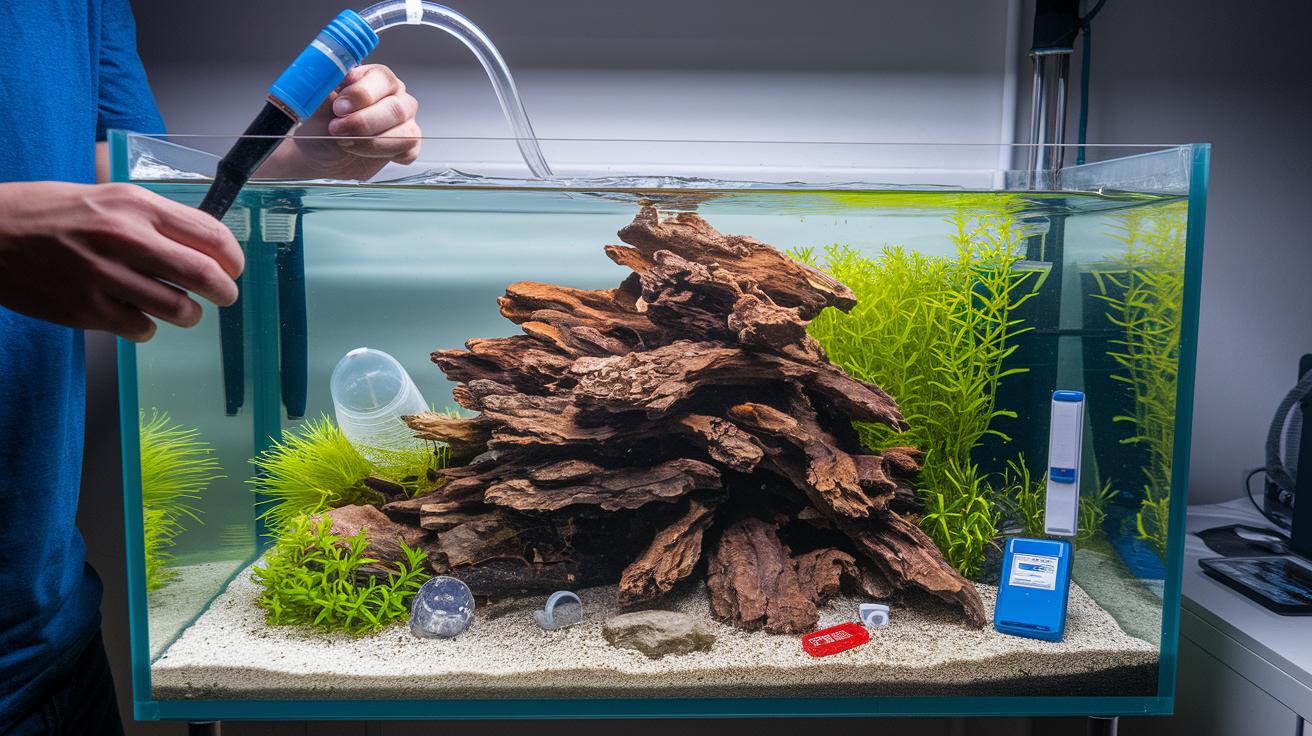
Doing water changes the right way is key to keeping your tank balanced and your fish happy. When you rush or skip a step, even a tiny mistake can throw off the helpful bacteria that keep your water clean. Often, it’s just a busy day or an eagerness to see that crystal-clear water right away.
Take the heater, for example. It might seem okay to forget unplugging it, but if the water level drops, the heater can run dry and crack. A quick double-check before you start, kind of like a pilot checking his instruments, can really save you from a big headache later.
Sometimes, in a rush to clean, you might remove too much water at once. If you take out more than 50–75% of the water, the friendly bacteria that stabilize your tank can get stressed. Instead, change the water gradually. Just think, “Slow and steady keeps the bacteria safe,” much like not emptying a whole swimming pool in one go.
Another common slip-up is using tap water without dechlorinating it. Untreated tap water usually has chlorine, which can stress your fish and hurt the good bacteria. So be sure to treat your water first, think of it like washing an apple before you take a bite!
And don’t overlook cleaning your gravel regularly. Skipping this lets debris pile up, which not only looks messy but can also spark unwanted algae growth. Using a gravel siphon every now and then keeps the bottom of your tank neat and balanced, just like tidying up your room to make it more comfortable.
Temperature and pH Management During Aquarium Water Changes
We’ve now combined this info with the tips in Step 5 and the pH Monitoring area so you don’t get the same details twice.
Matching Water Temperature
When refreshing your aquarium water, make sure the new water’s temperature stays within 5°F of what’s already in your tank. This helps keep your fish comfy, like adding a small ripple to their serene pond. For a safe water change, always double-check that the new water isn’t too far off your tank’s current temperature.
Stabilizing pH Levels
Every time you change the water, try to keep the pH between 6.8 and 7.8. This balance keeps your aquatic friends healthy and happy. Our pH Monitoring section shows you easy ways to adjust the pH step by step, using buffers or slightly diluting the water, to gently bring it into the right range. After adding fresh water, be sure to quickly test the pH so you know it’s just right, just as our guidelines recommend.
Routine Maintenance Tasks Alongside Aquarium Water Changes

Every day, take a few moments to show your tank some love. Wipe away any algae from the glass and decorations so you can always enjoy a clear view. If you see that some water has evaporated, top it off right away. And don’t forget to check that the heater, pump, and light are in good working order. These everyday tasks help keep your tank stable and welcoming.
Each week, try doing a partial water change by replacing about 15–25% of the water. Use a siphon to clean the gravel and remove any built-up debris. You can also gently clean the decorative items in your tank. This regular routine helps cut down on chemical buildup and stops algae from taking over, leaving your tank as clear and vibrant as a gently flowing stream.
Once a month, set aside a little extra time to go over everything closely. Test the water with multi-test strips or kits for things like pH, ammonia, nitrite, nitrate, phosphate, and even water hardness (which tells you how soft or hard your water is). This proactive check helps you fine-tune your tank’s balance and keeps the environment healthy and harmonious for your aquatic friends.
Minimizing Fish Stress During Aquarium Water Changes
Keep things calm by doing a partial water change of about 15 to 25%. This small change helps your fish adjust slowly without feeling overwhelmed by sudden shifts.
Stick to a regular routine for water changes. When you change the water on a steady schedule, it helps keep the tank's temperature and pH levels steady. This reliable rhythm also supports the friendly microbes that work behind the scenes to keep your tank healthy.
When it’s time for a water change, consider boosting the oxygen a bit. Turning up your air stone or filter for a few extra minutes can create a gentle, soothing ripple in the water that calms your fish. For instance, try activating your air stone for 10 minutes during your next water change to provide that extra breath of fresh air for your fish.
Final Words
In the action, we reviewed a clear, step-by-step guide that walks you through unplugging gear, cleaning surfaces, and safely replacing water while keeping fish comfort in mind. We covered how to use proper equipment and conditioners, monitor essential water parameters, and take routine maintenance measures. These tips for successful aquarium water changes make it easy to keep your aquatic home healthy and visually appealing. Your tank can remain a tranquil, balanced space where fish thrive and every care step makes a positive splash.
FAQ
Q: What are some successful methods and tips for performing an easy partial water change in a fish tank, including preparing water without a siphon if needed?
A: The method for a partial water change involves removing only 15–25% of water using tools or careful pouring, preparing dechlorinated, temperature-matched water, and following trusted online tips to keep your fish safe.
Q: How often should I change my aquarium water, and should I ever do a 100% water change?
A: The frequency of water changes is usually 15–25% every 1–2 weeks. A complete 100% water change is not recommended as it can stress fish and disturb beneficial bacteria.
Q: What is the proper way to change aquarium water to keep fish safe, and should I turn off my filter during the process?
A: The proper method includes turning off electrical equipment like filters and heaters, dechlorinating replacement water, and gradually refilling the tank to prevent shock, ensuring fish remain safe.