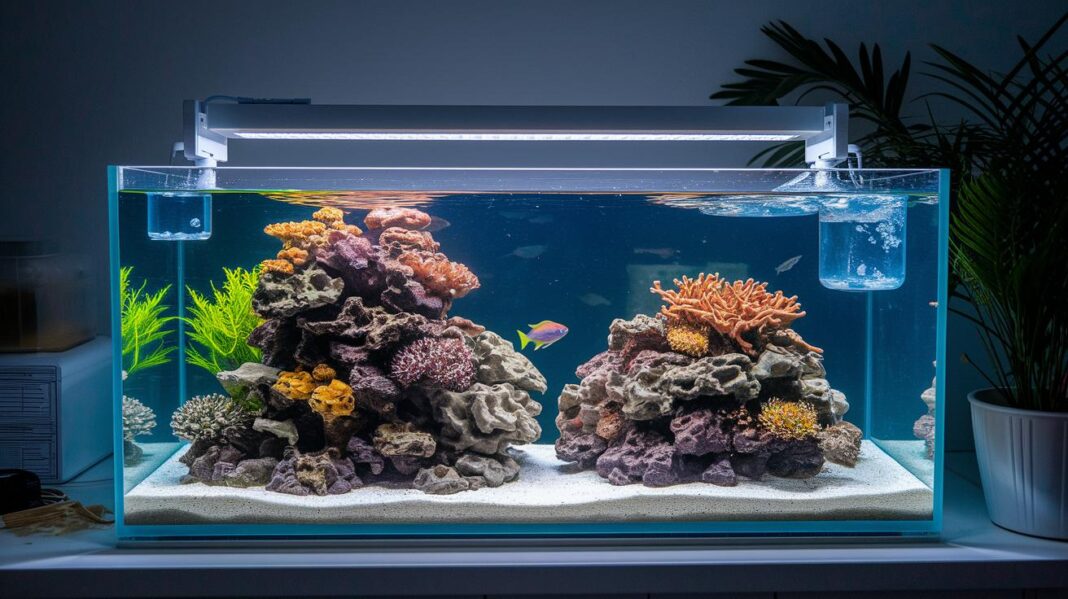

Have you ever wondered if crystal-clear water might still hide unwanted toxins? Even when tests look great, tiny wastes can slowly pile up over time, a bit like sediment gathering at the bottom of a quiet pond. Regular water changes work like a refreshing splash, giving your saltwater tank a fresh start, almost like taking a deep breath of clean air. By swapping out just a little water every week, you help wash away those hidden toxins and keep your marine friends feeling their best. This simple routine goes a long way in making sure your fish and corals enjoy a balanced, healthy home.
Mastering Saltwater Aquarium Water Changes for Healthy Marine Tanks
Every thriving saltwater tank starts with regular water changes. With over 40 years of reef-keeping under our fins, I’ve learned that even when your tests look perfect, hidden toxins can slowly build up over time. Experts recommend swapping out about 10% to 20% of your water every week or two. It’s a good idea to use bottled or deionized water because tap water has chlorine and other stuff that could hurt your fish and corals.
This task might seem a bit dull, but it’s really important for keeping your tank balanced. When you change a part of the water, you lower extra nutrients and flush out waste. It’s a bit like giving your tank a refreshing deep breath, the water gets cleaner, and your fish and corals feel renewed. Ever notice how stepping outside after a rainy day feels so fresh? That’s what a good water change does for your marine life.
Taking care during these water changes means planning ahead. Mix your new saltwater in advance and adjust its chemical balance so it matches your tank. This step helps avoid sudden changes that might stress your aquatic friends. By keeping up with these routine changes, you’ll see happier, brighter corals and more active, healthy fish.
saltwater aquarium water changes: Refresh and thrive

Before you start, get your new saltwater mix ready at least four hours in advance, ideally overnight, so all the ingredients can blend together smoothly. Always use RO/DI water, which is water cleaned of chlorine, heavy metals, and other impurities. This way, you'll have a clean mix that's perfect for your reef.
Next, measure out your high-quality synthetic marine salt exactly as the manufacturer's instructions say. Slowly add the salt into your RO/DI water while stirring continuously. Keep mixing until everything is dissolved and the water looks the same throughout. Think of it like making a special cocktail for your tank, each step makes a difference.
Once your mix is ready, test its salinity with a refractometer, aiming for a reading between 1.025 and 1.026 SG. Also, check the pH, which should be around 8.1 to 8.4, and make sure the temperature matches your display tank's within about a half degree. A friend once said that mixing saltwater is a bit like tuning a fine instrument, every adjustment sets the stage for a harmonious aquatic home.
If anything seems off, adjust just a little at a time until everything lines up perfectly. This careful approach not only keeps your marine life stress-free but also makes your tank a welcoming haven for every fin and coral.
Step-by-Step Manual Water Change Process for Saltwater Aquariums
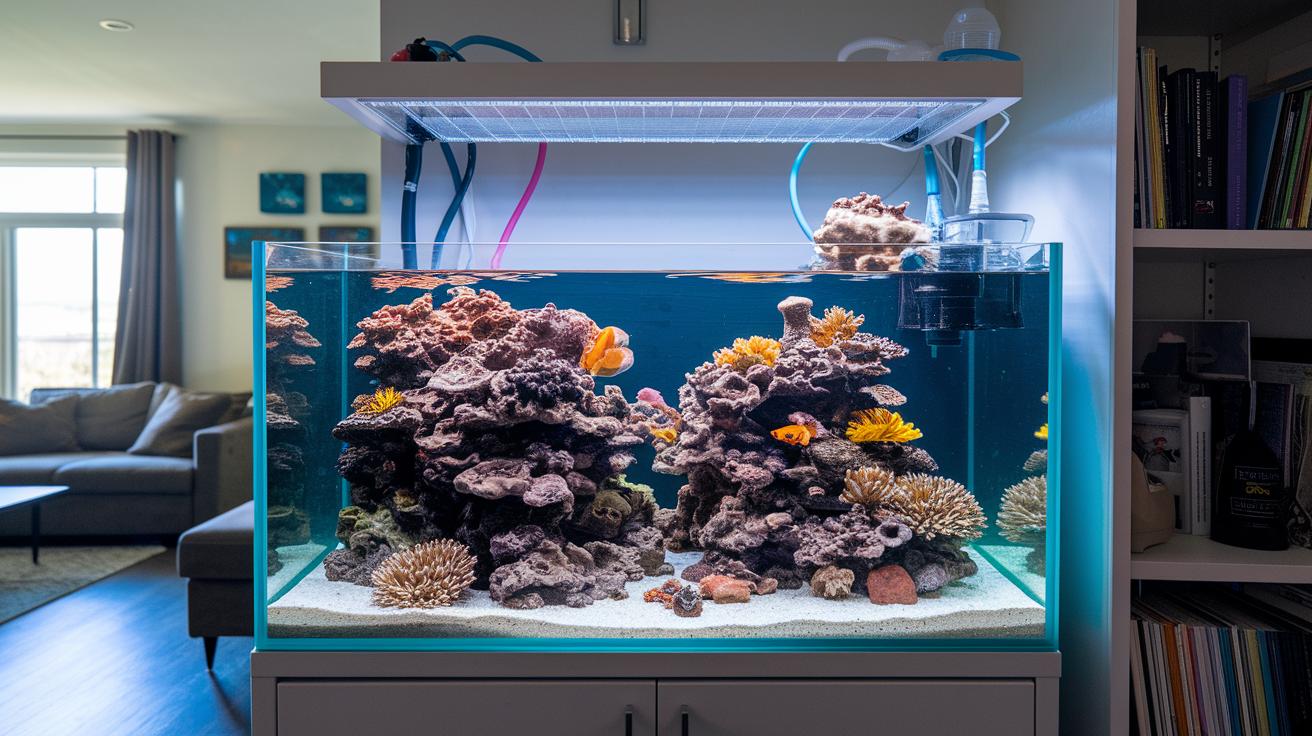
First, turn off or bypass your protein skimmer and powerheads. This helps keep the water calm so your corals aren’t disturbed. Next, figure out how much water you want to change, it should be about 10 to 20 percent of the tank’s total volume. You can use an online exchange calculator to get the exact number you need.
Now, follow these simple steps for a smooth water change:
- Start by using a siphon or a small pump to slowly remove water from your tank. This gentle removal helps keep your fish and corals relaxed.
- As you siphon, use a gentle vacuum on the substrate to clean away debris. Just be sure to keep the flow slow near your corals so you don’t disturb their delicate balance.
- When you’ve taken out enough water, slowly pour in your pre-mixed saltwater. This gradual addition lets the new water blend nicely with what’s left in the tank.
- When the tank is about 90 percent refilled, restart your equipment. This helps avoid sudden changes that might throw off your water chemistry.
- Finally, check the temperature and salinity with your testing tools. This quick look over makes sure your water is just right for your aquatic friends.
This method makes water changes predictable and stress-free. Each careful step is like nurturing a tiny underwater world, ensuring your reef stays vibrant and healthy.
Automating Saltwater Aquarium Refills with Advanced Systems

Modern reef tanks can really thrive when you set up an automatic refill system. These devices use float switches to monitor the water level and add just the right amount of clear water when needed, much like watching for the gentle rise of a tide. This means fewer trips to your tank and more time to enjoy its beauty.
The system often has a built-in RO/DI water line that cleans the water by removing chlorine, heavy metals, and other impurities, imagine having your own little underwater filter working non-stop. A friend once said, "It feels like a mini water factory inside your tank, quiet, precise, and super reliable."
Smart, energy-saving pumps team up with these refill devices to replace the water lost through evaporation quietly and efficiently. This steady touch keeps the salt levels just right, protecting your coral and fish from sudden changes. In truth, this clever automation gives your reef a balanced and healthy environment without the stress of constant monitoring.
By using these advanced techniques, your aquarium enjoys a continual flow of pure water, creating a calm and stable underwater world for all its inhabitants.
Balancing Chemistry After Saltwater Aquarium Water Changes
After a water change, it's really important to check your reef's water chemistry. Fresh water helps lower nitrates and phosphates, but it can also reduce essential elements like alkalinity, calcium, and magnesium. It's a bit like tuning a favorite instrument: every detail matters to keep your reef humming just right.
Right after you change the water, test these key parameters to see if any adjustments are needed:
| Parameter | Ideal Range | Testing Tool |
|---|---|---|
| Salinity | 1.025–1.026 SG | Refractometer |
| Alkalinity | 8–12 dKH | Liquid Test Kit |
| Calcium | 400–450 ppm | Colorimeter |
| Magnesium | 1250–1350 ppm | Test Strips |
I remember my first water change; a small dip in calcium made a big difference in my coral's color. That little moment taught me that even minor imbalances can show noticeable changes.
Once you've got your test results, use precise dosing to fix any issues. Do these adjustments before the lights come on so your reef can take its time to settle into a calm, stable state. Use your refractometer for salinity and then check alkalinity, calcium, and magnesium with your liquid test kit, colorimeter, or test strips. Handle each element with care because they all play a crucial part in keeping your marine life healthy.
Taking the time to fine-tune your water chemistry sets the stage for a vibrant, thriving reef, much like the gentle flow of water over smooth stones on a peaceful day.
saltwater aquarium water changes: Refresh and thrive

Taking care of your saltwater aquarium is a bit like tending a beautiful underwater garden. How often you change the water depends on how busy your tank is and what your water tests say. For example, if you mainly have corals, a low bio-load, a 10 percent water change every two weeks usually does the trick. For a mixed reef, about 15 percent each week keeps things in balance. And if you're hosting a lot of fish, a weekly 20 percent refresh may be more suitable.
Regular water changes help wash away extra nutrients that can upset the delicate balance of your tank. It’s like giving your aquarium a fresh breath of life, keeping the water sparkling and the marine inhabitants happy. Always keep an eye on your nutrient levels and adjust your plan as needed so everything stays calm and clear, almost like watching light dance on the water.
| Bio-Load Level | Frequency | Volume |
|---|---|---|
| Low (coral-only) | Every 2 weeks | 10 percent |
| Moderate (mixed reef) | Weekly | 15 percent |
| High (heavy fish) | Weekly | 20 percent |
Keeping up with this routine helps guard against sudden shifts in water chemistry and can put a stop to pesky algae build-up. Over time, checking your test results and watching how your tank behaves will guide you to tweak the schedule just right, ensuring that your vibrant underwater world continues to thrive.
Troubleshooting Common Saltwater Aquarium Water Change Challenges
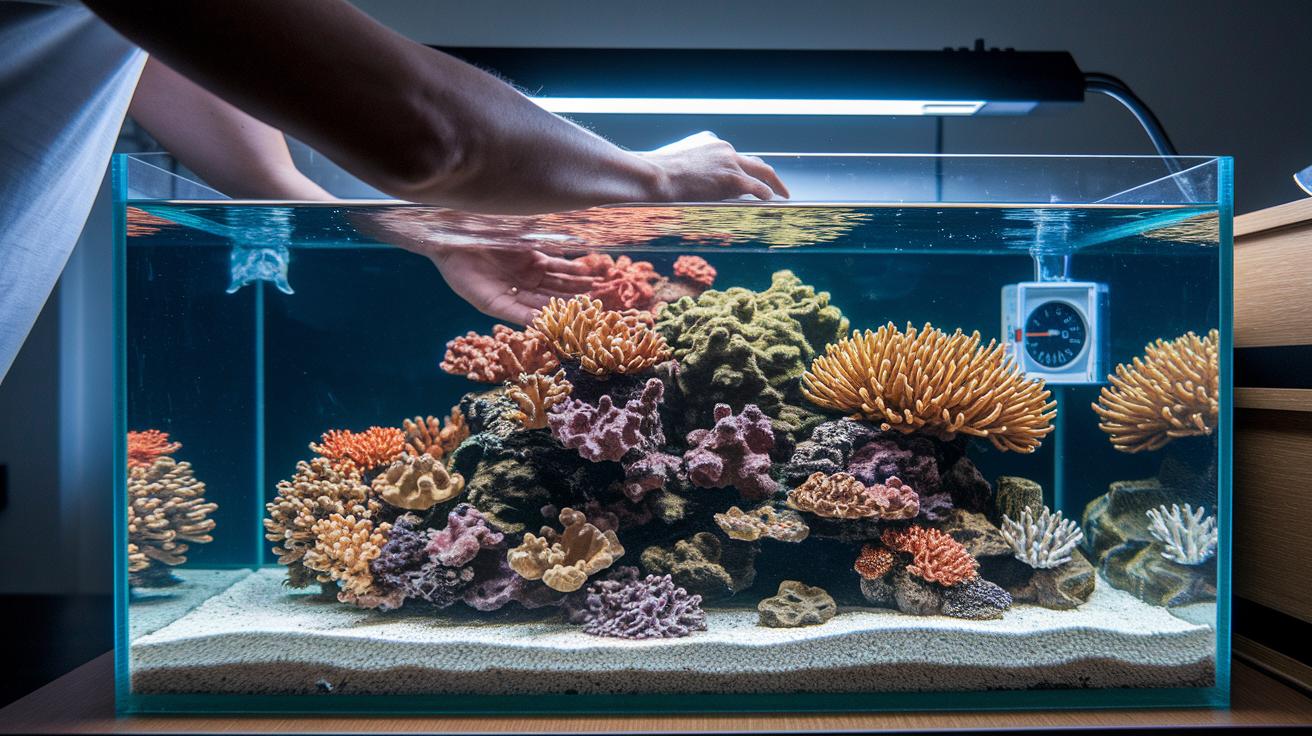
When you change the water in your saltwater tank, you might run into a few common hiccups that can disturb your underwater world. One issue is salinity shock, which happens when the new water doesn’t match your tank’s salt level. Picture slowly adding water that is too light, and suddenly, your fish seem stressed.
Another bump in the road is temperature stress. If the new saltwater feels too warm or too cold compared to your tank, your marine friends might not react well. It’s a good idea to let the mixed water sit until it reaches the right temperature before slowly adding it into the tank.
Also, using tap water instead of water that’s been cleaned through a reverse osmosis or deionization system can expose your tank to chlorine. Chlorine can shock both fish and corals right away, so always make sure you’re using pure water.
Finally, leaks or equipment problems can cause flooding, and sudden changes in water chemistry can spike ammonia levels. It helps to test the water before and after a water change. And don’t forget to check that your siphon, pump, or any other gear is working as it should so you can catch and fix issues early.
Enhancing Coral and Fish Health Through Saltwater Aquarium Water Changes

Regular water changes are great, but why not spice things up with some smart monitoring? After you freshen up your tank, try using a digital test kit to check pH and see how diluted the nutrients become. It’s like watching the gentle ripple of clean water revealing new life, one aquarist even noted a 20% jump in light reaching their corals, which made their colors pop like a lively underwater dance.
Another cool trick is to keep an eye on your fish by recording little video clips before and after a water change. It’s amazing how subtle changes in behavior can tell you a story. One hobbyist mentioned, "My time-lapse footage showed more active foraging," hinting that the clearer water helped the fish feel more energetic and happy.
These fresh ideas add a new layer to the usual benefits of water changes, giving you a closer look at how your underwater world thrives.
Final Words
In the action, this article kept things simple and clear. We broke down mixing new saltwater, manual and automated methods, and balancing crucial parameters after every refresh.
It also shared tips for scheduling routine maintenance while troubleshooting common glitches along the way. Regular saltwater aquarium water changes help keep your marine tank healthy and stress-free. Enjoy watching your corals and fish thrive in a well-managed underwater world!
FAQ
What happens after a saltwater aquarium water change?
After a saltwater aquarium water change, the tank receives fresher water that helps reduce toxins and update water chemistry, supporting healthier fish and corals.
What percentage of water should be changed in a reef tank?
Changing about 10–20 percent of the tank’s water, depending on its bio-load, helps maintain balanced water quality and supports a thriving reef environment.
How can you reduce the need for frequent water changes in a reef tank?
Using enhanced filtration and automated top-offs improves water quality daily, yet regular partial water changes still remain the best method to keep a reef tank stable and healthy.
What is RODI water?
RODI water is water that has been purified through reverse osmosis and deionization, removing impurities like chlorine and heavy metals, which makes it safe for mixing saltwater.
Are water changes necessary in a reef tank?
Water changes are necessary because they remove waste buildup, prevent toxin accumulation, and support the natural balance of the marine ecosystem for a flourishing reef.
How often should you change water in a fish tank with a filter?
Even with a good filter, performing partial water changes weekly or every two weeks helps lower waste buildup and keep the water conditions ideal for fish.
How do you mix saltwater for an aquarium?
To mix saltwater, start with purified RO/DI water, add synthetic marine salt following the instructions, stir until completely dissolved, and then test for the right salinity, pH, and temperature.
How often should you change water in a saltwater tank?
A 10–20 percent water change every one to two weeks is recommended to keep the water chemistry at optimal levels and support the tank’s marine life.
Should fish be removed during a water change?
It is best to leave fish in the tank during a water change as long as the new water is carefully acclimated and added slowly to prevent causing stress.
How long can saltwater be stored for a reef tank?
Pre-mixed saltwater should ideally be used within 24 hours since its chemical composition can change over time, ensuring that the best quality water goes into your reef tank.
How can you change water in a fish tank safely without harming fish?
Changing water safely means slowly removing and replacing it with water that matches the tank’s temperature and chemistry, helping to lower stress and protect fish health.