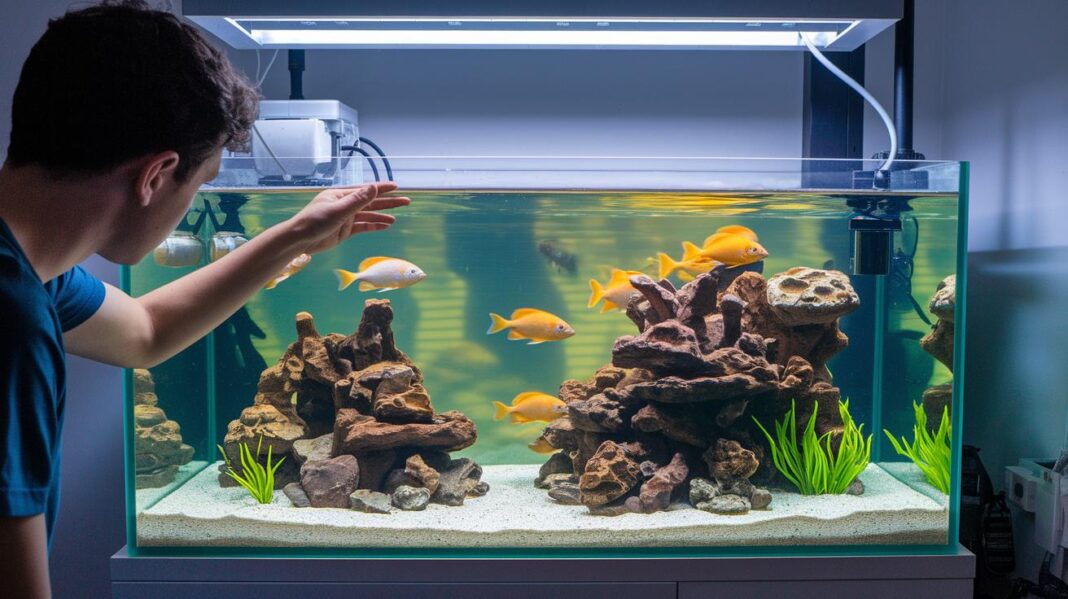

Ever wonder if your water changes might be doing more harm than good? Sometimes, friendly aquarists make simple errors by replacing too little or too much water, which can tip your tank off balance. This little mistake can stress your fish and even slow down plant growth.
In truth, sticking to a steady routine is like finding a calm current in a busy stream, it keeps your aquarium clear and your fish happy. So, join me as we dive into some common pitfalls and explore easier ways to care for our aquatic friends.
Establishing a Consistent Aquarium Water Change Schedule
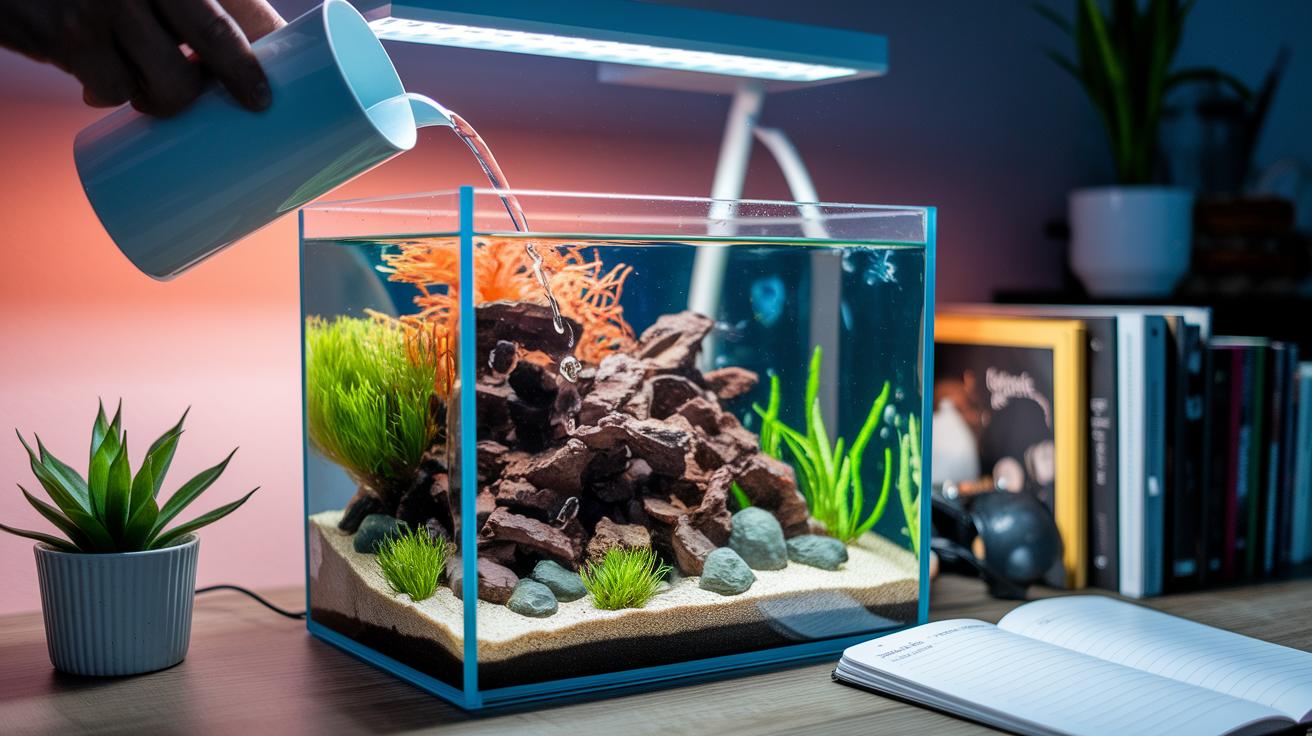
Taking care of your aquarium means keeping the water fresh on a regular basis. Changing the water often helps remove extra nutrients that can feed algae, balances helpful minerals, and keeps the tank clear. When you skip water changes, organic waste and chemicals build up, stressing out your fish and slowing down your plant growth.
Setting a steady schedule makes all the difference. For a small tank, try swapping out about 10–20% of the water each week. For larger tanks, a 30–40% change every two weeks or monthly can work better. I remember a fellow aquarist once skipped a week and suddenly his tank looked like a murky pond. The lesson? A routine schedule really saves you from a lot of hassle.
| Tank Size | Recommended Water Change |
|---|---|
| Small Tank | 10–20% per week |
| Large Tank | 30–40% every 2 weeks or monthly |
It also helps to keep a simple log of your water changes and any changes you notice in the tank. This little record can alert you early to signs of algae or imbalances. Before you do a water change, a quick check of your tank’s pH and ammonia levels can be a lifesaver. Think of it like the gentle tapping of your favorite fish tank tool, ensuring everything is just right.
In the end, sticking to a regular water change routine keeps both your fish and plants happy and healthy. A steady schedule means balanced water chemistry, leading to a sparkling, calm tank. Even small slips in timing or percentages can ripple out and affect your aquarium, so planning ahead is always the best move.
Avoiding Over-Removal: Proper Water Volume Management During Aquarium Water Changes
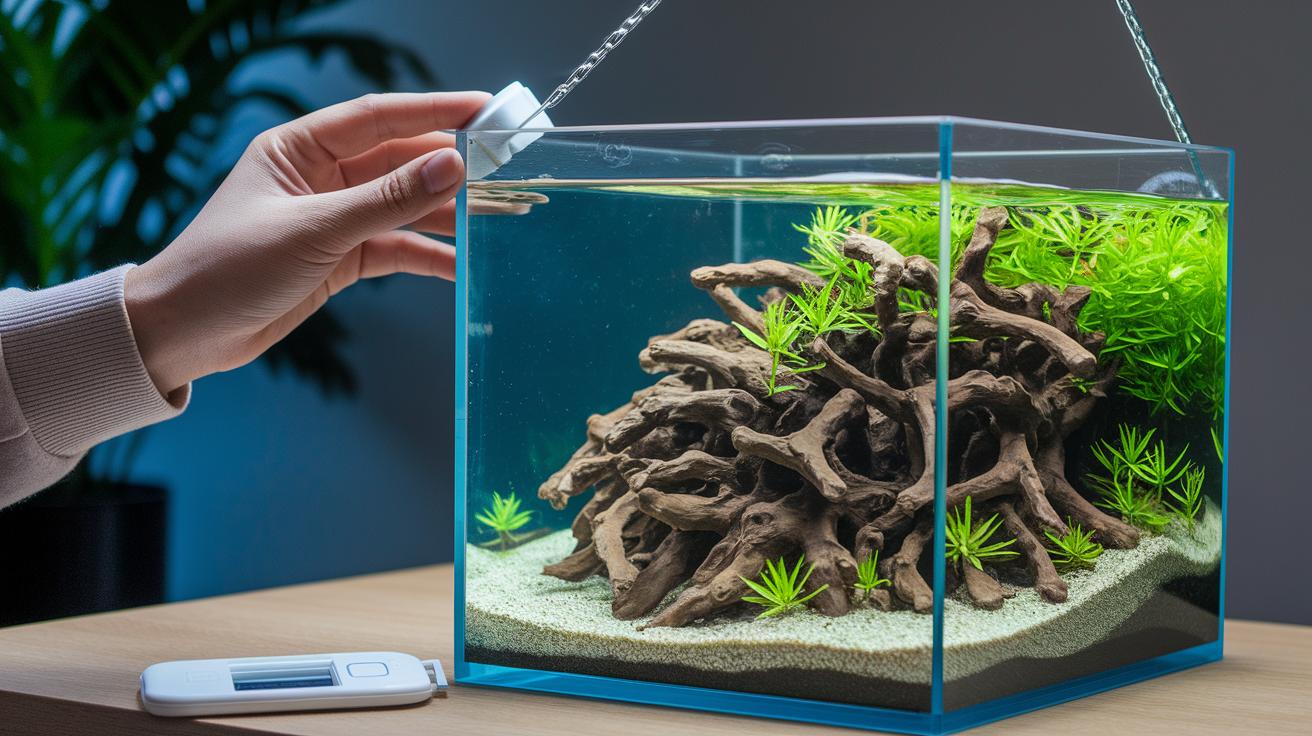
Changing out too much water in one go can really throw off your tank's natural balance and stress out your fish friends. When you take out more than about 40% at a time, it suddenly changes the water's makeup and can upset the good bacteria that keep things healthy. For a small tank, try sticking to 10–20% each week. If your tank is a bit bigger, 30–40% every two weeks or once a month usually works best.
A common problem happens when the water isn't measured just right or the new water isn’t mixed properly. I remember a friend once miscalculated and ended up with a big spike in ammonia and nitrite levels, which really stressed the fish out. Here’s a quick tip: always check your numbers carefully, like making sure you remove about 15% for a small tank, to help keep your tank safe and sound.
Not replacing the water correctly can shock your fish and upset the whole biological filter in your tank. Removing too much water takes away the good bacteria that help keep harmful chemicals at bay. By sticking to the right amounts, you'll create a calm, balanced environment where your fish can thrive without sudden changes or extra stress.
Ensuring Proper Conditioning of Replacement Water in Aquarium Changes
Before you refresh your tank, treat the new water to clear out chlorine, chloramine, and heavy metals. These chemicals can upset the good bacteria, stress your fish, and even slow down plant growth. I once heard about a friend who skipped this step, his tank lost its lively vibe almost right away, which shows how important it is to treat your water.
Start out by using a water conditioner you trust to gently remove those unwanted chemicals. Take your time and follow the product instructions, just like you’d carefully arrange stones in a peaceful pond. Once the chlorine is gone, it’s a smart move to test the water’s pH. A quick pH check makes sure the water is just right for your aquatic pals.
Rather than counting on quick-fix additives, stick with safe water conditioners. They work to keep the chemicals in balance, protecting your fish and plants while keeping the whole tank relaxed and healthy.
A little extra care goes a long way, ensuring smooth, balanced water changes that help your aquascape thrive as beautifully as a tranquil stream on a sunny day.
Tailoring Water Changes to Aquarium Tank Size and Bioload
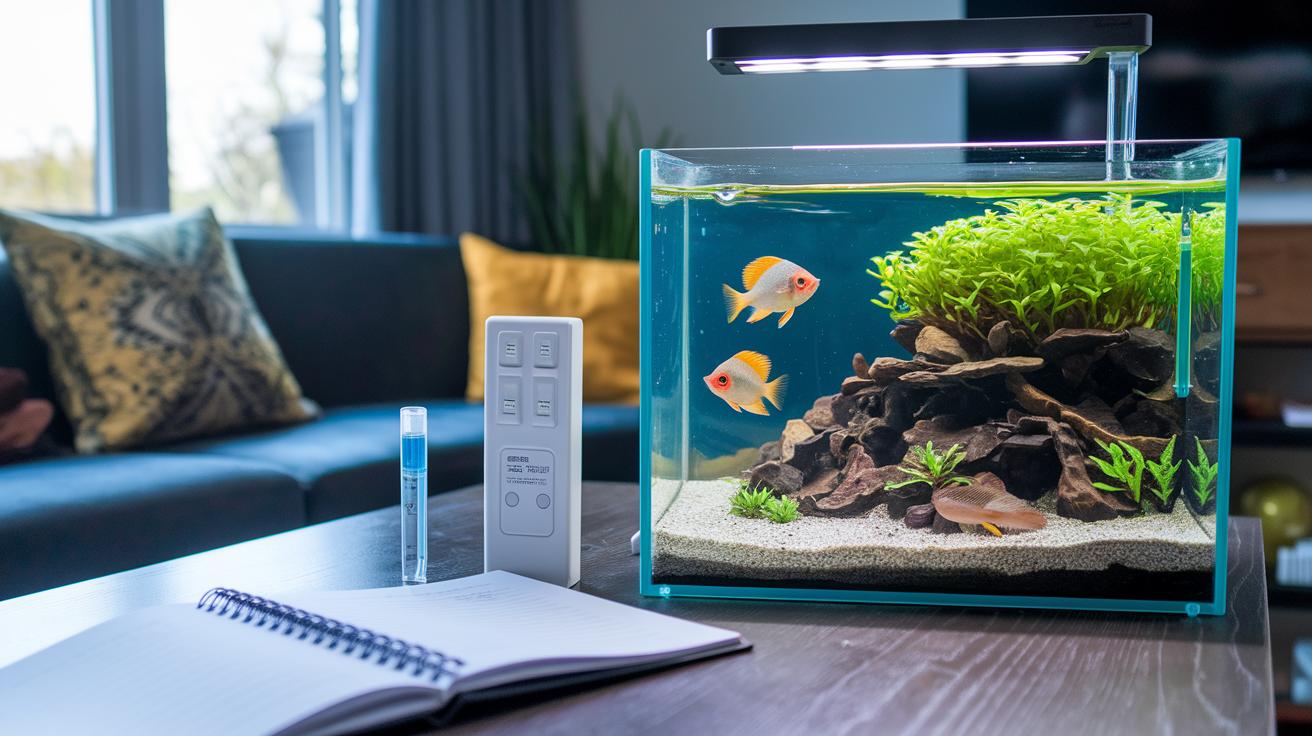
When your tank is full of lively fish or lush plants, waste can build up quickly, and nutrient cycling might change your water's balance in a flash. Even a small burst of fish activity can push waste levels higher, sometimes leading to those pesky algae blooms that you definitely don’t want.
Rather than sticking to a set percentage every time, keep an eye on your tank's unique needs. Notice if the water looks murky, smells off, or if your chemical tests start pointing to changes. These little clues help you catch problems before they grow.
Try keeping a simple log where you note what you observe in your tank. Over time, these notes become a handy guide, letting you adjust the amount and timing of your water changes to fit your tank’s rhythm.
For tanks with fast nutrient cycling, blending regular checks with custom water change schedules is a smart move. This thoughtful approach keeps the water just right, making sure your aquatic friends enjoy a healthy, balanced home.
Preventing Parameter Fluctuations and Fish Stress During Aquarium Water Changes
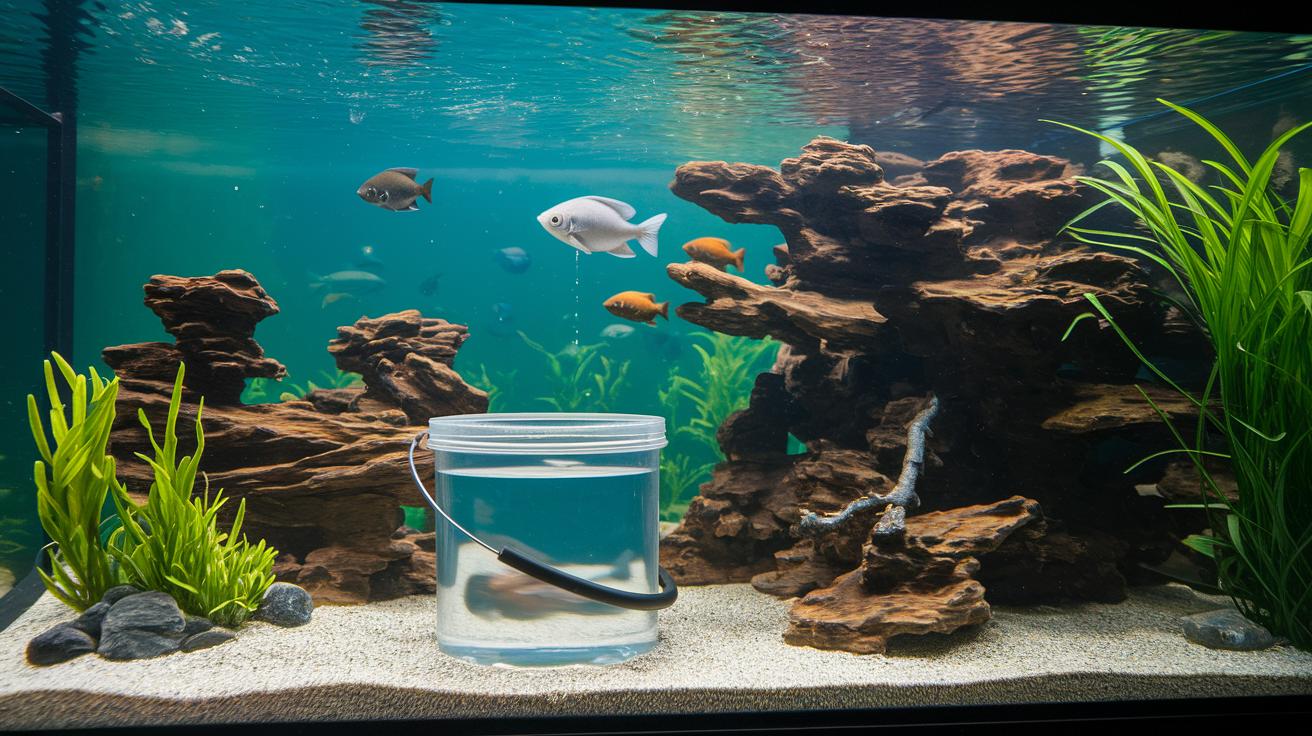
It only takes a small 5°F difference between your tank water and the new water to shake things up for your fish and shrimp. Even tiny shifts can stress them out and mess with the friendly bacteria that keep your aquarium healthy. So, before you do a water change, let your new water warm up until it feels just like your tank water. I always say, "Let your bucket sit until the water feels cozy."
A slow drip method is a smart move. Instead of pouring all the fresh water in at once, add it slowly by letting it drip in. This gives both your fish and the water time to get used to the change, much like easing into a warm bath on a chilly day. Always double-check with a thermometer to be sure the temperature is just right. And don’t forget to think about other water needs, like pH and minerals, to keep everything balanced. Taking these careful steps means your underwater friends stay calm and your tank remains a happy, stable home.
Final Words
In the action, this post walked through setting up a regular water change schedule that keeps your tank clean and your fish comfortable. It shared tips on safe water volume removal and how pre-conditioning your replacement water prevents stress. It also highlighted adjusting water changes to match your tank's bioload and size. By avoiding common mistakes in aquarium water changes, you can keep your underwater habitat happy and healthy. Keep these ideas in mind, and you'll enjoy watching your aquatic friends flourish.
FAQ
What are common mistakes in aquarium water changes forum?
The common mistakes in aquarium water changes include removing too much water at one go, skipping water conditioning, and not sticking to a regular schedule. These errors can upset your tank’s balance and stress your fish.
How to do partial water change in fish tank?
Doing a partial water change means removing only a portion of the water, then refilling with pre-treated, temperature-matched water to keep the chemistry stable and your fish safe.
How to change water in fish tank without killing fish?
Changing the water without harming fish involves replacing only some water at a time, ensuring the new water is properly dechlorinated and matches the tank’s temperature to avoid shocking your aquatic pals.
How to change aquarium water easily?
Changing aquarium water easily means using simple tools like buckets and siphons to remove and add water gradually. This careful method minimizes stress by keeping water chemistry and temperature steady.
How to change water in fish tank with filter?
Changing water in a tank with a filter involves switching off the filter briefly, siphoning out part of the water, replacing it with treated water, and then restarting the filter so your tank’s cleaning system stays effective.
How to change fish tank water without siphon?
Changing tank water without a siphon requires using a bucket to carefully remove and replace water. This method works best for small changes if you don’t have a siphon tool on hand.
How to change water in fish tank for goldfish?
Changing water for a goldfish tank follows the standard method: remove a measured portion, treat the replacement water to remove chlorine, and match the temperature, ensuring your goldfish remain comfortable.
How often to change water in fish tank with filter?
Changing water in a filtered tank is usually done weekly for small tanks and every other week for larger setups. Keeping up with these intervals helps maintain good water quality for your aquatic pets.
Should you ever do a 100% water change in an aquarium?
A 100% water change is not recommended because it removes beneficial bacteria and can shock the aquatic life. Partial water changes help maintain a stable ecosystem for your fish.
What is the golden rule for tank maintenance?
The golden rule for tank maintenance is to keep a steady routine—replace only part of the water to conserve beneficial bacteria and regularly check water parameters so your fish thrive.
Why is my fish tank so dirty after a water change?
A dirty tank after a water change may result from residual waste or an underperforming filter. Consistent cleaning, proper dechlorination, and a regular change schedule help maintain clarity in your aquarium.