

Ever wonder if your betta is truly thriving? Many fish keepers unwittingly stress their bettas by using tiny bowls and over-cleaning their space. A larger tank makes water changes easier and gives your fish the calm, roomy environment it needs, like a peaceful lagoon with gently rippling water. In this chat, we'll share simple tank ideas, clear water tips, and easy feeding advice so your betta stays happy and healthy. Let’s refresh our old habits and create a cozy, spacious home where your betta can really flourish.
Betta Fish Care Fundamentals: Essential Tank Setup and Water Conditions
Pick a tank that holds at least 5 to 10 gallons. This gives your betta plenty of room to swim and makes cleaning easier. I once found a 10-gallon tank on sale for just $10, and a spacious home like this helps keep the water clean and your fish happy.
Many beginners use a tiny 1-gallon bowl, which means doing full water changes every two or three days. That constant cleaning can really stress your little betta out. A larger tank means simpler cleaning and a calmer fish.
Always treat tap water with a conditioner to remove harmful chemicals like chloramine. It’s like rinsing your favorite dish before you use it; a quick water treatment gives your betta a fresh start in a safe environment.
Keeping the water at around 80°F is key. A reliable aquarium heater will help maintain that steady temperature, so your betta stays active and healthy even when the room cools down.
For filtering, choose a gentle sponge filter or an adjustable one that creates a light current. This keeps the water clear while protecting your betta’s delicate, flowing fins from harsh streams.
Stick to these tips and you’ll create a clean, calm home for your betta, a simple recipe for a happy aquarium where your fish can thrive.
Betta Fish Care: Nutrition, Feeding Schedule, and Dietary Guidelines
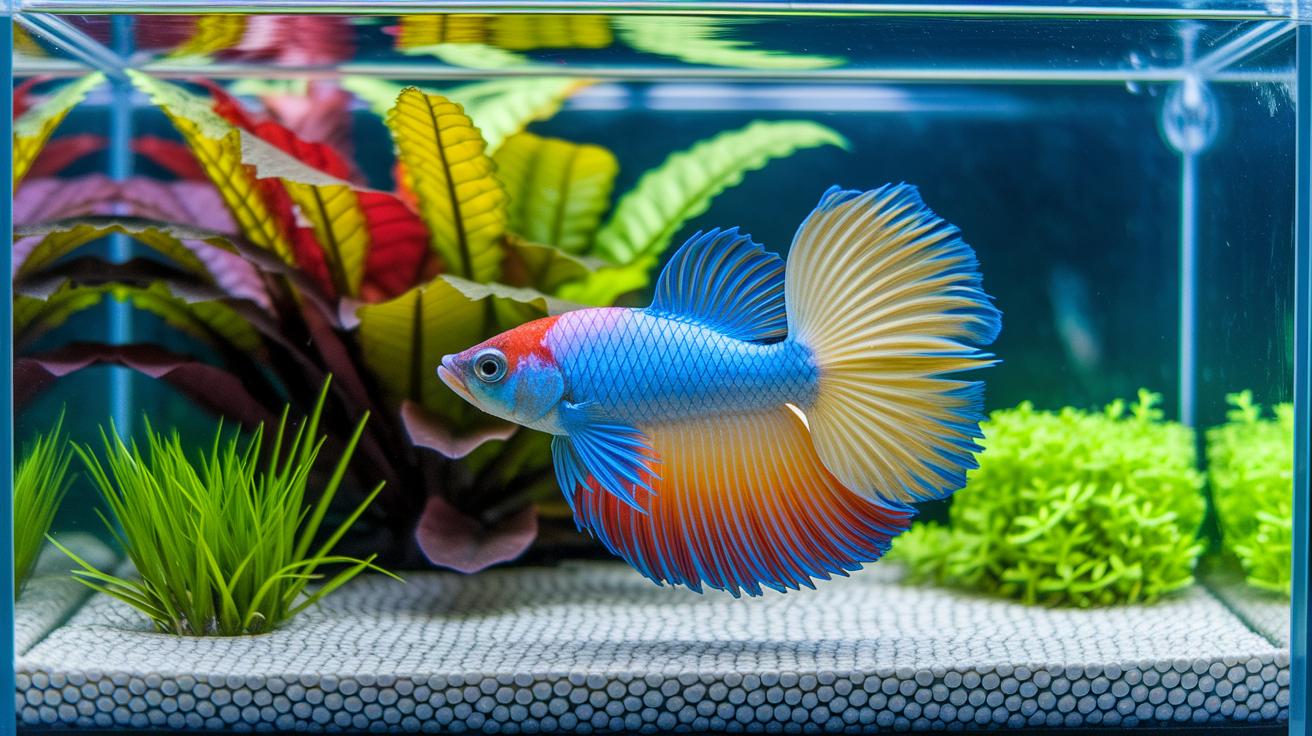
Feed your betta every day for about one minute. This short time frame feels natural for your fish and stops extra food from cluttering up the tank. Overfeeding can lead to problems like upset tummies or swim bladder troubles. Think of that minute as a quick burst of energy that brings out your betta’s bright colors and lively spirit.
Stick to pellets made just for bettas so they get the balanced nutrition they need. If you’re looking to add a little variety, toss in a few freeze-dried bloodworms for an extra protein punch. Bettas are meat-eaters, and extra protein helps keep their quick metabolism humming along. It also helps them stay healthy and keeps their colors sparkling.
Keep a close eye on your fish after meals. If your betta seems a bit sluggish, it might be a sign you’re giving a bit too much food. In that case, try adjusting the portions slightly while keeping the feeding time the same, and always measure the food carefully.
- Feed once daily for about one minute
- Use betta-specific pellets and freeze-dried bloodworms
- Monitor your betta’s activity and adjust portions as needed
This simple feeding routine helps your fish stay active, healthy, and beautifully vibrant.
Betta Fish Care Maintenance: Water Quality and Cleaning Protocols
Keeping your betta's water fresh is key to a happy, healthy fish. For a 10-gallon tank, try changing about 30% of the water once or twice a month. Simply siphon out a bit of the water and top it off with fresh, treated water that’s been mixed with a conditioner to cancel out chlorine and chloramine. This helps keep the water clear and balances the pH, ammonia, and nitrite levels, just like checking your betta’s vital signs.
In a 1-gallon bowl, things are a bit trickier. With so little water, you need to replace all of it every two or three days. Imagine cleaning a very tiny room every day, it can stress your fish and make it hard to keep the water quality steady.
Here are a few simple cleaning tips you can follow:
- Siphon the water gently so you don’t disturb the gravel.
- Always use a water conditioner when you add or change the water.
- Check the water’s pH, ammonia, and nitrite levels often to keep them safe.
- Stick to a regular cleaning routine.
- Keep a little record of your water tests to see how things change over time.
A steady cleaning routine not only keeps the water sparkling, but it also makes your betta feel safe in its own watery haven.
Betta Fish Care Health: Disease Prevention and Wellness Monitoring
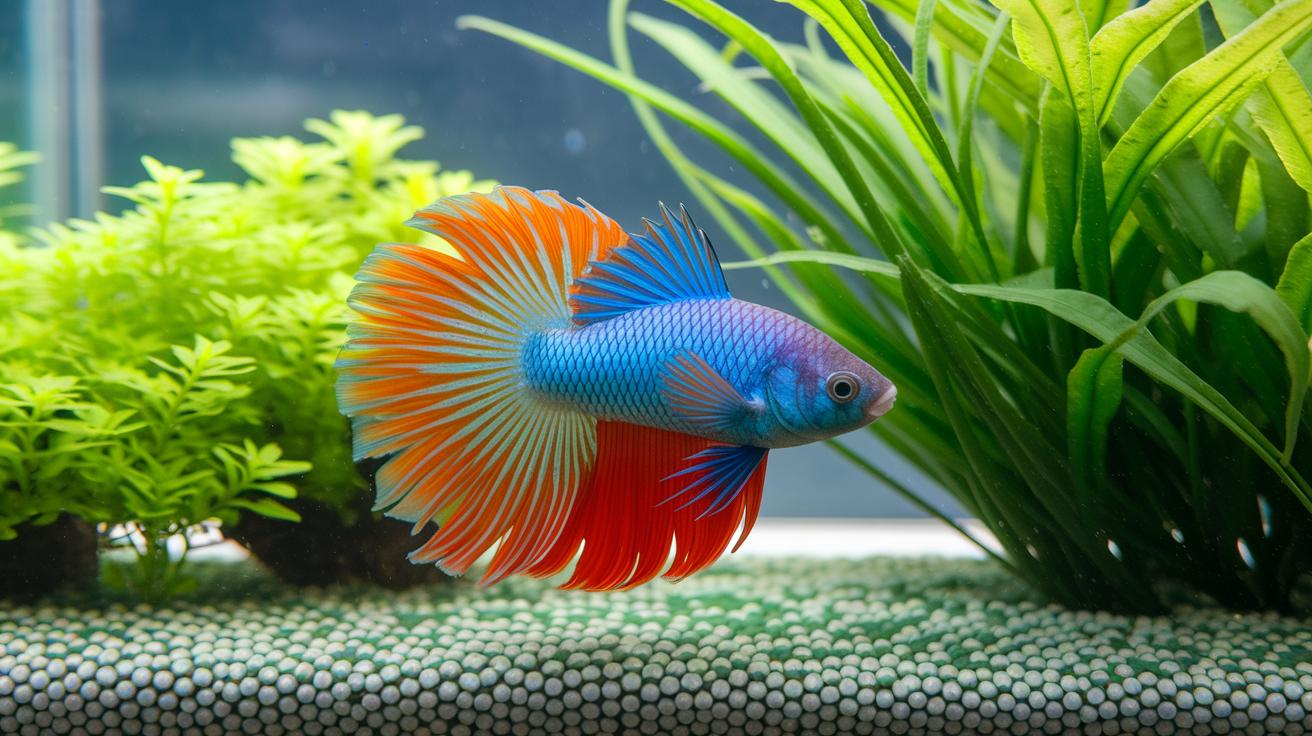
Every day, take a moment to check your betta’s beautiful fins and bright colors. It’s like watching the gentle ripple of water over smooth stones, you’re looking for any small change, like a slight fading near the tail, that might hint at trouble. Common issues include fin rot, swim bladder disorder, or tiny infections caused by bacteria or parasites. A quick daily look can help you catch these sneaky problems right away.
Next, make sure the water in your tank stays fresh and stable. Regular water changes wash away unwanted chemicals and help create a calm home for your betta. For example, if you spot signs of fin rot, like torn or discolored fins, a little aquarium salt or a drop of Melafix can soothe your betta’s irritation. Keep an eye on water temperature and avoid overfeeding, because these factors can make your fish feel sluggish.
Here are some simple tips:
- Check your betta’s fins and colors every day.
- Stick to a regular water cleaning schedule to reduce harmful bacteria and parasites.
- Use aquarium salt or Melafix when you see early signs of fin rot.
| Issue | Signs | Remedy |
|---|---|---|
| Fin Rot | Frayed, discolored fins | Aquarium salt, Melafix |
| Bacterial Infection | Lethargy, color fade | Regular water changes, proper treatment |
Betta Fish Care Behavior and Enrichment: Observing Active Fins
Betta fish have a special way about them. They can breathe air using a secret organ called the labyrinth, which makes them unique in the fish world. When you watch your betta, a calm one will glide slowly and elegantly, while a stressed fish might dart about or hide away.
Creating a home that feels like a watery wonderland can make a big difference. Try adding live plants and cozy little caves where your betta can sneak in for a quiet break, just like hiding among lush riverbanks. It’s a bit like setting up your favorite reading nook where everything feels safe and peaceful.
If your tank is around 10 to 20 gallons, you might even invite some gentle nano fish to join the fun. These friendly companions can make your betta feel less lonely, but it’s a good idea to keep an eye on them just in case any splashing turns into squabbling. And remember, choose a filter that creates a soft ripple instead of a wild current so those beautiful fins stay safe while the water stays clear.
Keeping the water at a steady, warm temperature helps your betta follow its natural rhythm, making it more active and content. Check your tank every day to see how your little friend is doing, and if you spot any signs of stress, adjust the setup a bit. A calm, tidy tank is like a cozy living room for your betta where it can truly shine.
Betta Fish Care: Selecting and Acclimating Your New Fighter
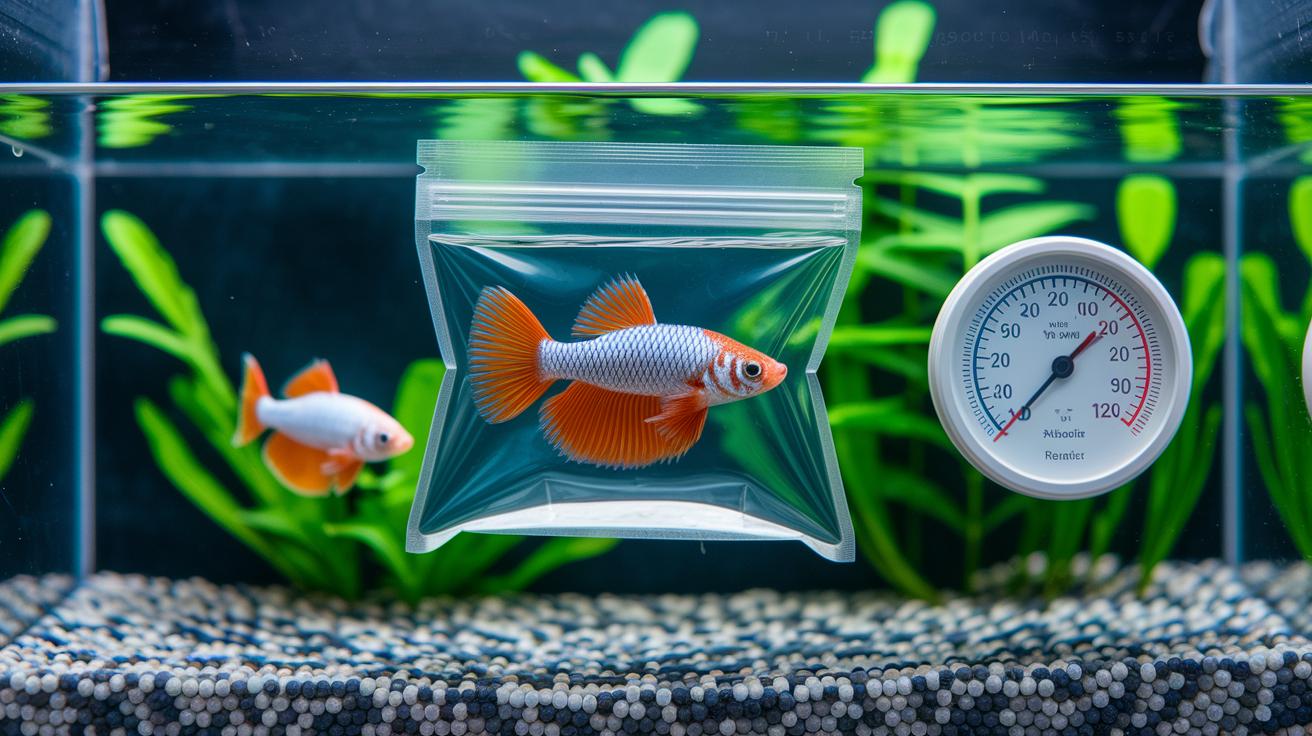
Picking a healthy betta is your first step to creating a lively tank. When your new fighter arrives, it usually comes in a small, sealed bag. Instead of releasing it immediately, float the bag in your tank’s water for about 15 minutes. This helps the water warm up slowly, much like easing into a warm bath.
After 15 minutes, start adding a few spoonfuls of tank water into the bag every five minutes. This gradual mix helps your betta adjust gently to the new water chemistry, no sudden surprises! While you do this, keep an eye on your fish for any odd behaviors or changes in its color that might hint at stress.
Before your betta calls the tank its permanent home, run through a quick checklist:
| Item | Check |
|---|---|
| Heater | Works well and keeps the water warm |
| Filter | Creates a soft, steady flow |
| Water Parameters | Balanced and suited for bettas |
| Quarantine | A brief period to ease any risk of disease |
Taking these steps ensures your new friend has a smooth start in a safe, healthy, and happy home.
Betta Fish Care FAQs: Troubleshooting Betta Behavior and Advanced Health Tips
Q: What does occasional fin flaring signal?
A: When you see your betta occasionally spreading its fins, it might be saying, "This is my territory" or reacting to a new tank setup. But if the flaring happens a lot, it could be a sign that your fish is feeling stressed. Ever notice those moments when your betta flutters its fins during quiet times? That might be its way of asking for a calmer, more peaceful space.
Q: How do subtle behavior shifts indicate health issues?
A: Pay close attention to small changes in your betta’s routine. If it starts swimming less, hiding more, or even seems to breathe differently, it could be hinting at an underlying issue before any serious signs, like fin damage, appear. So when your betta spends extra time tucked away at the bottom of the tank, it might be trying to tell you something isn’t quite right.
Q: Can color shifts reveal something about my betta's well-being?
A: Yes, they can. If you notice your betta’s vibrant colors start to fade or its patterns become uneven, it might be a sign of stress or a minor health hiccup. Think of it like a subtle message from your fish, gently letting you know that something might need a bit more attention.
Q: Are there tank environment tweaks to boost mood?
A: Absolutely. Sometimes a small change, like moving a rock or shifting around some plants, can make a big difference in your betta’s mood. It’s a bit like rearranging your living room furniture, a new layout can spark curiosity and make your betta feel more at ease in its home.
Final Words
In the action, this guide covered everything from setting up a tank to feeding, cleaning, and protecting your betta fish. We talked about choosing the right tank, keeping water clean, and ensuring healthy habits for your fish.
Each section also shared ways to create a beautiful, safe space while keeping your betta in peak condition. With attention to tank setup and maintenance, remembering basic betta fish care can make underwater living a joyful experience.
FAQ
What is the ideal betta fish tank setup?
The ideal betta fish tank setup means using a tank of at least 5–10 gallons, a gentle sponge filter, and a heater to keep water near 80°F, along with properly treated water.
What are essential betta fish care tips for beginners?
Essential betta care tips include using the right tank size, proper water treatment to remove chlorine, feeding a high-protein diet in small portions, and regular water testing for safe conditions.
What are the do’s and don’ts of betta fish care?
The do’s include using the correct tank setup, treating tap water, and providing a balanced diet and enriching décor. The don’ts cover overfeeding, using tiny bowls, and exposing fish to stressful currents or sudden temperature changes.
How should I care for a betta fish in a bowl or without a filter?
Caring for a betta in a bowl or without a filter means doing daily water changes if necessary and treating tap water every time to remove harmful chemicals. A larger tank is preferable to reduce stress and cleaning frequency.
Can betta fish live in tap water safely?
Betta fish can live in tap water only after the water has been treated with a water conditioner to remove chlorine and chloramine, ensuring a safe environment for your fish.
What keeps betta fish happy?
Betta fish stay happy with a clean, properly sized tank, stable temperature, quality nutrition, gentle filtration, and enrichment like live plants or caves that mimic natural hiding spots.
Is there a betta fish care guide available in PDF format?
Yes, many resources offer a betta fish care guide PDF that outlines tank setup, water treatment, feeding, and maintenance tips, making it easy to follow the proper care routine.
Can betta fish care be a fun project for kids?
Betta fish care can be a fun project for kids when guided by adults, as they learn basic feeding, tank maintenance, and water testing while enjoying the vibrant world of aquatic life.