

Have you ever wondered if your aquarium pump is really doing its job? Picking the right pump is a bit like finding the perfect current for your fish, it keeps the water clear and your aquatic pals happy.
A smooth and quiet pump makes tank upkeep feel like a gentle ripple through calm water, so water changes become a simple, stress-free routine. In this guide, I’ll share how a pump that works well can help your tank shine and stay healthy, ensuring your fish always enjoy their cozy underwater home.
Top-Rated Pumps for Aquarium Water Changes

Choosing the right pump is like finding the perfect current for your tank, it keeps your fish happy and your water sparkling. A good pump makes water changes feel smooth and quiet, letting you enjoy the calm hum as your tank stays healthy. It works well in both salt and freshwater tanks, offering different flow speeds and depths to match your setup. And if you're interested in learning more, check out https://sweetfysh.com?p=3100 for some friendly tips.
| Model | Flow Rate (gph) | Tank Size (gal) | Min Depth | Price ($) |
|---|---|---|---|---|
| Sicce Syncra Nano Pump | 110 | 50 | 1 inch | 75 |
| Sicce Syncra Silent 1.0 | 251 | 100 | 1 inch | 110 |
| EHEIM compactON 1000 | 264 | 100 | 1 inch | 95 |
| Quiet One PRO 1200 | 317 | 125 | 1 inch | 130 |
| Sicce Ultra Zero Water Change Kit | 790 | 250 | 2 mm | 150 |
We especially love the Sicce Ultra Zero Water Change Kit because it pushes water fast even in shallow water. It’s the perfect choice when you need a quick, silent water change, it just works like a charm. In short, if you’re after a pump that combines smooth operation and reliable performance, this one will keep your aquarium looking its best.
Key Features of Effective Aquarium Water Change Pumps
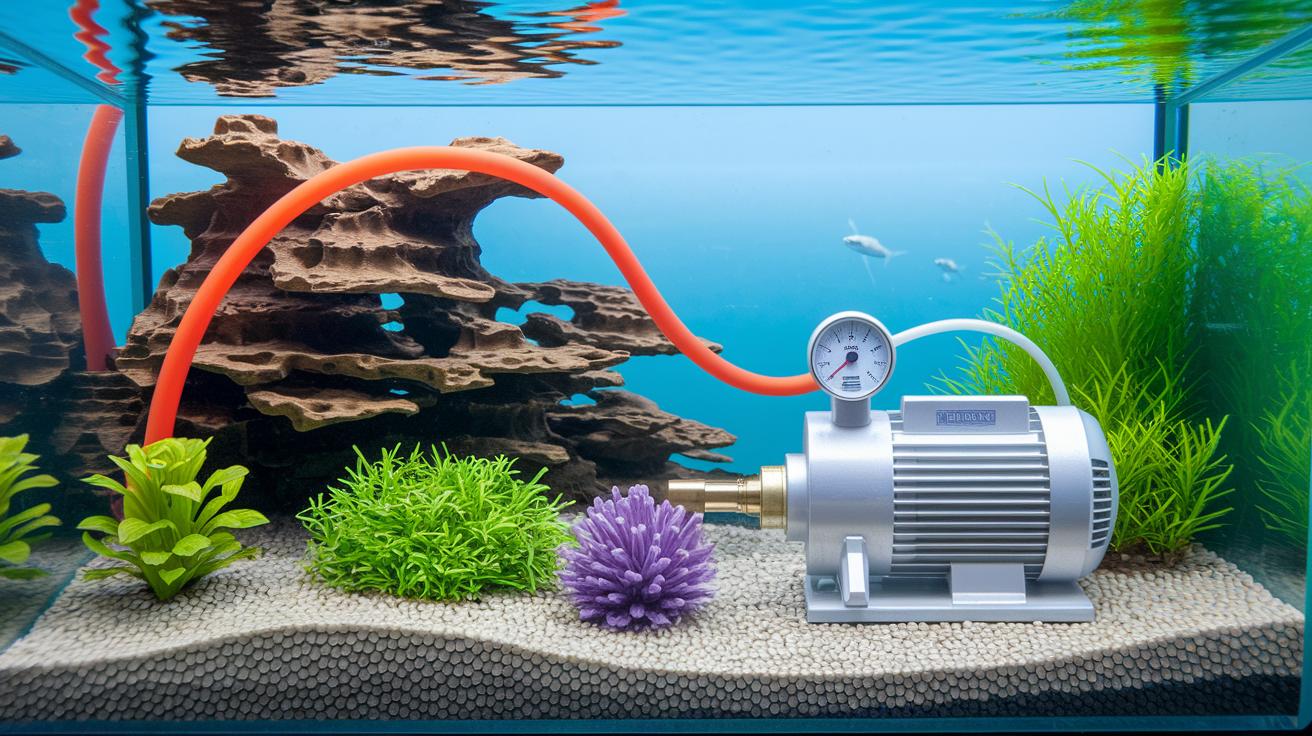
Pumps for aquarium water changes work hard to keep your tank clear and your fish happy. They match the flow rate to your tank’s size, ensuring a steady and healthy water environment. When we talk about head pressure (that’s the pump’s push for water in tanks of different depths, usually between 4 and 9.9 ft), you know it can handle a variety of setups with ease.
Energy efficiency is another big plus. Whether your pump runs on DC power like the Syncra SDC or on traditional AC power, you get the benefits of reduced power costs and low noise, some models stay below 30 dB. These design features come together to give you a reliable water change that fits both saltwater and freshwater tanks.
Real examples make these features easy to understand. For instance, the Sicce Ultra Zero pump works beautifully even in very shallow water, about 2 mm deep, making it great for small spaces. The Syncra Nano whispers along at less than 30 dB, perfect for a quiet home. And with Quiet One PRO models, you get a consistently calm operation at under 35 dB. Plus, some advanced pumps even offer WiFi flow control so you can adjust your tank’s water delivery from anywhere. With corrosion-resistant materials built to handle salty marine conditions, these pumps promise a dependable water change every time.
Installation and Setup for Aquarium Water Change Pumps
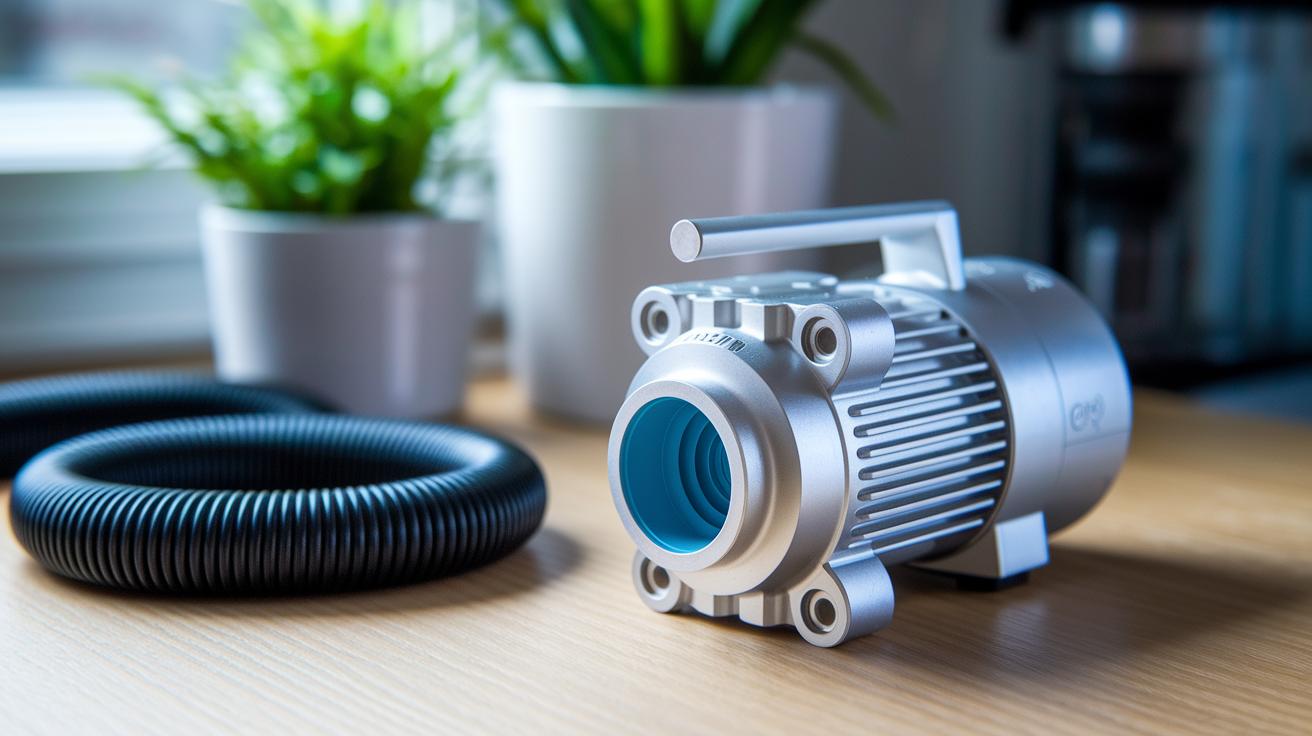
Get your pump ready to keep your tank water as clear as a calm lake. Follow these easy steps to set it up right, so your pump and fish stay safe and happy.
Unboxing and Component Check
When you open your box, take a good look at every part. Check the casing, the spinning part, and the cord to be sure nothing is broken or missing. This quick peek helps you catch any problems before you start.
Tubing and Fittings Setup
Pick tubing that is between 1/4 inch and 1/2 inch thick so it fits nicely with your pump. Use fittings that click apart easily to lock the hose in place and stop leaks during water changes. A snug fit means your water will flow smoothly.
Pump Positioning and Priming
Place your pump in the right spot: models like Ultra Zero work best in very shallow water, around 2 mm, while others need at least 1 inch. Run the pump for about 2 to 3 minutes to get rid of any trapped air and let the water fill in all the corners.
Final Adjustments and Safety Checks
Fine-tune the water flow and pressure using the control dial or app if your pump has one. Make sure all the hoses are securely connected to prevent leaks. And always unplug the pump before doing any cleaning or adjustments. One last check of all the settings will ensure everything is working as it should.
Electric vs Manual Pumps for Aquarium Water Changes
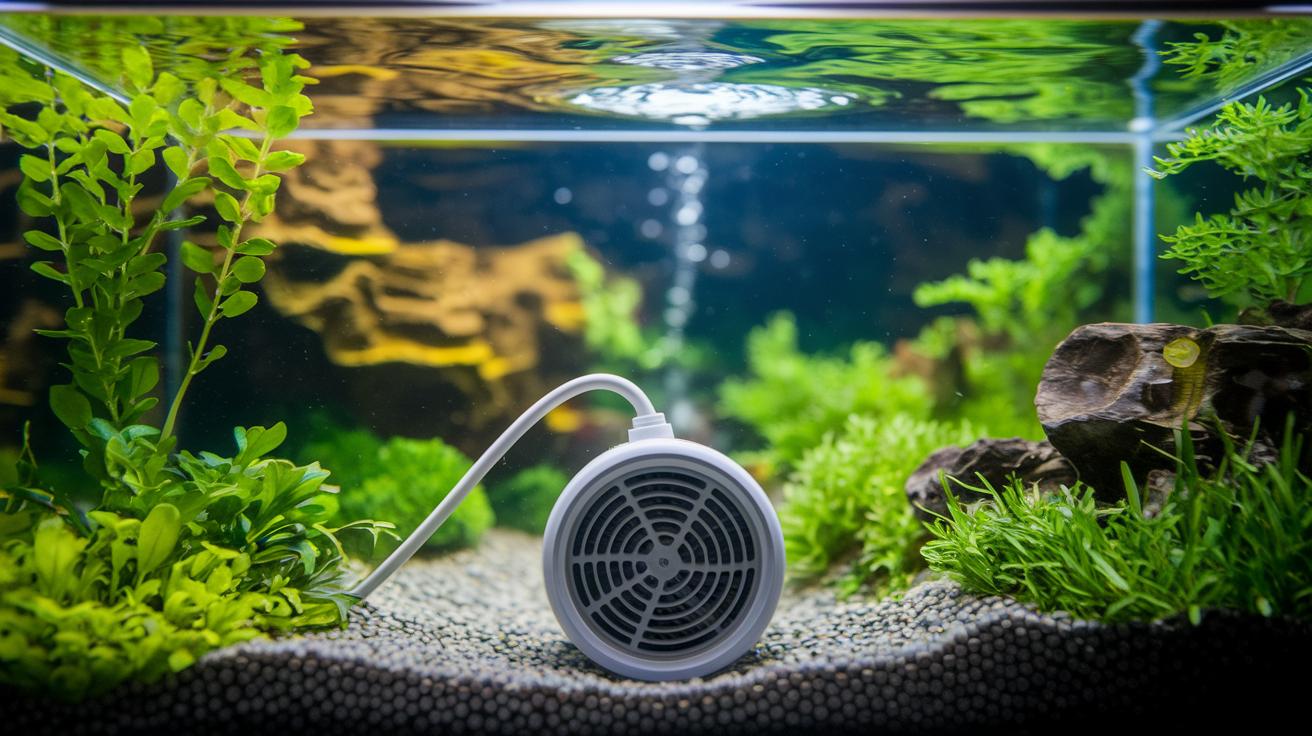
Electric pumps like the Syncra Nano, Sicce Ultra Zero, and EHEIM compactON work much like a calm stream, offering a water flow between 110 to 790 gph. They let you adjust the flow smoothly, keeping the water gentle and the tank peaceful, almost like a quiet aquatic melody. This ease of control means you spend less time and energy on water changes. However, these pumps do tend to cost a bit more, usually between $40 and $150, and they need a power source, which is something to think about if your tank isn't set up near a steady electricity supply.
Manual tools such as the Python No-Spill or a traditional hand siphon are great if you're watching your expenses, costing around $15 to $30. They work perfectly in smaller tanks, typically under 10 gallons, where a little bit of manual work is just fine. Even though you'll be putting in some physical effort, their simplicity and low price make them a smart choice for quick water changes on a budget.
Maintaining and Troubleshooting Aquarium Water Change Pumps
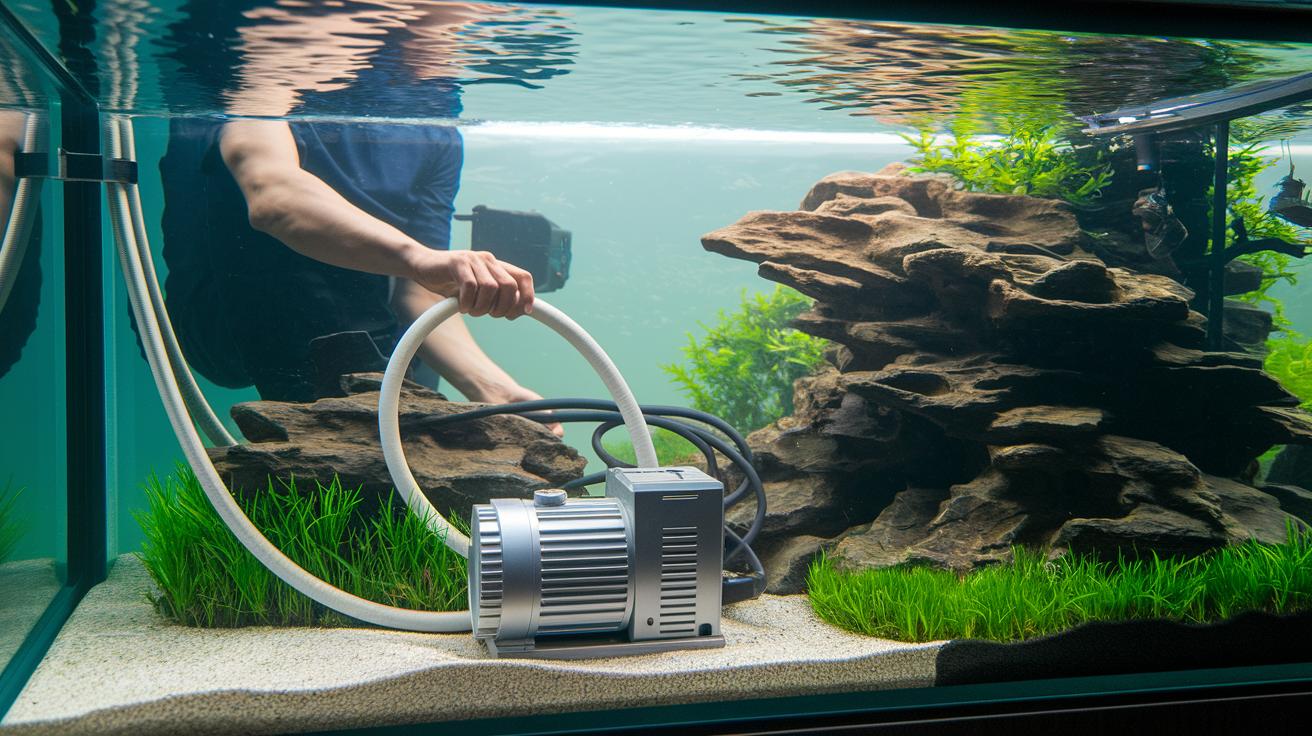
Keeping your water change pump in tip-top shape is easy with regular check-ups. Every month, give it a quick look over to catch any signs of trouble early. Not only does this routine care keep it humming quietly, but it also helps save energy.
It’s important to listen to your pump and watch the water flow. If you notice that the water isn’t moving as well as it should because air has sneaked in, a quick re-priming can clear things up. And if your pump suddenly gets louder, that might be a sign that its inner parts, like the impeller or bearings, need a bit of cleaning or even replacing. A little extra attention goes a long way in keeping your pump running smoothly and quietly.
Sometimes you might run into leaks, overheating, or clogged parts. If you spot a leak along a hose, try tightening the connections or resealing the fittings to keep the water moving steadily. Overheating can happen if the pump isn’t fully submerged, so make sure it rests properly in the water. Also, any dirt or debris that builds up can block the pump, so be sure to flush out the system regularly. Finally, taking a moment to inspect the tubing, swap out old O-rings, and double-check electrical seals will help ensure your pump stays reliable for all your aquarium water changes.
Final Words
In the action, this guide covered top-rated pumps for aquarium water changes, outlining their performance, setup tips, and maintenance ideas. We looked at flow rates, quiet operation, and energy-efficient designs that help keep tanks inviting and safe.
The insights shared here equip you with simple methods to create a clean, balanced aquatic home. A well-chosen pump for aquarium water changes sets you up for success and a brighter underwater environment.
FAQ
Q: What are the best pump options and features for aquarium water changes?
The best pump options for aquarium water changes offer efficient, low-noise water removal with submersible designs. Models like Sicce Syncra Nano, EHEIM compactON, and Hygger water change pumps provide adjustable flow rates that work well for both saltwater and freshwater tanks.
Q: How to change aquarium water with pump?
Changing aquarium water with a pump involves setting up the pump, priming it to remove air, and directing its flow to drain old water. Secure all connections and follow the pump’s manual for safety and efficient water changes.
Q: Is a 30% water change too much?
A 30% water change can be healthy for many tanks by reducing toxins and refreshing conditions. Check your tank’s specific needs and water parameters, and consider gradual changes to keep your aquatic friends comfortable.
Q: Should I turn off my filter when doing a water change?
Turning off the filter during a water change can help prevent stirred-up debris, though some models may require partial operation for stability. Follow your manufacturer’s guidelines to keep your tank balanced during the process.
Q: How to perform a water change in an aquarium?
Performing a water change involves preparing and priming the pump, draining the old water, cleaning tank surfaces, and refilling with treated water. It’s key to check fittings, follow best practices, and maintain safety throughout the process.