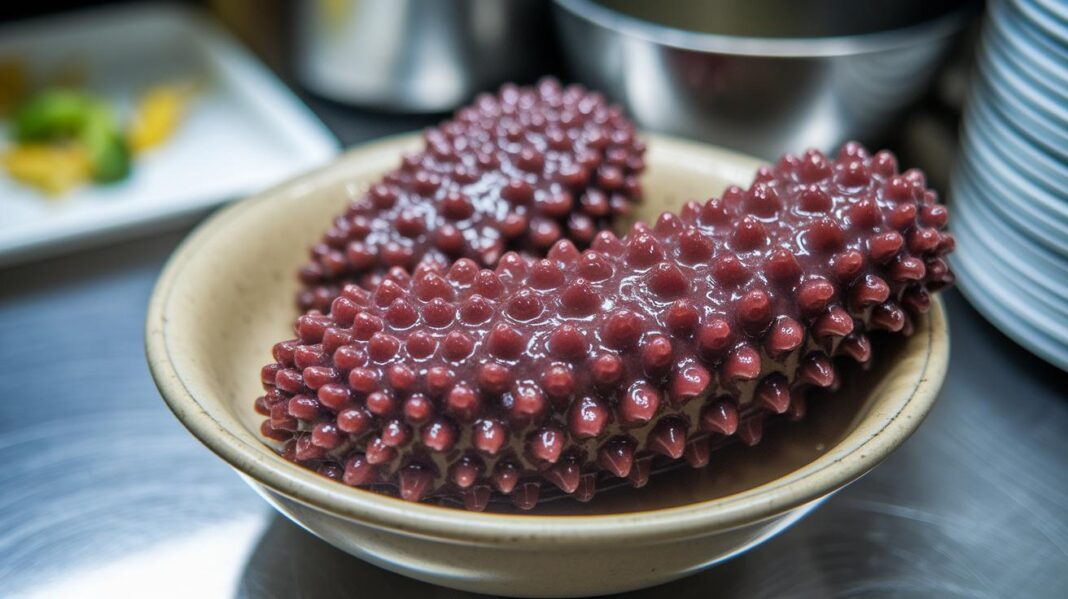

Have you ever thought that food might be as smooth as custard and still pack a nutritious punch? Sea cucumbers have been a favorite for generations in kitchens across Asia and the Middle East. They’re loaded with protein, vitamins, and minerals, making them a truly healthy treat.
Their texture is soft and silky, and their flavor is mild and inviting. They work great in light broths and even in rich, slow-cooked dishes. It just goes to show that eating well can be both surprising and delicious, much like discovering a secret, calm cove on a busy day.
Sea cucumber food shines with healthy flavor
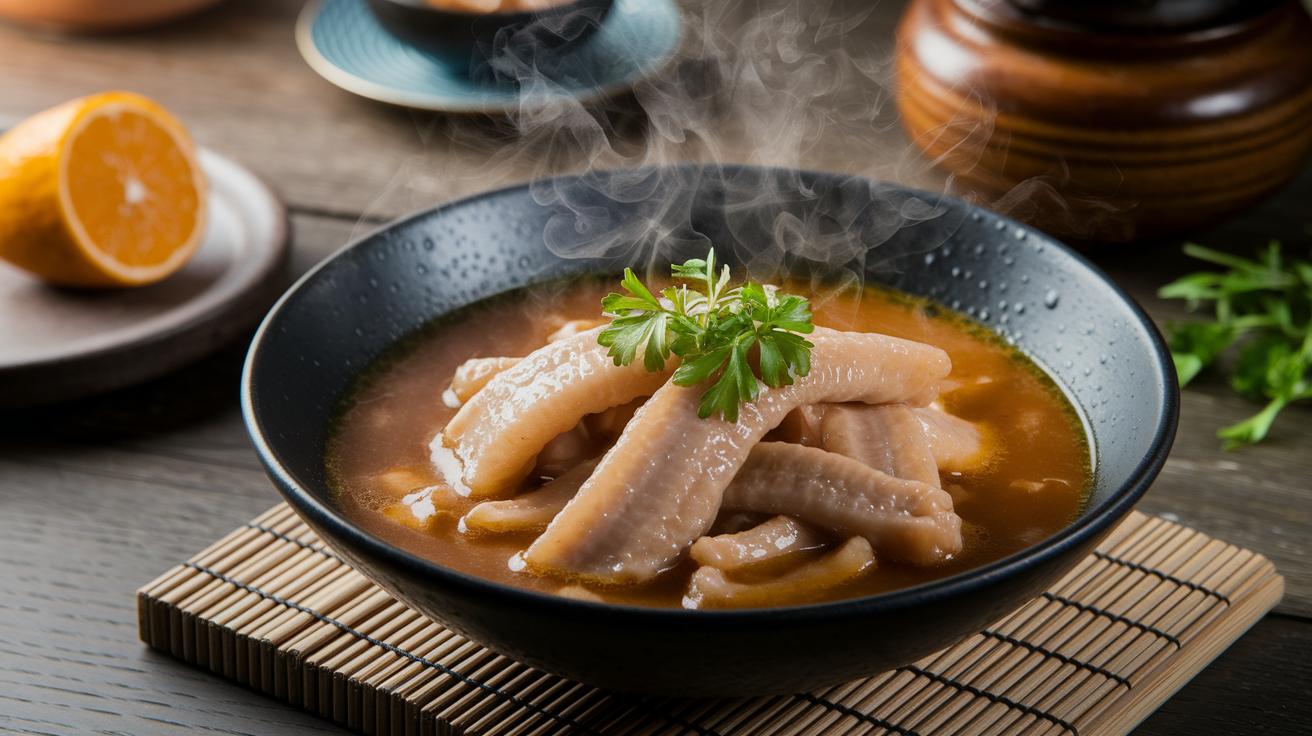
Sea cucumbers have been a cherished ingredient in many kitchens across Asia and the Middle East for ages. They bring a soft, silky feel and a gentle taste that reminds you of a smooth custard melting in your mouth.
These unique treats are not only delicious but also pack a healthy punch by offering quality protein, key vitamins, and important minerals. Their mild flavor and jelly-like texture make them perfect for both light broths and richer, slower-cooked dishes.
Around the world, sea cucumbers have earned a special place at the dining table. Chefs love to use them in recipes that honor old culinary traditions, whether they braise them slowly to bring out a deep, savory note or add them to delicate soups for a nutritious boost. Many think of sea cucumbers as a real marine superfood, a little piece of the ocean magic brought right to your plate.
Step-by-Step Preparation Methods for Sea Cucumber

Start your sea cucumber journey with gentle care, much like setting up a cozy underwater haven. Once you have your sea cucumber, give it a refreshing restart, like waking up on a bright, early morning by the sea. Begin with a soothing rehydration process that prepares it for a delightful meal.
- Soak your sea cucumber in cool water for anywhere between 8 and 24 hours. We recommend about 12 hours so it gets nice and plump, much like a content fish resting in a calm lagoon.
- Clean the sea cucumber carefully by removing any toxins from its insides. Give it a good rinse, as if you were washing away the day's tide.
- Briefly dip the sea cucumber in boiling water for a quick blanch. This step helps firm up its texture and washes away any lingering impurities.
- Place the sea cucumber in a pot and fill it with fresh water or a light broth. Let it simmer slowly over low heat, imagine a gentle, bubbling stream revealing its hidden flavors.
- Keep that simmer going until the sea cucumber turns soft and its flavor deepens. Check on it now and then, just like you’d peek at a pet fish enjoying its playtime.
- Finally, take it out. You can add a sprinkle of seasoning or mix it into your favorite recipe, just as you would finish a beautifully set table with a special touch.
Remember, patience is key. The rehydration step alone could take the better part of a day. Make sure you have a deep soaking container, a sturdy pot for even heat, and a timer to keep that slow simmer in check. Enjoy the process as if you were witnessing the calm and steady flow of a peaceful current.
Sea Cucumber Culinary Recipes and Innovative Dishes
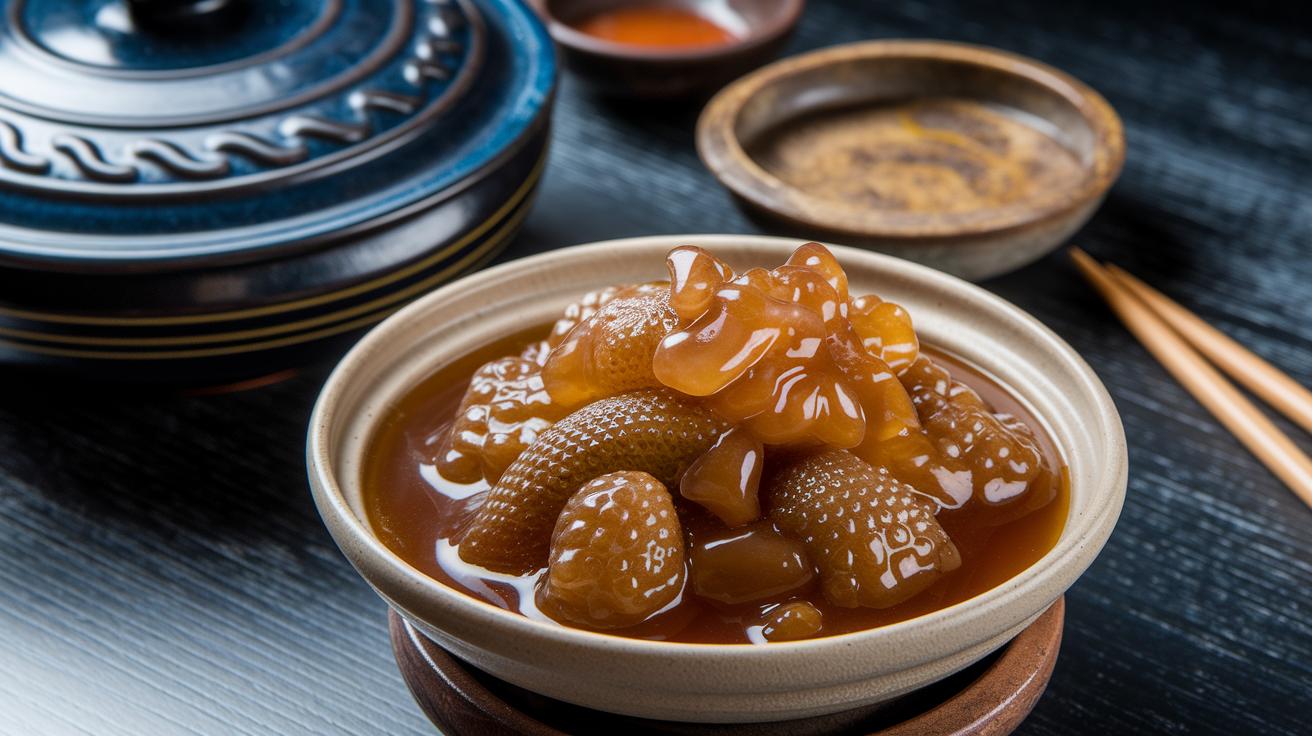
Sea cucumber recipes are like a dive into a vibrant underwater world. Their soft texture and gentle, savory taste spark culinary creativity. This special marine ingredient has been cherished by cooks from old, time-honored traditions to today’s inventive kitchens.
Traditional recipes celebrate the natural charm of sea cucumber. In Chinese cooking, for instance, slow-cooked sea cucumber in a rich sauce transforms into a silky stew that really shines with its smooth, jelly-like feel. Meanwhile, in Korea, adding sea cucumber to spicy seafood stews gives them a warm, umami lift that feels like a comforting embrace from the past.
Modern takes on sea cucumber bring a refreshing twist. Chefs whip up quick stir-frys that toss in its subtle crunch with crisp garden vegetables and light sauces. Its mild flavor also pairs nicely with tangy salad dressings, giving each bite a delightful burst of texture, like finding a hidden gem beneath gentle waves.
Creative culinary minds are blending global flavors with sea cucumber in fusion dishes. Imagine a gourmet soup where sea cucumber plays star with a medley of spices and rich, cozy broths or an inventive appetizer turning it into a luxurious treat. These fresh creations invite you to experience sea cucumber in a whole new, inspiring way.
Sourcing, Price Comparison, and Quality Grades of Sea Cucumber

When picking out high-quality sea cucumber, it all starts with knowing where it comes from and what factors affect its price. Whether you're a home cook or a seasoned food explorer, the key is understanding the differences between wild-caught and farmed sea cucumbers, being aware of market trends, and knowing how quality is graded. Local guides and market reviews can help you find the freshest, most responsibly gathered choices.
Wild-caught sea cucumbers grow naturally in open waters, which gives them a more genuine texture and flavor. In contrast, farmed ones are often more even in size and tend to have a softer feel. Plus, there’s the sustainability side of things – wild cucumbers usually follow seasonal limits, but farmed sea cucumbers are steady and reliable because they grow in controlled settings.
Prices can vary too. Fresh sea cucumber typically costs more than dried ones. In the US, you might see smaller, boutique portions, while in many Asian markets, you can often buy larger amounts at competitive prices. Keeping an eye on what’s happening in the market can really help you snag a good deal.
Quality grading is all about making a smart choice for your cooking. Grade A sea cucumber is in top condition, with a clear texture and hardly any flaws. Grade B might have a few small quirks, and Grade C usually shows more noticeable imperfections. Knowing these little differences means you can pick the sea cucumber that’s just right for your recipes, blending tradition with modern tastes.
By staying alert to where your sea cucumber comes from, watching price trends, and understanding quality grades, you'll feel confident that you're choosing something both premium and sustainable. It's like enjoying the calm flow of clear water as you make smart culinary decisions.
Sea Cucumber in Traditional and International Cuisines
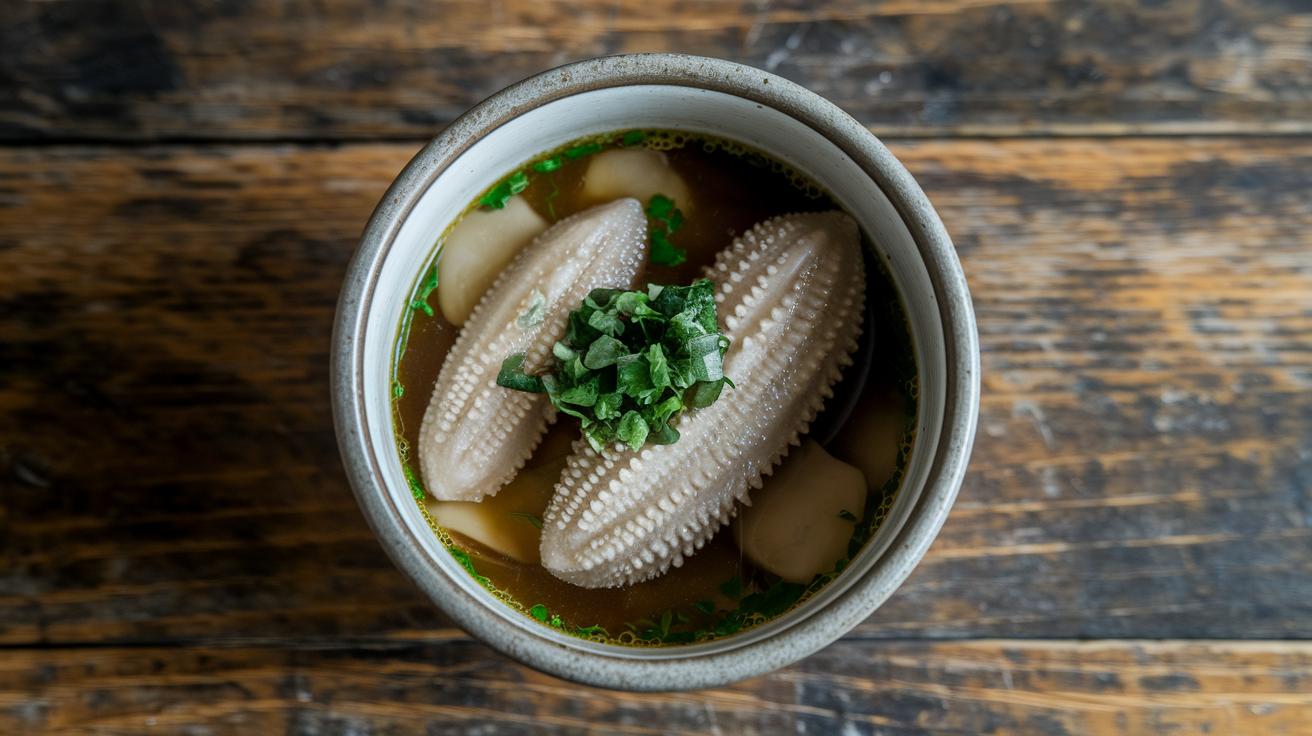
For centuries, sea cucumber has been loved for its health-boosting powers and its role in promoting longevity, as noted in old Asian and Middle Eastern writings. Its soft, subtle taste still inspires cooks to mix age-old recipes with fresh, creative ideas.
In Chinese cooking, sea cucumber has been a star since the Tang dynasty. It was a fancy dish served at big feasts to bring wealth and good health. Today’s chefs pay tribute to this tradition by slowly braising sea cucumber with ginger and soy sauce, letting the flavors blend like a gentle tide over smooth rocks.
In Korea, sea cucumber warms the heart during bitter winters. It’s usually simmered in a spicy broth with red pepper and local vegetables. Imagine a cozy pot full of steaming goodness that has been passed down through generations, much like a family secret that keeps you warm on a cold day.
Middle Eastern cooks have their own twist. They add sea cucumber to hearty, spice-rich soups with cumin, coriander, and a mix of fragrant herbs. This method reminds one of wandering through ancient Arabian spice markets, where each spice tells a story of strength and well-being.
Today, chefs all over the world showcase the delicate nature of sea cucumber by blending classic techniques with innovative touches. They mix vibrant vegetables and smooth reductions, turning the sea cucumber into a canvas for a mix of global flavors, a true celebration of tradition and modern creativity.
Nutritional and Health Benefits of Sea Cucumber in the Diet
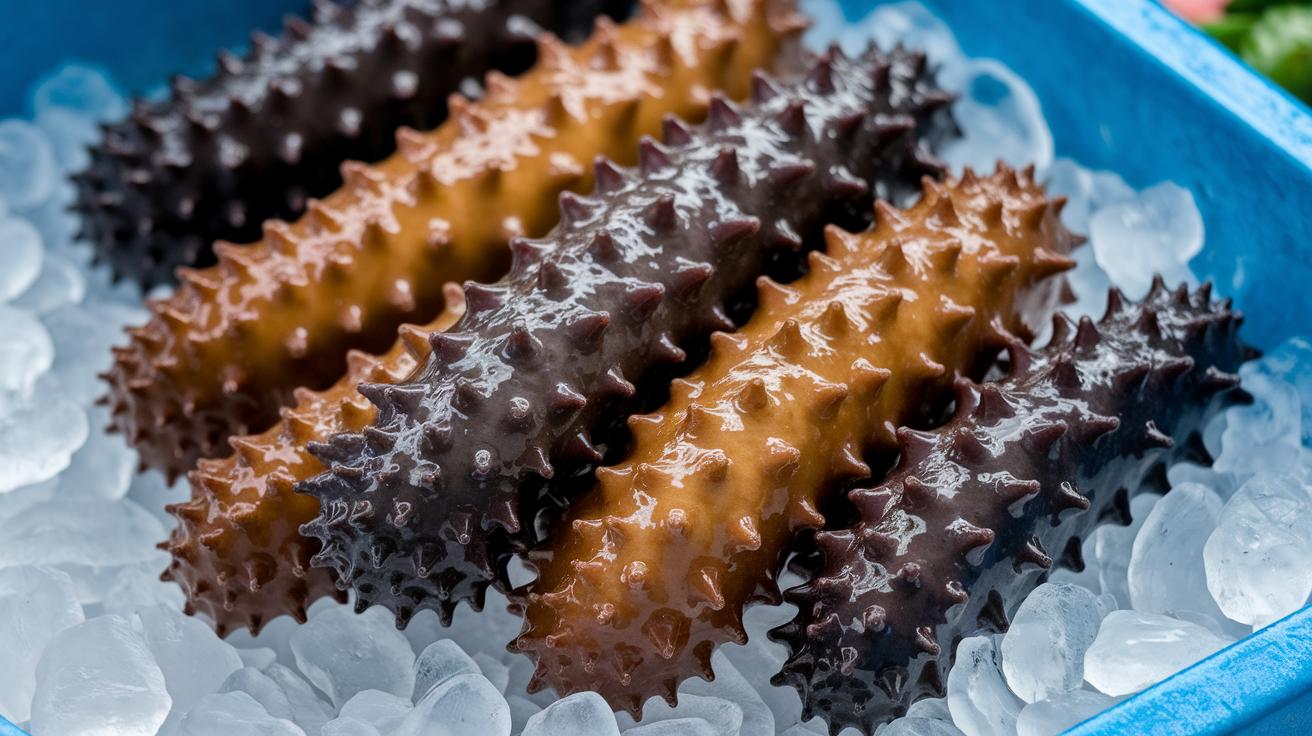
Sea cucumbers are a fascinating treat from the sea that deliver high-quality protein and essential amino acids to help repair muscles and support growth. They also pack a load of B vitamins and minerals like iron and magnesium, which give you energy and keep you feeling lively, kind of like a well-kept aquarium where every little detail counts.
Inside these ocean wonders, you'll find natural compounds that work like quiet helpers against germs and inflammation. Some animal studies even hint that they might help protect your heart and liver. Think of these compounds as the hidden currents beneath the water, gently keeping everything balanced.
Adding sea cucumber to your meals can be a refreshing way to lift your diet. When you include this marine superfood, you're treating your body to a mix of nourishing proteins, vital minerals, and powerful natural compounds. Just like a diverse coral reef, a varied diet builds a firm and dynamic foundation for your overall health.
Food Safety, Storage Tips, and Consumption Guidelines for Sea Cucumber

When you handle sea cucumber, think of it as a special gift from the ocean. Start by giving it a close look to make sure it's clean and in top shape. And don’t forget to wash your hands and any tools you plan to use. Keeping everything tidy stops unwanted germs and keeps your favorite ingredient fresh.
For fresh sea cucumber, pop it in the fridge and use it within a day or two so its soft texture and ocean flavor stay just right. If you have dried sea cucumber, tuck it away in an airtight container and store it in a cool, quiet spot. It’s a bit like saving a secret recipe until the moment you’re ready to cook.
Enjoy sea cucumber in moderation, especially if it’s your first time trying it. While it’s usually safe to eat, some people might experience a little stomach upset or an allergic reaction. Listen to your body and take it slow, so every bite remains a delightful taste of the sea.
Sustainable Harvesting Practices and Ecological Impact of Sea Cucumber Food

Sea cucumbers are like nature's underwater janitors. They help clear away old, decaying bits on the ocean floor and recycle nutrients, keeping our underwater world balanced. Much like the gentle ripple of water that cleans the shore, these creatures prevent the ocean from being overwhelmed by excess organic debris. Their work helps support coral reefs and sea grass beds, nourishing smaller marine life along the way.
But when too many are caught in the wild, this natural cleaning crew loses its rhythm. Overharvesting disrupts the delicate balance of marine life and can even ripple out to affect the health of entire ocean ecosystems. That's why it's so important to manage their harvest carefully, to make sure these vital helpers can keep their essential job going.
New ways of harvesting and growing sea cucumbers through aquaculture are making waves. With sustainable methods like regulated seasonal catches and constant population checks, we can give the ocean a break while still enjoying the benefits of sea cucumber cuisine. Advances in aquaculture, where these creatures are raised in controlled settings, take pressure off wild populations, much like setting up a well-organized aquarium that mirrors nature.
Respecting the right harvest times and using eco-friendly fishing techniques not only protect aquatic life but also help maintain a healthy ocean. This balanced, thoughtful approach lets chefs and food lovers alike savor sea cucumber dishes, all while safeguarding the blue planet we cherish.
Final Words
In the action, our guide explored the world of sea cucumber food, covering its unique texture, nutritious value, and creative culinary ideas. We shared step-by-step tips for preparing this ocean delight and looked at safe storage and mindful consumption. The post also highlighted sourcing tips and sustainable practices to keep the aquatic world balanced.
It’s a pleasure to see how sea cucumber food can bring a touch of magic to your culinary routine while supporting a healthy underwater habitat.
FAQ
Sea Cucumber Food Price
The sea cucumber food price varies based on type, size, and market availability. It usually ranges from moderate to high, depending on processing and demand factors.
Sea Cucumber Food Where to Buy
Sea cucumber food can be found at reputable seafood markets, Asian specialty stores, and online retailers. Look for trusted sources ensuring quality and proper handling.
Sea Cucumber Food for Sale
Sea cucumber food for sale is available in both fresh and dried forms. Look for quality assurances and proper labels to make sure you pick a superior product.
Sea Cucumber Food Benefits
Sea cucumber food benefits include a high protein content and essential minerals that support a balanced diet. Its gentle flavor and texture make it a unique addition to your meals.
Sea Cucumber Poisonous
Sea cucumber is generally safe when properly cleaned and prepared. Its potential for harmful substances lies in improper processing, so always follow trusted preparation practices.
Sea Cucumber Food Recipes
Sea cucumber food recipes range from traditional braised dishes to modern fusion meals. These dishes highlight its tender texture and subtle umami, making it a versatile ingredient.
Is Sea Cucumber Edible
Sea cucumber is edible when cleaned and cooked correctly. Its mild, umami flavor and soft texture enhance many dishes, making it a favorite in various international cuisines.
Sea Cucumber Species
Sea cucumber species are diverse, each offering unique textures and flavors. Some are prized for their culinary use while others are noted for specific nutritional benefits in different recipes.
Is Sea Cucumber Good to Eat?
Sea cucumber is considered good to eat because it’s rich in protein and minerals. Its delicate, umami flavor and tender texture have been enjoyed in many celebrated dishes.
What Do Sea Cucumbers Taste Like?
Sea cucumbers taste mild and slightly briny with a unique, gelatinous texture. Their subtle flavor absorbs spices well, making them a flexible ingredient in a range of dishes.
Why Is Sea Cucumber So Expensive?
Sea cucumber is expensive due to limited supply, labor-intensive processing, and high demand in upscale cuisines. Its rarity and reputation as a nutritious marine food drive the premium price.
Why Do Chinese Eat Sea Cucumber?
Chinese cuisine values sea cucumber for its delicate taste, texture, and reputed health benefits. It is a cherished ingredient on special occasions, celebrated for adding a luxurious touch to traditional dishes.