

Ever notice how switching up your aquarium lighting can completely transform your tank? LED lights create a cool, soft glow that soothes your fish and brings out every little detail. They fill your underwater world with a gentle light that feels a bit like a smooth stream flowing over stones, giving your plants and corals just the boost they need. In this post, you'll learn how LED lighting not only adds beauty to your setup but also helps save energy and lasts for a long time.
LED Aquarium Lighting Elevates Aquatic Beauty
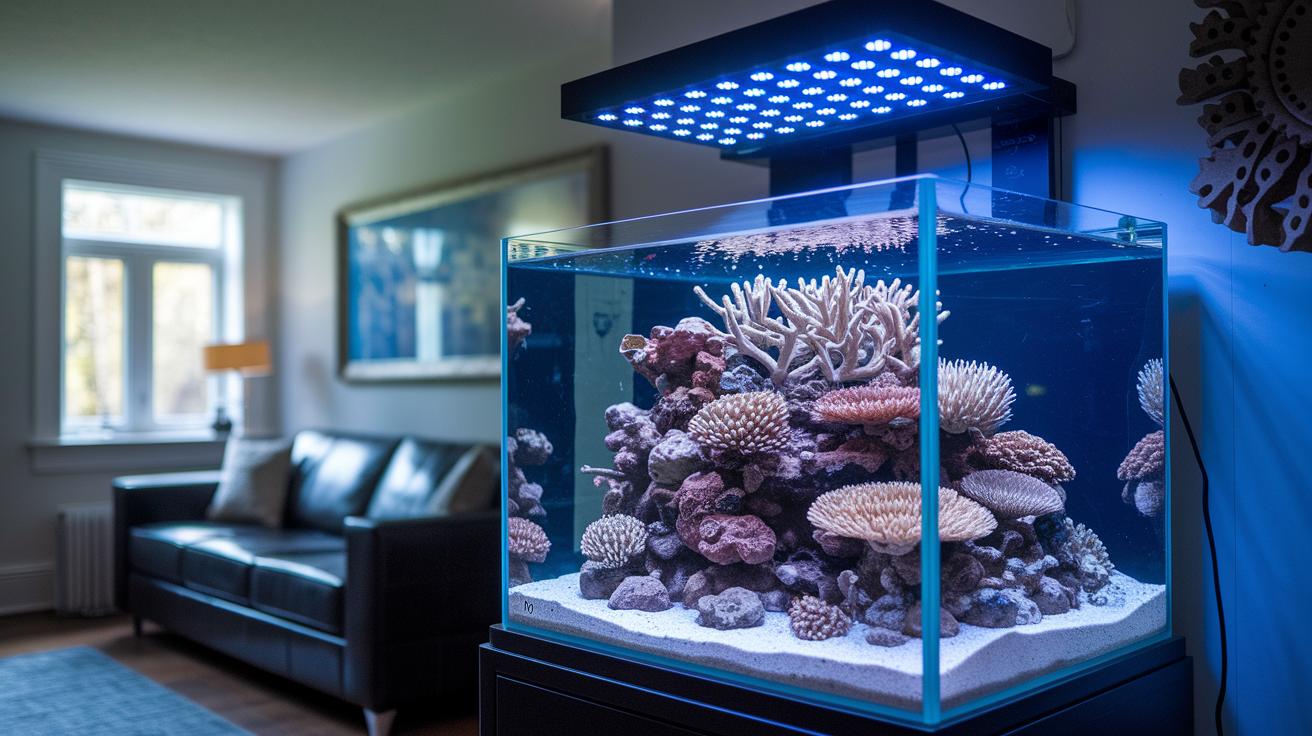
Switching to LED lighting in your aquarium is like inviting a cool, gentle current into your underwater world. LED lights run much cooler than traditional bulbs, easing the heat on your fish and equipment. Imagine your tank bathed in soft, efficient light that reminds you of a smooth stream flowing over pebbles.
Modern LED setups are built to last a long time, so you won’t be swapping out bulbs as often. It’s similar to having a favorite fish that stays vibrant year after year. The added bonus? They help save energy, which is a win for both your wallet and your aquatic pals.
LED systems give you a full spectrum of light that helps your plants and corals flourish. Think of it as watching a garden wake up with the first light of dawn, where every color comes alive beautifully. These lights deliver strong PAR, a kind of light energy that plants use to grow, ensuring your underwater greenery gets just the right boost, even when using only LED.
Many of these fixtures come with cool features like automation and customizable light patterns. You can easily set the brightness or mimic natural cycles like sunrise and sunset. This means you spend less time fiddling with settings and more time enjoying the serene beauty of your vibrant, underwater haven.
Essential Technical Specifications for Aquarium LEDs
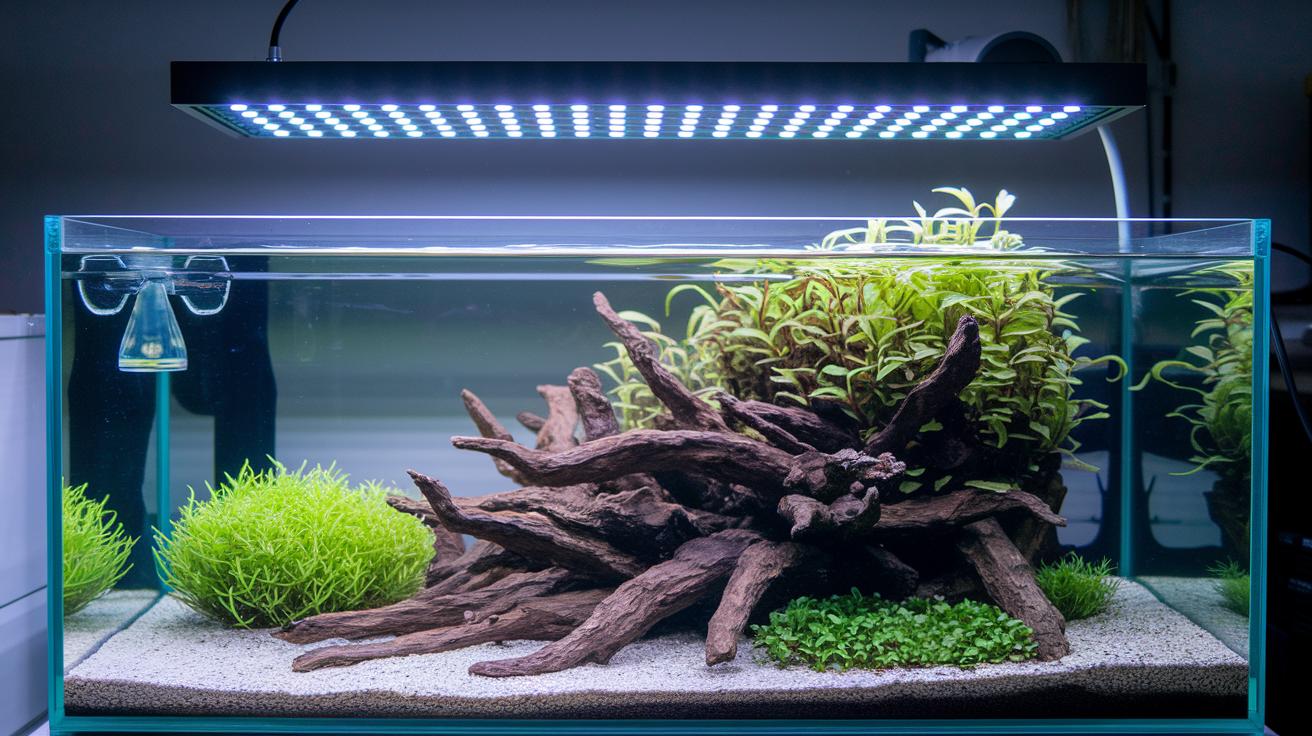
LED fixtures count on something called PAR ratings. This rating tells you how much light energy is available, measured in μmol/m²/s, to help your aquatic plants and corals perform photosynthesis. The light spectrum is important too because it ensures your underwater life gets the exact colors they need for healthy growth.
You’ll notice that the output power usually falls between 20 and 100 watts. This number gives you an idea of how strong the light is in your tank. And here’s a friendly tip: quality LED fixtures use cooling parts like alloys or aluminum heat sinks. These parts help keep the light working cool so your aquatic pals stay safe and comfortable.
| Specification | Recommended Range | Purpose |
|---|---|---|
| PAR | Measured in μmol/m²/s | Supports photosynthesis in plants and corals |
| Wattage | 20 – 100 watts | Determines overall light output and energy usage |
| Heat Dissipation | Use of alloys or aluminum heat sinks | Keeps the fixture at an optimal temperature |
Material quality is another key player in the long run. Fixtures made from sturdy, heat-dissipating materials not only prolong the LED’s life but also maintain a consistent light output. This steady glow is like a gentle ripple over water, ensuring your indoor aquatic world always enjoys a calm and balanced light.
Energy Efficiency and Cost Savings with LED Lighting
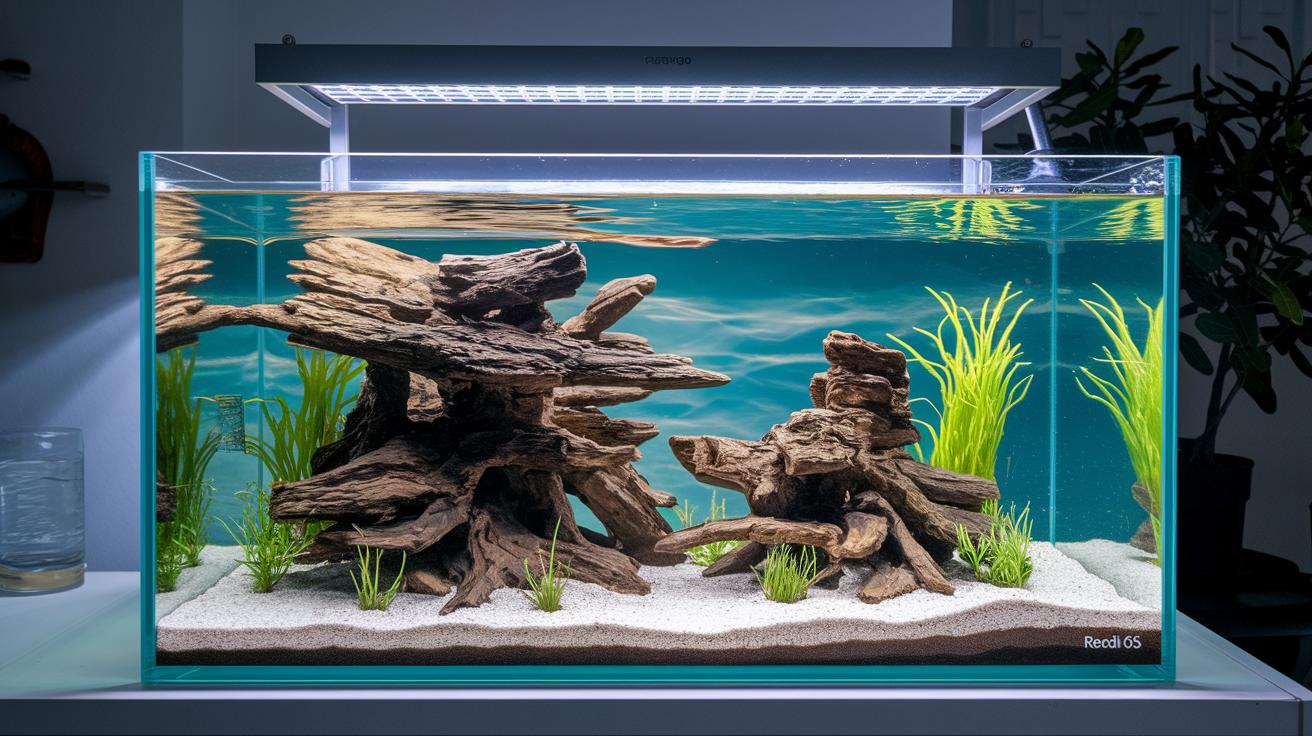
Imagine lighting your aquarium with fixtures that drink up to 70% less energy than old halogen lights. That means you get a beautifully lit tank without having to worry about a huge electric bill. Most LED systems use between 0.3 and 1.2 watts per liter, so even if your tank is large, your energy costs stay low. Picture your tank glowing warmly, like a soft ripple in the water, using just a tiny bit of power.
LED lights aren’t just gentle on your wallet, they’re built to last, too. They can shine for anywhere between 25,000 and 50,000 hours. That’s like having a steadfast friend always by your side, meaning fewer replacements and less hassle over time. It’s one of those little investments that keeps giving back, letting you enjoy your underwater world without any frequent interruptions.
Just think about it: if you pay around $0.12 per kilowatt-hour, and your LED uses roughly 1 watt per liter (which works out to about 0.001 kilowatts per hour), you only spend about 0.12 cents each hour on magic lighting. It’s a little cost that goes a long way in making your aquarium both stunning and efficient.
Installation and Mounting of LED Aquarium Fixtures
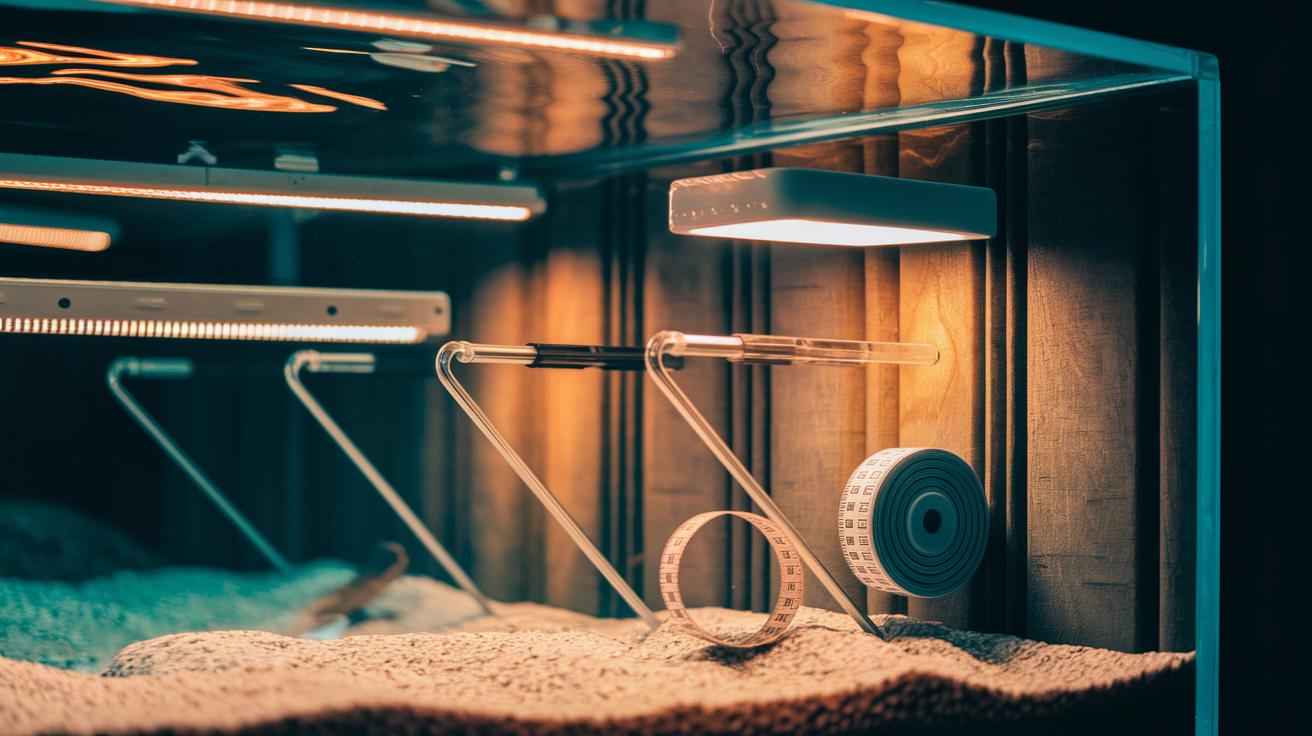
When it comes to setting up LED lights for your aquarium, you've got several choices to pick from. Some lights sit snugly on the tank with sturdy mounts, others hang above for a gentle glow, and a few are made to dive right into the water. Each option lets you create a light show perfectly suited to your own underwater world.
Here’s a simple way to get started:
- Measure your tank and choose the right bracket size.
- Set up the mounting hardware or hanging cables.
- Hook up the power and control wires, making sure to use waterproof seals.
- Fasten the cables securely and check the waterproof connectors.
- Turn it on and make sure the light intensity (PAR) is just right.
Tank-Mounted Fixtures
Tank-mounted lights come with brackets made from light, heat-dispersing metal. When you hang these on your tank, give them plenty of room so they don’t block the water flow and keep the wiring safe. Think of it like placing a delicate piece on a shelf, you want it to fit perfectly and hold steady.
Hanging Fixtures
If you prefer the soft overhead glow free from clutter on your tank, hanging fixtures are a great choice. Just be sure to watch the cable length so it doesn’t dangle into the tank, and remember to check that both the cables and mounts can handle the light’s weight over time. It’s a bit like hanging a picture, you want it secure and with just the right amount of slack.
Submersible LED Strips
Submersible LED strips add a splash of color directly inside the water, but they need extra care with waterproofing. These strips use special waterproof connectors rated for constant moisture (IP68), so be sure to seal every connection carefully. This setup is like adding a hidden underwater treasure that lights up your tank beautifully, all while staying safe from any water mishaps.
Choosing Premium LED Fixtures for Aquariums
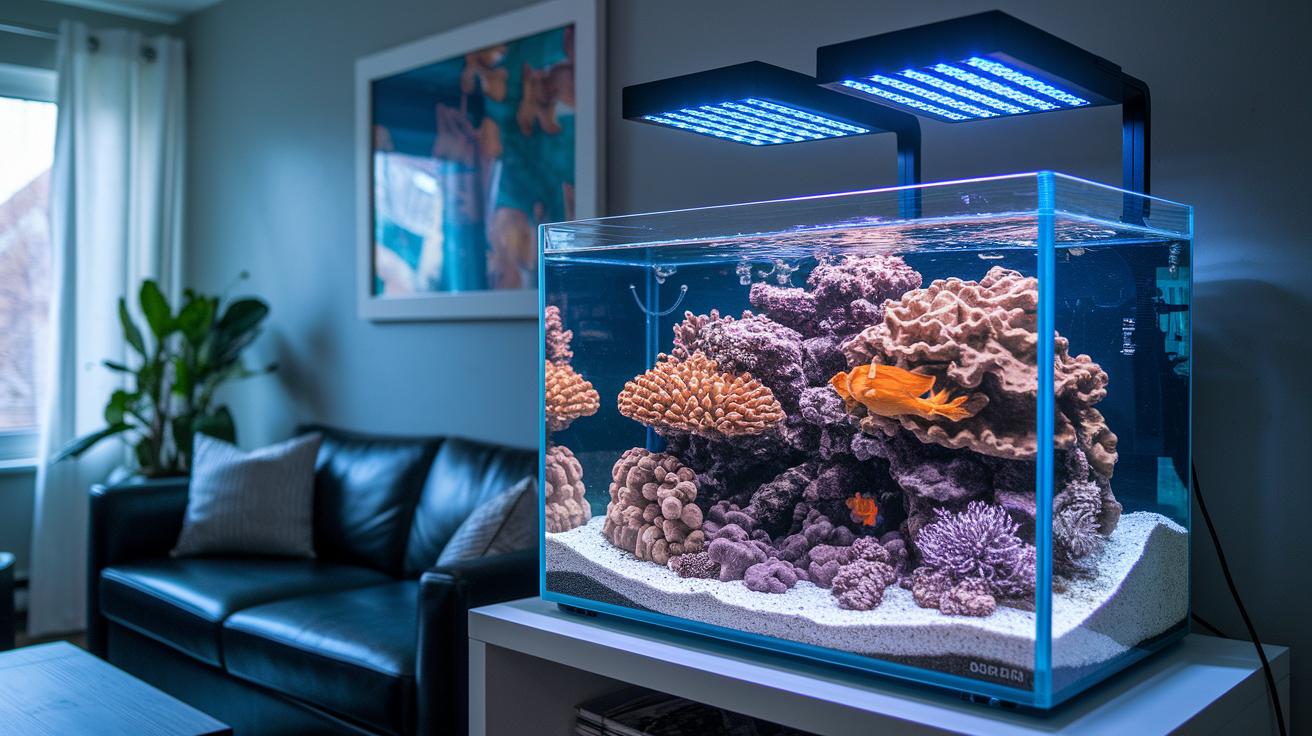
When it comes to aquarium lights, cheap LED fixtures can feel like a splash of disappointment. They often promise a rainbow of perfect light for coral and plants but fall short in delivering steady PAR, a key measure of the light energy your underwater pals need to thrive. It’s a bit like picking a flashy gadget that looks great on the brochure but leaves you high and dry when you try to use it.
Choosing a quality lighting system means diving into the details. Look for lights built with lightweight, heat-cooling alloys that keep the unit comfortable and maintain a stable glow for your vibrant plants. A wise design not only delivers the proper light energy but also provides flexible mounting options that work from small nano tanks to large reef displays. Reliable mounts make sure the light stays secure without disturbing water flow or cluttering your beautiful setup. One trusted example is the Maxspect line, well known for its steady performance and durability, just the kind of reassuring companion your aquatic world deserves.
Customizing LED Spectrum for Plants and Corals
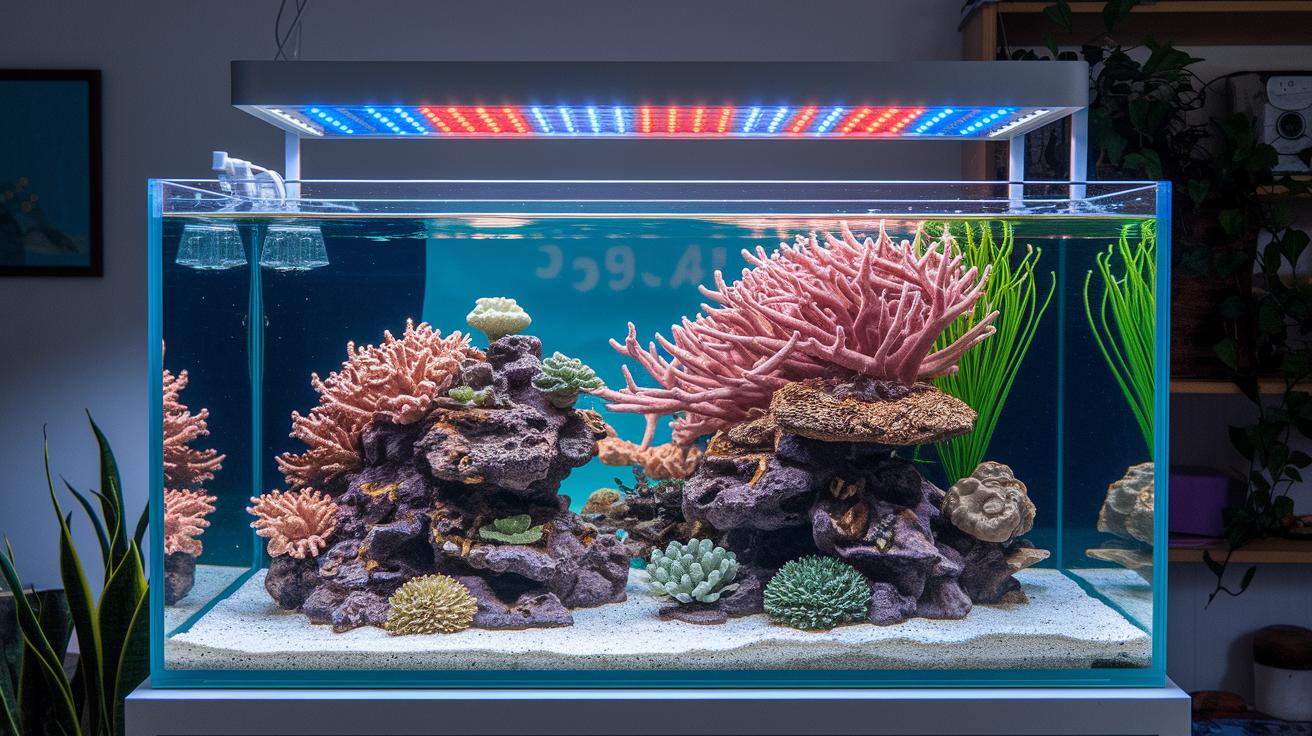
Lighting plays a big role in helping your aquatic plants and corals thrive. When you balance your LED light spectrum, it's like creating the perfect underwater sunrise. Blue light, usually between 450 and 480 nm, helps your plants grow strong by boosting chlorophyll, while red light from 630 to 660 nm adds a burst of energy to coral pigments. Think of it as mixing just the right flavors to create a dish that makes your tank shine like a clear morning sky. Fun fact: even a small change in light wavelength can support aquatic life, much like adding that secret spice in your favorite recipe.
Modern LED fixtures come with programmable features that make it easy to adjust these light settings throughout the day. Imagine controlling your aquarium’s lighting like the soft rise of the dawn, a bright midday spark, and a gentle, soothing sunset, all with a simple touch. This flexibility ensures your plants and corals receive just the right amount of light, and you can adjust it if your tank's needs change over time.
Another great tip is setting up a daily photoperiod schedule. With a preset light cycle, your aquarium mimics nature’s own rhythm, creating a constant, gentle flow of day and night. For example, a freshwater tank might start its day with a cool blue light that gradually warms up by evening, while reef tanks can enjoy more blue during peak hours to highlight those vibrant coral colors.
Maintenance Best Practices for LED Aquarium Lights
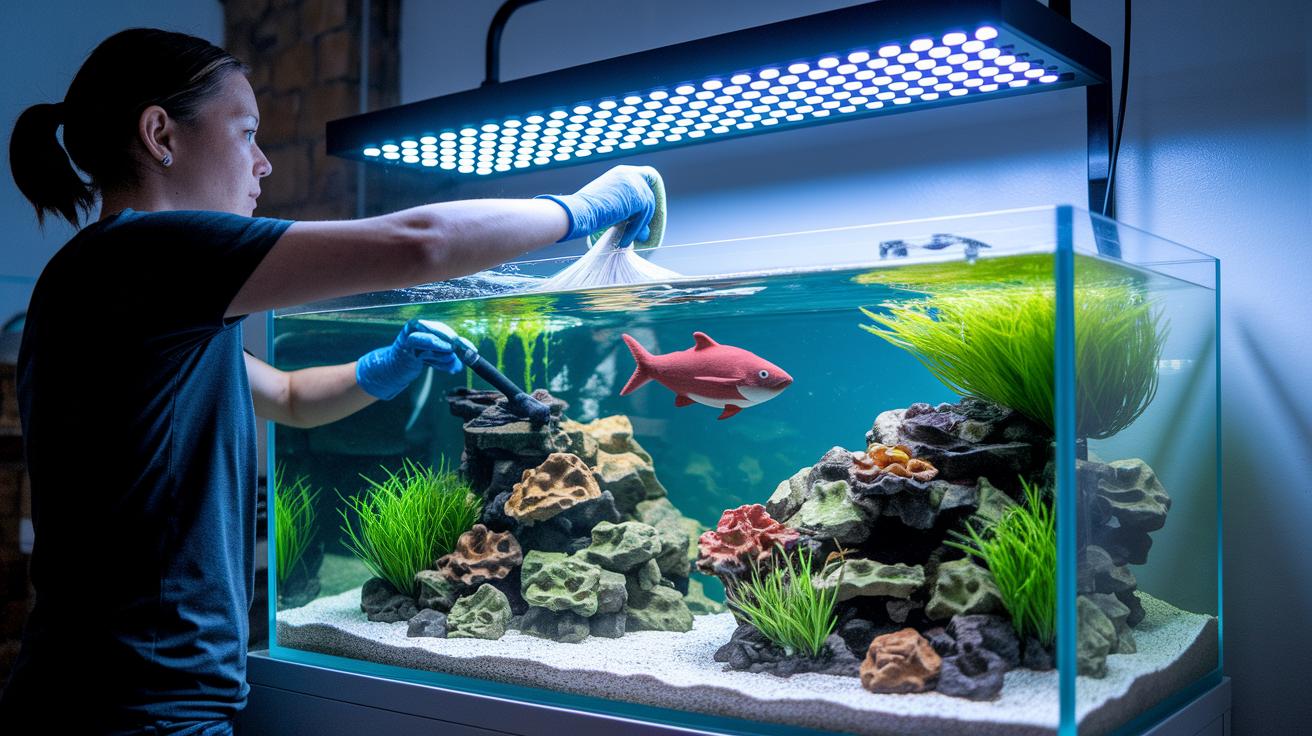
When it comes to keeping your underwater world vibrant and lively, a little regular care goes a long way. Take a moment every now and then to check your LED lights for dust or any cloudy film on the lens covers. This small step helps your tank shine bright and ensures each ripple of light reaches your fish and plants.
Start by giving the lens covers a gentle clean every week to sweep away any dust or buildup. Next, glance at the heat-sink fins and cooling fans once a month to make sure no bits of debris are blocking their flow. If your fixture uses seals or O-rings to keep the water at bay, swap these out every 6 to 12 months to keep your tank safely waterproof.
Also, keep an eye on your PAR levels each year. PAR, or photosynthetically active radiation, is a fancy way to say the light energy your plants and corals need to thrive. Checking it helps you know if your aquatic garden gets just the right glow.
Keeping up with this simple checklist makes sure your aquarium lighting stays bright and efficient, so every glimmer in your tank is as mesmerizing as the gentle dance of light on water.
Advanced Lighting Control: Programmable LED Aquarium Systems
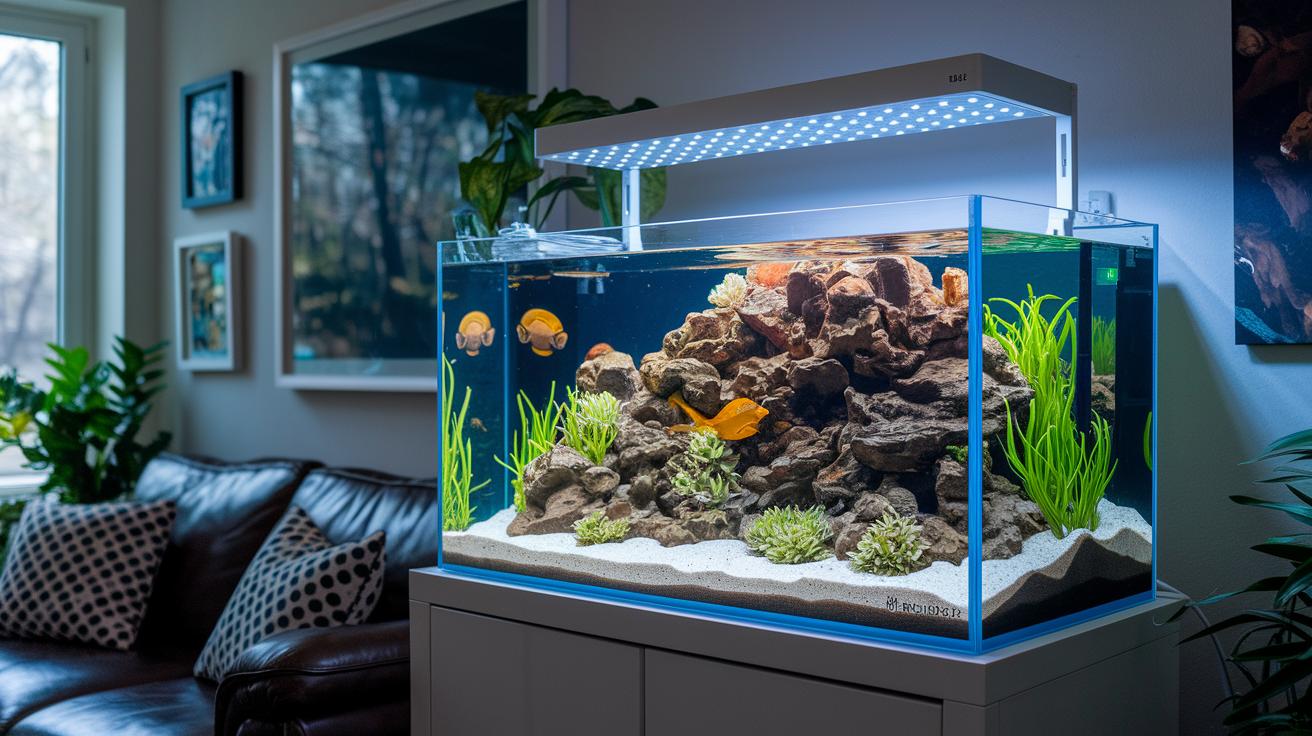
Modern LED systems have come a long way, letting you control your aquarium lights right from your smartphone. You can set timers and adjust brightness with a simple tap, much like creating the perfect rainy day mood for your fish. It's amazing how you can change the lighting from nearly anywhere, keeping your underwater scene vibrant every day.
You can also set up custom light shows to mimic the beauty of nature. Imagine a gentle sunrise brightening your tank or a warm sunset slowly lighting it up. It’s like watching your very own mini weather system at work, with colors shifting smoothly from one mood to another.
And if you have different sections in your tank, syncing them is a breeze. A wireless remote using a 2.4 GHz signal lets you control multiple areas at once, making sure every part of your aquarium gets just the right light. Plus, many systems come with app-based PAR tracking, which is a handy way to see the exact light energy your underwater plants and corals need.
Final Words
In the action, the post highlights key benefits, technical specs, energy savings, smart installation, and maintenance tips for your aquatic setup. It walks through how quality fixtures help create a beautiful and balanced aquarium while supporting plant and coral growth.
Every section shares practical advice for selecting, setting up, and fine-tuning led aquarium lighting. The tips offer clear guidance to inspire confidence in building a thriving underwater habitat. Enjoy creating a vibrant, healthy aquatic space that shines with care.
FAQ
What is a 48-inch LED aquarium light?
A 48-inch LED aquarium light is designed to cover larger tanks, offering full-spectrum brightness to promote healthy fish behavior and plant growth with energy-efficient, long-lasting performance.
Which LED aquarium lights are best overall for tanks?
The best LED aquarium lights combine energy efficiency, longevity, and full-spectrum output. They support a balanced light environment for fish, plants, and coral, delivering customizable intensity for diverse tank needs.
Which LED aquarium lights are best for plant growth?
LED aquarium lighting that supports plant growth features a balanced red/blue spectrum to boost chlorophyll absorption. These systems stimulate healthy plant development while keeping energy use low and operations cool.
How do I replace a fish tank LED light?
When replacing a fish tank LED light, first confirm the correct size match and wiring compatibility. Then, carefully detach the old unit, secure the new fixture, and test its output to maintain proper light levels.
Where can I buy LED aquarium lighting?
LED aquarium lights are available through online retailers like Amazon and local aquatic specialty stores. You can easily find lights nearby based on your tank size and specific lighting needs.
What LED fish tank lights are recommended for a 55-gallon tank?
For a 55-gallon tank, choose LED lights with adjustable brightness and a full spectrum. These fixtures are designed to evenly illuminate larger volumes, helping maintain a natural environment for aquatic life.
What are the benefits of using a fish tank LED light strip?
Fish tank LED light strips provide flexible mounting options and uniform illumination. They allow for creative, customizable lighting designs that enhance both the aesthetic and health of your aquarium inhabitants.
How does blue versus white light affect fish?
Blue light in aquariums can create a calming, natural effect and is preferred in low-stress environments, while white light offers a broader spectrum, mimicking daylight conditions to help maintain the overall health of fish.
Is it safe to leave an LED light on in a fish tank?
Leaving an LED light on in a fish tank is safe when using quality fixtures with proper heat management. It supports a consistent light cycle, which helps in regulating the natural behavior and health of your fish.