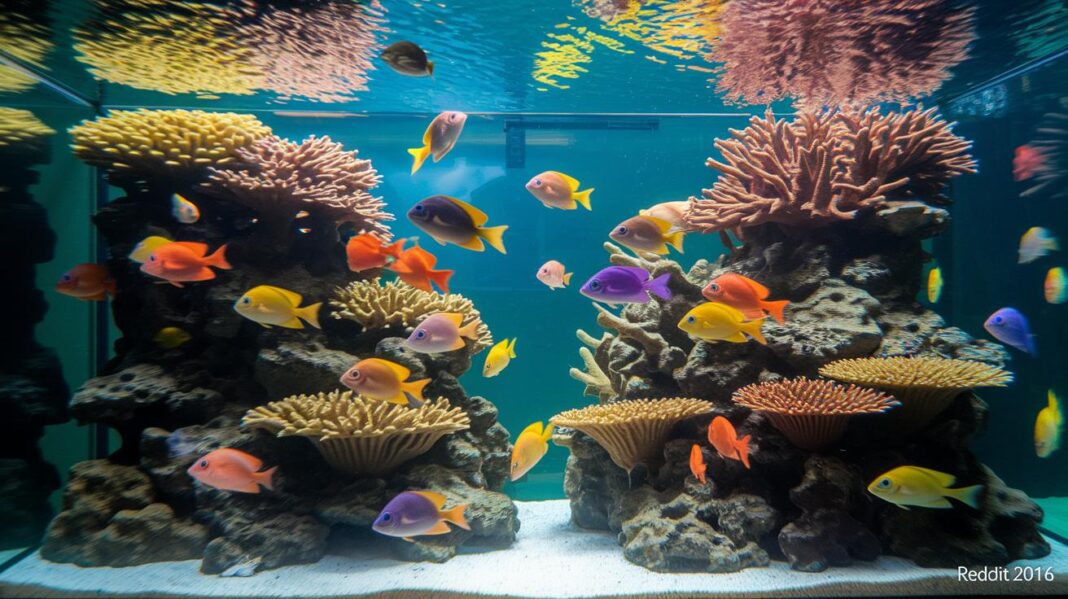

Ever thought of your tank as a bustling underwater city? Beneath the clear water, fish, plants, and even tiny unseen helpers work together like a team, each adding to the gentle rhythm that keeps everything fresh.
It’s like watching a beautiful water dance where every part, no matter how small, has a role. In our article, we dive into the details of your aquarium ecosystem, showing you how even the tiniest elements make for a vibrant underwater world right at home.
what is an aquarium ecosystem: Bright Insight
Imagine an aquarium as a tiny watery world where fish, shrimp, and other little creatures live alongside colorful plants and helpful bacteria. In this little world, water, substrate, and décor pieces mix together like a gentle dance, creating a space that feels almost as natural as a river or pond. For nearly 150 years, people have been charmed by these living works of art, much like how a surprising fact about Marie Curie reminds us that even small details can change our view of life.
Keeping this ecosystem balanced means watching details like water hardness, pH, and nitrogen levels carefully. Every part plays its role; fish waste, for example, feeds friendly bacteria that change harmful chemicals into food for plants, while the substrate offers a cozy home for these bacteria. In truth, an aquarium isn’t just a pretty display, it’s a small, vibrant ecosystem where nature and science flow together in perfect harmony.
Biological Cycle Processes in an Aquarium Ecosystem
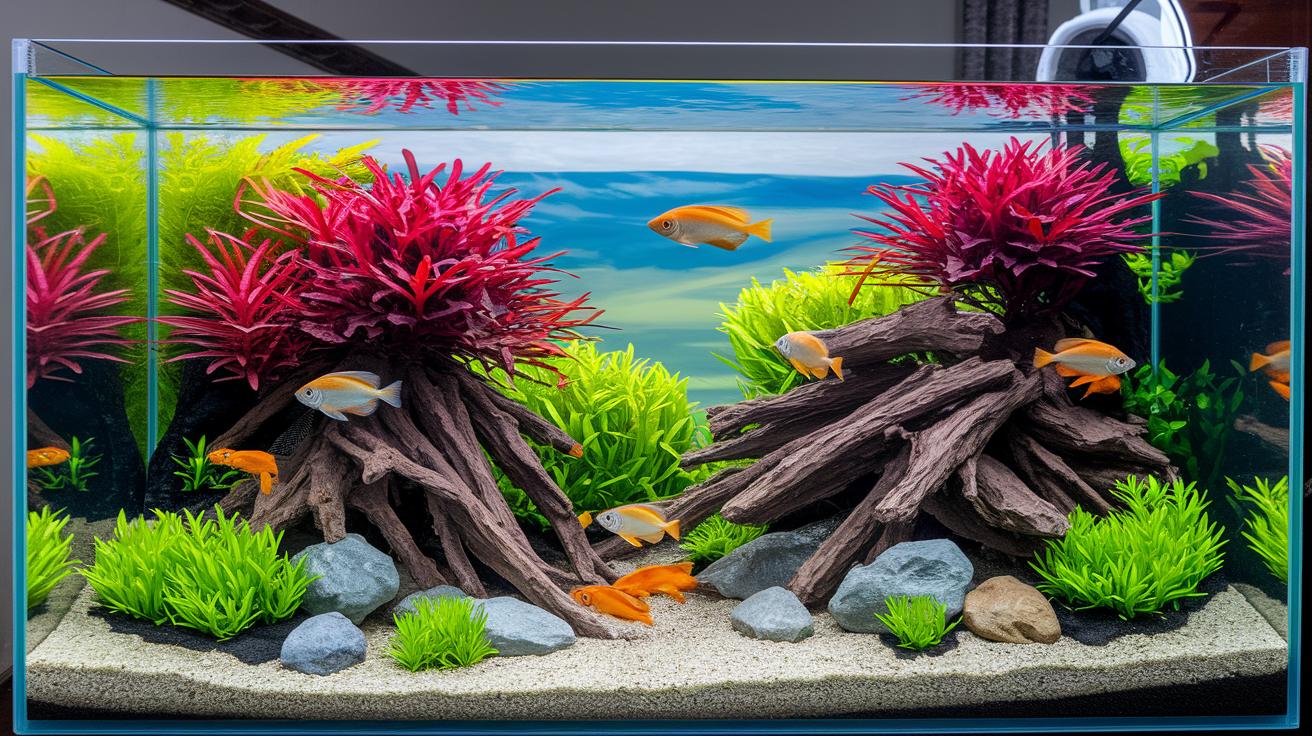
Waste from fish and decaying matter puts ammonia into the water. But here’s the cool part: ammonia is the favorite snack of tiny bacteria that quickly change it into nitrites. Then, another group of bacteria takes over, turning nitrites into nitrates, nutrients that plants can easily use. Think of it as nature's own recycling: fish waste becomes food for plants. Fun fact: In a lively aquarium, just a little bit of fish waste can set off a chain reaction, transforming dangerous chemicals into helpful plant food!
Beneficial bacteria love to settle on surfaces like medium-grain gravel or rough natural rocks such as basalt or lava rock. These natural stones offer a cozy home with lots of oxygen, which is key to their work. It takes about 4 to 6 weeks for the whole cycle to balance the water, much like waiting for a gentle ripple to spread out after a stone drops in a pond.
Many aquarists also use deep sand beds. These thick layers create areas with less oxygen where special bacteria work slowly to break down nitrates even further. Although these deep sand beds can really boost the process, it might take years for the anaerobic bacteria (bacteria that live without oxygen) to fully settle in.
All in all, this closed water cycle is the heart of a self-sustaining aquarium. Understanding these natural processes means you can watch how every drop of water gets renewed by the constant, quiet work of tiny, helpful microorganisms.
Water Chemistry Regulation in an Aquarium Ecosystem
Keeping your tank's water just right is the secret to a happy aquarium. Both your fish and plants depend on a balanced pH and the right water hardness. Think of it like setting the perfect stage for your aquatic friends, they need water that suits their tastes. For tropical tanks, a heater keeps the water warm and steady, ensuring your little underwater world feels cozy.
Simple tools like drop-checkers work like a friendly alert system, helping you know if the pH is just right. And aeration, which is like a gentle breeze skimming over the water, stirs things up so oxygen reaches every corner. Replacing about 25% of the water every few weeks is another great way to keep harmful nitrates at bay.
Surface gas exchange plays a big part too. It lets fresh, oxygen-rich air mix with the water while letting extra gases escape. Adding CO₂ in a controlled way gives your plants a little boost for photosynthesis without throwing the whole balance off. This friendly and balanced approach to water care keeps your aquarium lively and thriving.
Live Plant Integration in an Aquarium Ecosystem

Aquatic plants are nature’s very own tank cleaners. They soak up ammonia and nitrates, turning waste into nutrients that benefit every living thing in your aquarium. Fast-growing stem and floating plants work extra hard by absorbing chemicals and keeping your water sparkling and clear. I once heard a fellow aquarist say, "After I added a floating plant, my tank looked noticeably clearer in just a few days." It’s amazing how a little green friend can make such a big difference.
Getting your tank's substrate just right is key. Adding about 1.5 to 2 inches of substrate gives plant roots room to stretch and grow while making a cozy home for beneficial bacteria. For plants that don’t root, a bit of fertilizer helps them grab more of the good nutrients from the water. It’s like giving every drop of water a little boost to stay fresh and clean.
Light plays a big part too, like the gentle beams dancing on the water's surface. Running LED aquarium lights for 6 to 8 hours a day provides the steady glow that plants need for photosynthesis, a process that acts like plant "cooking" to turn light into food. A friend once mentioned, "Switching to adjustable LED lighting made my plants look lively, almost as if they were dancing under their own show." It really works wonders on plant color and strength.
In simpler tank setups, a bit of extra carbon dioxide can spark even more growth. Adding CO₂ helps plants speed up their photosynthetic process, making them grow faster and sturdier. By combining live plant care, a smart nutrient cycle, proper lighting, and just the right CO₂, you create a lively, self-refreshing underwater garden that feels as natural as the gentle flow in a quiet stream.
Inhabitants and Population Balance in an Aquarium Ecosystem
Selecting the best group of aquatic friends starts with making sure they all enjoy similar water temperatures and conditions. When fish and little critters share the same needs, your tank stays happy and avoids sudden ammonia spikes that can upset its natural balance. I once heard a fellow aquarist say, "Starting with just a few fish sets the pace for a healthier tank." That little tip reminds us that sometimes keeping things simple can lead to a more balanced home.
Start small by introducing only a few fish at a time so the helpful bacteria in your water have time to get established. Adding too many at once creates extra waste, and that can quickly overwhelm the system. It’s a good idea to test your water regularly to make sure it’s safe to invite more residents. Plus, if any fish or invertebrate happens to pass on, remove them quickly to stop toxins from building up.
Snails and shrimp are real unsung heroes in an aquarium. They help break down organic matter, acting like a natural cleaning crew. Their work is key to recycling nutrients and keeping the water crystal clear, making your underwater world a healthier place for everyone.
- Pick species that love similar water conditions
- Begin with just a few fish and add more slowly
- Test your water regularly to check its quality
- Add snails and shrimp to help clear organic waste
| Species | Role |
|---|---|
| Fish | Add movement and color to your aquarium |
| Snails & Shrimp | Assist with breaking down organic waste |
Maintenance Routine Strategies for an Aquarium Ecosystem
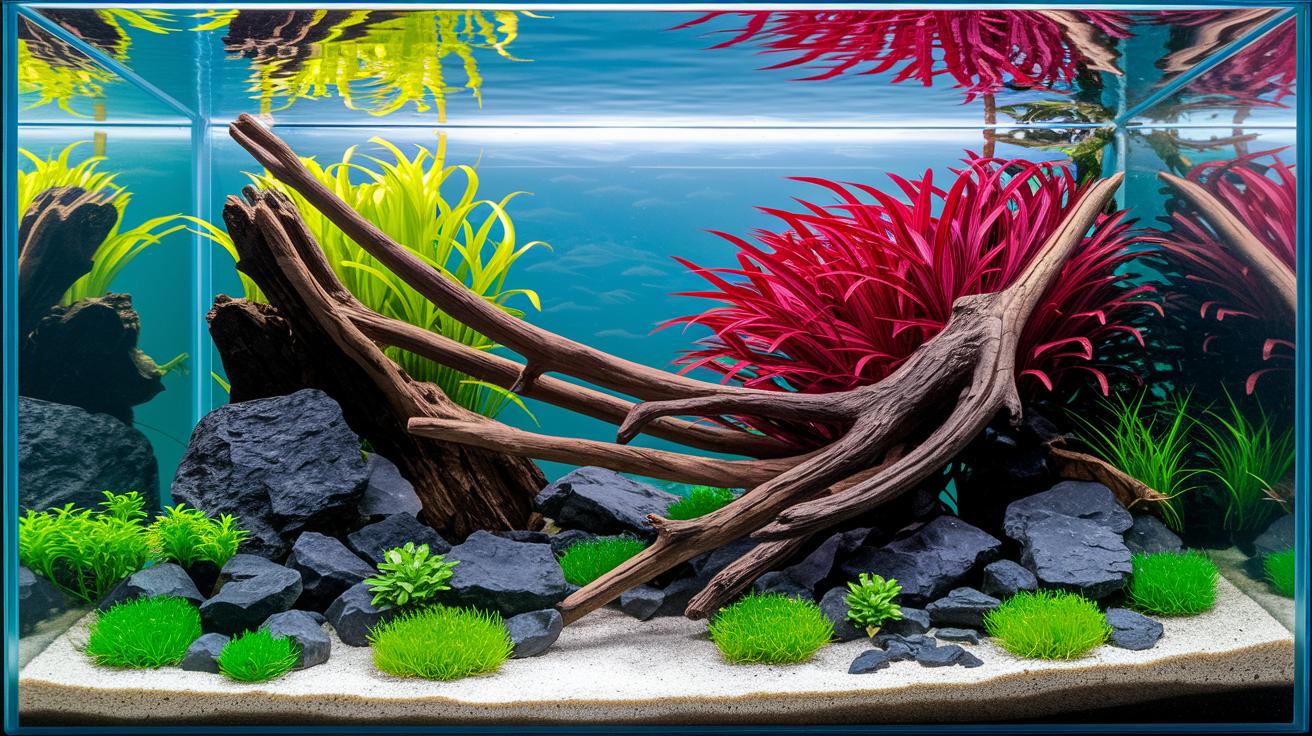
Taking care of your aquarium is like giving your underwater friends a little spa day. Every couple of weeks, change about one-quarter of the water using dechlorinated water. This simple step keeps nasty nitrate build-up in check and maintains that perfect balance for your fish to thrive.
Gently rinsing your filter media in some tank water is a must. It helps keep the helpful bacteria busy recycling waste, much like a natural cleanup crew. Be careful not to scrub away too many of the colonies on your substrate or decorations, as these little bacteria work hard to keep your aquarium’s bio-filter healthy.
It’s a smart idea to set up a regular schedule for testing your water. Check for ammonia, nitrite, nitrate, pH, and hardness, think of it like taking your tank’s temperature to see if everything’s just right. Keep an eye out for things like algae blooms or a weird odor so you can catch any imbalance before it gets serious.
If you ever notice a fish not looking well, try treating it in a separate hospital tank. This way, you protect the main tank’s delicate balance while giving your sick fish the focused care it needs.
By keeping up with partial water changes, gently rinsing your filter, cleaning thoughtfully, and regularly testing your water, you’re setting up a routine that helps your aquarium flourish. Plus, spotting early signs of trouble means you can dive in and fix small issues before they become big problems.
- Do partial water changes every couple of weeks
- Rinse filter media with water from your tank
- Keep the substrate and décor just lightly clean
- Test your water regularly for key parameters
- Use a separate tank for treating sick fish
Aquascape Design and Structural Layout for an Aquarium Ecosystem
Imagine setting up your aquarium like you’re designing your own little river. You choose stones and driftwood, natural items that bring to mind real river scenes from places like the Rio Negro or Kalimantan. These pieces don’t just look pretty, they create a calm, natural vibe in your tank.
A modular layout lets you change things around easily. It’s like playing with puzzle pieces, where you can move a rock or add a piece of driftwood to see a fresh view each day. This mix-up keeps your tank interesting and fun.
What you pick for the tank’s bottom, or substrate, matters too. Materials like quartz, basalt, or even volcanic lava all feel different, which helps friendly bacteria grow and makes the water move in smooth, gentle flows. It’s like choosing the perfect bed for your fish friends.
Placing your plants just right is also important. When you gather plants near where the water flows, it helps move the water around better and adds a sense of depth to your underwater world.
- Use natural hardscape pieces like stones and driftwood
- Create easy-to-change, modular layouts
- Choose substrates that help good bacteria grow
- Place plants to guide and improve water movement
Every little choice you make turns your aquarium into a living piece of art. It’s a space that works well for your fish while looking as beautiful as a real river scene.
Final Words
In the action of building a balanced underwater habitat, each step contributes to understanding what is an aquarium ecosystem. We looked at core components, water chemistry, live plants, proper inhabitant choices, and routine care to create a lively and healthy setting for aquatic friends.
Every detail, from substrate choices to periodic testing, plays a role in keeping your underwater haven bright and calm. Enjoy the rewards of mindful care and watch your aquatic home flourish in a way that brings joy and peace.
FAQ
Q: What is an aquarium ecosystem?
A: The aquarium ecosystem is a self-contained aquatic world where fish, plants, and microbes interact in a balanced setting. It mimics a natural habitat using water, substrate, décor, and beneficial bacteria.
Q: What is an aquarium ecosystem diagram?
A: The aquarium ecosystem diagram is a visual guide that outlines parts like fish, plants, bacteria, water, and substrate. It shows how each component connects to support a balanced, living tank.
Q: What is an aquarium ecosystem project or kit?
A: The aquarium ecosystem project or kit provides a ready-to-use setup for creating a self-contained aquatic habitat. It includes essential parts and instructions for arranging organisms, décor, and water chemistry.
Q: How do you make an ecosystem in an aquarium?
A: Making an ecosystem in an aquarium involves combining compatible fish, plants, and bacteria with proper décor and monitoring water chemistry. This balanced setup results in a thriving, self-contained aquatic environment.
Q: What is considered an aquatic ecosystem, and can an aquarium be called one?
A: An aquatic ecosystem is a natural water environment with interdependent organisms. An aquarium is called an ecosystem since it replicates those natural interactions between fish, plants, and microbes in a closed setup.