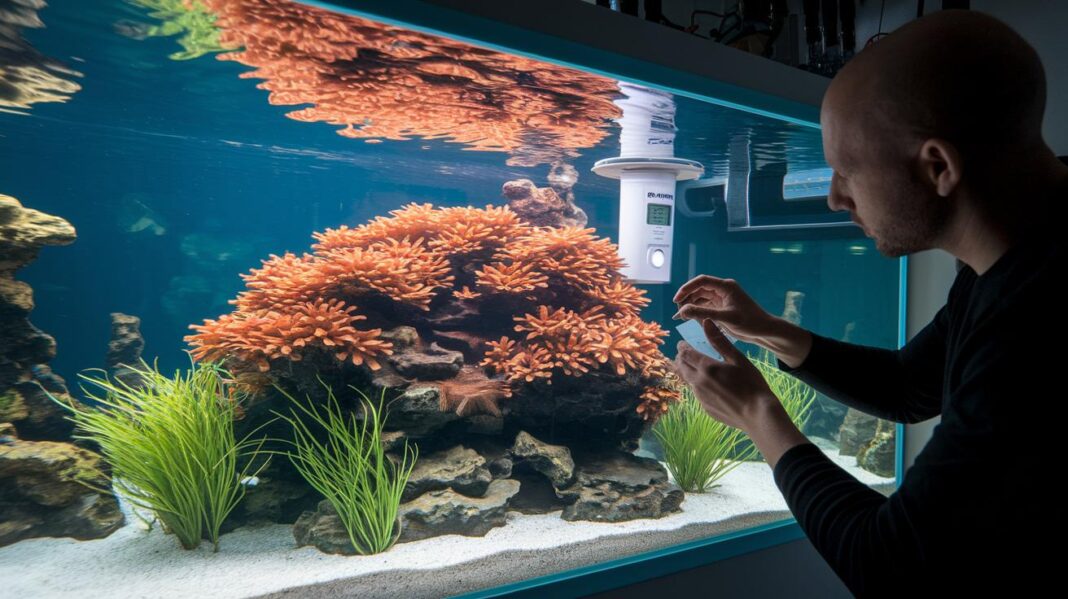

Have you ever wondered how a tiny shift in water temperature might unsettle your finned friends? Just like when you feel a chill from a sudden breeze, a small change in your tank can make your fish feel off balance.
Imagine your aquarium as a cozy stream. When you add new water that's too cool or too warm, it can disturb that natural calm. One simple trick is to warm the water before mixing it in, much like letting a summer day gradually warm up your skin.
Another cool idea is to add the fresh water slowly, like a gentle drip from a soft tap, so the temperature adjusts gradually. This way, your fish stay relaxed, knowing nothing abrupt has happened.
Stick with these easy tips and you'll create a safe, inviting home where your fish can happily swim and enjoy every gentle ripple.
Actionable Steps to Maintain Stable Aquarium Temperature During Water Changes
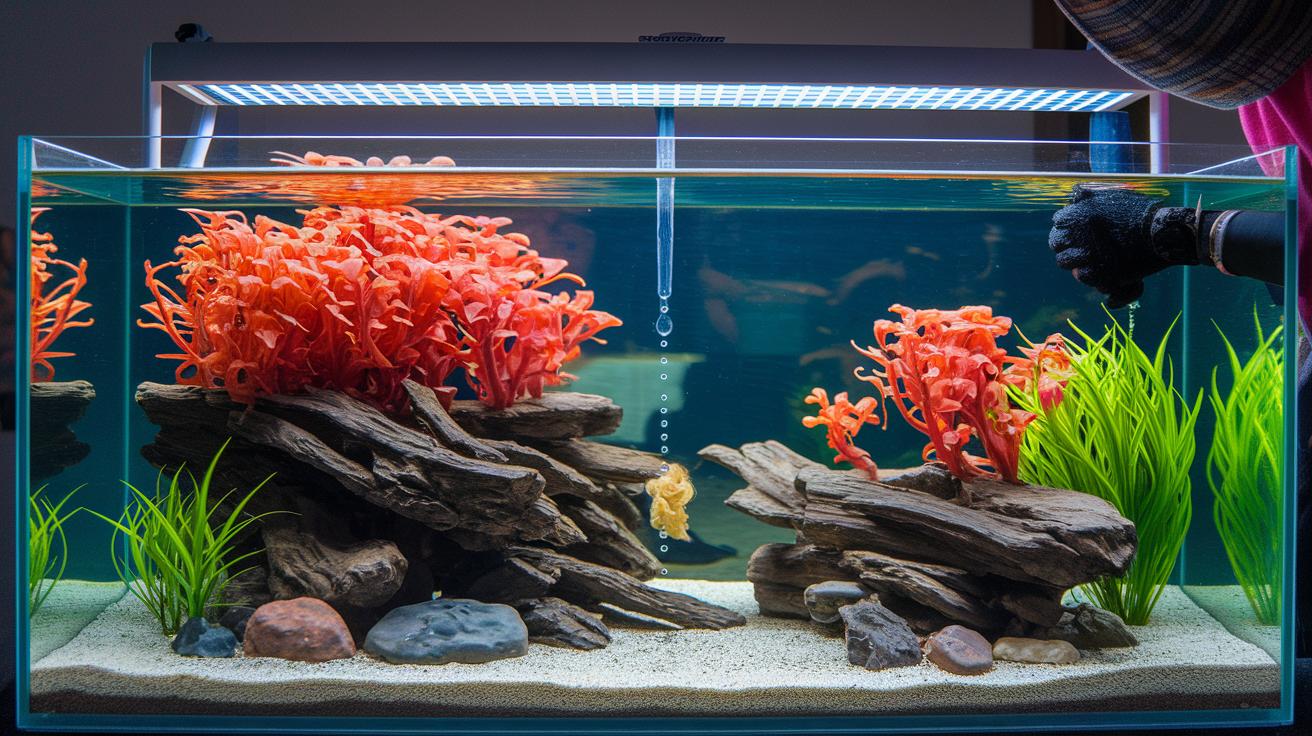
Caring for your fish means keeping their home cozy and steady. Even a tiny change in temperature can send them into a tailspin. So, when you're swapping out water, it's best to keep things as calm and warm as a gentle stream.
-
First, get your new water ready before it touches the tank. Dechlorinate it and adjust the pH and hardness so it feels just like home. Warm it up with a heater or mix it with already warm water, much like heating up a cup of cocoa on a chilly morning. Trust me, this simple step makes a big difference.
-
Next, try a slow drip system when adding the new water. Aim for about two drops per second. This slow, steady flow helps keep the temperature from jumping around and spooking your fish.
-
At the same time, begin taking out the old water. By doing both together, you avoid any sudden shifts in the tank’s heat, keeping everything balanced like a calm ripple on a lake.
-
Keep an eye on the water’s warmth with digital thermometers. Check both the bucket and the tank temperature, making sure they’re close enough to feel just right. This way you always know the situation, much like reading a weather vane on a sunny day.
-
If you're doing a typical 50% water change when nitrates reach 80 ppm, adjust the speed of your water swap by considering how many fish swim in your tank and how big it is. This helps maintain a smooth and even temperature change.
-
Watch your fish for any signs that they might be uncomfortable. If they seem stressed by even a little change, slow down the water change and make small tweaks to help them settle back into comfort.
-
Lastly, always double-check your numbers. A minor mistake can throw off the balance, and we all know that the slightest ripple can cause a stir in a quiet pond.
Stick with these straightforward steps, and you'll find that maintaining the right water temperature during changes becomes as natural as watching the gentle flow of water over smooth stones.
Essential Equipment for Stabilizing Tank Warmth During Water Changes

Keeping your tank at a steady, cozy temperature during a water change is key to helping your fish feel secure. It’s like making sure the water stays just as calm as a quiet pond even when fresh water comes in.
When you swap out old gear for newer, energy-saving tools, you’ll see fewer surprises with sudden temperature changes. For example, updating old lights and heaters to modern, efficient versions can help smooth out any unwanted heat bumps. Here are six handy tools to help manage your tank’s warmth during water changes:
- LED lighting: These lights give off very little heat, keeping your tank cooler and more balanced.
- Air-driven sponge filters: They clean the water well and add almost no extra warmth.
- Styrofoam insulation panels: Stick these on the tank’s sides and back to slow down any quick heat loss.
- Aquarium chillers: Though they can cost anywhere from $300 to over $1,000, they let you control the temperature very precisely.
- Removing outdated heat sources: Taking out old lights and heaters means fewer unexpected heat spikes.
- Digital thermometers: With these, you can easily keep an eye on the water’s temperature to make sure it stays just right.
Each of these tools works together like the gentle ripple of water on a smooth stone, giving your aquatic buddies a consistently comfy environment every time you change the water.
maintaining aquarium temperature during water changes: Calm
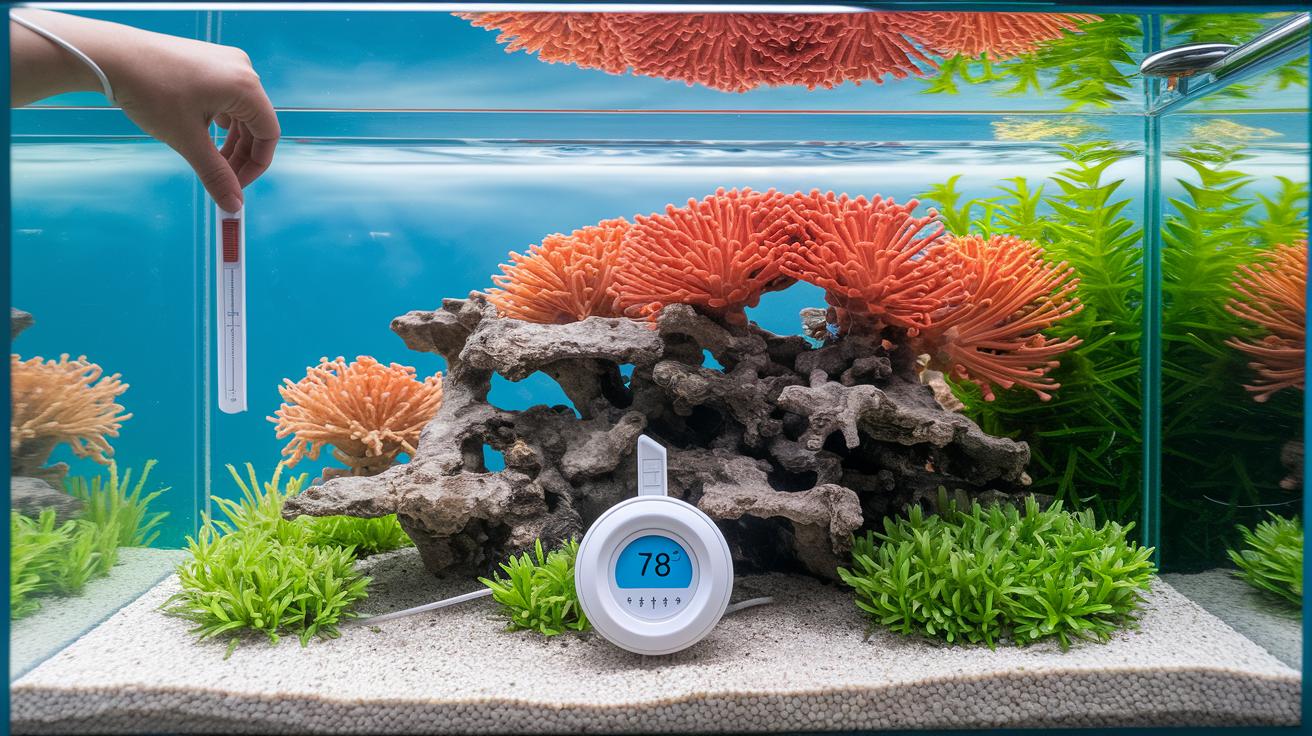
When you change your aquarium water, the temperature can shift quickly, and your fish might feel stressed almost immediately. One common mistake is keeping the tank lid open too long. It’s like leaving your front door open on a chilly morning, warm water escapes, and cold room air rushes in.
- Leaving the lid open can drop the water temperature suddenly.
- Fluctuating room temperatures, especially in breezy spots, can further affect your tank.
- Older or under-powered heaters might not keep up when replacing a lot of water.
A good tip is to keep the lid closed as much as you can. If you need to check on things, do it quickly. When the room is cooler, even a little drop in temperature from the replacement water can stress your fish. To help, try warming up the new water just a bit before adding it to the tank.
Make sure your heater settings are right and consider replacing it if it’s outdated. One aquarist even moved his tank to a more temperate room and saw a noticeable reduction in temperature swings, which kept his fish calm and happy.
Heater Calibration and Adjustment Techniques for Maintaining Aquarium Temperature During Water Changes
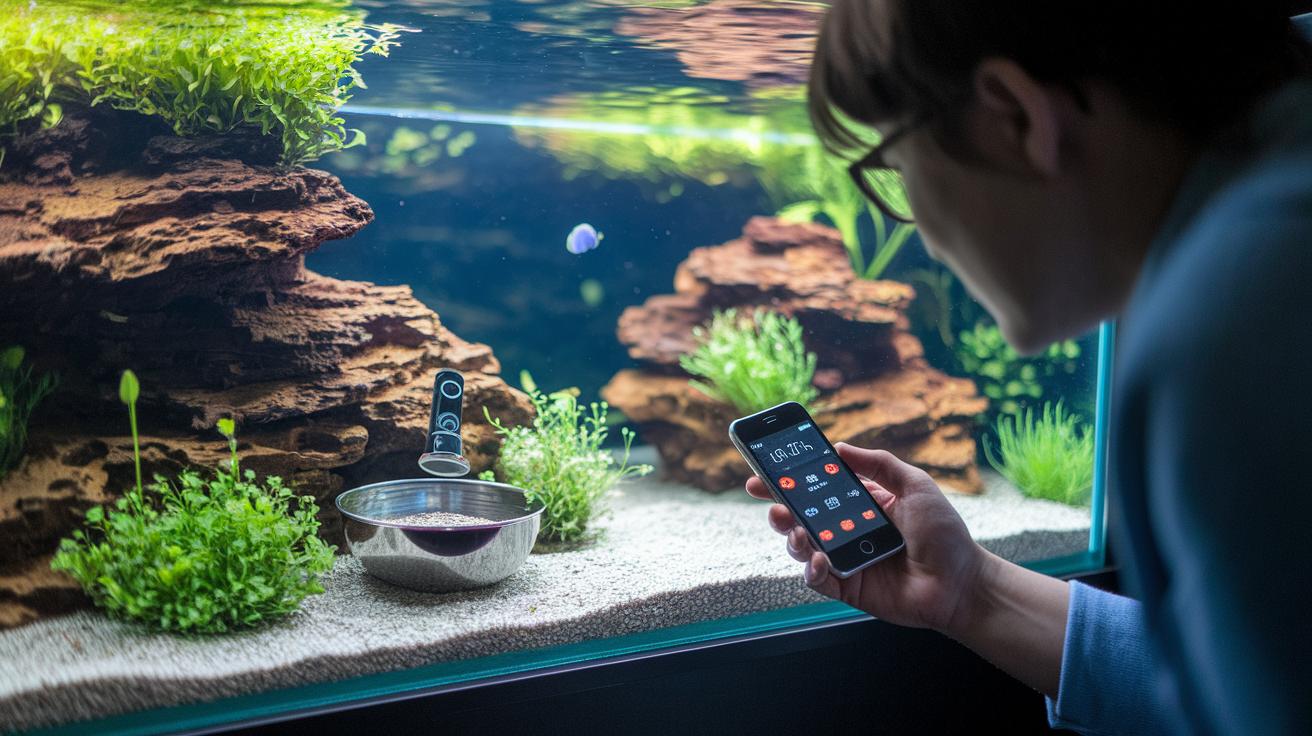
Keeping your tank at a steady temperature during water changes starts with setting your heater just right. Digital heaters are super helpful because they stay within about 0.5°F of the target temperature, while mechanical ones might miss by up to 2°F. This extra accuracy is really important during water changes to make sure your fish don’t get a shock from a sudden temperature drop.
Begin by testing your digital heater in a small bowl or container of water. Grab an independent digital thermometer to see if the heater’s readout is spot on. For instance, measure the water with your thermometer, then check what your heater shows. If you get 78°F on your thermometer but your heater says 80°F, you might need to tweak it a bit.
Another cool tip is using an external thermostat controller. This tool lets you adjust your heater settings without opening the tank at all, keeping your water calm and steady, much like a gentle stream over smooth pebbles. It’s a good idea to check your heater every few months to catch any small changes in temperature settings.
Don’t forget to do regular maintenance, too. Cleaning your heater often can stop debris or mineral buildup from messing with its sensor. By staying on top of these small details, you help your tank hold its warmth during water changes, giving your fish a cozy and stable home every day.
Advanced Strategies for Maximizing Warmth Retention During Aquarium Water Changes
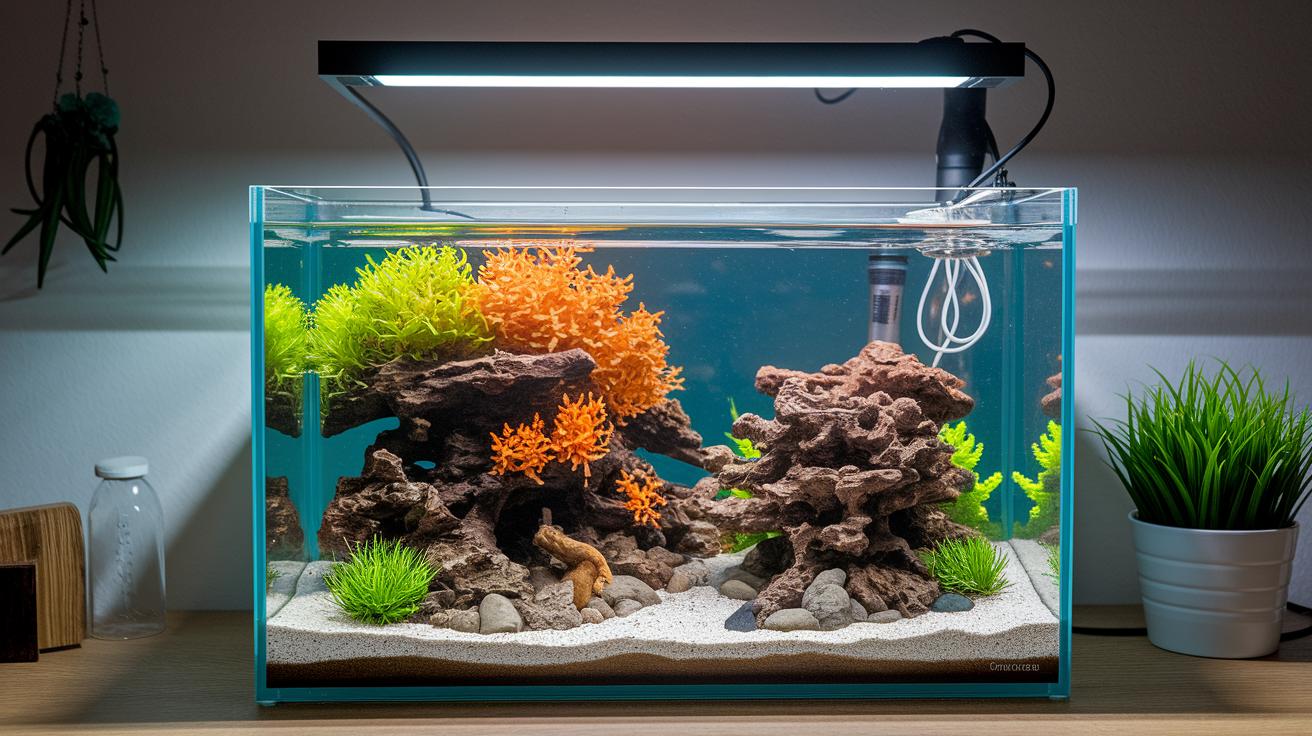
When you're changing water in a sensitive aquarium, using clever tricks to keep your tank warm really makes a difference. One easy tip is to cover or insulate the tank lid, this slows down heat loss from both the natural breeze and evaporation. Picture your tank as a tiny, cozy room; keeping the lid secure or adding Styrofoam panels on the sides is like wrapping yourself in a favorite sweater on a cool day.
Another neat idea is to pre-warm the buckets you use to top off your tank. By attaching a small in-line heater, you can warm the fresh water so it nearly matches your tank's temperature. This simple step stops any sudden chills that might startle your fish, kind of like enjoying a warm cup of tea when it's brisk outside.
You can also gently circulate some tank water through a small external heater loop. This smooth circulation blends different water temperatures before the water returns to the tank, ensuring a steady, even warmth that keeps your aquatic friends feeling calm during water changes.
Final Words
In the action, we explored how simple steps and the right tools can keep your fish safe during water changes. We talked about setting up heaters, slow water addition, and calibrating equipment for steady warmth. Each tip builds toward a cozy, healthy tank that feels as calm as a quiet lake. Following these friendly tips helps with maintaining aquarium temperature during water changes while boosting your confidence in managing a balanced aquatic space. Keep your tank warm and let your fish thrive!
FAQ
How can I maintain aquarium temperature during water changes?
Maintaining stable aquarium temperature means pre-conditioning your replacement water so it matches your tank’s temperature within about 1°F. Using gradual drip techniques and regular thermometer checks helps keep fish comfortable.
How do aquarium chillers and heaters help maintain temperature during changes?
Aquarium chillers and heaters aid in consistent water warmth. Heaters pre-warm water to the needed level, while chillers lower temperatures if needed, keeping conditions steady for your aquatic friends.
How much of a temperature change can fish handle?
Fish can handle a shift of roughly 1°F during water changes. A larger difference may stress them, so aim for gentle, small adjustments for a safe environment.
Should you ever do a 100% water change in an aquarium?
A 100% water change risks shocking your fish and upsetting helpful bacteria. It’s best to change no more than about 50% of the water at a time to maintain a stable system.
Is 29 degrees too hot for tropical fish?
Tropical fish usually thrive between 75°F-80°F. A temperature of 29°C (around 84°F) might be a bit high, so monitor your fish for stress and adjust if necessary.