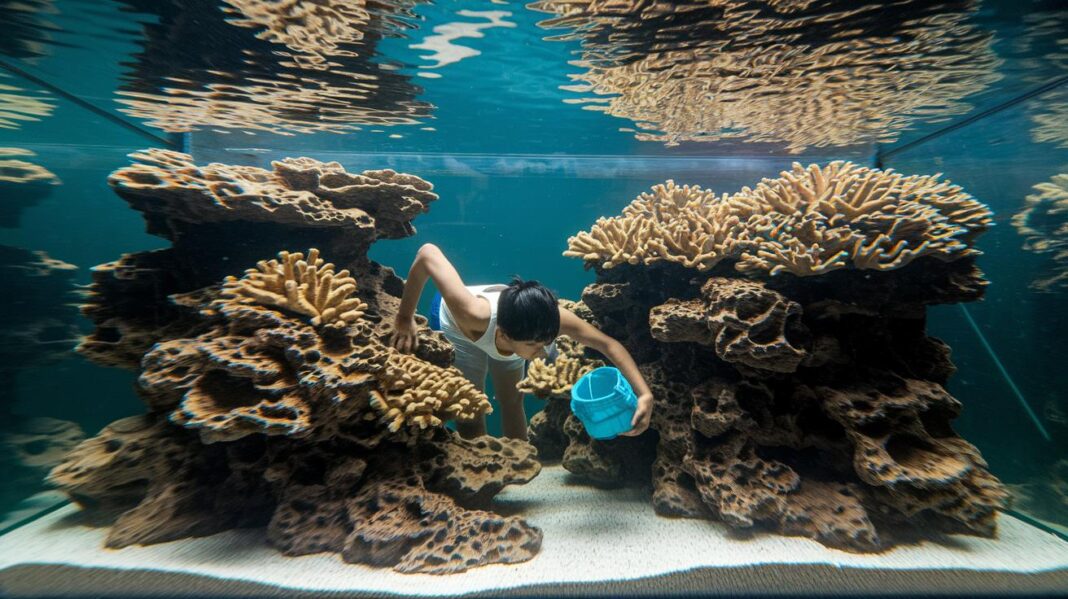

Have you ever wondered if your way of changing water might be stressing out your marine tank? Taking care with each water change is like giving your fish a gentle touch. When you keep your saltwater home calm, your fish feel safe and happy.
Imagine your tank as a smooth, quiet stone where soft ripples help keep everything balanced. I still remember the relief when I switched to a careful routine and saw my underwater friends thrive. Next, you'll find simple, step-by-step tips that show you how to safely change your water while protecting your little aquatic world.
Step-by-Step Safe Water Change Guide for Marine Aquariums
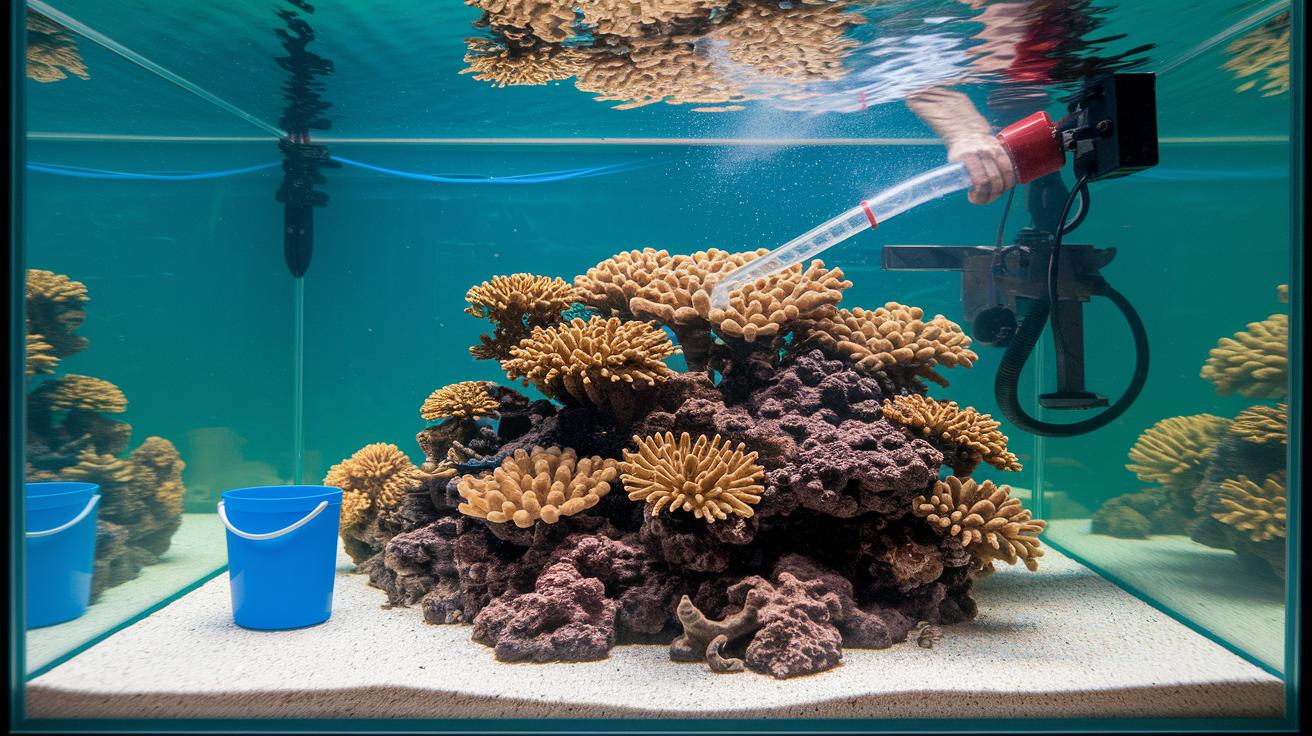
Start by getting your tank ready for a water change. Turn off your circulation pumps and skimmers so the water stays calm, much like a quiet lagoon. Gather your tools, a manual siphon paired with a gravel vacuum, a dedicated bucket, water conditioner (that little helper that cleans your water), and a thermometer. This smooth setup helps keep your marine friends stress-free while you work.
Next, slowly remove a bit of the water. Use your siphon to take out about 10–25% of your tank’s water, aiming for around 15% for a steady change without shocking your fish. I remember when I first started, I chose 15% because it felt just right, keeping my reef calm and reducing the buildup of waste. As you siphon, gently use the gravel vacuum on the substrate, think of it as tidying up the sandy seabed without disturbing your helpful critters.
After you've taken out the water, it's time to replace it with fresh saltwater. Mix up a batch of new saltwater that matches your tank's temperature and the right water conditions. Slowly pour in this new water, allowing it to blend with the old like the gentle merging of two currents. Watch your fish as they react, it’s often a sign of relief when they see the clean, balanced water returning.
Before you wrap up, do some quick checks. Use your thermometer and water tests to make sure the temperature, salt level, and chemical balance are just right. Even if things looked great before, a little check now helps keep everything safe and steady.
Lastly, turn your equipment back on and keep an eye on your tank throughout the day. Notice any unusual movement or signs of stress from your aquatic pals. Taking things step by step like this helps you maintain a serene underwater world, where every ripple and current speaks of care and passion.
Source Water Selection and Preparation for Safe Marine Aquarium Water Changes
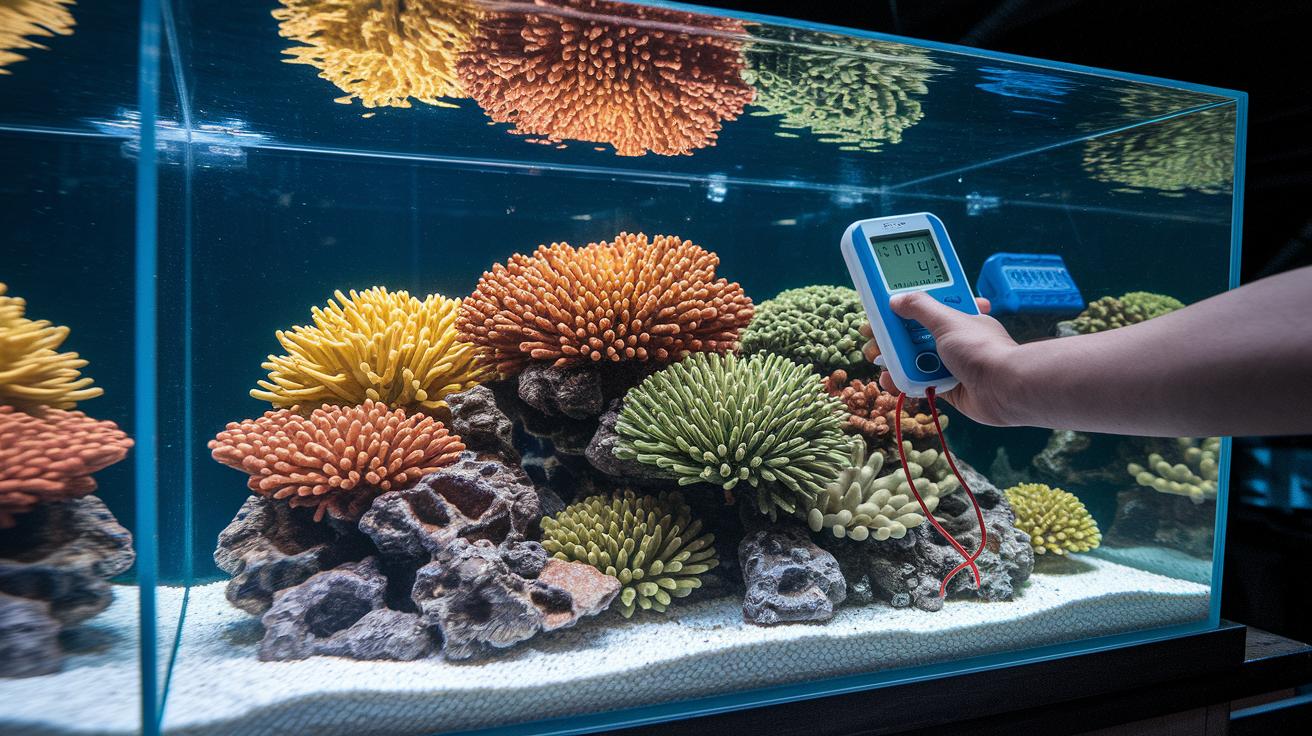
Start with rock-solid, purified RODI water that reads almost zero on Total Dissolved Solids. Think of it as the calm, clear base for your marine mix. Next, stir in a high-quality aquarium salt mix. It’s like following your favorite recipe, first the pure water, then just the right pinch of salt to build a balanced mineral blend that your marine friends will love.
Mix your solution well until every tiny salt grain vanishes in the water. Keep stirring until the mix is smooth and the water temperature matches your aquarium’s cozy climate. This extra step helps stop any sudden temperature changes that might stress out your fish. A quick peek with a thermometer and a bit of adjustment, if needed, can make all the difference.
If you’re using tap water instead of RODI, be sure to take off the chlorine and similar chemicals with proper dechlorination steps. After that, check your water’s Total Dissolved Solids again. Your goal is to hit a target salinity of 1.025 to 1.026 specific gravity after adding your premium salt mix. This way, you create a snug home that mimics the natural conditions your marine life cherishes.
Essential Equipment for Safe Marine Aquarium Water Changes

When it's time to refresh your marine tank's water, a trusty toolkit can make all the difference. A manual siphon teamed with a gravel vacuum is like the dynamic duo of cleaning, you gently sweep away debris while keeping your fish happily undisturbed. For draining and refilling, many aquarists choose a dedicated bucket or even a Python system if your tank is on the larger side, as it connects straight to your sink to create a smooth, flowing change.
A reliable thermometer is a simple but vital tool. It checks that your new water feels just right, matching the cozy temperature of your tank so your aquatic pals stay comfortable. Plus, a little water conditioner or buffer helps keep nearly perfect pH and alkalinity levels, preventing sudden shifts that might stress out your sensitive marine friends.
If you have delicate tank residents, consider using airline tubing for a slow, drip water change. This gentle method softly introduces fresh water, much like a calm stream flowing into a quiet pond.
Here's a quick reference list of what you'll need:
- Manual siphon with gravel vacuum
- Dedicated aquarium bucket or Python system (learn more about the best tools for aquarium tank cleaning at Sweetfysh.com)
- Thermometer
- Water conditioner or buffer
- Airline tubing for drip changes
Establishing Optimal Intervals and Volumes for Marine Water Changes
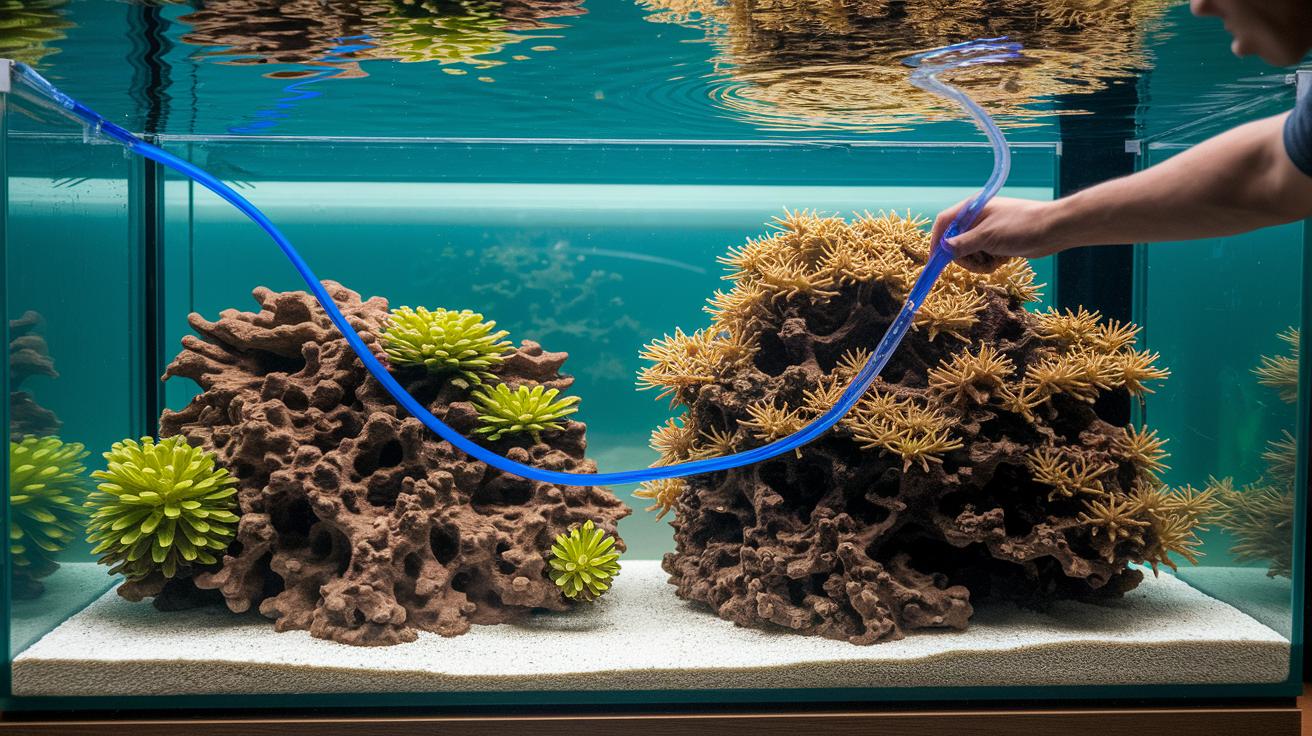
Regular water changes are essential for keeping your marine aquarium healthy and free from toxins. Changing the water every week or every other week helps wash away waste like ammonia, nitrite, and nitrate, much like letting fresh water gently sweep away debris from a stream. Try swapping out between 10% and 25% of your tank's water each time, with about 15% being a good rule of thumb. This steady swap of water boosts quality without startling your finned friends.
A thoughtful schedule is like a gentle tide keeping your aquarium balanced. Jot down the dates of each water change along with the amount of water you replaced, so you can track how things are going. Over time, you might see that your water stays clear and balanced, which makes both your corals and fish thrive. It's like keeping a pulse on your underwater world, helping you know when an extra change might be needed.
By sticking to this routine, you avoid the shock of a big change all at once that could disturb the water conditions. This regular, partial exchange keeps the environment calm and healthy, ensuring your marine life stays happy and stress-free.
Matching Water Parameters for Safe Marine Aquarium Changes
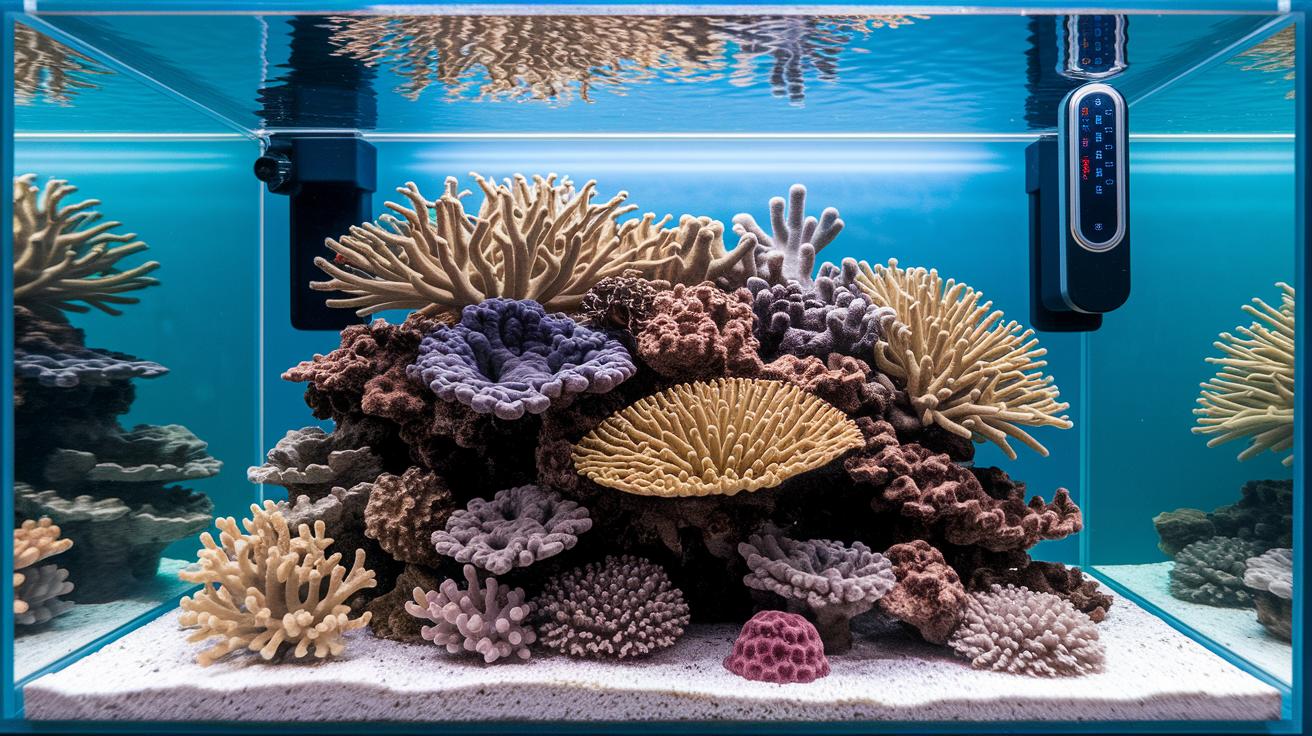
Start by making sure your new water is almost the same temperature as your tank, within about 1°F. This tiny difference helps your fish and corals adjust smoothly, much like easing into a warm bath after a cool day. Use a trusty thermometer to double-check that your replacement water feels just as cozy as your tank.
Once you're happy with the temperature, mix in the salt until your water’s weight sits between 1.025 and 1.026. It’s a bit like following a favorite recipe to create a perfect mix. Next, aim for a pH between 8.1 and 8.4 and keep the alkalinity around 8 to 12 dKH. These levels help balance the water’s acidity, so your underwater friends feel relaxed and stress-free.
Also, be sure to check that calcium levels lie between 400 and 450 ppm and that magnesium sits from 1250 to 1350 ppm. These elements are key for building strong corals and a healthy tank structure. Lastly, test the dissolved oxygen and nutrient levels to support the tiny life forms that keep everything in harmony. For more details on testing, check out fish tank water quality testing and maintenance at https://sweetfysh.com?p=3285.
Taking these careful steps will help prevent sudden shocks and chemical imbalances, so your marine ecosystem stays vibrant and thriving.
Comparing Safe Water Change Methods for Marine Aquariums
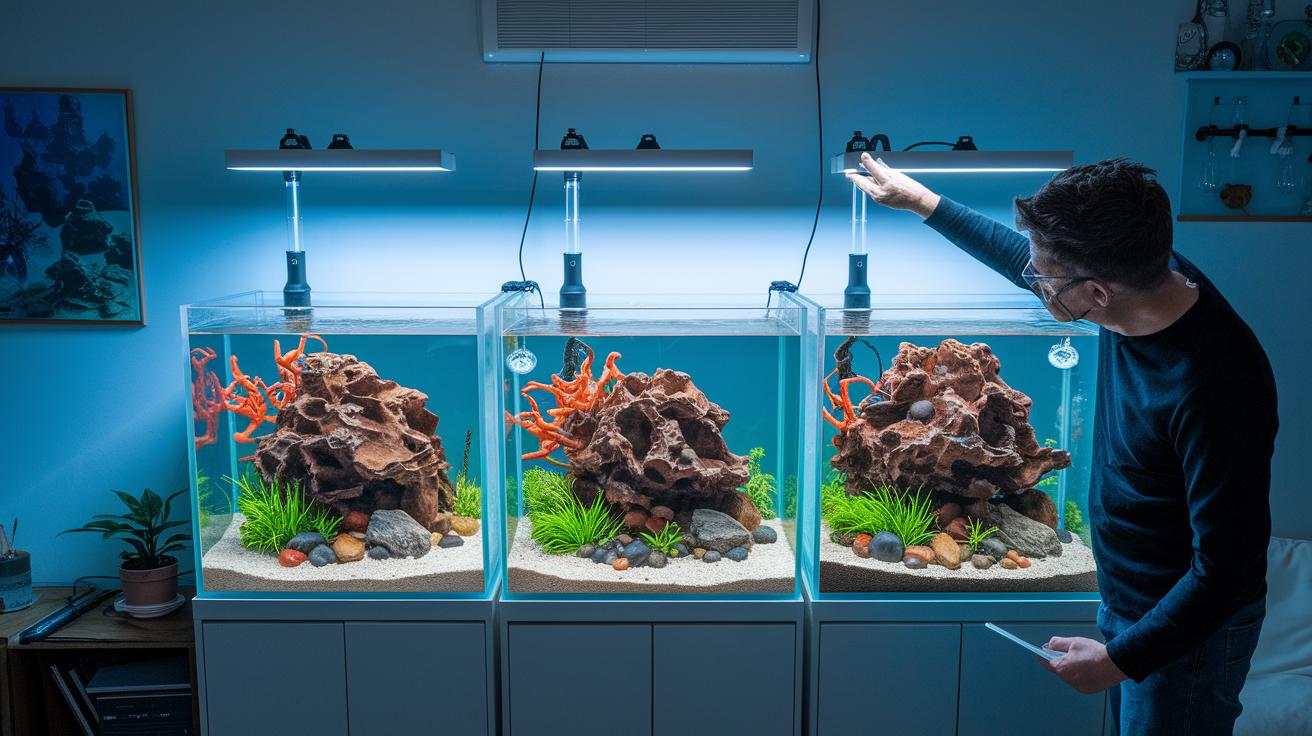
Looking at each water change method side by side helps you choose the perfect setup for your marine tank. We break it down into how well each method works, its cost, and the effort needed to keep it running. For example, using a manual siphon is a bit like stirring a small pond by hand, you get to control every step, though it may require more work.
| Method | Performance | Cost | Maintenance |
|---|---|---|---|
| Manual Siphon & Bucket | This method lets you take charge of every detail for a steady process | Low, with everyday supplies | Needs regular hands-on effort |
| Python System | Quickly drains and refills your tank to keep water conditions steady | Moderate, as it requires a specialized setup | Less manual work than the manual method |
| Drip Water Change | Gently replaces water, ideal for sensitive fish | Moderate, with extra costs for tubing | Offers a low-stress, continuous replacement |
| Automated Systems | Keeps water stable with frequent, small exchanges | Higher upfront cost for long-term ease | Minimizes manual intervention while delivering reliable results |
- Performance: Every method offers its own pace and control.
- Cost: Some use everyday supplies, while others need special tools.
- Maintenance: Think about how much hands-on work suits your lifestyle.
This breakdown gives you a clear picture to help decide which water change method works best for your marine aquarium.
Final Words
In the action of maintaining your marine aquarium, every step plays a part. The guide walked you through preparations, equipment choices, proper intervals, and matching water parameters slowly and clearly. Each method, from manual siphon to drip changes, helps keep your underwater world calm and balanced. By keeping a schedule and following safe water change methods for marine aquariums, you create a peaceful, thriving habitat for your aquatic pets. Enjoy watching your tank flourish with every careful refresh.
FAQ
What are safe water change methods for marine aquariums DIY?
The safe water change methods for marine aquariums include using a manual siphon with a bucket, a Python system, or a drip method. These approaches keep water changes gentle on your aquatic pets.
What percentage of water should be changed in a reef tank?
The recommended reef tank water change percentage is between 10% and 25% per session, with about 15% being a calm and effective guideline to dilute waste without stressing the system.
How often should I change water in my saltwater aquarium?
The saltwater aquarium works best with a weekly or biweekly water change schedule. This routine dilutes waste and maintains steady water conditions for healthy marine life.
How can I reduce the frequency of water changes in my reef tank?
Reducing water changes in a reef tank can be achieved by using improved filtration and automated systems that perform small, gradual exchanges to maintain stable conditions.
How do I change my fish tank water without harming fish?
Changing aquarium water safely involves matching the temperature and salinity, turning off pumps, and using a slow siphon or drip method to keep the fish calm and healthy throughout the process.
What is RODI water?
RODI water stands for reverse osmosis deionized water. It is purified water with very low dissolved solids, which makes it perfect for mixing with salt to create balanced water for marine setups.
Are daily water changes recommended for reef tanks?
Daily water changes are generally not advised for reef tanks, as gradual, periodic replacements help maintain water stability and prevent stress in sensitive marine species.