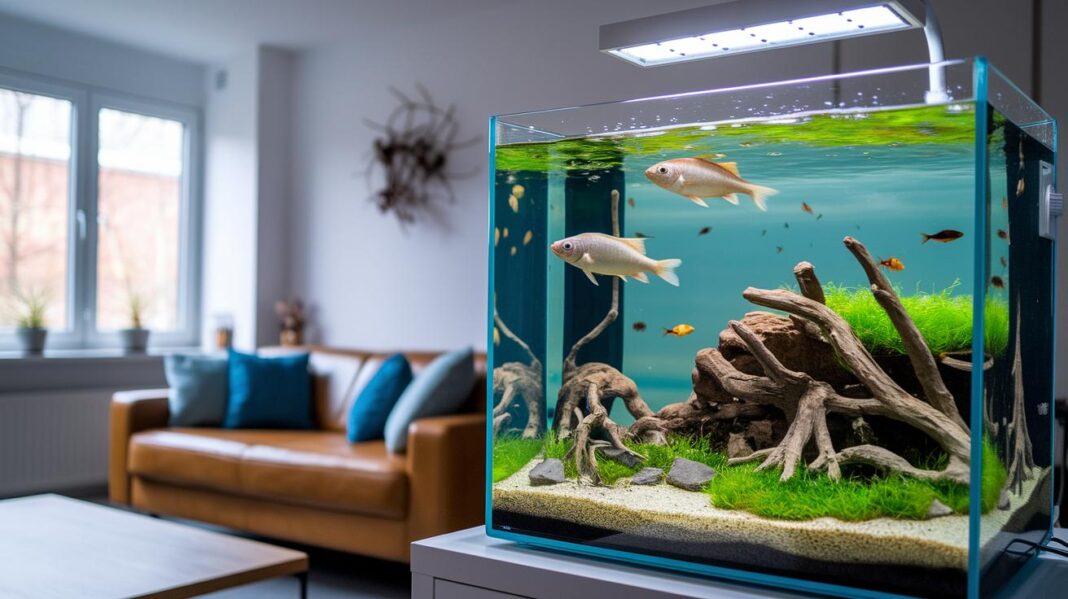

Have you ever noticed your tank water looking a bit cloudy or dull, like a pond that’s seen better days? It might be a sign that your fish haven is calling for a refresh. Over time, leftover food, fish waste, and bits of old plants can gather, turning your clear water into a murky swirl. A clean tank not only makes the space look inviting but also gives your fish a happier, healthier home.
In this guide, we’ll share some simple clues that tell you when it's time to change the water. Keep reading, and soon your underwater world will sparkle as brightly as a sunlit sea surface!
Recognizing Visible and Chemical Indicators Your Aquarium Needs a Water Change
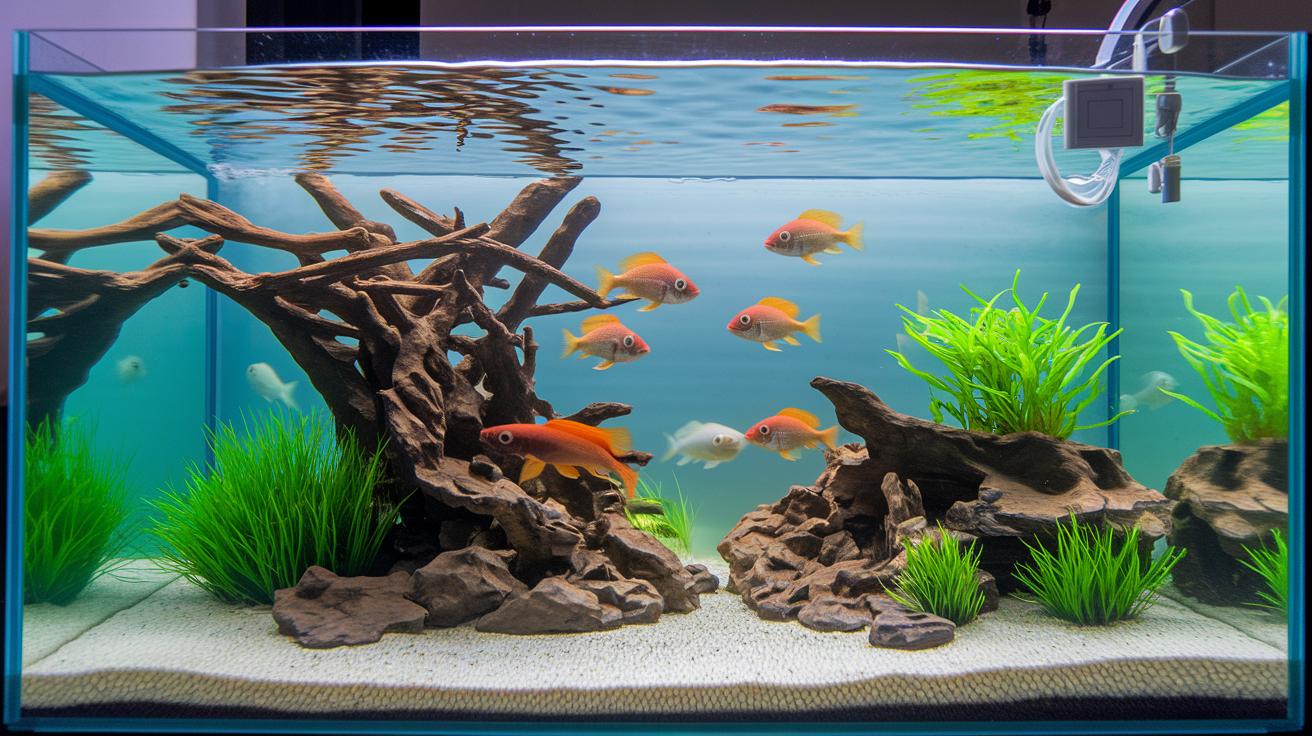
Ever notice your tank's water looking a bit cloudy or having a strange tint? That’s a clear sign it might be time to give your aquarium a refresh. Over time, fish waste, uneaten food, and bits of dead plants can build up, making your water murky and upsetting the natural balance your fish need. Regular water changes help clear the view and remove these harmful elements that might spike nitrate levels and disturb your tank's chemistry.
Here are eight signs that it’s time to change the water:
- Cloudy or tinted water
- Foul odor from trapped organic compounds
- Sudden bursts of algae growth
- Increased ammonia levels
- Rising nitrate levels
- Noticeable pH imbalances
- Lethargic fish
- Odd, erratic swimming patterns
When you spot these signals, your tank is trying to tell you something. For example, if the pH shifts quickly, it means the water's balance is off. A spike in ammonia shows that waste is piling up faster than your filter can clear it. And if your fish seem tired or swim strangely, it could be because there’s not enough oxygen or harmful toxins have built up. Tuning in to these clues can help you create a healthier, more inviting home for your aquatic friends.
Water Chemistry Cues That Signal It’s Time for a Water Change

| Parameter | Normal Range | Warning Threshold |
|---|---|---|
| Ammonia | 0 ppm | > 0 ppm |
| Nitrite | 0 ppm | > 0 ppm |
| Nitrate | < 20 ppm | > 20 ppm |
| pH | 6.5 – 7.5 | Dramatic changes |
Regularly checking your water is like listening to a gentle ripple in a serene pond, it tells you what your tank really needs. If you see even a tiny bit of ammonia or nitrite above zero, it means extra organic waste is piling up faster than the good bacteria can clean. Likewise, when nitrate climbs above 20 ppm, it signals that unwanted contaminants are on the rise, and your tank might soon face harmful conditions.
Notice any big shifts in pH, especially if it strays suddenly from the usual 6.5 to 7.5? That change can really throw off your tank’s natural balance and stress out your fish and plants. When you catch these signs early, adjusting your water change routine becomes as easy as a slow, steady drift downstream.
For a smooth, healthy environment, consider swapping out about 10–30% of the water every week or two if your test results start nudging those warning levels. Small, routine changes help keep the water just right, preventing toxins from building up and ensuring your aquatic pals always feel at home.
Mechanical and Biological Warning Signs Before Changing Aquarium Water
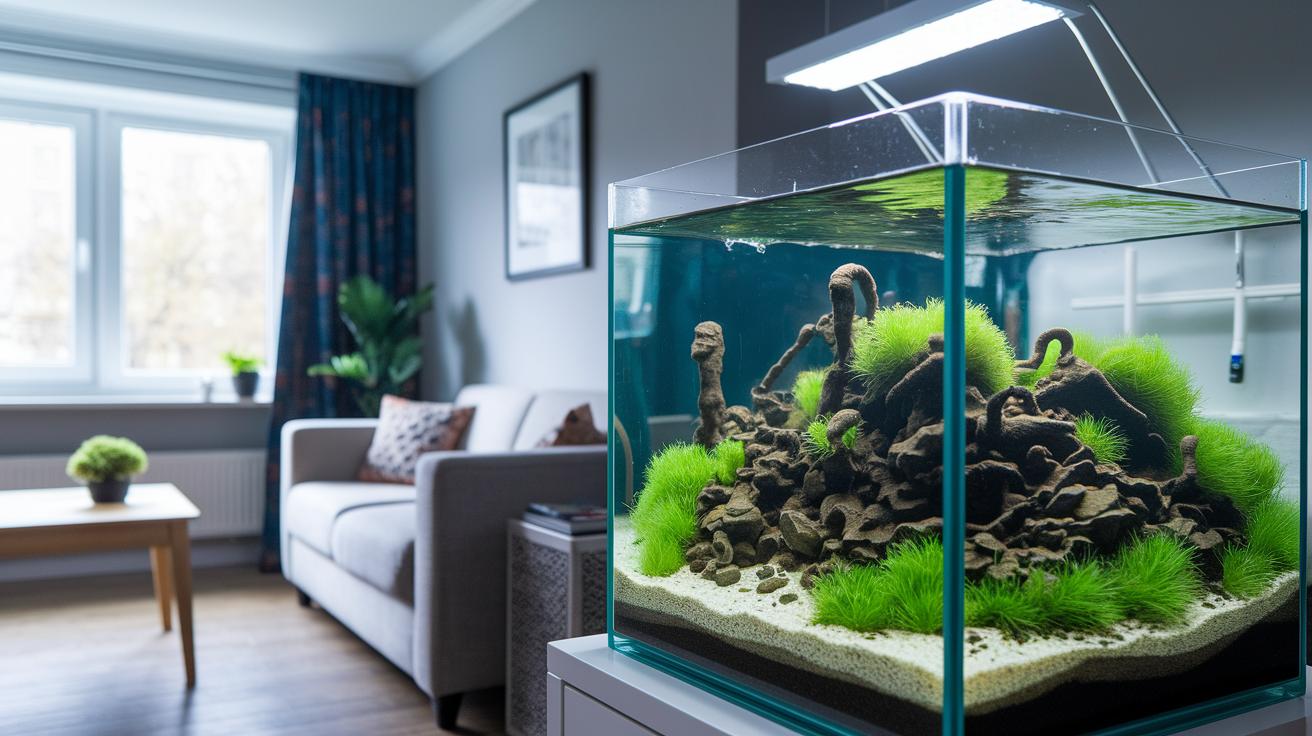
When your filter starts to act up, like making a softer hum or slowing down the flow of water, it might be a sign that your equipment is having a hard time. This can happen when the pump gets clogged or the filter media is blocked. If you see a slimy layer of biofilm on the tank surfaces, it means that organic waste is building up faster than the good bacteria can handle. That sticky film on your glass or decorations is a big hint that your filter isn’t keeping up as it should.
Another clue is when you spot sediment or an oily film on the water’s surface. This shows the filter is overwhelmed by decaying matter and leftover food bits. Over time, this buildup slows down your water flow and hinders the filter’s performance. If you notice these mechanical or biological signs, it’s a good idea to check your filter, clear out any clogs, and get ready for a water change to keep your tank healthy.
Interpreting Aquarium Fish Behavior and Appearance as Change Signals
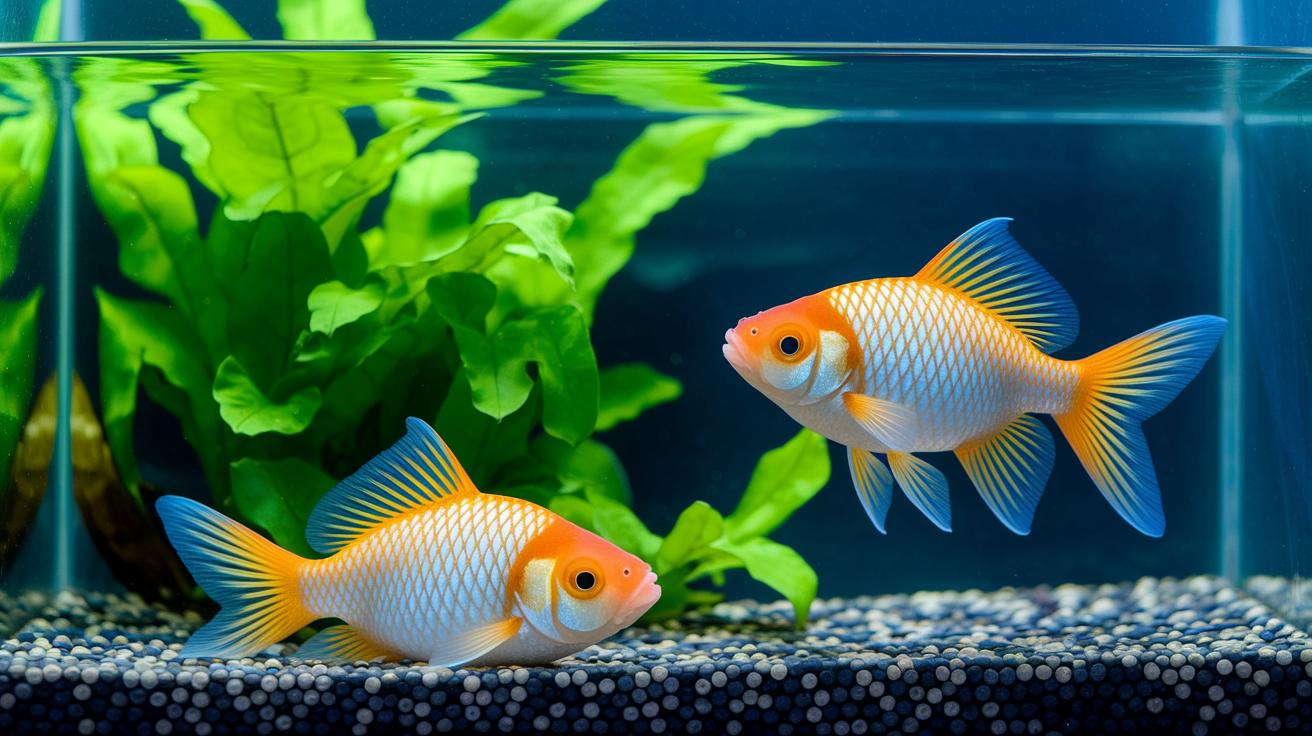
When your fish seem slow or bored, it might mean the water quality isn't as good as it should be. They might hide at the bottom and barely swim around. Imagine your favorite goldfish barely moving when you feed it, it could mean the water doesn’t have enough oxygen or has toxins building up. This quiet behavior is like a friendly nudge, telling you it might be time for a water change.
Sometimes your fish might start swimming in a strange, jumpy way. They could dart around the tank, circle excitedly, or even be seen gasping at the water’s surface. For example, if your angelfish suddenly makes quick, jerky moves near the top, it might be trying to grab a bit more oxygen. These unusual swimming patterns aren’t random, they’re little signals that something is off with the water, like an imbalance in pH or oxygen levels.
If your fish aren’t eating as much and start showing physical changes, such as fading colors, clamped fins, or rapid breathing with gill flaring, it’s a sign they’re under stress. Think about your betta fish: if its usually vibrant color turns dull and its fins seem to shrink, the water conditions are likely hurting its health. By noticing these signs, you can act quickly and help keep your aquatic friends happy and healthy.
Building a Water Change Schedule Around Key Signs
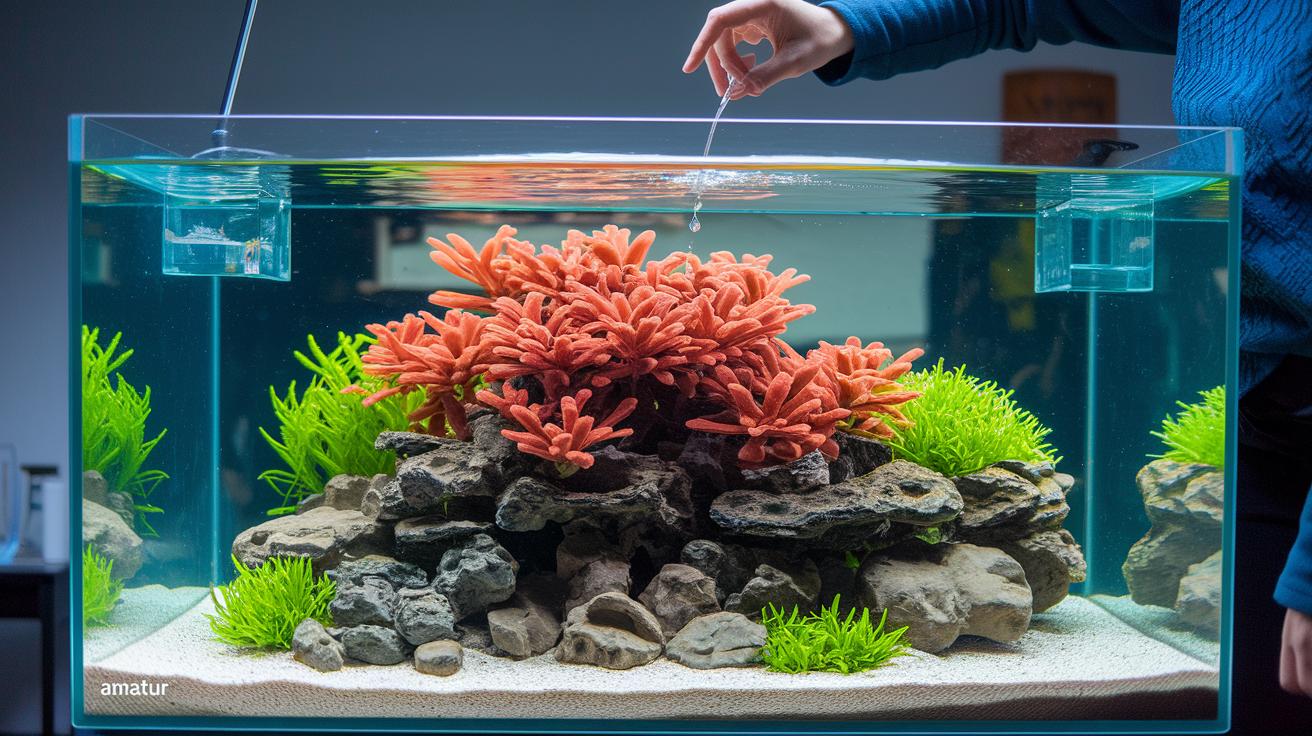
When planning your tank’s water changes, start by watching for everyday clues. If the water turns cloudy, algae seems to spread quickly, or strange smells fill the room, your aquarium might be telling you it’s time for some fresh water. A good rule of thumb is to change 10-30% of the water every week or two, but remember that tanks with lots of fish or fewer live plants may need a bit more care.
Next, focus on how you do the water change to keep your fish feeling calm and happy. Try not to change too much water at once, as a big shift can stress your fish and upset the good bacteria that help keep the water clean. Always mix in new, dechlorinated water that matches the tank’s temperature so the change is as gentle as a soft ripple on a quiet pond. I once noticed that a sudden, large water change made my fish act restless, and it reminded me that keeping things gradual is key.
Over time, let your tank guide you by paying close attention to its behavior. When you notice ongoing changes like persistent shifts in pH, unusual swimming patterns, or lingering odors, it may be time to adjust how often or how much water you change. Tweak your routine as needed, just as you would fine-tune your favorite peaceful underwater spot, so your aquarium always flows with a harmonious and healthy rhythm.
Proactive Measures to Prevent Early Water Quality Decline
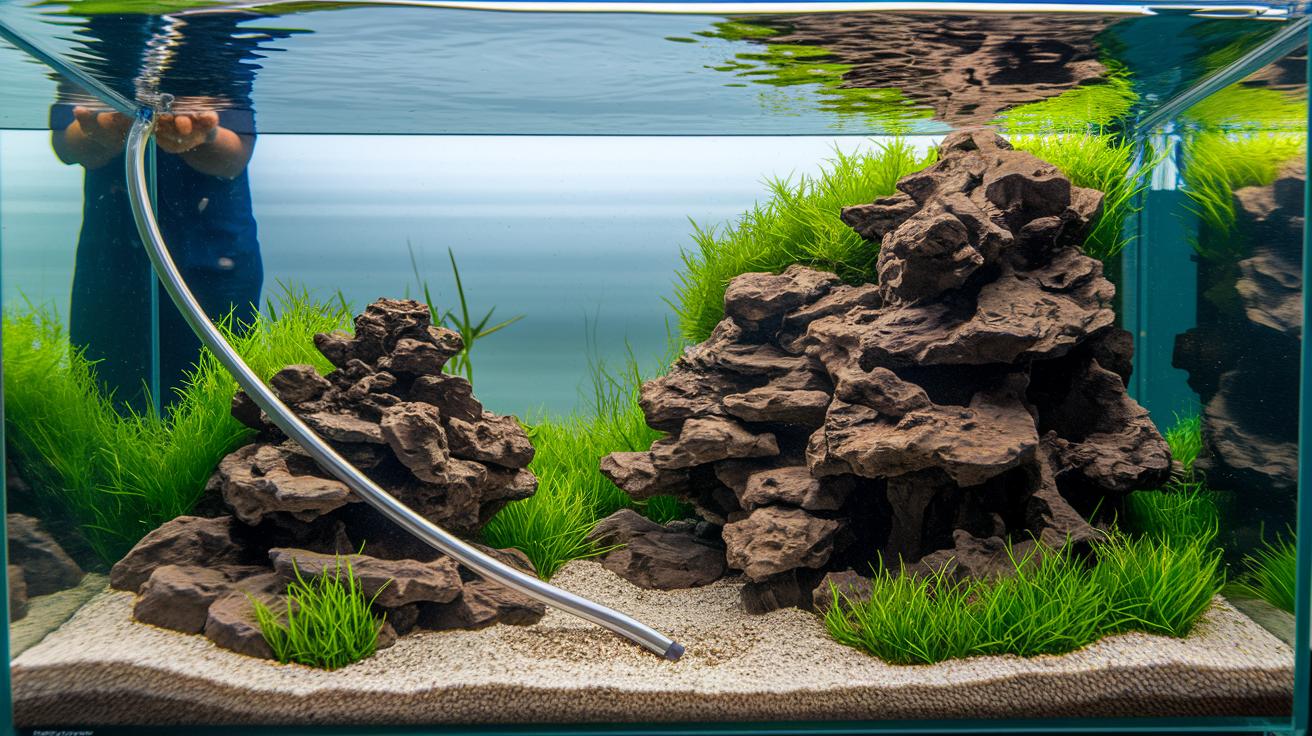
Start out by feeding your fish only what they can eat in a few minutes. Too much food can leave behind bits that break down and create a sludge-like mess. By keeping portions small and manageable, you lower the risk of leftover food turning into waste.
Next, give your aquarium a quick tidy-up by removing any dying or decaying plants. This simple step not only makes your tank look clear and bright, but it also helps stop the water from turning murky. Think of it like cleaning up after a picnic, you clear away unwanted bits to keep everything neat. Also, don’t forget to vacuum the gravel and siphon the tank regularly to remove any remaining debris. And make sure to keep your filter media clean so it can trap any sludge before it spreads.
Finally, check your water quality often with easy tests. Regular testing lets you spot changes, like lower oxygen levels, so you can adjust your cleaning routine before problems start. By following these steady habits, you keep your aquarium water clear and healthy, making the whole setup a joy to watch.
Final Words
In the action of managing your tank, we explored clear hints, from cloudy water and unusual odors to ammonia spikes and behavioral shifts, that show key signs your aquarium needs a water change. We broke down both chemical cues and physical observations, offering a checklist to keep your aquatic habitat balanced.
A steady maintenance schedule prevents waste build-up and keeps your water pristine. Keep an eye on these signals, and your tank will remain a welcoming, healthy home for your fish.
FAQ
How often should you change aquarium water, including setups with filters, no filters, fish bowls, goldfish tanks, and 10-gallon tanks?
The recommended change is 10–30% of water every one to two weeks for most setups. Smaller tanks or fish bowls may need daily topping off, and high-demand systems like goldfish tanks might require more frequent care.
How do you perform a partial water change in a fish tank?
The partial water change process means turning off equipment, siphoning out 10–30% of the water, and refilling with fresh, dechlorinated water that matches the tank’s temperature.
What does an aquarium water change chart show?
The chart shows guidelines for water change percentages and intervals based on tank size and stocking levels, helping you keep the water clear and the chemistry balanced.
Do all aquariums need water changes?
Regular water changes benefit every aquarium by clearing waste and stabilizing conditions, even in setups claiming to require no water changes.
What is new tank syndrome?
New tank syndrome is when a freshly set up aquarium struggles with toxin buildup because beneficial bacteria haven’t fully developed, often causing unstable water conditions.