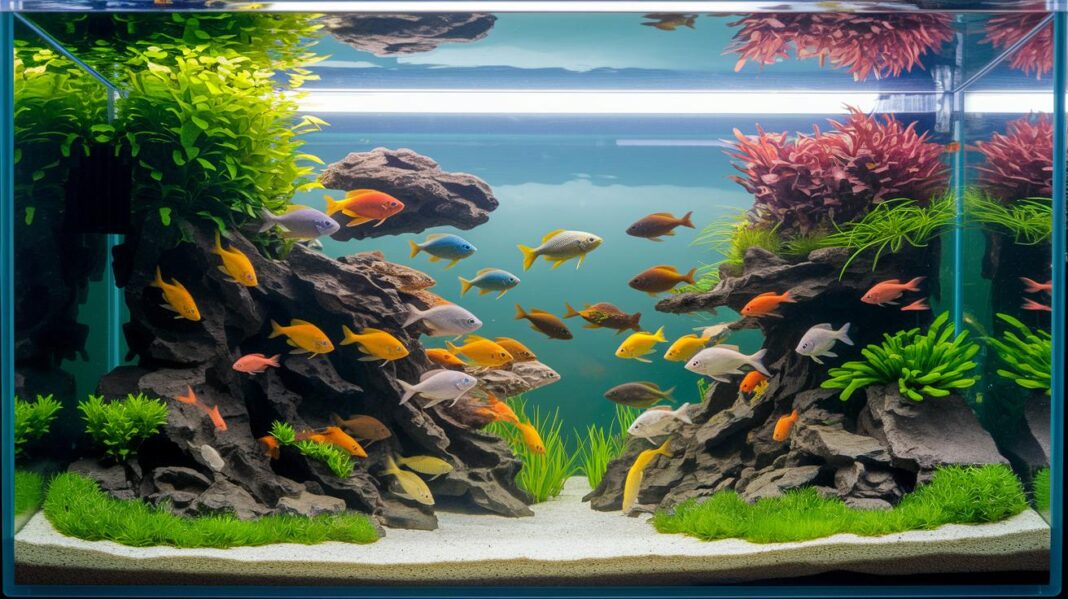

Have you ever noticed how some aquariums seem to sparkle with life while others just sit there quietly? It’s not simply about having a tank, it’s a gentle blend of water, plants, and tiny helpful bacteria working together like a school of fish swimming in perfect harmony.
In this guide, we’ll dive into how you can set up your tank with the right substrate (that’s the gravel or sand at the bottom), gentle lighting to create a warm glow, and a careful water cycle (the process that keeps your water clean). By following these simple steps, you’ll create an aquarium ecosystem that supports your fish and becomes a vibrant, living world of its own.
Core Steps for Creating a Balanced Aquarium Ecosystem
Start with choosing a solid tank and place it in a quiet spot, away from the harsh glare of sunlight. Fill it with nutrient-rich substrate, about 1.5 to 2 inches deep, to give beneficial bacteria and plant roots a cozy home. Set up LED lights to glow for 6 to 8 hours a day, and adjust their brightness as needed. It’s like tuning the scene for a gentle underwater performance where each light hour adds a little magic.
Next, let nature do its work by mimicking the natural nitrogen cycle. Fill your tank with water free of chlorine and let it sit for 4 to 6 weeks before adding any fish. During this period, helpful bacteria grow and turn harmful ammonia from decaying matter into safer nitrates. Try testing your water before adding fish, seeing the ammonia drop to 0 ppm is like watching a slow but steady miracle unfold.
After that, bring in some live plants. Choose fast-growing stem types or floating ones, which naturally soak up ammonia and nitrates like a sponge. You might even start with a few shrimp; they produce less waste, making them perfect early settlers. Once the cycle feels steady, introduce more fish slowly. I remember the joy when my first shrimp arrived, it was a small step that made the whole tank feel alive.
Finally, only top off the water when you notice evaporation drops. Keeping these little adjustments infrequent helps maintain a peaceful, stable environment. With these simple steps, you set the stage for a thriving, balanced aquarium ecosystem that supports vibrant aquatic life.
Water Chemistry Regulation for a Balanced Aquarium Ecosystem
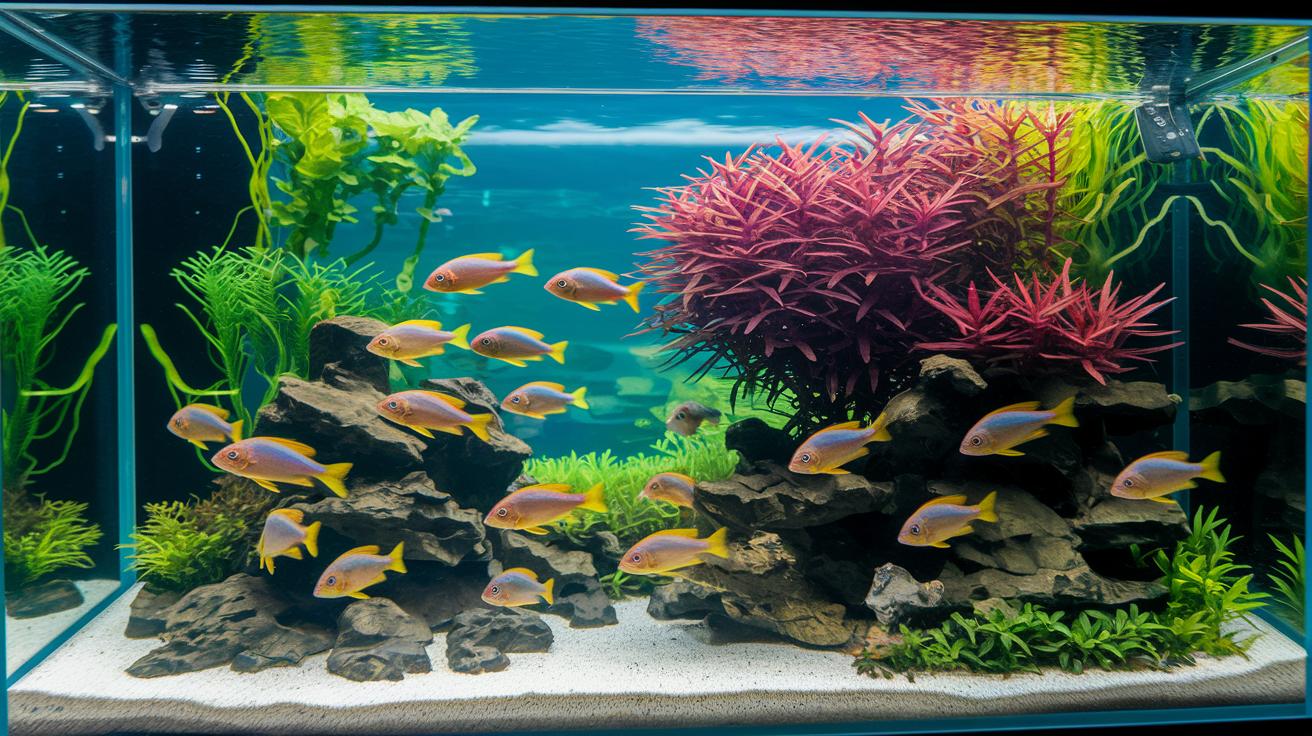
Keeping your aquarium's water clean is like creating a cozy home for your fish. You want to set everything just right so every scale and fin can flourish. Start with keeping ammonia and nitrite at 0 ppm while making sure nitrate stays under 20 ppm. Think of it as making sure no unwanted bubbles spoil the peaceful water dance.
It really helps to keep your tank's pH between 6.8 and 7.5. When your water is balanced like this, it’s like tuning a guitar, every note is perfect, and your fish seem to thrive on the harmony. Ever notice how a well-tuned aquarium makes you feel at ease?
Temperature is another big part of the puzzle. Most tropical fish love it when the water stays between 74 and 80 °F. If it gets too cold or too warm, your fish might feel uneasy. And just like adding a pinch of salt to a favorite recipe, aeration and surface movement help raise the oxygen levels above 5 mg/L, ensuring the water feels fresh and lively.
Don’t forget that when you add new water, it’s best to treat it with something that removes chlorine and chloramine. This step is a bit like filtering out any impurities in a glass of water, making sure nothing harmful sneaks into your underwater paradise.
| Parameter | Ideal Range | Purpose |
|---|---|---|
| Ammonia | 0 ppm | Stops toxic build-up |
| Nitrite | 0 ppm | Keeps transitions safe |
| Nitrate | <20 ppm | Minimizes waste |
| pH | 6.8–7.5 | Makes fish feel comfy |
| Temperature | 74–80 °F | Ideal for tropical fish |
| Dissolved Oxygen | >5 mg/L | Keeps energy levels high |
Establishing the Nitrogen Cycling Process in Your Aquarium Ecosystem
When you first set up your tank, the nitrogen cycle is what keeps everything stable. It takes about 4 to 6 weeks for the good bacteria to settle in, so a little patience goes a long way. Basically, Nitrosomonas bacteria turn the ammonia from fish waste into nitrite, and then Nitrobacter bacteria change that nitrite into nitrate. If you add some well-established media or live rock to your filter, you can kickstart this process. I once did that, and in just 5 weeks, my tank’s ammonia hit 0 ppm.
During this time, it’s super helpful to test your water regularly. This way, you can make sure that ammonia and nitrite stay at 0 ppm, while keeping nitrate under 20 ppm. That slight buildup of biofilm on your filter actually helps the bacteria grow and keeps your water chemistry in check.
| Stage | Description | Target |
|---|---|---|
| Ammonia | Fish waste creates ammonia | 0 ppm |
| Nitrite | Nitrosomonas converts ammonia to nitrite | 0 ppm |
| Nitrate | Nitrobacter converts nitrite to nitrate | Below 20 ppm |
Enjoy watching your tank transform into a healthy, vibrant home for your fish. Ever notice how calming it is to see a balanced aquarium? It’s like watching a gentle stream flow, steady and reassuring.
Integrating Aquatic Plants and Natural Tank Design to Balance Aquarium Ecosystems
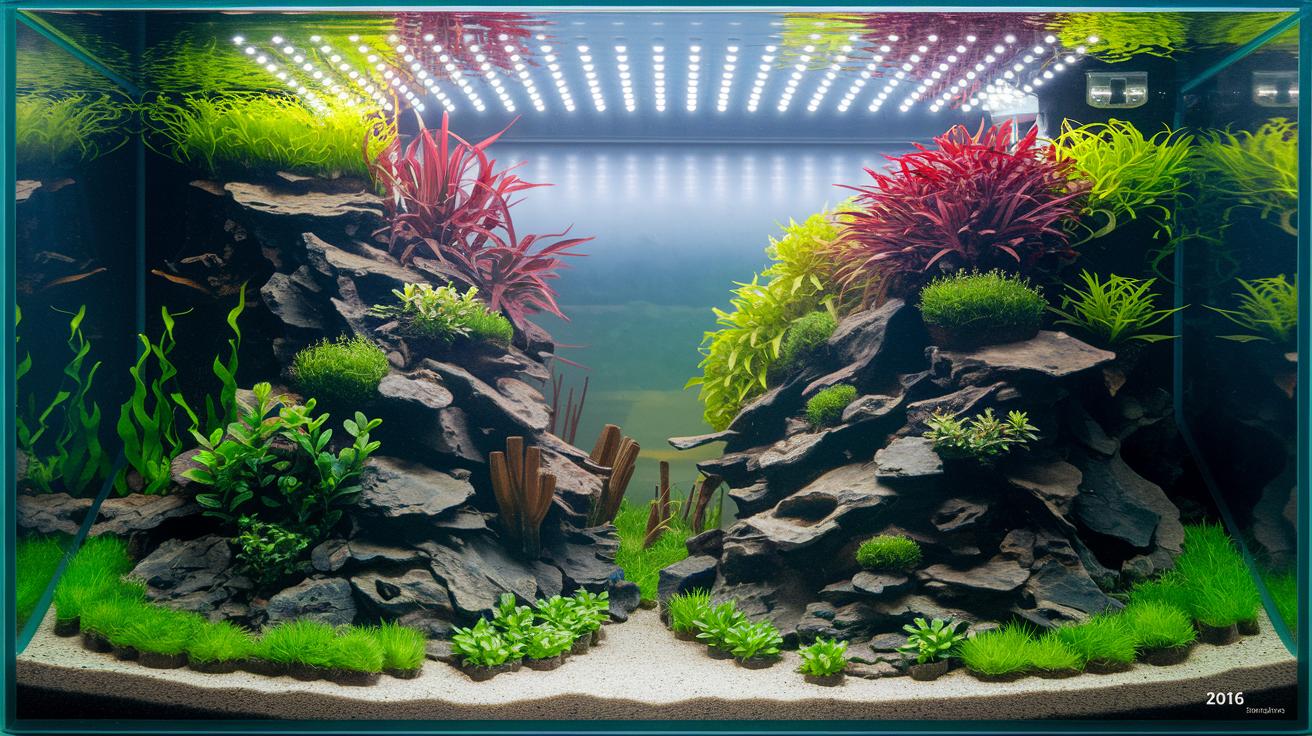
Transform your tank into a living garden by adding just the right mix of aquatic plants and planning your setup with care. Quick-growing stem and floating plants help soak up nasty compounds like ammonia and nitrates, much like duckweed gently cleans up while adding a touch of natural beauty.
Start with a nutrient-rich layer about 1.5 to 2 inches thick. This cozy bed gives plant roots room to grow strong and naturally filters your water. Imagine your tank as a peaceful underwater scene where every plant contributes to a beautiful, living mosaic.
Lighting is super important. Stick with LED lights for around 6 to 8 hours each day, and adjust the brightness to mimic natural sunlight. This soft glow not only pushes your plants to grow better but also keeps too much algae from taking over, kind of like catching the perfect sunrise every morning.
Finally, add a bit of liquid or root-tab fertilizer made for aquatic plants. These nutrients provide just what your plants need without overwhelming your tank’s balance. Try playing around with different heights and clusters of plants to create layers and a well-rounded home for your underwater friends.
Compatible Fish Selection and Bioload Management in Balanced Aquarium Ecosystems
When setting up your aquarium, it’s a good idea to start with just a few fish. This gives the helpful bacteria time to settle in, keeping nitrate levels low, kind of like letting a gentle current smooth out the pebbles on the bottom. Think of it as planting a garden slowly, where every fish has room to grow and shine.
It also helps to introduce shrimp and snails early on. These little critters make very little mess, adding a bit of charm while quietly lending a hand in keeping your tank balanced. Just like checking a favorite recipe before making dinner, take a moment to learn about each species’ behavior, size, and water needs.
- Begin with a small school of fish using the simple rule: one inch of fish per gallon.
- Add shrimp and snails early to help manage waste naturally.
- Keep an eye on your water’s condition and adjust your fish numbers as your tank settles in.
By choosing fish that get along and keeping the number of inhabitants in check, you create a mini community in your tank where every creature plays a role in maintaining a calm, self-sustained aquatic home.
Optimizing Filtration Systems and Substrate for a Balanced Aquarium Ecosystem
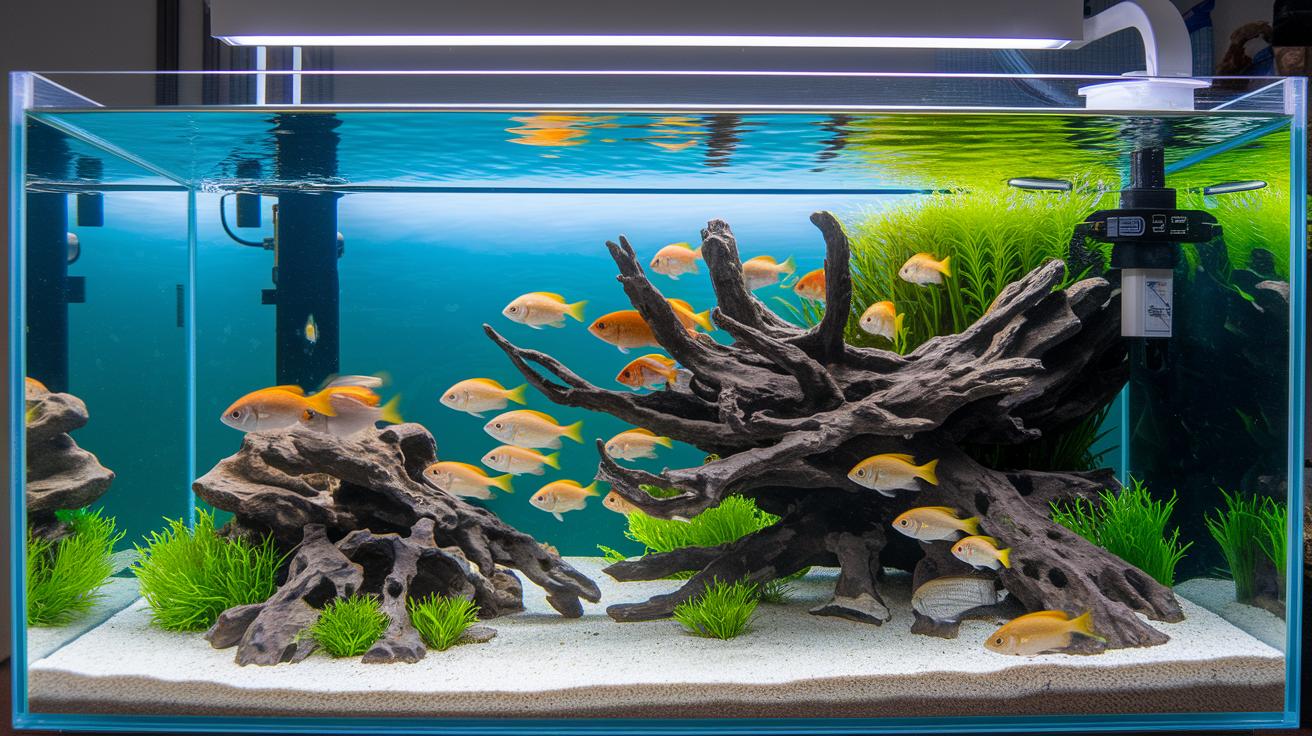
Think of your aquarium’s filter as a tight-knit team working together to keep the water crystal clear. First up, mechanical filtration scoops up tiny debris like a gentle net. Then, chemical filtration steps in using things like activated carbon to cut down on harmful toxins. Finally, biological filtration lets good bacteria do their job, breaking down waste to keep the water safe, just like a friendly crew tidying up your space.
When it comes to the tank’s foundation, choosing the right substrate matters. Substrates with extra surface, like laterite or aqua soil, give plenty of room for beneficial bacteria to settle, much like a soft bed where fish can rest. Deep sand beds, about 3–4 inches thick, create quiet zones low in oxygen that help turn nitrates into simpler, safer compounds over time. And live rock, with all its natural crevices, not only boosts areas for bacteria to flourish but also adds a naturally pleasing look to your tank.
| Component | Description | Benefit |
|---|---|---|
| Mechanical Filtration | Catches debris | Makes the water clear |
| Chemical Filtration | Uses media like activated carbon | Reduces toxins |
| Biological Filtration | Employs high-surface substrates or live rock | Breaks down waste naturally |
| Deep Sand Beds | 3–4 inches thick | Creates low-oxygen zones |
| Live Rock | Natural rock with plenty of crevices | Adds a natural look and boosts bacteria growth |
Scheduled Maintenance and Water Change Routines for Ecosystem Balance
To keep your aquarium happy, it's a good idea to follow a routine that flows naturally, just like a gentle current. Changing or topping off about 10-20% of the water each week helps wash away built-up waste and keeps nitrate levels from creeping too high.
Make it a habit to check your water often. Test for ammonia, nitrite, nitrate, and pH using a reliable kit every week. It’s a bit like glancing at a clock to see that everything is on track. Jot down your readings so you can spot any changes early on.
Every month, rinse your filter media with water straight from your tank. This way, you keep the good bacteria safe without using tap water. Also, replace any chemical media as directed by the manufacturer to keep your system running smoothly.
If you see algae starting to pop up, try adding more live plants or gently remove the algae by hand. These small steps work wonders in preventing bigger problems down the road.
For all your maintenance needs, check out useful supplies over at Sweetfysh (https://sweetfysh.com?p=50). A little regular care goes a long way in keeping your tank thriving.
Troubleshooting and Sustaining Long-Term Equilibrium in Aquarium Ecosystems
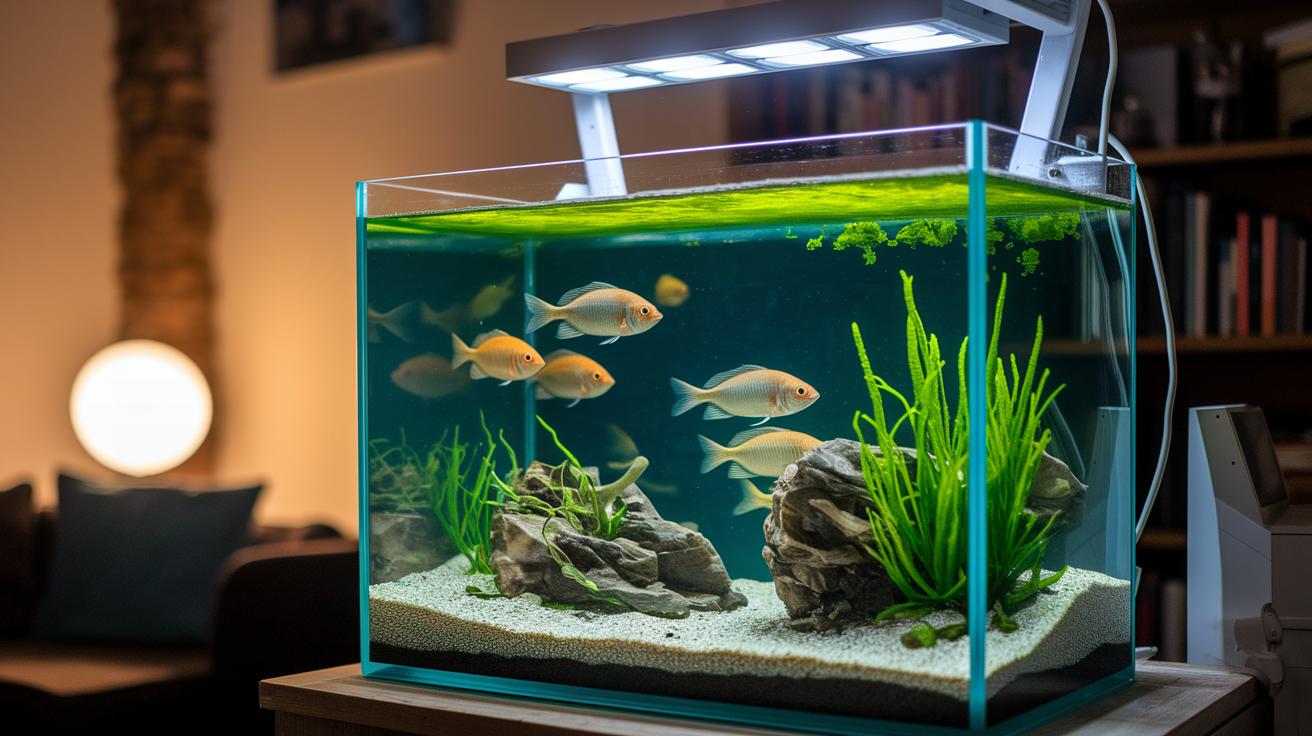
Keep an eye out for early signs that your aquarium might be a bit off. For example, if you notice green algae quickly covering the tank walls or a sudden spike in ammonia, that’s a clear signal something isn’t right. When your fish start gasping at the surface, it’s another gentle hint that oxygen levels or water quality might need some extra attention. I remember one time when a small patch of algae began to spread fast, it was my cue to start checking my water readings more often.
To fix these imbalances, try doing a partial water change and adjusting your lighting schedule. Sometimes, just a few drops of the right additive can guide your water parameters back to a safe level. Start small with a 10% water change, then test your water to see if the environment is settling in the right direction.
It also helps to keep a log of your aquarium’s numbers. Jot down trends in ammonia, nitrite, nitrate, and pH, and note small details like, "The water temperature was 78°F yesterday." This record can be a lifesaver when troubleshooting balance issues. And remember, planning for regular equipment checks and occasional upgrades can keep your aquarium thriving for the long run.
Final Words
In the action, we explored core steps from tank cycling and water chemistry regulation to integrating natural decor and managing fish stocking. We broke down how each stage helps you create a balanced aquarium ecosystem.
Step-by-step guidance was shared to help you build and maintain a peaceful underwater setting. Enjoy watching your aquatic world flourish and feel good knowing that every step supports the well-being of your fish friends.
FAQ
How do I create a balanced aquarium ecosystem diagram for beginners?
Creating a balanced aquarium ecosystem starts with sketching your tank layout. Include zones for the filter, plants, and fish. Begin with low stocking, initiate the nitrogen cycle, and use nutrient-rich substrate.
How do I design a self-sustaining fish tank ecosystem or kit?
Designing a self-sustaining fish tank ecosystem involves using live plants, beneficial bacteria, and proper filtration. Set up a nutrient-rich substrate, follow a light schedule for plants, and let the nitrogen cycle naturally stabilize.
How do I keep my fish tank water balanced?
Keeping your fish tank water balanced means regularly testing and adjusting water parameters like pH, ammonia, nitrites, and nitrates. Use conditioners to remove harmful chemicals and maintain a steady temperature.
Can I leave my aquarium light on 24/7?
Leaving your aquarium light on all day can stress fish and plants. Using a timer to provide about 6–8 hours of light helps plant growth while preventing algae blooms and maintaining a natural cycle.
Is it possible to have a self-sustaining fish tank?
Achieving a self-sustaining fish tank is possible when you combine live plants, a balanced fish load, and an established nitrogen cycle. Regular checks of water quality and proper filtration support its long-term stability.