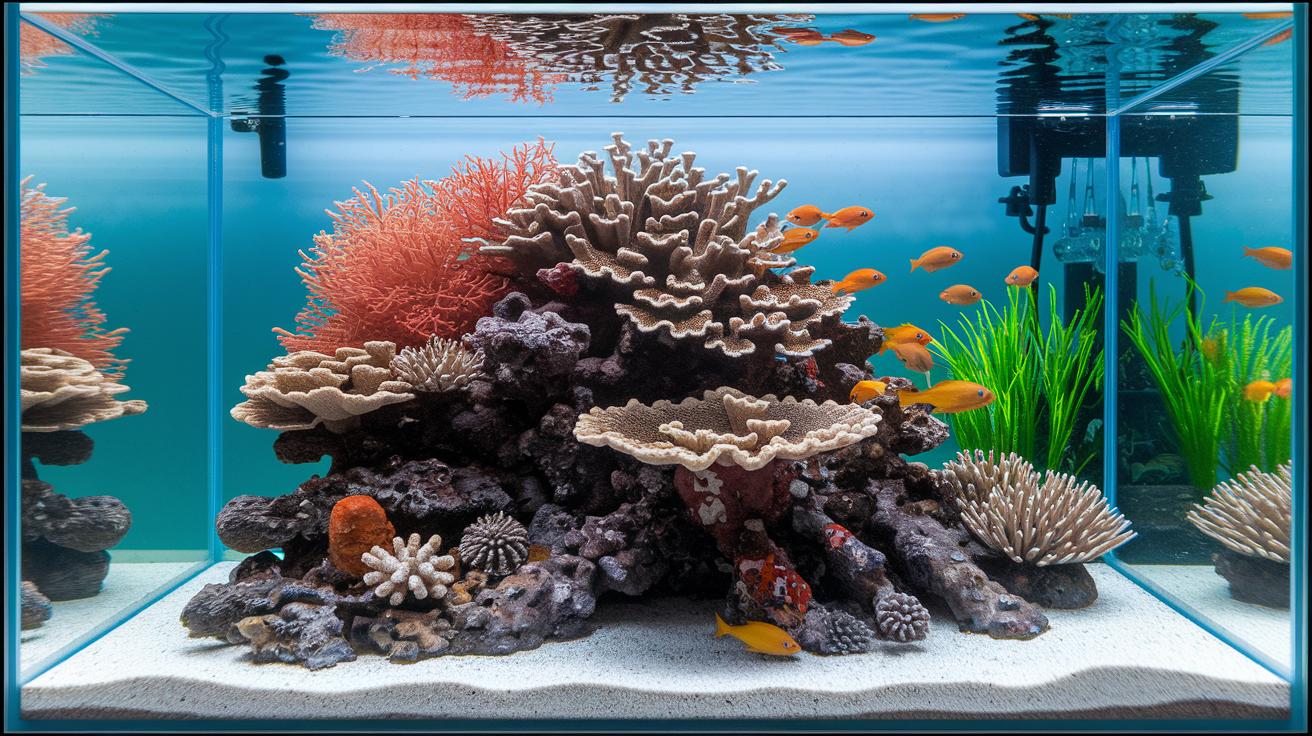
Ever notice how some aquariums shimmer like a gentle stream while others look a bit lackluster? Keeping your underwater home in top shape might seem like a big job, but a little care goes a long way.
In this guide, we share simple steps to give your tank a refreshing makeover. Start with basic habits like washing your hands, then move on to tenderly cleaning the substrate, kind of like giving your tank a soft, loving massage.
A clean tank means happier fish and a calmer space, letting your aquatic pals thrive and sparkle like sunlit ripples. So, why not dive in and transform cleaning into a rewarding and soothing routine?
Fish Tank Cleaning: Sparkling Success
-
Start by washing your hands and arms up to your elbows. This simple step stops any unwanted dirt or germs from sneaking into your tank. Picture it like gently cleaning before you dive into an underwater adventure.
-
Next, test your tank water. You want to see 0 ppm ammonia and nitrites, with nitrates below 40 ppm. A quick check tells you if your water is safe or if it needs a little extra care.
-
Now, use an algae scraper on your tank walls. If you’ve got a glass tank, pick the blade attachment, but if your tank is acrylic, go for a non-metal pad. Smooth, even strokes will keep your view as clear as a calm lake.
-
Trim any dead or overgrown leaves from your aquatic plants and remove about 30–50% of any floating ones. This simple step boosts the light and oxygen in your tank, making it a happier and healthier home for your fish.
-
Before taking any water out, turn off your heater, filter, and pump. This step protects your gear, stopping any busy equipment from running dry.
-
Then, siphon about one-third of the substrate. This gentle vacuum cleans up debris, leftover food, and fish waste, much like giving the bottom a soothing massage.
-
Rinse your filter media using a bit of tank water. Leave a bit of the old media behind so the beneficial bacteria can keep on working, keeping your tank lively and balanced.
-
Prepare your replacement water by matching the tank’s temperature. Add dechlorinator right away, since chloramine sticks around and can cause trouble if not removed.
-
Slowly refill the tank and restart your equipment to help any trapped air bubbles escape, ensuring a smooth restart for your aquatic home.
-
Finally, wipe down the exterior glass with an aquarium-safe cleaner to give your tank a polished, sparkling finish that shines like a clear underwater gem.
Fish Tank Maintenance Frequency and Schedule
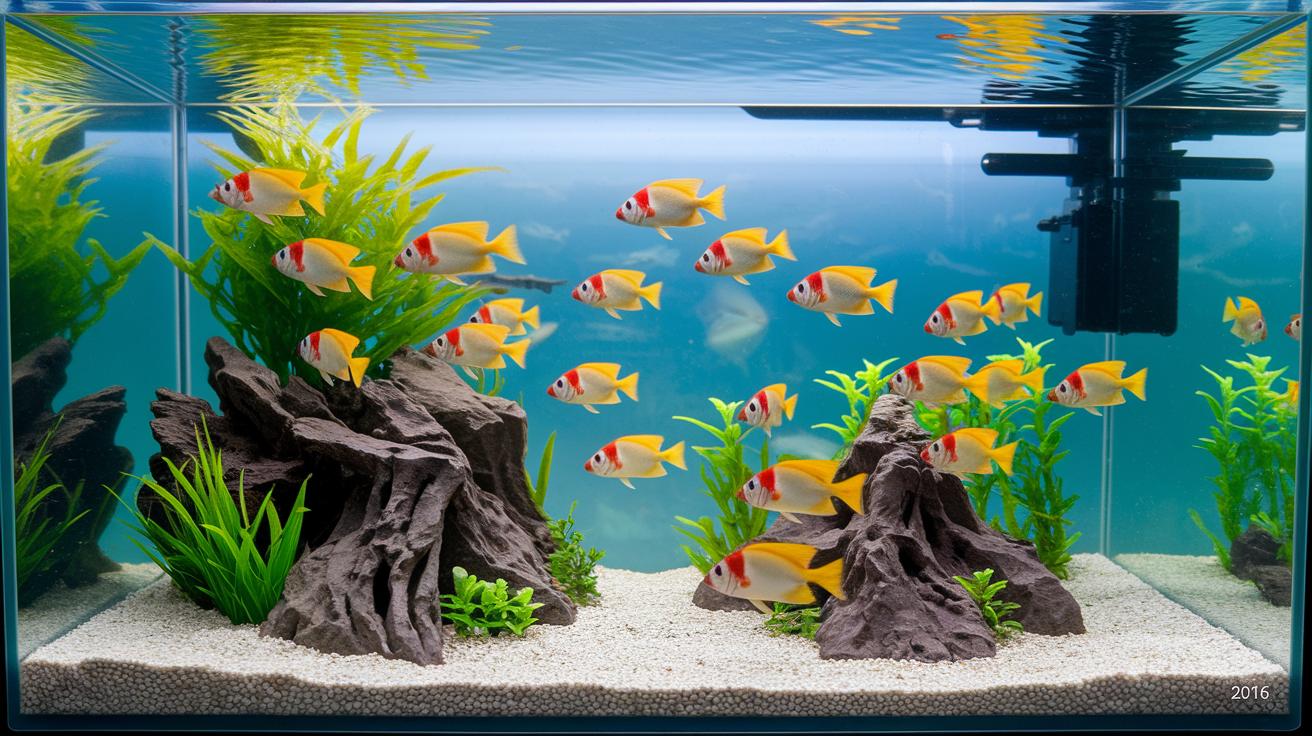
Keeping your tank sparkling is like tending to a little underwater garden. Every day, week, and month brings its own gentle tasks that help your fish feel right at home. Your schedule may vary with tank size, number of fish, and how strong your filter is. If the water seems a bit murky, it’s a soft reminder from your aquatic friends that extra care is needed.
Here’s a simple guide to keep your tank happy:
| Daily Tasks | Description | ||||||||||
|---|---|---|---|---|---|---|---|---|---|---|---|
| Inspect Equipment | Check that the pump, heater, and filter are working smoothly, like a gentle current moving through your tank. | ||||||||||
| Watch Your Fish | Keep an eye on your fish to see if they’re behaving normally or if something seems off. | ||||||||||
| Check for Debris | Safe Cleaning Procedures for Your Fish Tank
When it’s cleaning time, let your fish stay in the tank. Most of the water remains, which means your fish feel safe and don’t get stressed. Think of it like keeping your favorite book right on your desk, you wouldn’t risk losing something that matters. Use tools just for your aquarium to keep unwanted germs out of your underwater world. If you’re working with a gravel vacuum, watch out for any accidental fish-siphoning. If one of your little friends starts to wander into the tube, quickly lift the siphon above the water so the gentle flow can guide it back home. When you’re ready to add water, treat it right away with a conditioner that neutralizes chloramine. That way, you avoid the harmful effects of chemicals since chlorine takes about 24 hours to off-gas. Handle your glass scraper carefully to avoid leaving scratches. For acrylic tanks, choose a plastic or felt-edged tool instead to keep your tank’s surface smooth and clear. These straightforward steps keep your cleaning routine stress-free, protect your aquatic buddies, and help your tank stay as clear as a calm, gentle lake. How to Clean Fish Tank Filter and Equipment
Let’s begin by gently cleaning your mechanical media every month. Use a container filled with water from your tank to rinse the media. This careful rinse keeps the good bacteria safe, those little helpers that keep your tank healthy. And remember, don’t use tap water, its chlorine can harm these beneficial microbes. For canister and hang-on-back filters, take the time to break apart your filter so you can reach the key parts like the impeller, tubes, and housing. Rinse each part well using your tank water. This step helps to clear away any buildup that might trap air and make the filter noisy later on. Be sure to follow the manufacturer’s rules to re-prime your filter after cleaning. And don’t forget about media like activated carbon or resin, just give them a good rinse or swap them out as suggested on the package. It’s also a smart idea to check the pump inlets and clear out any debris. A pump that runs dry may damage its motor, so keeping every component clean ensures a steady flow and smooth operation. Canister Filter MaintenanceTurn off your filter and carefully remove its casing. Take out the media containers and gently rinse them along with the impeller in tank water. Then, check the tubes and seals to make sure nothing is blocking the flow. Once everything is clear and dry, reassemble the filter to avoid leaks. A quick rinse now can stop small problems from growing into bigger ones, keeping your tank quiet and happy. Sponge and Internal Filter CareRemove the sponges and any internal filter parts, then give them a gentle squeeze in your tank water to remove any stubborn debris. This gentle cleaning helps protect the colonies of good bacteria that work hard to keep your tank clean. Afterward, put the sponges back carefully so your tank continues to thrive with healthy, bubbly life. Algae Removal and Prevention in Your Fish TankStart by gently using a manual scraper along your tank walls to clear away algae. For glass tanks, a scraper with a blade works like a charm, while a soft, non-abrasive pad is best for acrylic tanks. Think of it like wiping a foggy window until everything becomes clear again. For any tough spots, hold a razor blade at a very shallow angle to cut the algae, but steer clear of doing that on acrylic surfaces. Keeping the right balance of nutrients in your tank is super important. I usually vacuum the gravel to scoop up extra debris, leftover food, and fish waste, this cuts down on the food algae love to munch on. Try to limit your tank’s light exposure to about 8 to 10 hours each day, kind of like guarding a simmering pot so it doesn’t boil over. You might also consider some natural helpers in your tank once everything’s under control. Adding algae-eating snails or fish can really keep the algae in check over time. It’s like having little clean-up crew members swimming around. Doing a partial water change every week is another great tip. Replacing some of your water helps keep nitrate levels low, usually below 40 ppm, and fewer nitrates mean less food for algae. Here’s a quick guide to keep things flowing smoothly:
When you blend these methods, scraping, substrate cleaning, light management, and a bit of natural help, it works like a dream, leaving your tank as clear and calm as a quiet lake. Freshwater vs Saltwater Fish Tank Cleaning Differences
When it comes to cleaning your aquarium, both freshwater and saltwater tanks share some basic steps. You test the water, remove algae, vacuum the substrate, and rinse the filters. But saltwater tanks need a little extra tender treatment because they often host live corals and other delicate sea creatures that can be easily stressed. For your saltwater setup, think of cleaning as if you were gently guiding a small school of minnows. Instead of scrubbing hard, carefully move any live corals to a safe spot before you start. And avoid big water swings, because sudden changes can worry or even harm your sensitive marine friends. Your marine tank might also need a bit of extra care. Protein skimmers, for example, need regular rinsing to remove built-up organic matter. Special filter media, like phosphate removers, work to keep nutrient levels steady and balanced. And when you’re prepping replacement water, always use a marine-safe conditioner to keep harmful chemicals at bay while protecting your critters. It’s also a good idea to check the salinity after each water change to ensure your tank stays stable. Although the cleaning steps are very similar for both types of tanks, these extra precautions for saltwater setups help keep your unique aquatic pals safe and happy. Imagine your marine tank as a calm, clear patch of ocean, every careful step you take helps maintain that peaceful underwater haven. Final WordsIn the action, we covered tank preparation, water testing, algae removal, and filter care. Each step, from a quick cleanup to a detailed monthly maintenance, helps keep your underwater world balanced and clear. We even touched on safe approaches for both freshwater and saltwater setups, ensuring fish and plants feel right at home. Keep that positive momentum and remember how to clean a fish tank while keeping your aquatic haven a joyful, thriving space. FAQQ: What is a fish tank cleaner?A: A fish tank cleaner refers to tools or processes that remove algae, debris, and buildup from your aquarium while keeping water quality safe and clear for fish. Q: How do I clean a fish tank for the first time and what is the best way?A: The best first-time clean starts by turning off your equipment, gently removing some water, and using safe cleaning tools to remove dirt, then slowly replacing the water to keep conditions balanced. Q: How can I clean my fish tank if I have no special equipment like a vacuum or siphon?A: When without special tools, use a clean container and soft cloth or sponge to carefully wipe surfaces and remove debris, and change parts of the water manually to maintain a stable environment. Q: How do I clean fish tank glass and what can I use for it?A: Cleaning glass works best with an algae scraper or a soft cloth dipped in a diluted vinegar solution, which lifts grime without harming your fish or the tank’s delicate balance. Q: How should I clean my fish tank filter?A: To clean your filter, rinse the filter media in water removed from the tank to clear debris while keeping beneficial bacteria intact, and follow the manufacturer’s care steps for safe maintenance. Q: Do you leave fish in the tank when cleaning?A: Keeping fish in the tank usually helps reduce their stress since they stay in familiar water, so partial cleaning and water changes are done while leaving them in place. Q: How can beginners take care of a fish tank?A: Beginners should test water quality, perform regular partial water changes, check equipment daily, and monitor fish behavior to build a healthy, balanced aquatic environment. Q: What fish types are popular, such as tetra, goldfish, neon tetra, and bristlenose catfishes?A: Popular species include several tetra types, goldfish, neon tetras, bristlenose catfish, and cleaner fish, each adding unique charm while suiting different care levels and tank setups. |