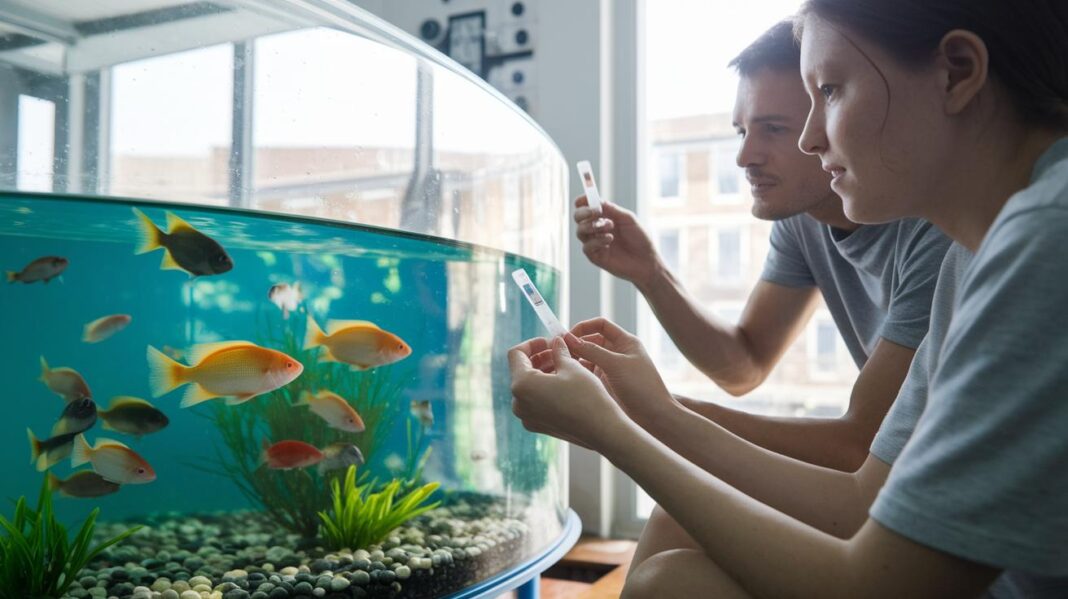

Ever thought your fish tank water was as safe as it seems? Beneath the surface, hidden worries might be swirling quietly.
A handy water test kit can help you check important things like pH, ammonia, nitrite, nitrate, dissolved oxygen, phosphate, copper, and salinity. Think of it like a gentle check-up for your underwater home.
With this tool by your side, you can rest easy knowing every detail is watched over. It keeps your tank happy and your fish even happier. Every drop really counts when you care for your little liquid world.
Choosing the Right Fish Tank Water Quality Test Kit
If you're setting up a tank or just keeping an eye on your fish's health, a good water test kit is a must-have. One fan favorite is the API Freshwater Master Test Kit. It does a great job of checking key water factors when you first set up your tank and while you're caring for it. Then there’s the NYOS Nitrate Test Kit, which really shines when you need super accurate nitrate readings. And if you find matching colors a bit tricky, the Hanna digital Checker gives fast digital results, though it comes with a higher cost, about $60 plus an extra $16 for each set of reagents.
When picking a kit, keep a few things in mind. First, think about balancing accuracy with cost. Sometimes spending a bit more upfront can mean better results down the road. Next, check what water factors the kit tests for; a good kit should look at several things to make sure your water stays safe. Also, consider how you read the results: many liquid kits need you to compare colors by eye, like matching the gentle hues of a sunset, while digital testers give you numbers instantly. Finally, remember that reagents, those special chemicals that help take the test, can lose their strength if stored in damp places. Keeping these points in mind will help you choose the right kit for a happy, healthy aquatic home.
fish tank water quality test kit Boosts Safety
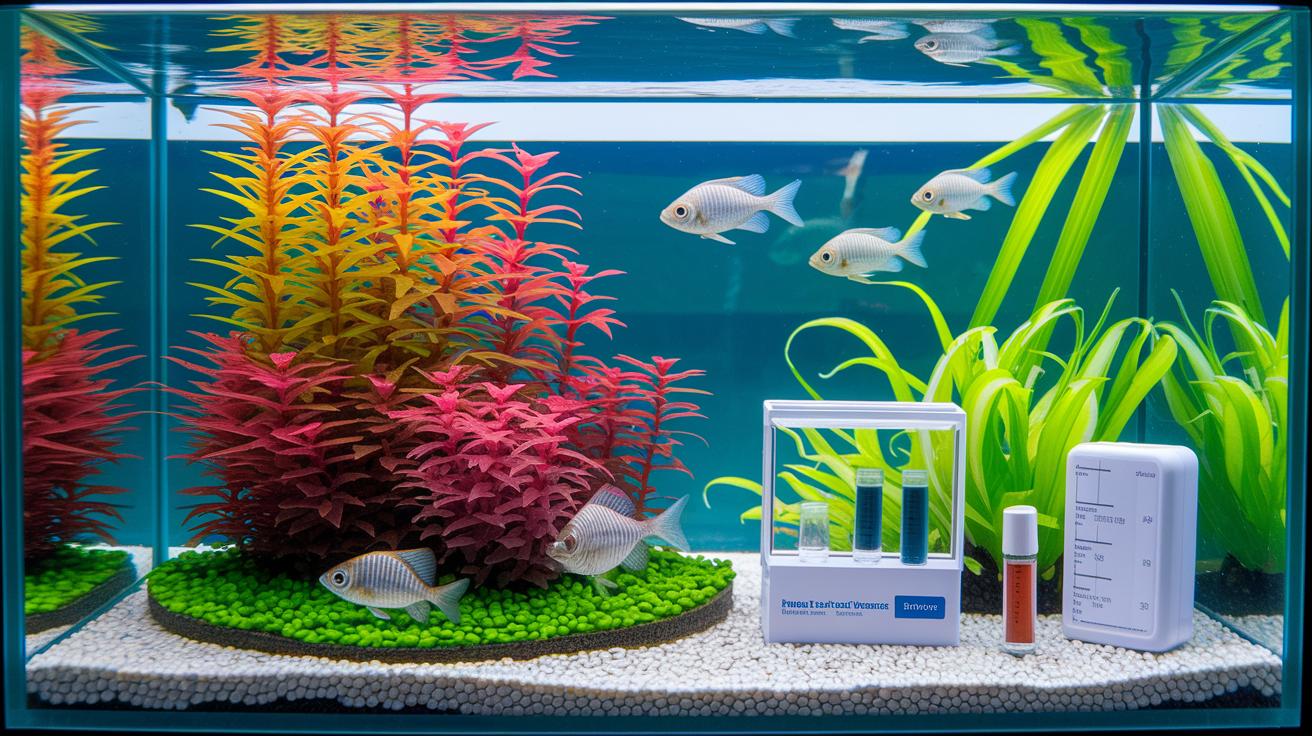
Making sure your fish have safe, clean water is like watching over a little underwater garden. When you use a test kit that looks at many different parts of your water, you get the full picture of how your tank is doing. This kit checks things like pH for the right acid and base balance, ammonia to see if waste is building up, nitrite as a warning signal for early waste, and nitrate for the final waste products. It also looks at dissolved oxygen for the fish to breathe, phosphate which hints at excessive algae, copper for chemical control, and even salinity to keep the salt levels right.
I once felt the same rush of surprise when I learned just how many invisible details make our aquarium feel like a lively, healthy pond. Using narrow-range kits helps when you need to be extra sure about things like a pH range of 6.8 to 7.6 for freshwater tanks or when looking for slight nitrate changes in a saltwater setup. This careful approach can catch hidden waste compounds that might otherwise harm your fish or plants.
| Parameter | Purpose | Typical Safe Range (Freshwater) |
|---|---|---|
| pH | Acid/base balance | 6.8–7.6 |
| Ammonia | Fish waste toxicity | 0 ppm |
| Nitrite | Intermediate waste product | 0 ppm |
| Nitrate | Final waste compound | <20 ppm |
| Dissolved O₂ | Respiration support | >5 mg/L |
| Phosphate | Algae growth indicator | <1 ppm |
| Copper | Algaecide/antiparasitic | <0.05 ppm |
| Salinity | Salt balance (marine) | 0 ppt (freshwater) |
By keeping an eye on these vital aspects, you can quickly notice small changes that might impact your fish or plants. This clear view of your water quality lets you adjust things swiftly, ensuring your tank stays as refreshing as the gentle ripple of water on smooth stones.
Step-by-Step Usage of Fish Tank Water Quality Test Kits
Before you dive in, gather all your supplies: a clean test tube or container, the kit’s chemicals, and a white, well-lit surface, ideally under natural light. This setup makes it easy to see every color change clearly, just like appreciating the vibrant hues of a coral reef.
Collecting the Sample
Start by using a sterile test tube or container to take a water sample from the middle of your tank. Try not to scoop from the very top, where foam or film might hide the real condition of the water. Think of it like choosing the smooth, clear part of a gentle stream rather than the frothy edges. This approach captures a true picture of your aquarium’s water.
Conducting the Test
Now, add the right amount of chemical as directed in the kit manual. It’s important to measure carefully with the provided dropper to keep things consistent, like following a recipe for your favorite underwater dish. Stir the water slowly to mix without creating bubbles that could mess with the reaction. Then, set a timer for about 60 to 120 seconds so the colors can develop just right.
Interpreting the Results
After the waiting time, look at your sample and compare its color to the chart included in your kit. If you’re using a digital tester, just check the numbers for pH or other values shown on the screen. Jot down your results so you can keep track of your aquarium’s health over time. This way, you always know your water is in the best possible condition for your fish to thrive.
Types of Fish Tank Water Quality Test Kits: Strips, Liquid, and Digital
Test Strips
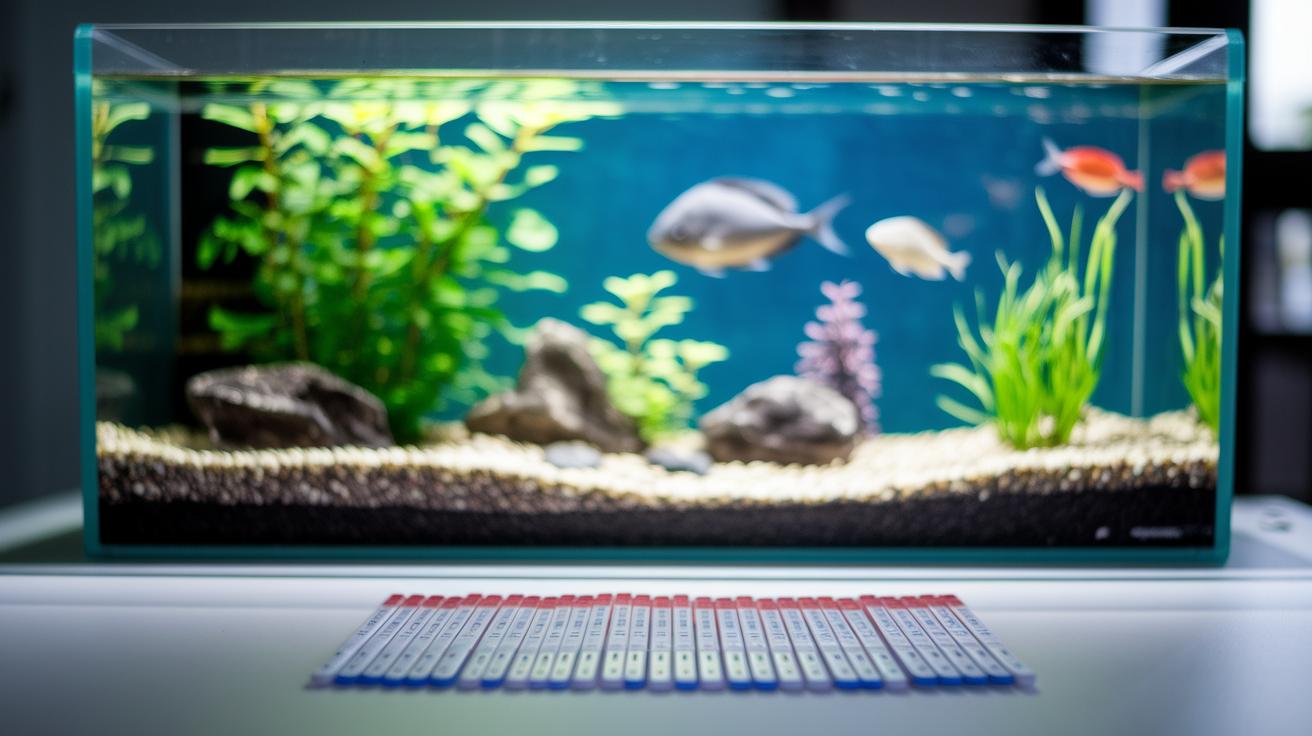
Test strips are a simple, friendly way to check several water basics at once, like pH, ammonia, nitrite, and nitrate. Many fish keepers love them because each test doesn't break the bank. They let you keep an eye on a bunch of details in one go. Just a heads-up: if these strips hang around in a damp spot for too long, they might not show the bright colors you’re expecting, kind of like a favorite fish photo that’s lost its sparkle.
Liquid Titration Kits
Liquid titration kits come complete with test tubes, reagent bottles, and droppers, making them perfect when you need a very accurate reading of one water quality factor. They really shine when you’re cycling your new tank or keeping a close watch on a specific chemical change. You get that precision by following the kit’s instructions carefully, each drop matters! And just as you keep your fish food in a cool, dry place, these kits do best when stored away from extreme temperatures or too much humidity.
Digital Water Analyzers
Digital water analyzers work with sensors to give you direct readings of things like pH or ammonia. They do cost a bit more upfront, but they’re a total win if you test your water a lot or if matching colors feels tricky sometimes. With a digital analyzer, you skip the guesswork of comparing shades, almost like having a smart little friend keeping an eye on your tank’s health all the time.
Frequency and Best Practices for Fish Tank Water Quality Test Kits
When your tank is all set up and running, give it a once-a-week water test. But if you see murky water or your fish start acting weird, it’s a good idea to check right away so you can catch any surprises early.
For new tanks that are still figuring things out, testing your water every day works best. This daily check helps you catch little changes in water chemistry before they become a big problem for your fish. Keeping up with regular water tests is key to maintaining a happy, healthy tank.
Try testing your water over a plain white surface and in natural light. This makes it easier to see the true colors, similar to noticing the gentle hues of a sunset. And don’t forget to write down your results; keeping a log in a notebook or on your computer helps you track changes over time.
Finally, store your reagent bottles and test strips in a sealed container when you’re not using them. This simple step protects them from humidity and helps maintain their accuracy for those important test days.
DIY Options vs Commercial Fish Tank Water Quality Test Kits
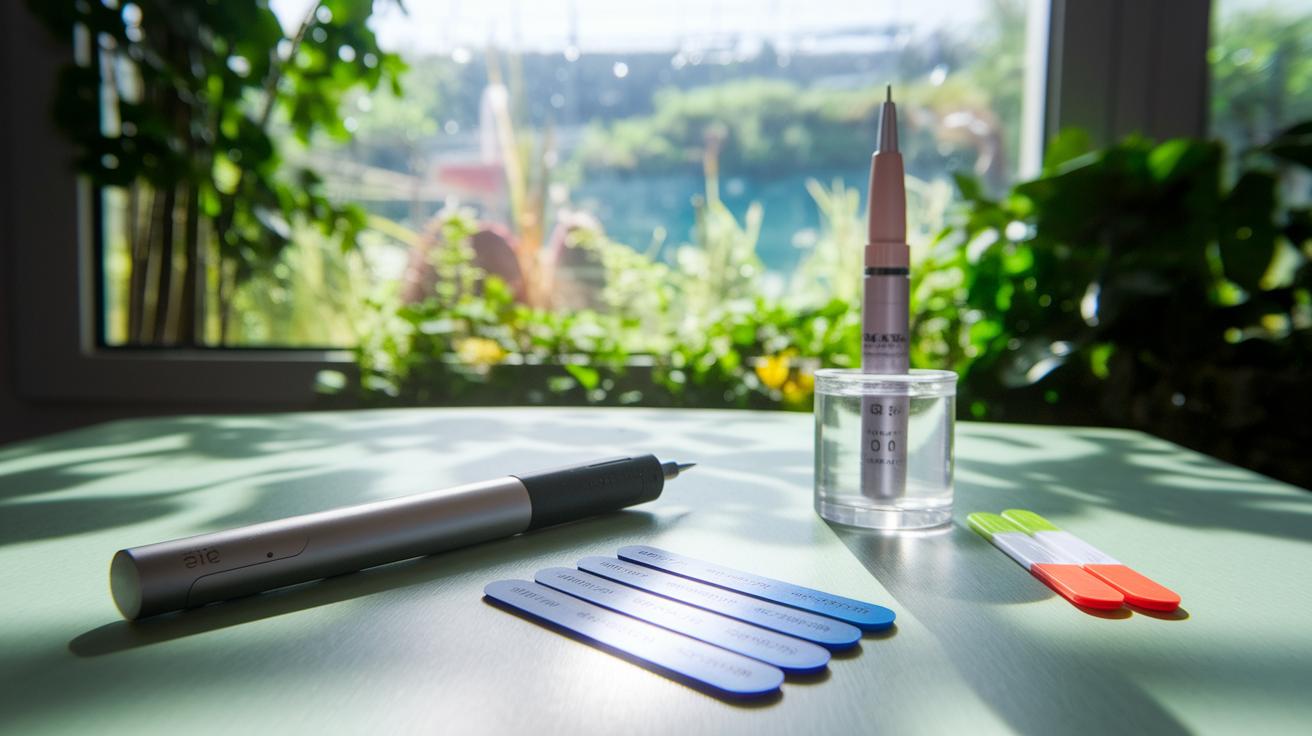
If you love keeping your tank in tip-top shape but don't want to break the bank, homemade water testing methods can be a friendly choice. Many fish enthusiasts use simple tools like pool test strips or pH pens, they’re easy to find and help you check your water basics without a lot of upfront spending. Sometimes, using everyday items becomes a creative, budget-friendly way to keep an eye on water clarity and balance. It almost feels like mixing a splash of art into your aquarium care!
On the flip side, commercial test kits offer a more polished approach with some nice extra features. They usually come with calibration details, special reagents for a narrow range, and the ability to test several water factors at once. What does that mean for you? More reliable and trustworthy results, so you can feel confident that your tank is safe and comfortable for your fish. It’s like having a detailed map when you’re exploring a new underwater world, everything is clearer, and you can relax knowing your aquatic pals are in good hands.
Troubleshooting Common Fish Tank Water Quality Test Kit Issues
Sometimes, your test strips might show colors that look washed out or just all over the place. This often happens when the chemicals are past their 6–12-month shelf life or have gotten a bit too damp. The best trick here is to check the expiration date every time and store the reagents in a cool, dry spot, kind of like keeping your favorite fish tank tidy. Taking a little extra care with storage can really save you from unexpected test surprises.
If your test results seem off, it could be because your test tubes are contaminated or the doses aren’t measured correctly. Before testing, give all your tools a good cleaning and take your time with the droppers to measure the right amount, think of it like following a simple recipe for a perfect underwater feast. This extra effort makes your testing more reliable.
And if you're having a hard time matching the colors on the chart, especially if your eyes don’t pick up the subtle shifts so easily, try a digital tester. Just make sure to calibrate it often by following the maker’s instructions. This little step helps you keep track of the key chemical levels in your tank, ensuring your aquatic pals continue to thrive.
Final Words
In the action, this guide broke down the world of fish tank water quality test kit options. We compared top choices like the API Master, NYOS Nitrate, and Hanna Digital, while walking through clear steps, kit types, and troubleshooting tips.
This clear roadmap helps you set up a neat underwater space. Regular testing and understanding your kit’s features keep your tank vibrant and fish happy. Enjoy creating and maintaining a safe and beautiful aquatic habitat!
FAQ
Frequently Asked Questions
Where can I find a good fish tank water quality test kit and which products are recommended?
When you search for a water test kit, local aquarium stores and online sites often carry quality options like the API Freshwater Master Test Kit and Tetra EasyStrips 6 in 1, both known for reliable results.
What is considered the best fish tank water quality test kit?
The API Freshwater Master Test Kit is praised as the best overall for cycling and monitoring key water parameters, while Tetra EasyStrips 6 in 1 is favored for convenience with multiple tests in one strip.
How reliable and accurate are DIY fish tank water quality test kits?
DIY kits can be a budget-friendly option, yet they often lack the multi-parameter precision found in commercial kits, so it’s wise to compare results with a professional test kit.
How do I check or test the quality of my aquarium water accurately?
To check water quality, collect a sample, add the proper reagents, wait the specified time, then compare the color against the chart or use a digital tester that gives instant numeric readings.
What differences exist among various API test kits like GH/KH, Freshwater pH, and 5 in 1 aquarium test strips?
API offers specialized options: the GH/KH kit measures water hardness, the Freshwater pH kit checks acidity levels, and the 5 in 1 strips cover multiple parameters, each designed for specific water metrics.
What are the advantages of using a digital aquarium water tester?
Digital water testers provide quick, clear numeric results and are especially helpful for those who find comparing colors challenging, making water quality monitoring more straightforward and reliable.