

Ever notice how your tank sometimes gets that green film after a water change? It’s not magic, it all comes down to a careful balance of nutrients.
When you swap out a bit of your water, you're taking away both extra goodies and waste that help feed algae. It’s a bit like adding just the right pinch of salt to your favorite soup: too little, and the flavor is off; too much, and it overwhelms everything.
In this chat, we'll dive into how gentle water changes can boost your plants and keep unwanted algae from taking over your underwater scene.
Key Steps to Balance Nutrients During Water Changes and Prevent Algae Blooms
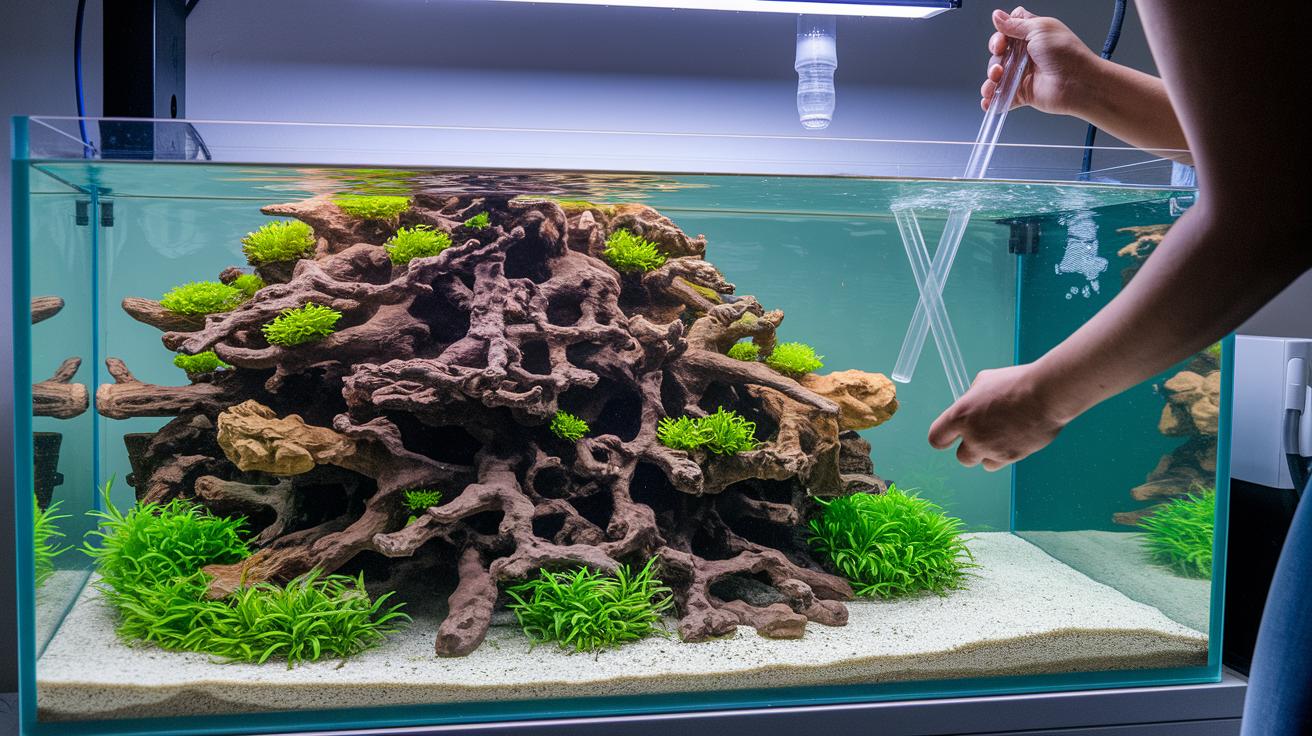
Keeping your aquarium balanced is super important. When you change the water, you're not just clearing out waste and extra nutrients, you’re also giving your plants a chance to thrive. Think of it like adding just the right pinch of salt to your favorite meal. Your tank is a little underwater orchestra where every ripple counts.
Take your time when changing the water. A slow, steady approach helps your plants feel safe and keeps the whole setup calm. It can be the difference between a tank that glows with life and one that gets overwhelmed by green scum.
- Water Change Volume: Swap out around 30% to 80% of your water each week to get rid of extra nutrients without startling your aquatic pals.
- Substrate Cleaning: Gently siphon the debris from the gravel to cut down on organic waste.
- Nutrient Testing: Regularly check your water’s nutrient levels so you can catch any imbalances before algae get a chance.
- Water Conditioning: When you refill, use water that matches the tank’s pH and temperature. This keeps your aquatic home nice and steady.
- Plant Feeding: Give your plants the right nutrients they need to absorb any extras, which in turn helps keep algae away.
Stick to these steps, and you'll create a system that feels both refreshing and well-guarded. Each step helps stop algae in its tracks by keeping your nutrients just right and your plants strong. For more tips on keeping algae under control, check out the guide at https://sweetfysh.com?p=3385.
Diagnostic Water Evaluations for Nutrient Balance During Water Changes
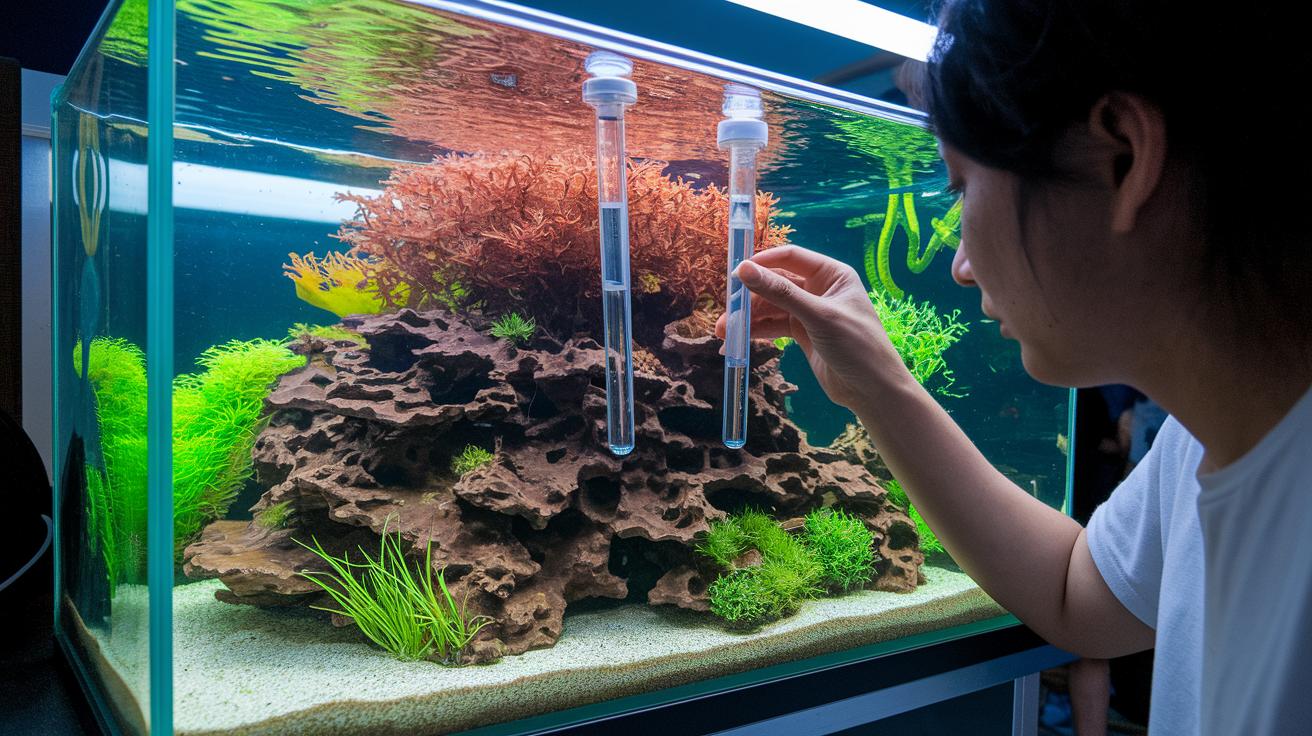
Testing your tank's water is like giving it a gentle checkup before and after a water change. This helps make sure every part of your aquatic world is balanced and happy. Think of it as checking your bike tires before a long ride, you don’t want surprises along the way.
By testing for things like nitrate, phosphate, pH, and temperature, you get a clear picture of your tank’s health. Nitrate and phosphate are like the nutrients your plants and bacteria need, while pH tells you how acidic or basic your water is. Temperature, of course, shows if the water is just right for your fish. Keeping a regular check means you can catch tiny shifts before they turn into big, unwelcome algae blooms.
| Parameter | Ideal Range | Test Frequency |
|---|---|---|
| Nitrate | 5–20 ppm | Weekly |
| Phosphate | Below 0.5 ppm | Weekly |
| pH | 6.5–7.5 | Weekly |
| Temperature | 75–80 °F | Weekly |
After you have your readings, adjust your water change routines to fit those numbers. If something slips out of its ideal range, try tweaking your water treatments a bit. This careful routine keeps your tank balanced and helps prevent algae from taking over. It’s all about keeping things running as smoothly as the gentle ripple over a quiet pond.
Scheduled Controlled Water Changes to Limit Surplus Nutrients
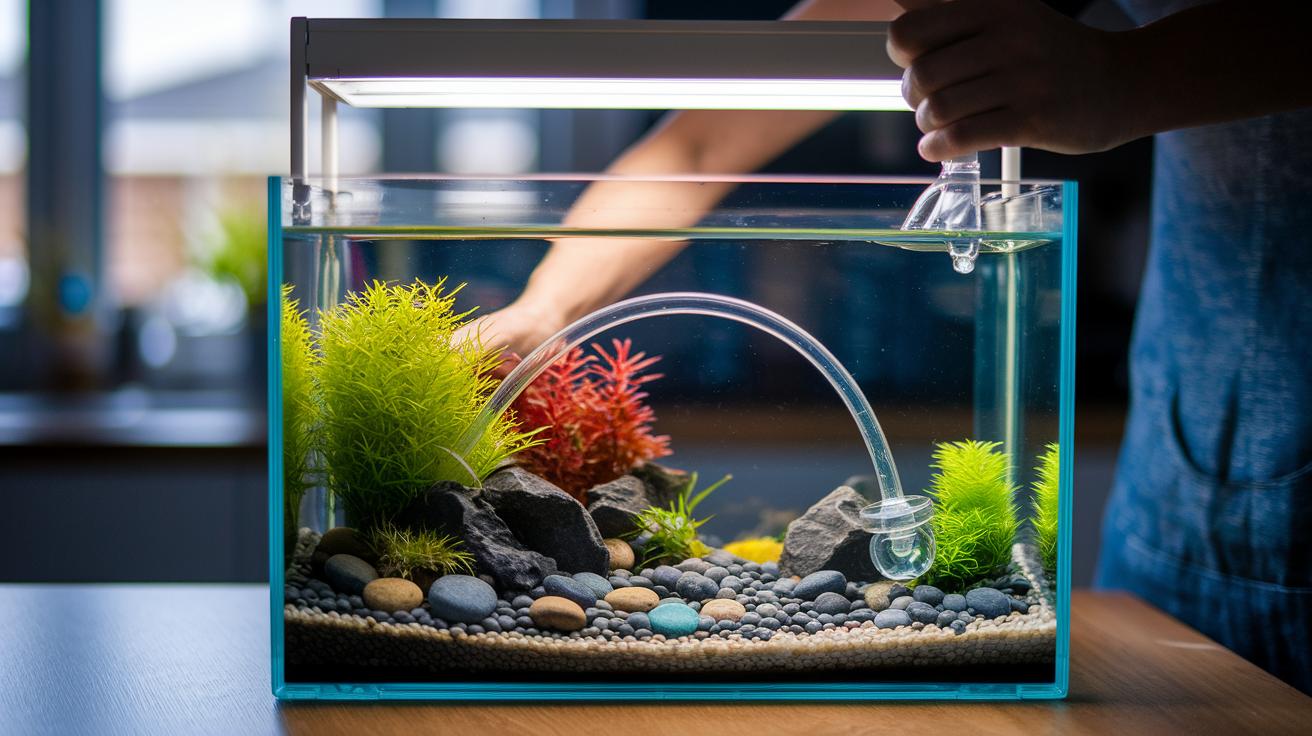
If your tank is already set up nicely, aim to change 30–50% of its water every week. For tanks packed with extra nutrients, you might even need to refresh up to 80%. It’s like slowly stirring in a bit of fresh water so everything blends nicely, just imagine adding a small splash of juice to a glass of water until the flavor evens out.
Next, get your replacement water ready by pre-conditioning it to match your tank’s temperature and pH. This little step makes sure you don’t shock your aquatic friends. Think of it like setting the perfect water temperature for a relaxing bath where even the small changes count.
When it’s time for the water change, follow a safe, step-by-step process. Gently remove the old water while slowly pouring in the new mix to keep the balance just right. And if you want a bit more guidance, check out the detailed instructions in how to maintain fish tank chemistry during maintenance to make sure every step flows smoothly.
Nutrient Supplementation and Dosing Routines During Water Changes
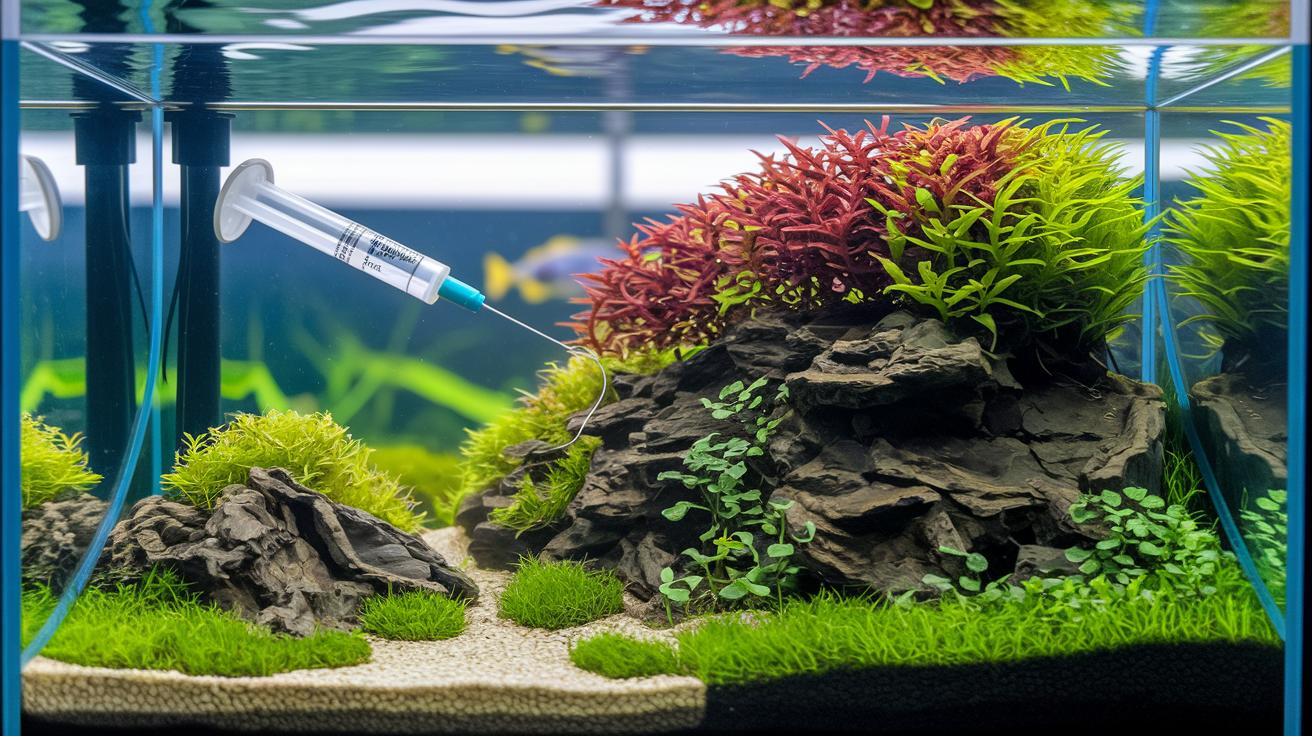
After you change the water in your tank, it's important to add back the lost nutrients so your fish and plants can thrive. Start with the big ones, nitrate, phosphate, and potassium, and use a dose around the 10:1:20 ratio. Think of it like preparing a hearty meal for your aquarium, where each ingredient plays its part to keep everything in balance. Every month, a tiny boost of trace elements helps keep your tank stable and wards off unwanted algae, much like a gentle current preserving the calm of a quiet pond.
When it comes to adding these nutrients, a little extra care goes a long way. Use precise tools to measure each dose so you don't accidentally tip the balance. Too much of even a good thing can upset the helpful microbes and lead to algae blooms. Double-check your measurements, just like a chef might taste a soup to make sure it's just right. By following these steps, you keep your tank's world clear, vibrant, and as inviting as a sparkling stream on a sunny day.
Live Plant Uptake and Substrate Management for Water Change Nutrient Control
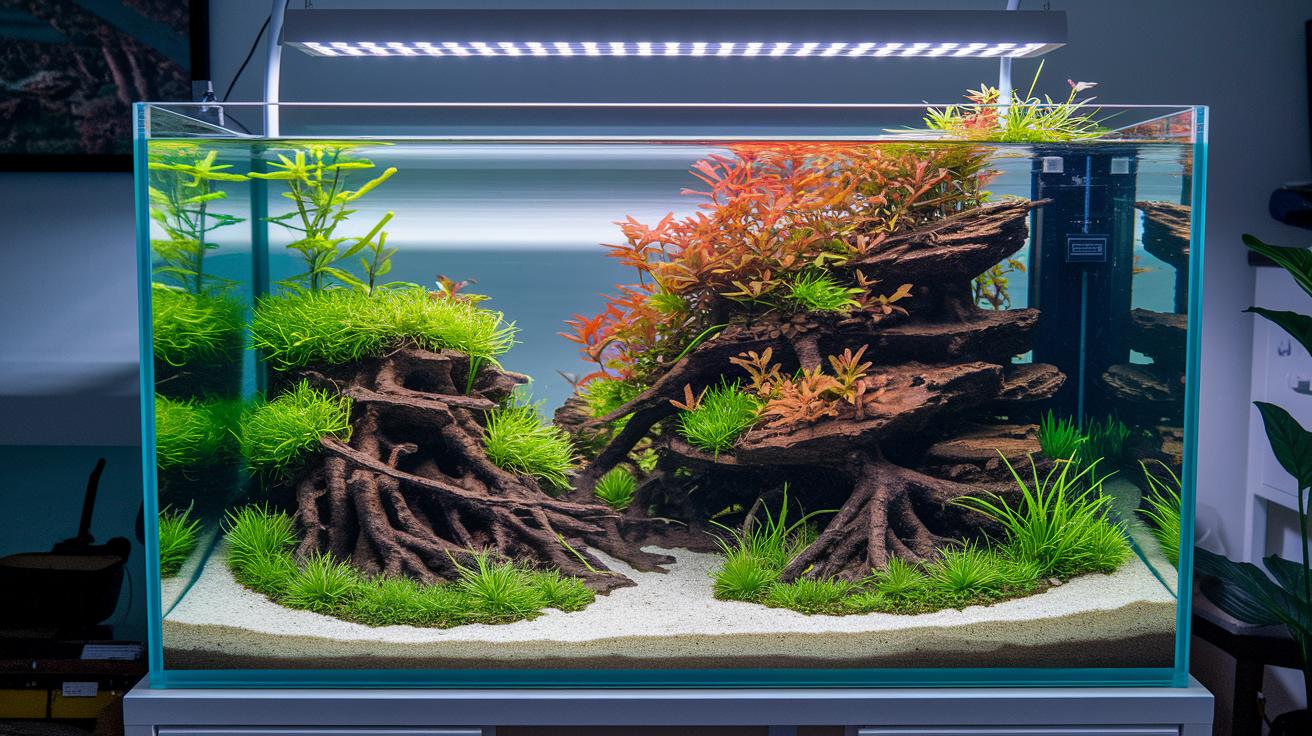
Rich aquasoil is like a soft, natural sponge. It holds onto nitrogen and phosphorus, keeping them snug below the surface until your plants are ready to use them. Imagine your substrate as a secret keeper of nutrients, quietly saving away exactly what your green friends need when it's time to feast.
When your tank’s bottom is covered almost entirely with plants, they quickly soak up any extra nutrients. This means there isn’t much left for algae to grab onto. It’s much like wrapping every corner of a room in a lush, green blanket, a simple, effective way to keep your aquarium bright and free from unwanted blooms.
Keeping a healthy mix of tiny, helpful microbes is just as important. When these friendly bacteria thrive, they break down organic waste and keep the nutrient cycle flowing smoothly like the gentle current of water in your favorite tank. If your plants are a bit sparse, think of it like having fewer cleaners on duty, you’d need to pay extra attention to manage the nutrients properly. This careful balance creates an inviting, calm space where everything can thrive.
Integrating Lighting and Circulation with Nutrient Balance in Water Changes

When you change your water while setting the perfect lighting, your tank feels calm and lively. Running your lights for 8–10 hours each day and adding the right dose of nutrients is like setting the perfect room temperature. Too much light without a proper nutrient balance can leave your plants struggling, almost like not watering them enough or overdoing it.
Using air stones or powerheads keeps the water gently moving, much like a small, steady stream flowing through your tank. This constant movement helps push away debris and spreads nutrients evenly, all while keeping blue-green algae at bay.
Adding a steady dose of carbon dioxide also helps your plants soak up nutrients better. It’s a bit like sprinkling a pinch of spice on your meal to bring out the flavor. When lighting, circulation, and CO2 come together, your tank becomes a robust, thriving mini-ocean where both plants and fish can flourish.
Targeted Interventions for Persistent Algae During Water Change Cycles
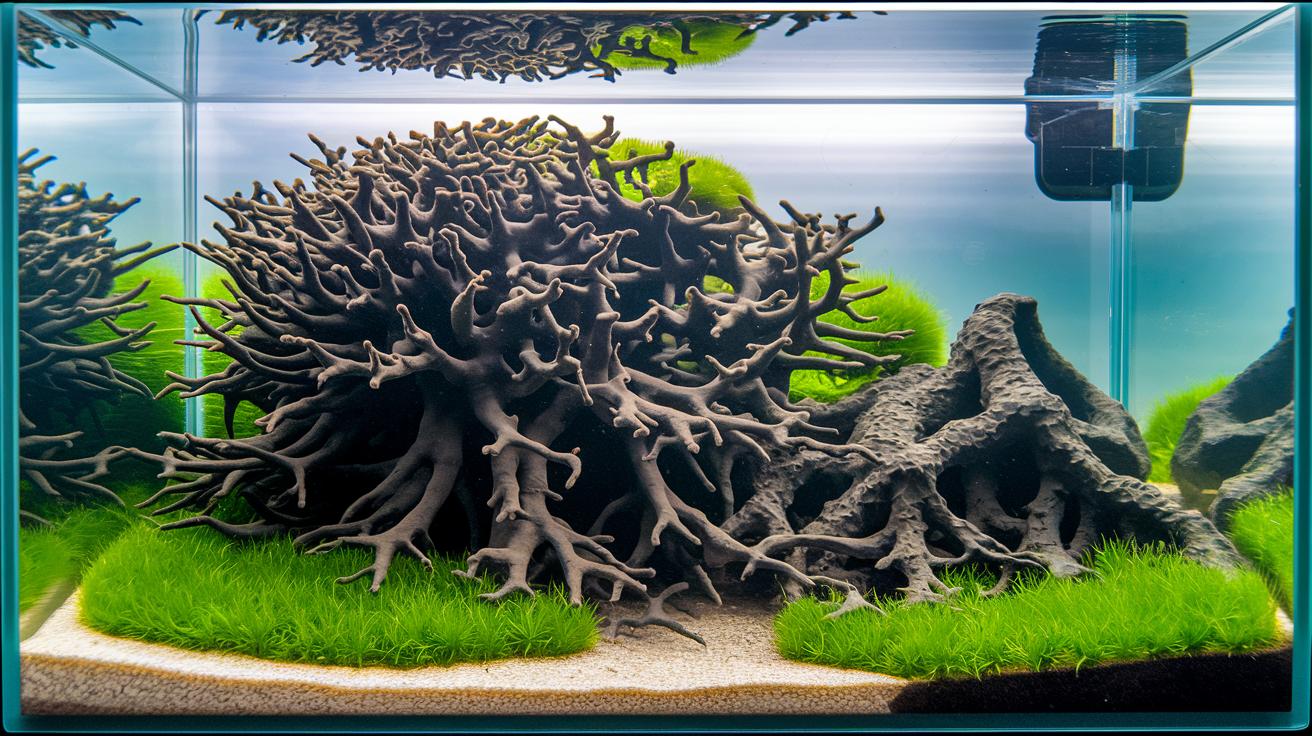
Black beard algae and hair algae tend to cling to driftwood, decor, and plants like stubborn barnacles on an old ship. They form thick patches that are really tough to shake off, and not many fish or shrimp are interested in munching on them. A bit of regular hand-cleaning, a careful check on iron levels, and playing around with the light cycle can make a big difference.
Green spot algae can be just as feisty. They show up as tiny, hard dots on your tank surfaces. On a glass tank, you can gently scrape them away with a razor blade, and if you have an acrylic tank, a gift card works just as well. Even when your nutrients look good on paper, these spots sometimes need a little extra effort to be managed.
When algae problems stick around even after you’ve balanced your nutrients, it’s time to try a mix of strategies. Turning off the lights to create a blackout for about a week can help clear out that green water. A UV sterilizer might kick out any slimy, blanket-like growth in just a couple of days. Plus, inviting a clean-up crew, like Siamese algae eaters or Amano shrimp, can help keep any lingering algae in check, giving your healthy plants a chance to shine.
Final Words
in the action, we explored simple steps to create a thriving aquarium. We touched on testing water quality, safe exchanges, precise dosing, and the magic of live plants working together with proper circulation. Each part helps keep your tank clear and inviting. Remember, figuring out how to balance nutrients during water changes to prevent algae blooms can make your underwater world look as lively and balanced as a serene, flowing stream. Keep experimenting and enjoy the calming pulse of your aquatic haven!
FAQ
How to prevent algal blooms in lakes, fish tanks, and oceans?
Preventing algal blooms involves keeping a careful balance of nutrients by doing regular water changes, cleaning the substrate, using well-fed plants, and avoiding leftover organic waste that feeds the algae.
How to stop or naturally get rid of algae in a fish tank?
Stopping algae naturally means removing affected areas by hand, doing partial water changes, cleaning the tank’s substrate, and introducing natural algae eaters or plants that help keep algae levels low.
What are the best plants and natural options for algae control in an aquarium?
The best choices often include live plants like java moss, hornwort, and anacharis, which absorb extra nutrients. These plants reduce the food available for algae, leading to a clearer, balanced tank.
What types of algae appear in aquariums?
Aquariums can show various algae such as green spot, blue-green, black beard, and hair algae, each with different textures and growth patterns that may require specific cleaning or treatment approaches.
Do water changes help reduce algae blooms?
Water changes help by removing excess nutrients and waste that feed algae. Regular partial water renewals support a healthier balance, making the environment less favorable for rapid algae growth.
What are two ways to reduce algal blooms in freshwater, and which nutrients often fuel these blooms?
Two effective methods include regular water changes and thorough substrate cleaning. Excess nitrates and phosphates usually fuel blooms, so keeping these nutrients low helps maintain a balanced aquatic environment.