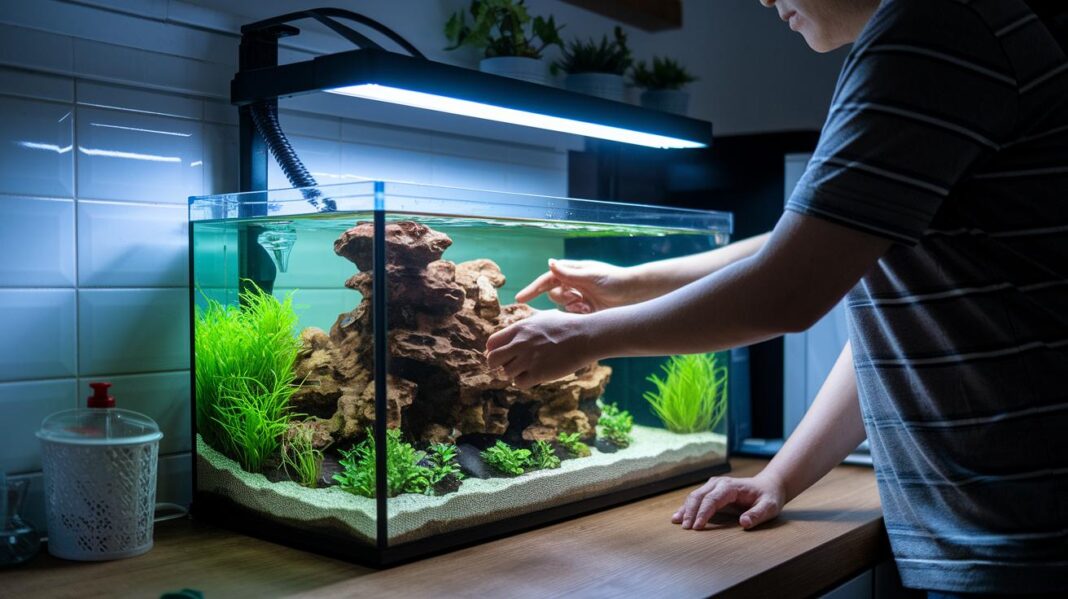

Have you ever wondered if cleaning your filter is more hassle than help? Think again. Keeping your filter pristine and your water fresh gives your fish a safer, cleaner home, kind of like giving them a refreshing dip in a cool stream.
It’s really simple. Just check your water often, give your filter a little TLC, and swap out the water regularly. Little steps like these help keep your tank sparkling and your fish swimming happily.
Next time you glance at your aquarium, remember that a bit of care goes a long way. Your fish will thank you, and watching them swim around in a clear, healthy tank is a joy all its own!
Comprehensive Step-by-Step Guide to Cleaning Filters and Water Change Routines

Keeping your aquarium in shape is a bit like caring for a little underwater world. When you take time to clean your filter and change your water, you help your fish stay happy, your plants grow strong, and your water remain clear and healthy.
- Start by testing your water with a good kit. Make sure ammonia and nitrites read 0 ppm and that nitrates stay below 40 ppm. This helps you know that everything is balanced.
- Next, drain about 20%–30% of the water from your tank, or 30%–50% if your tank is smaller or has a lot of fish. This step helps remove extra debris and pollutants.
- Carefully take out the filter media and rinse it with water from your tank. Don’t use tap water, since that can wash away the helpful bacteria that your aquarium needs.
- Then, use a gravel vacuum to gently clean the bottom of your tank. It’s like giving your substrate a refreshing mop without disturbing the beneficial bacteria too much.
- Refill your tank with fresh, dechlorinated water. If you need to, let tap water sit for about 24 hours to remove the chlorine, and warm it up to match your tank’s temperature.
- If required, add a water conditioner. This makes sure the new water blends in smoothly with the water already in your aquarium.
- Finally, turn on your filter, heater, and pump. Look over your equipment to be sure everything is running nicely, like a steady stream.
For tanks of different sizes, you might need to tweak your routine a bit. In smaller tanks or tanks with a tight space, you might want to change more water each time to help with faster evaporation and a higher number of fish. Adjusting your cleaning steps like this can give your water that extra boost of freshness.
When you have lots of fish or many plants, your tank might create more waste than usual. In these cases, testing your water more often and doing small, careful cleanings can help keep everything in balance. Regular checks and little clean-ups work together to keep your tank a calm, happy home for your aquatic friends.
Filter Cleaning Techniques for Sponge, Hang-on-Back, and Canister Filters

Every filter has its own personality and needs a gentle cleaning routine to keep both your fish and the helpful bacteria happy. Each filter, whether it’s a tiny sponge or a larger canister, plays a big role in keeping waste levels low. For instance, nano sponge filters are best rinsed every month, while canister filters might only need attention every three to six months. The differences in design mean that debris builds up in unique ways, and that’s why the cleaning methods change.
Sponge Filter Cleaning
Nano sponge filters are all about balance and care. Start by soaking the sponge in a bucket filled with freshly removed tank water. This water is free of chlorine and keeps the good bacteria safe. Gently squeeze the sponge to ease out any trapped debris, imagine carefully wringing out a wet cloth without damaging it. Even the lightest mishandling might unsettle the bacteria that work hard to keep your tank crystal clear.
Hang-on-Back Filter Maintenance
With hang-on-back filters, you begin by removing the cartridge for a closer look. Rinse it with tank water to wash away grime while you check the impeller for any buildup. If you spot any worn or overly dirty parts, swap them out. Simple tools like media brushes can help you reach those snug corners, and filter-safe tweezers come in handy for precise cleaning. This careful routine keeps the filter’s flow steady and your tank sparkling.
Canister Filter Service
Canister filters are a bit more hands-on. Open up the unit and carefully remove each layer of media. Rinse them in your reserved tank water, making sure to handle them softly so you don’t scrub the beneficial bacteria away. Take a moment to inspect the seals, gaskets, and internal pipes for any signs of debris. Using appropriate cleaning tools can make sure every crevice gets the attention it needs.
Remember, nano sponge filters usually need a monthly touch-up, while hang-on-back and canister filters can wait three to six months between services, though this might change if you have a heavy fish load or extra debris. Enjoy the process and watch your underwater world flourish!
Establishing an Effective Water Change Schedule and Techniques

Keeping your tank clean is key to a happy home for your fish and plants. Regular water changes help keep the water stable and stress-free. By doing water changes at steady intervals, your aquatic buddies feel more at ease, and your water stays balanced. It’s also smart to test your water often to make sure ammonia and nitrite levels are at 0 ppm and nitrates stay below 40 ppm.
Get started by setting up your siphon hose and an aquarium-only bucket ahead of time, kind of like laying out your favorite fishing gear before a relaxing day by the lake. Each week, try to remove about 20%–30% of the water from your tank, but if your tank is smaller or evaporates water quickly, up that amount to 30%–50%. When you add new tap water, let it sit for a full day so the chlorine can fade away, much like letting your tea steep until it’s just right.
When it’s time to refill, add the new water slowly to help your fish adjust naturally. Make a schedule based on how many fish you have, how many plants fill your tank, and how much water evaporates so that your routine stays smooth and effective.
Protecting Beneficial Bacteria and Troubleshooting Common Pitfalls in Filter Cleaning and Water Changes
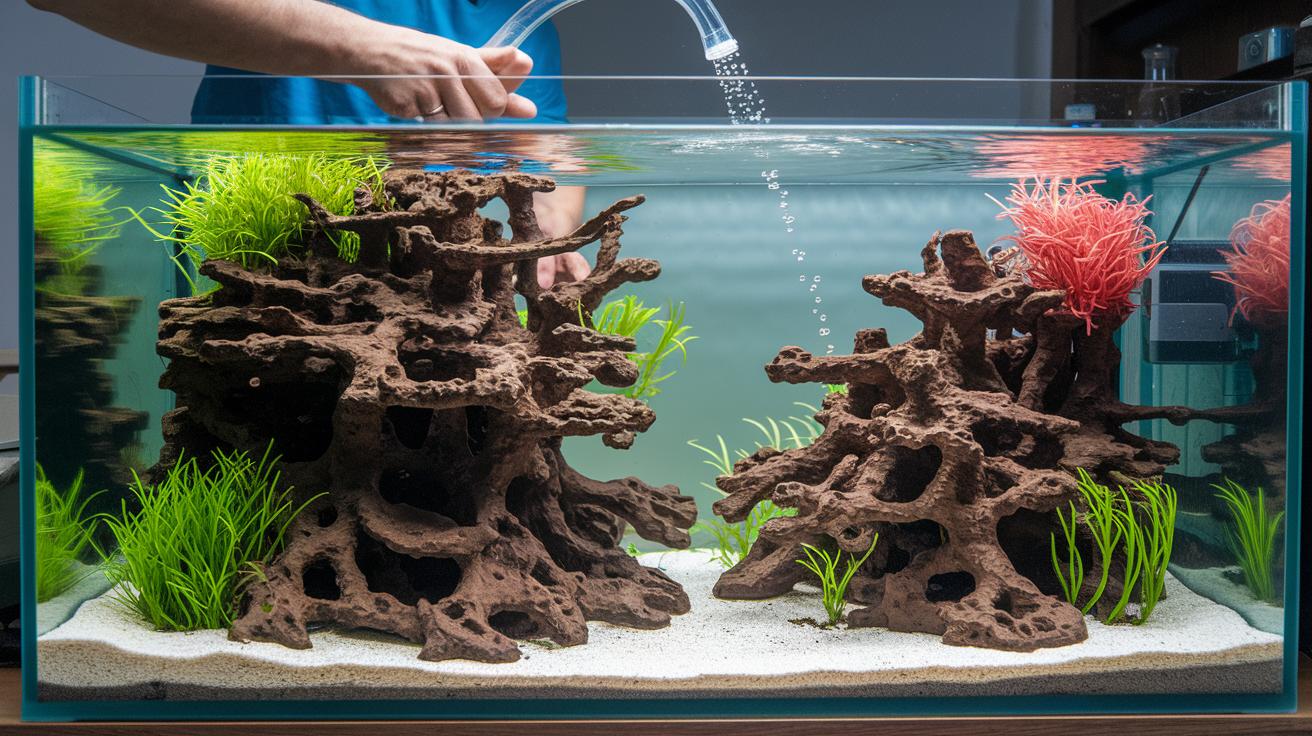
Taking care of your aquarium is a bit like watching a calm stream, each part needs a little attention. The tiny bacteria hiding in your filter media work hard to keep the nitrogen cycle steady so your fish can feel safe. Instead of cleaning everything at once, try doing one thing at a time. For example, you could clean one part of your filter each month, change a bit of water every week, and vacuum the gravel every two weeks. This gentle approach helps keep the good bacteria happy, kind of like giving each life a chance to shine.
Here are five friendly tips to help you spot and fix common issues:
- If your filter’s flow gets low, it might be time to gently rinse the media using some of your tank’s water.
- When you see the water turn cloudy after a change, it could just be leftover waste. Hang tight and let things settle for a few hours.
- Spotting a sudden spike in nitrates? That might be your cue to adjust your water change routine.
- If algae keep coming back, your tank might be getting a bit too many nutrients.
- And if your fish start acting strangely, it could mean your cleaning routine has upset their little world.
Each of these steps helps protect your aquarium’s natural balance, keeping the water clear and your fish feeling cozy and content.
Essential Tools, Safety Tips, and Eco-Friendly Practices for Cleaning Filters and Water Change Routines

When you’re ready to refresh your aquarium, having the right tools and a few safety tips can make the task as smooth as a gentle ripple on a quiet pond. Here’s a friendly checklist to help you take care of your underwater haven:
- A scraper that sweeps away algae from the tank walls and decor, keeping surfaces clear.
- Gentle brushes for cleaning filter media without disturbing the helpful bacteria that make your water sparkle.
- A gravel vacuum to carefully lift waste from the substrate while leaving your plant roots undisturbed.
- A water testing kit to easily check ammonia, nitrite, and nitrate levels, ensuring your water stays balanced.
- Microfiber towels to dry equipment and gently wipe down surfaces, much like patting a soft pebble.
- Safety gloves to protect your hands while you work.
- Always unplug pumps and heaters before doing any cleaning, just like turning off a light switch before fixing something.
- Use natural dechlorinators and conditioners that are free of phosphates and heavy metals. You might also check out eco-friendly tips at "natural ways to maintain a clean pet environment" (https://ribbon.co?p=5491).
Switching your routine to reuse the water you remove can be a smart way to care for nature. Instead of letting water go to waste, repurpose it for your indoor or outdoor plants. This not only saves water but also brings a little extra green into your life, much like a well-tended garden by a calm lake. By using natural products and these practical tools, you’re giving your fish a healthy home and doing a kind bit for the planet. Isn’t it amazing how a few thoughtful changes can make waves both in your tank and in nature?
Final Words
In the action, we walked through the steps that make cleaning filters and water change routines work best. We covered water percent guidelines, filtered media care, and the right tools for a smooth routine.
This guide helped show how each task keeps your tank vibrant by protecting good bacteria and managing water quality. The practical tips for filter care, water changes, and troubleshooting create a roadmap for a thriving aquatic setup. Enjoy watching your underwater world flourish with your dedicated care!
FAQ
What are effective cleaning filters and water change routines for aquariums?
The cleaning filters and water change routines involve weekly maintenance such as changing 20–30% of the water and gently rinsing filter media in old tank water to protect beneficial bacteria and keep the tank balanced.
How do you perform a partial water change in a fish tank?
The partial water change process includes siphoning off around 20–30% of the tank water and refilling with dechlorinated, temperature-matched water to remove waste without stressing your fish.
How can you keep a fish tank clean without changing the water?
The technique to keep a fish tank clean without routine water changes centers on running an efficient filter, regular substrate vacuuming, and removing debris, though periodic water changes are still advised for optimal water quality.
How do you change water in a fish tank without harming fish?
The method for a safe water change in a fish tank entails matching new water temperature, treating it to remove chlorine, and adding it slowly so fish can acclimate, thereby avoiding sudden shocks.
How do beginners effectively clean a fish tank?
The beginner’s approach to cleaning a fish tank starts with gentle glass scrubbing, careful decoration removal, and using a gravel vacuum along with partial water changes to keep the tank fresh and healthy.
How often should you change the water in a fish tank with a filter?
The recommended frequency for a tank with a filter is weekly water changes of 20–30%, which helps maintain balanced nutrients and facilitates a healthy, stable environment for your aquatic pets.
How often should a filter be cleaned in your aquarium?
The filter cleaning schedule typically suggests cleaning every one to two months, though adjustments may be needed based on your tank’s bioload, helping to sustain strong water flow and optimal filtration.
Can changing aquarium water too frequently be a problem?
The process of excessive water changes may unsettle the beneficial bacteria, so routine partial changes are important to maintain a balanced nitrogen cycle without causing disruptive fluctuations.
Can water filters be cleaned and reused?
The cleaning and reuse of water filters is possible by gently rinsing the set media in some tank water during maintenance, which helps keep essential bacteria intact while ensuring the filter continues working efficiently.