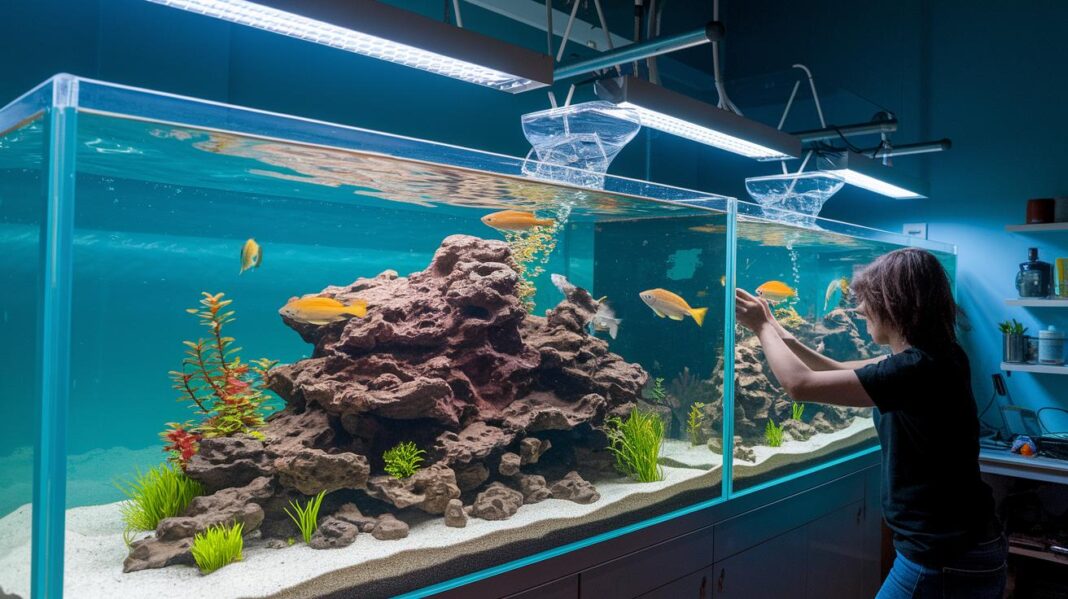

Have you ever felt like your aquarium isn’t quite right? A little water change can work wonders, like a cool current on a warm day. Instead of a big overhaul, swapping just a bit of water clears out waste, keeping your fish and plants upbeat and thriving.
Picture it as a gentle cleaning for your underwater world. In this guide, we'll chat about simple ways to measure and mix fresh water so that your tank remains safe and in perfect harmony for all your aquatic friends.
Core Dilution Methods for Aquarium Water Changes

Imagine your tank as a little underwater world that needs a bit of refreshment every now and then. Dilution is like giving your aquarium a gentle rinse by replacing part of the water regularly. For example, in a 50-gallon tank, swapping out 20% of the water each week can remove a lot of built-up waste such as ammonia, nitrate, and phosphate. Even a few gallons of fresh water can be a real game-changer for your tank’s balance.
Regular testing is your best friend here. You want to see ammonia and nitrites at 0 parts per million, and nitrates below 40 parts per million. This routine check is like listening to the soft murmur of your tank’s heartbeat, it shows that your dilution plan is working well. And if you're using tap water, let it sit for about 24 hours so the chlorine evaporates, keeping your aquarium’s delicate balance just right.
The secret to effective waste control is in both the amount of water you change and how often you do it. A weekly change of 20 to 30 percent is usually the sweet spot for most tanks. It keeps the water feel fresh and prevents too many extra nutrients, which can feed unwanted algae like a garden overrun by weeds.
By following these time-tested steps, you ensure your aquarium stays a safe, vibrant, and cozy place for your fish and plants. Regular water replacements do more than clean out waste, they create a nurturing environment where your aquatic friends can thrive. Isn't it nice to know that a little care goes a long way in keeping your underwater world in perfect harmony?
Calculating Dilution Ratios and Mixing Guidelines

When you're getting ready for a water change, the first step is to figure out how much fresh water you need. It's as simple as taking your tank's total volume and multiplying it by the percentage of water you plan to replace. For instance, if your tank holds 50 gallons and you want to change 20% of it, you add 10 gallons of new water. This setup gives you an 80:20 mix, 80% old water and 20% new.
This straightforward method lets you see exactly what percentage of water is being refreshed, which helps keep your aquatic buddies comfortable. Remember, tap water sometimes has chlorine or other chemicals, so it’s wise to let the water sit for about 24 hours to allow the chlorine to dissipate, or simply use a water conditioner. That way, your tank friends get a smooth transition.
A little tip from my own experience: mixing water for your tank is a bit like whipping up a perfect batch of lemonade, if you add too much of one ingredient, you might spoil the whole flavor.
| Tank Volume (gal) | Change (%) | New Water (gal) | Dilution Factor |
|---|---|---|---|
| 10 | 20 | 2 | 5:1 |
| 30 | 25 | 7.5 | 3:1 |
| 50 | 20 | 10 | 4:1 |
| 75 | 30 | 22.5 | 2.3:1 |
Step-by-Step Guide to Applying Dilution Techniques Safely
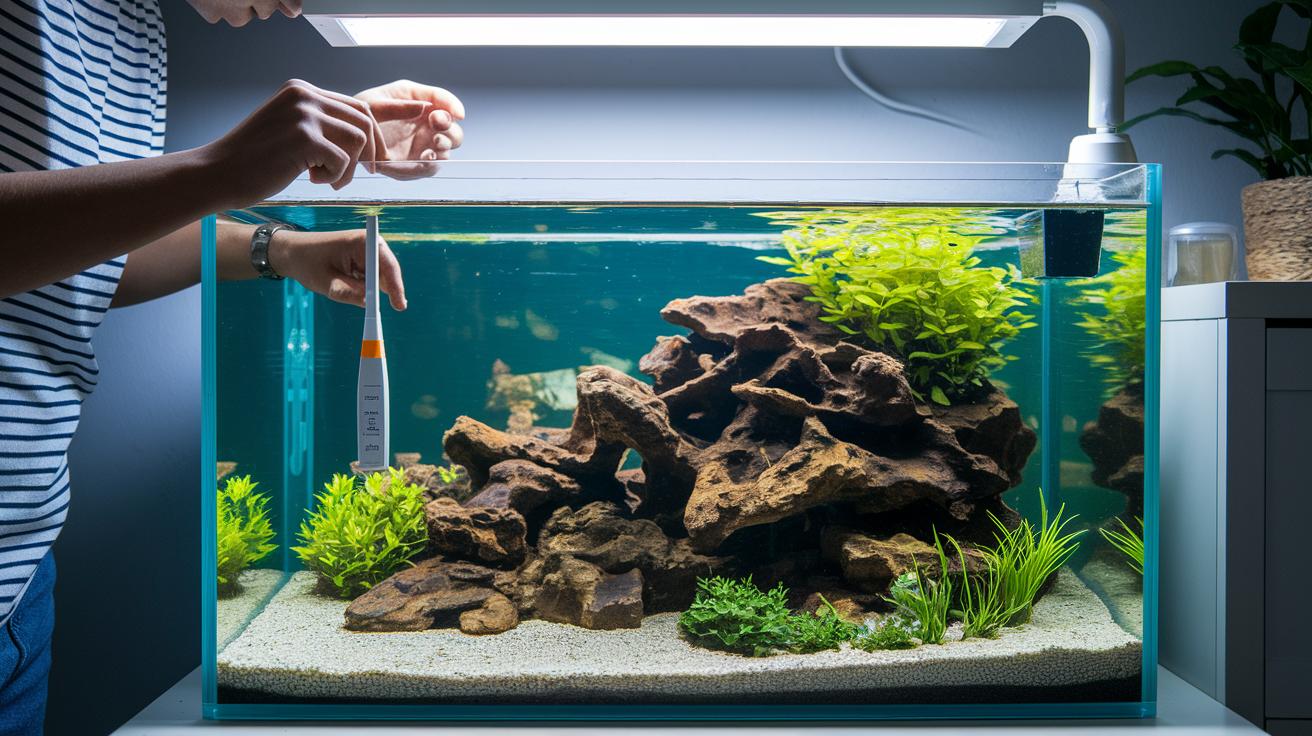
Testing and getting your aquarium water just right is like laying the perfect foundation for a calm underwater world. Start by looking at your water’s vital numbers, remember, ammonia and nitrites should always be at 0, and nitrates should stay under 40. Taking a gentle, mindful approach will keep your fish and plants happy, and a little extra care really goes a long way.
Here’s a simple list of steps to help guide you through a safe dilution water change:
-
Test and record your water’s condition
Grab your test kit and check each important number. Jot down your readings so you know exactly how your tank is doing before you make any changes. -
Prepare your replacement water
Let tap water sit for about 24 hours so that chlorine can naturally fade, or use a dechlorinator if you’re in a hurry. Also, adjust the water’s temperature so it’s within 5°F of your tank’s water, this helps avoid shocking your fish. -
Remove algae and debris
Use an algae scraper and a soft brush to gently wipe dirt and algae from the tank walls and decorations. It’s like tidying up your cozy home without disrupting its natural balance. -
Vacuum the gravel
With a siphon in hand, slowly clean the gravel to pick up any hidden waste. Take it slow to keep the water gently steady. -
Rinse the filter media with tank water
Clean your filter parts with some water from your tank. This helps save the good bacteria that work hard to keep harmful compounds in check. -
Remove the right amount of old water
Follow your calculated guidelines to take out just the right volume. Think of it as mixing the perfect recipe, a balanced blend to keep the chemical makeup just right. -
Add new water slowly
Gradually drip in the fresh water so there’s no sudden change in pH or temperature. Your fish and plants will thank you for such a gentle approach. -
Reconnect equipment and double-check everything
Once your water change is complete, plug your filter, heater, and other gear back in. Make sure each piece is working properly, keeping your tank’s rhythm steady.
Following these steps is like giving your aquarium a refreshing, well-planned bath. It keeps everything in harmony while ensuring your aquatic friends feel safe and content.
Benefits and Risks of Dilution Methods in Aquarium Water Changes

Ever notice how a change in your aquarium water feels like a gentle ripple in a calm pond? Diluting your water can be a game changer for keeping your tank balanced, yet it's good to know when things might need a little extra care.
| Benefits | Risks |
|---|---|
|
• Helps lower extra nutrient levels • Keeps algae from taking over • Clears out chlorine that can harm the good bacteria |
• Too many changes might upset the natural cycle • Shifts in temperature over 5°F can stress your fish • Doing too much at once might remove bacteria you need |
For more details on these tips, check out the Core Dilution Methods, Calculating Dilution Ratios and Mixing Guidelines, and the Step-by-Step Guide sections.
Practical Tips for Sustainable Aquarium Dilution Practices

Keeping up with water changes is a simple way to ensure your tank stays calm and balanced, like a smooth current in a quiet stream. Sticking to a weekly routine, changing 20 to 30% of your water, helps keep your fish feeling secure without shocking them with too much change at once. Using water conditioners that have trace elements is like giving a little bonus to your tank, balancing out what gets lost during the swap.
A neat trick is to store your pre-treated water in food-grade, covered containers. This keeps it clean and free from unwanted bits, similar to tidying up your underwater garden. It's also smart to maintain a log where you jot down the water volumes you change and note down any details about water quality. Over time, this record can help you see small improvements that add up to a healthier habitat.
You might also consider fresh, eco-friendly ideas to boost your routine. For instance, using multi-tank systems or automated top-off units can cut down on waste and lighten your workload. It's like having a little helper that keeps the water flowing gently without you having to worry too much.
For those watching the purse strings, regular upkeep not only avoids big, unexpected repairs but also saves money by preventing stress on your tank. And if you need a handy guide, check out the maintenance checklist for aquarium water quality, a great way to keep your practices both green and efficient.
Final Words
In the action, this article shows how to keep your tank clean by replacing water to lower waste levels safely. It covers clear steps to calculate volumes, test water, and add new water slowly to protect your fish and plants. You now have a solid grasp on understanding dilution methods in aquarium water changes and a plan for maintaining a balanced aquatic environment. Enjoy the smooth rhythm of taking care of your underwater world.