
Ever wonder if you're changing your fish water too often? Fresh water works like a gentle ripple, cleaning your tank and washing away unwanted bits. This guide answers your questions about how often and how much water to replace, making it easy to understand.
A little water change can help keep your tank’s pH balanced and the oxygen levels high. It also stops build-ups that might harm your fish. Stick with us for simple tips to keep your underwater world vibrant and cozy for every finned friend.
Common FAQs on Aquarium Water Changes
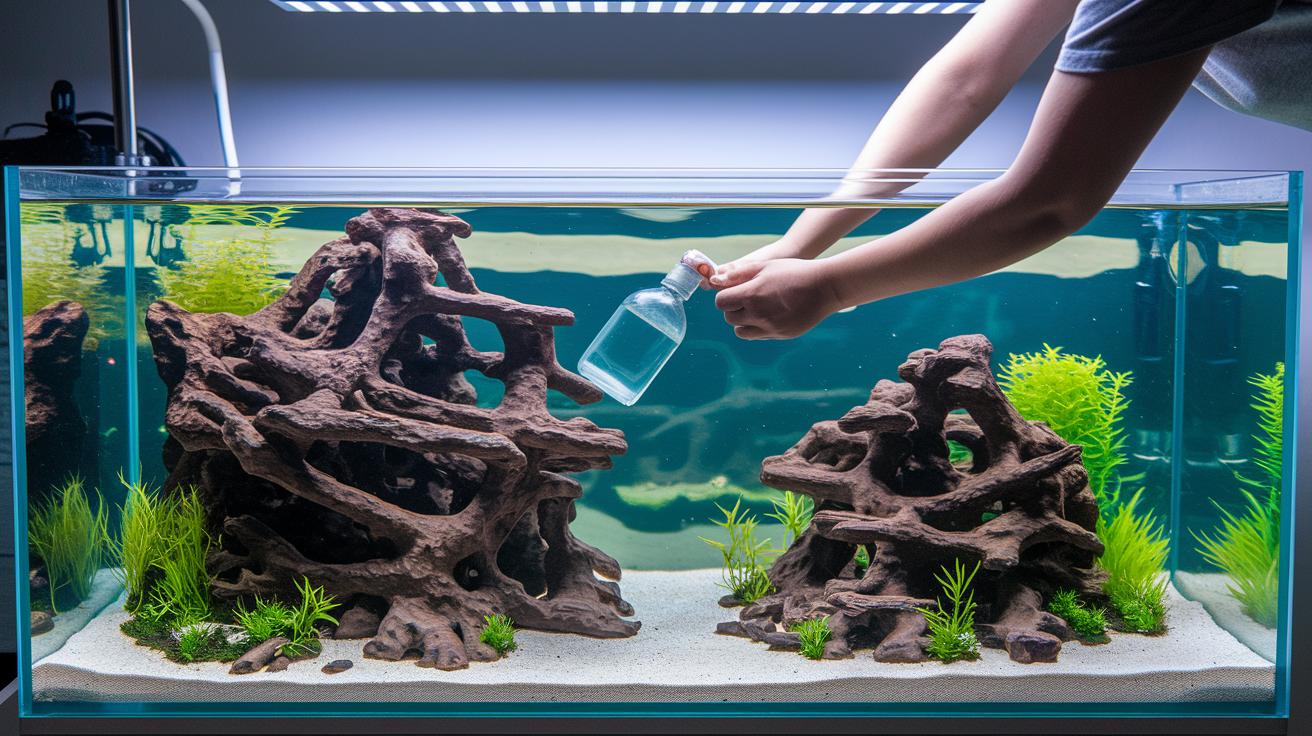
Keeping your aquarium sparkling often starts with simple water changes. They clear out extra food, waste, and bits of decaying matter that can cloud the water and harm your fish. I like to think of it as letting fresh water flow in and carry away any unwanted extras, much like a gentle stream washing over smooth stones. Typically, swapping out 10–30% of your water every week or two helps keep the pH just right, boosts oxygen levels, and cuts down on harmful toxins. Ever notice how a regular change can make your tank look vibrant and full of life?
Here are some friendly questions many aquarists ask:
- How often should I change my water?
- What percentage of water should I replace during each change?
- Do I need to use a dechlorinator when changing water?
- How do water changes help reduce nitrate buildup?
- What factors, like tank size or fish number, affect my water change schedule?
- Can changing water too frequently cause problems for my fish?
- How can I avoid temperature differences between the tank and new water?
- Does water change affect the beneficial bacteria in my tank?
- Are water changes necessary for planted aquariums?
- Can water changes help manage minor pH fluctuations?
For more detailed tips on how to match your water-change schedule to your tank’s needs, from ensuring the new water is the right temperature to using safe replacement methods, keep reading. Each section breaks down easy steps to make maintenance feel as soothing as watching ripples in a quiet pond, all to keep your fish and plants happy.
How Often to Schedule Your Aquarium Water Changes
Keeping your tank fresh helps your fish feel at home by washing away waste and bits of leftover food that can make your water murky. A good rule of thumb is to swap out about 10-30% of your tank water either every week or every other week. This can change based on how many fish you have, how much you feed them, or if your tank is filled with live plants.
- For tanks with only a few fish, try changing 20-25% of the water every 1-2 weeks, or even every 2-4 weeks when there isn’t a lot going on in there.
- If your tank is buzzing with activity and lots of fish, a weekly change of 20-30% works best to handle all the extra waste.
- For planted tanks, aim for 20-30% water changes. This routine not only keeps nitrate levels low but also keeps minerals steady, which is especially helpful if you’re using CO₂ in your tank.
It’s really important to keep an eye on those nitrate levels. A simple test can show you if they’re staying under 20 ppm. If you notice higher levels, you might want to switch your routine and change the water more often or use a bigger water change each time. And don’t forget, a smooth transition is key; make sure the new water matches the tank’s temperature and treat it with a dechlorinator. Over time, you’ll learn the little rhythms of your tank and fine-tune your routine to keep your aquatic friends thriving.
Aquarium Water Change Techniques and Step-by-Step Guide
Preparation
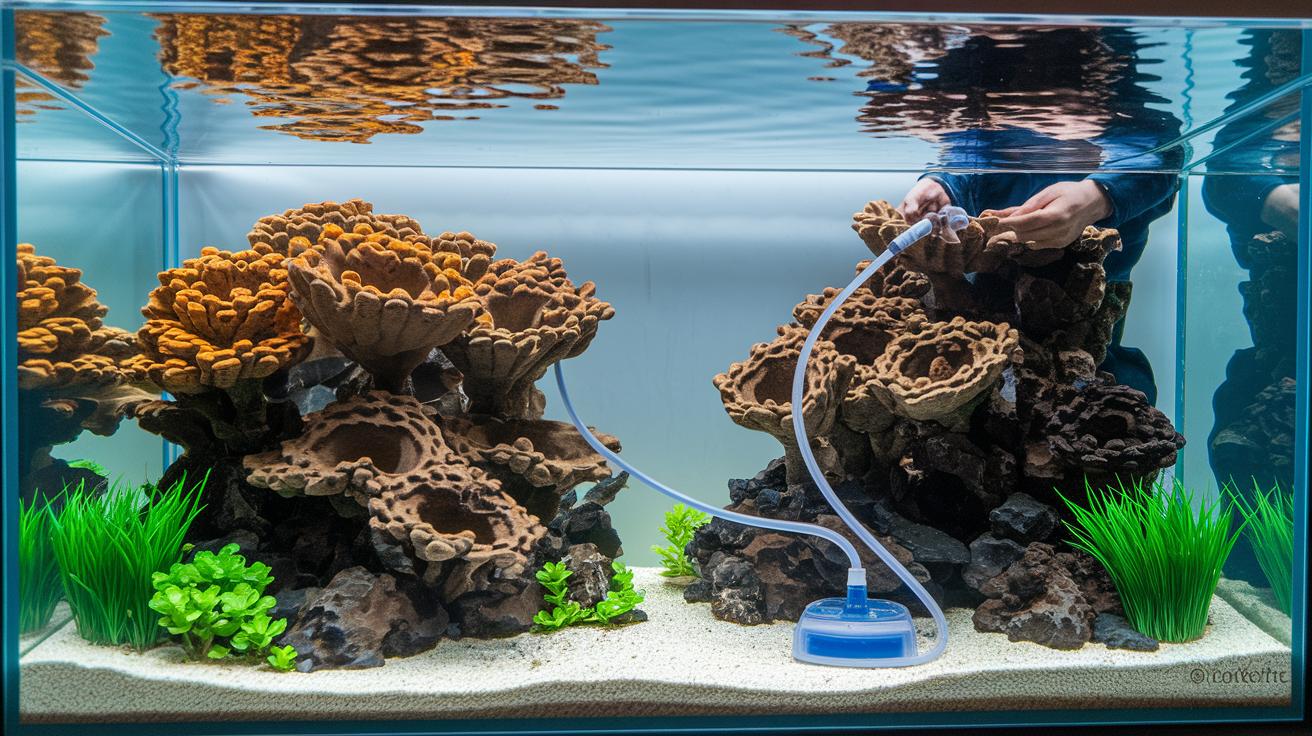
Before you dive in, get all your gear ready: a siphon, a gravel vacuum, a container for the old water, and a thermometer. Check both your tap and tank water to see if everything’s in balance. Warm up your fresh water so its temperature matches your tank, it’s like waiting for your tea to reach just the right heat before sipping. If you have a checklist for tank maintenance, have it nearby; it's a handy reference. And don't forget to treat the new water with a dechlorinator right away to keep your fish safe from harmful chemicals.
Removing and Refilling
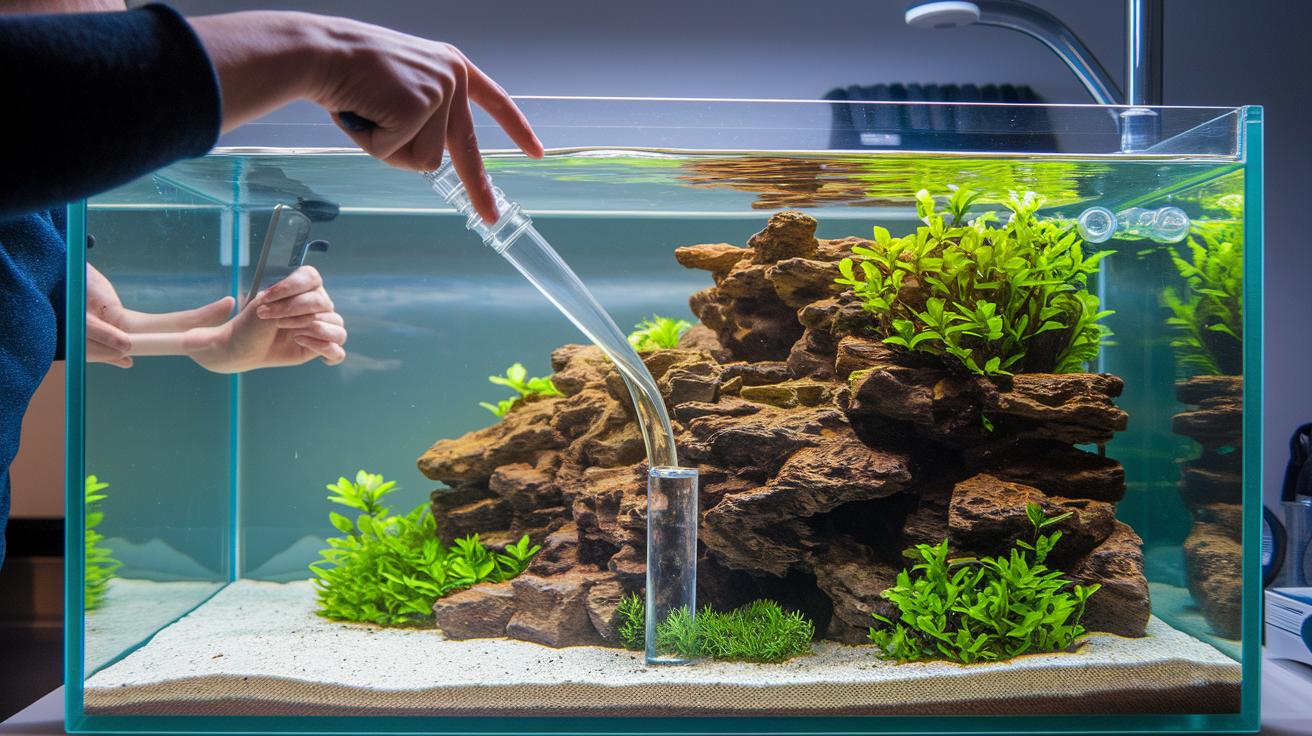
Start by switching off all the electrical equipment like filters and heaters. Then, gently siphon off about 10 to 30% of the water. While you’re doing this, use the vacuum on your gravel to scoop up any uneaten food and waste. Go slowly, removing water gradually helps keep everything balanced, just like maintaining a smooth current in a stream. Once the water is out, refill your tank slowly with the water you prepared. This careful, drop-by-drop refill helps keep your fish from getting shocked by sudden changes.
Post-Change Checks
After you’ve refilled the tank, turn your heater, filter, and other electrical devices back on. Keep an eye on your tank for about 30 minutes and check the pH and ammonia levels. Watch your fish closely to be sure they aren’t stressed by the change. If something seems off, adjust your water change schedule accordingly. It’s all about keeping a cool head and paying attention, just like watching the gentle dance of ripples on a quiet pond.
Testing and Treating Water During Changes
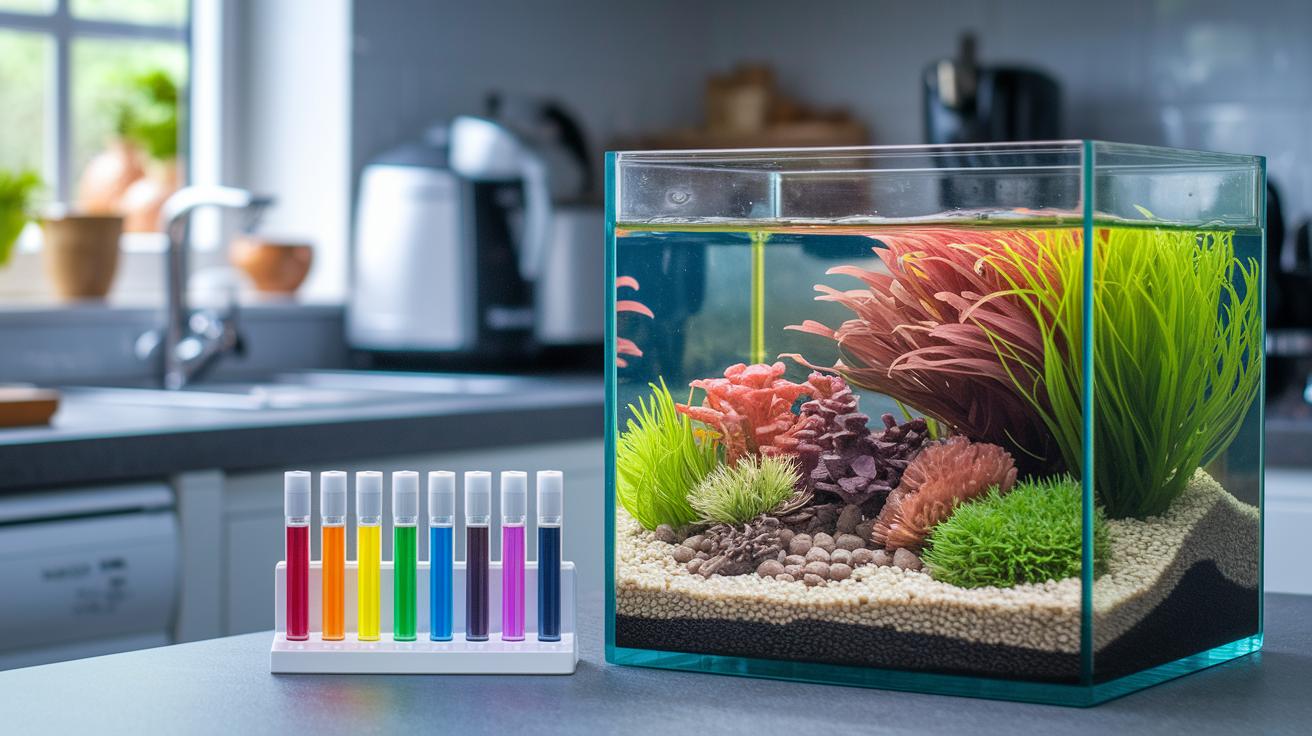
Before you change your aquarium water, it's a great idea to check its chemistry to keep everything in balance. Using a simple test kit, you can easily see if your pH is between 6.8 and 7.5, and make sure ammonia and nitrite are at 0 ppm while nitrate stays below 20 ppm. If the pH isn't quite right, add a little pH buffer gently. And don’t forget to treat your tap water with a conditioner to remove chlorine and chloramine.
Below is an HTML table that sums up these key points:
| Parameter | Ideal Range | Adjustment Method |
|---|---|---|
| pH | 6.8–7.5 | pH buffer |
| Ammonia | 0 ppm | Water change |
| Nitrite | 0 ppm | Water change |
| Nitrate | <20 ppm | Water change or plants |
After you finish the water change, test the water again to see that everything is still steady. Keeping an eye on these details makes your tank feel as calm as a slow, gentle current and helps your fish and plants thrive.
Impact of Water Changes on Fish, Plants, and Bacteria
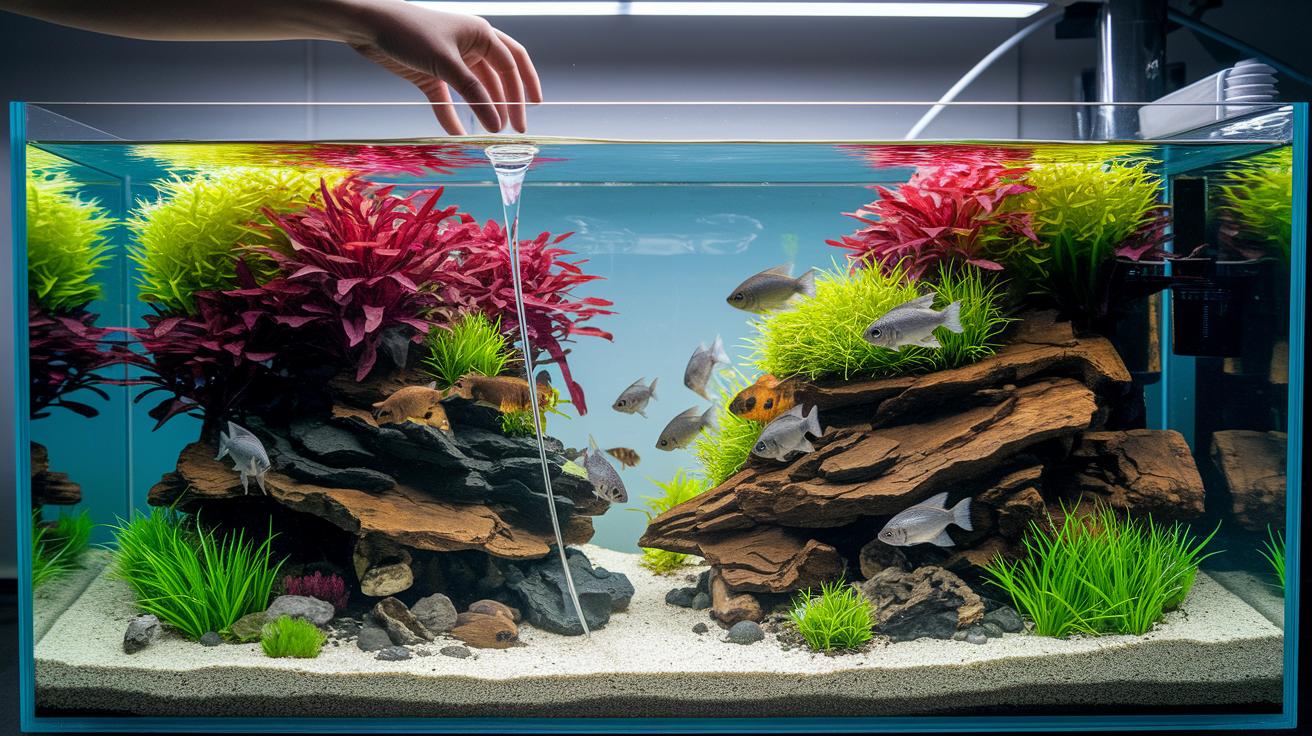
Regular water changes act like a gentle sweep through your tank, clearing away bits of old food and waste that can stress your fish and spur unwanted algae. By removing these leftovers, your fish enjoy a cleaner home with fewer toxins floating around. And while fresh water does bring in a few minerals, it won’t completely replace yours, a myth that’s been nicely debunked.
If your tank features CO₂ injection or boasts plenty of live plants, changing about 20–30% of the water keeps nutrient levels just right without upsetting the delicate CO₂ balance. This careful approach boosts the lively colors and growth of your plants, and it also supports the hardworking bacteria in the substrate. These tiny helpers break down waste so well that, once your tank is settled in, massive water changes really aren’t needed.
A well-planned water change routine lets both your aquatic pets and plants flourish. With fewer decaying elements to feed algae and steady support from natural bacteria maintaining the nitrogen cycle, your tank stays balanced. Noticing changes in your fish’s behavior or your plants' color is a friendly hint that your schedule might be spot on, or perhaps in need of a tiny tweak.
Finding that perfect balance between clean water and nature’s own lively system is key to a thriving aquarium. It’s a bit like watching sunlight dance on water, simple care and a touch of nature go a long way.
Troubleshooting Common Water Change Problems
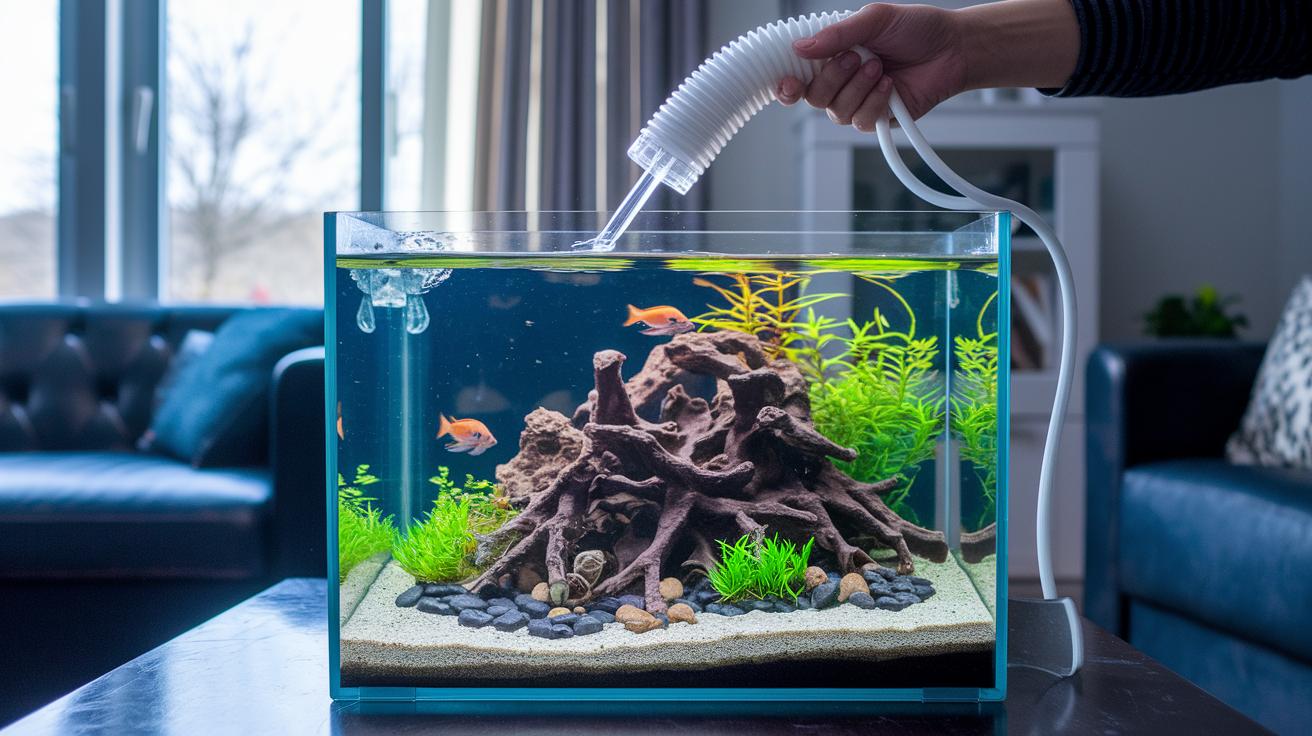
Cloudy water can show up when cleaning stirs up the gravel or when bacteria grow too quickly. Try vacuuming the gravel gently so you don’t kick up extra debris. Small, frequent water changes work like a gentle shake of a snow globe, spreading everything evenly and keeping your tank clear.
A difference in water temperature or missing a step to remove chlorine can upset your fish. Always check that the new water is the same temperature as your tank and treat it to wash away harmful chemicals. This helps your fish settle in smoothly and stay comfy during the water change.
If your tank has driftwood, natural tannins might give the water a light brown tint. You can clear it up by adding a bit of activated carbon or doing some partial water changes. Keeping the changes slow and steady helps maintain clear water and a healthy home for your aquatic friends.
Final Words
In the action, this post gave clear insights on the frequently asked questions about aquarium water changes. We broke down how much water to change, step-by-step guide tips, and ways to test and treat water. Each part aimed to answer frequently asked questions about aquarium water changes in a straight and friendly way.
Our advice helps you keep a comfy, healthy home for your aquatic pets. Keep asking the frequently asked questions about aquarium water changes to stay on top of your tank's care. Enjoy your aquatic haven!
FAQ
Aquarium Water Change FAQ
How often should you change water in a freshwater tank with a filter?
The schedule for freshwater tanks with a filter is typically every one to two weeks with a 10–30% water change. This routine helps lower nitrate levels and maintain a balanced environment.
How often should you change water in a tank without a filter?
Unfiltered tanks usually need more frequent water changes. Replacing about 20–30% of water every 7–10 days keeps waste buildup in check.
How often should you change water in a fish bowl or small fish tank?
For fish bowls and small tanks, water quality can drop faster. Changing around 25–30% of the water every week helps maintain clarity and keep your fish comfortable.
How often should you change water in a saltwater aquarium?
In a saltwater setup, a 10–20% water change every one to two weeks is often best. This routine helps control nutrient build-up while keeping salinity stable.
How often should you change water in a goldfish aquarium?
Goldfish produce more waste, so performing a 20–30% water change every week is ideal. This frequency helps maintain low nitrate levels and a healthier environment.
Should you ever do a 100% water change in an aquarium?
A complete 100% water change is rarely recommended because it can remove beneficial minerals and disrupt the tank’s balance. Partial changes are typically safer.
Should you remove fish when doing a water change?
You generally do not need to remove your fish during routine water changes. Keeping them in the tank helps avoid stress and maintains stability.
Why are regular water changes important in aquariums?
Regular water changes remove accumulated waste, excess food, and toxins, which helps stabilize pH, lower nitrate levels, and support a healthy habitat.
What does an aquarium water change chart indicate?
A water change chart shows recommended percentages and frequencies based on tank size, stocking levels, and water quality. It acts as a handy guide for timely maintenance.
How should I adjust water change frequency based on my tank’s bio-load?
Tanks with higher bio-loads need more frequent changes, while lightly stocked or planted tanks can handle longer intervals. Monitoring water parameters helps you fine-tune your schedule.