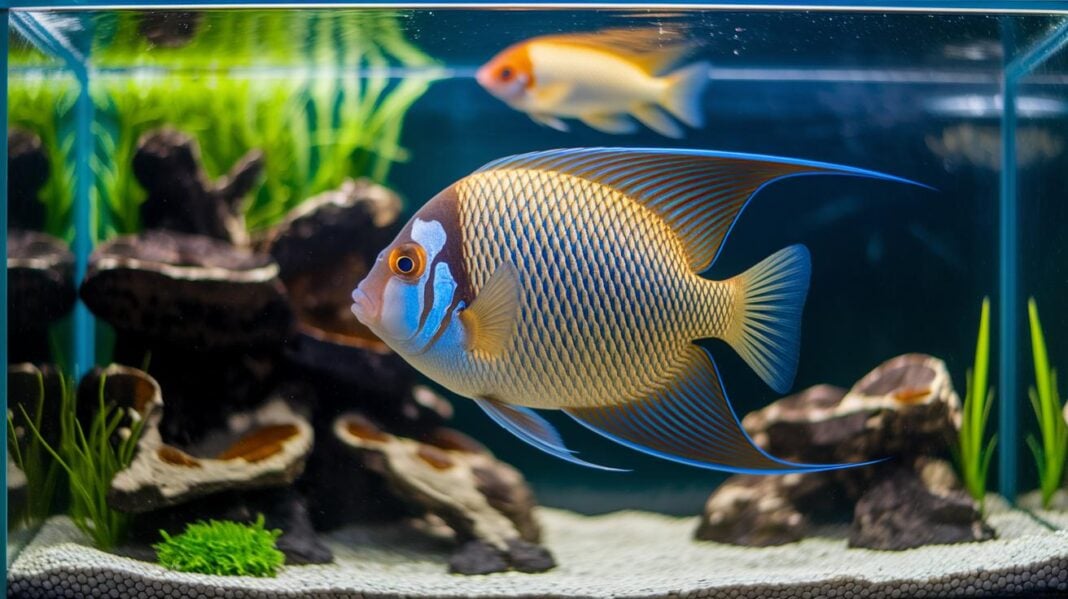

Ever notice how a little change in light can turn your aquarium into a whole new underwater world? Choosing between a warm glow and a cool, crisp shine sets the mood in your tank, almost like deciding between a sunny midday splash and a gentle sunset. Think of the Kelvin scale as your trusty guide, helping you pick the perfect light to make the water sparkle.
In this chat, we'll explore how these light settings help your fish shimmer and your plants thrive, much like a gentle ripple spreading calm through your tank. So stick around as we dive into how a simple tweak of your lighting can bring out the enchanting beauty of your little aquatic universe.
Aquarium Lighting Color Temperature Fundamentals
When we talk about aquarium lighting, we often use the Kelvin scale to describe how the light looks. Kelvin is like a guide that tells us if the light will seem warm and yellow, like a cozy incandescent bulb at 2,700K, or cool and blue, like a bright, clear day at 10,000K.
Imagine setting your aquarium light to 6,500K, it’s like bringing a slice of midday sunlight into your tank. It casts a clear, refreshing glow over your aquatic world, much like the gentle shimmer of light on moving water. Just remember, these numbers mainly show the color you see, not the entire mix of light wavelengths in play.
Even when two lights share the same 6,500K rating, they can behave quite differently. One might boost your plants' growth and make your fish sparkle more than the other. In truth, it comes down to the light’s hidden spectral details, those subtle differences can change the whole vibe of your underwater scene.
Aquarium Lighting Color Temperature: Impact on Plants, Fish, and Corals
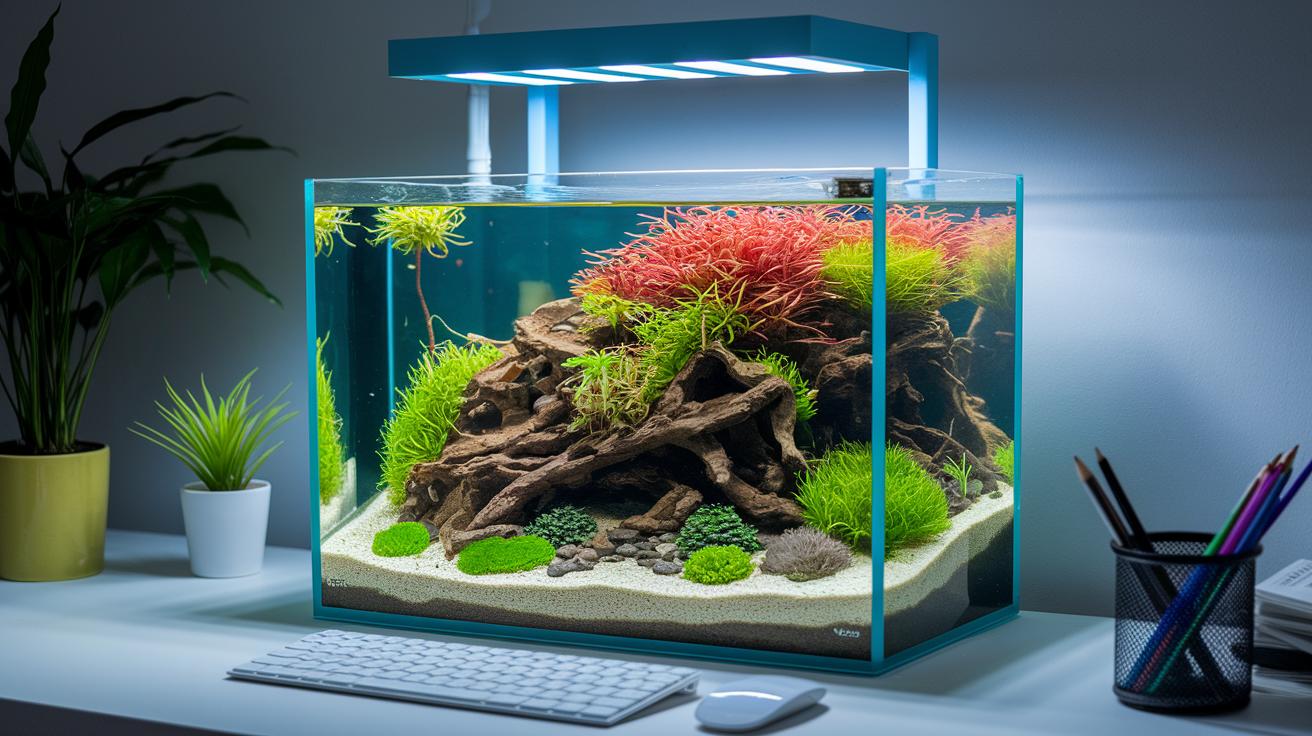
Choosing the right lighting color temperature for your aquarium can truly transform your underwater world. A 6,500K daylight setting helps plants perform photosynthesis, this is the process where plants use light to grow, giving them a bright, natural glow similar to midday sun. For tougher plants like Anubias and Cryptocoryne, using softer lights between 2,700K and 4,000K works well. It’s pretty cool how changing the Kelvin value not only lights up your tank but also gently influences how your fish behave while they swim and explore.
When you crank up the intensity with lights in the 5,000–7,000K range and above 50 µmol·m⁻²·s⁻¹ (a measure of the light strength), you might see stems growing quicker and your tank looking more lively. But keep in mind, this bright light sometimes calls for extra CO₂, an essential ingredient that helps plants grow, to prevent algae from taking over. Too much light without proper balance can stress out the plants and even change how the fish act. The daily rhythm of light can encourage your fish to venture into hidden corners, adding a fun and interactive element to your tank.
Switching to actinic lighting above 10,000K fills the tank with plenty of blue wavelengths. This blue light mimics the look of deep-water conditions and makes coral colors pop like a burst of underwater fireworks. It not only helps coral stay healthy but also creates a natural, balanced light effect for all the living creatures in your aquarium.
Aquarium Lighting Color Temperature: Recommended Kelvin Ranges
Have you ever noticed how the right light can change the whole mood of your tank? Picking the proper Kelvin rating is a bit like choosing the perfect current in a stream, it can bring out the true colors of your aquatic friends. Whether you're aiming for a soft, warm glow for a display tank or a cool, clear light to mimic the deep sea for marine life, the choice matters a lot.
Below is a simple guide to help you decide which lighting will best suit your aquatic world:
| Kelvin Range | Color Tone | Recommended Use |
|---|---|---|
| 2,700–3,000K | Warm Ambient | Soft, yellowish glow for general display tanks |
| 5,000–6,500K | Neutral Daylight | Ideal for planted freshwater aquariums |
| 8,000–10,000K | Cool Blue | Enhances marine colors and supports many corals |
| >10,000K | Actinic | Deep-water simulation to maximize blue spectrum for corals |
By using these ranges, you can easily adjust your lighting to match the needs of your underwater world. The right Kelvin setting not only makes freshwater plants look their best but also highlights the vivid hues of your marine life. Enjoy experimenting with your setup and watch how the colors in your tank come to life!
Aquarium Lighting Color Temperature: LED Spectrum Tuning and Solutions
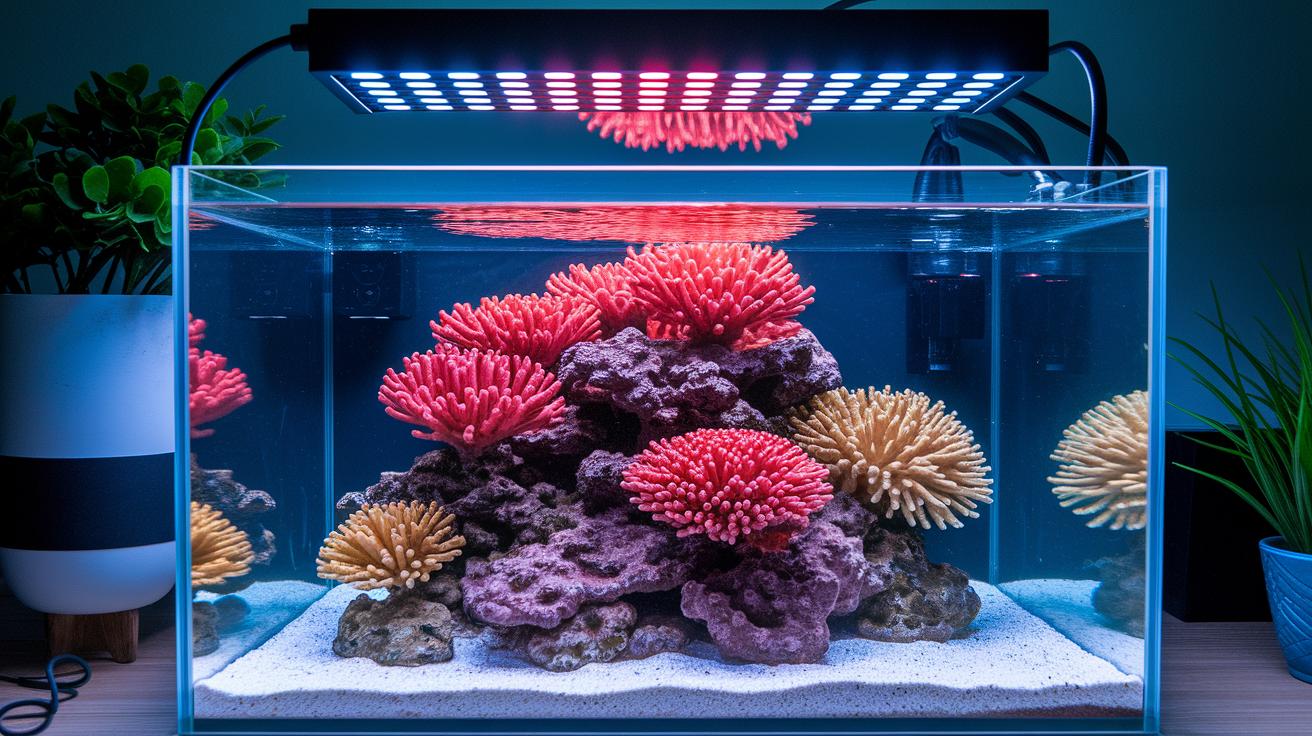
LED lights are changing how we light our aquariums. Tunable fixtures shine a wide 120° beam so you can brighten tanks that are 18 to 24 inches wide evenly, without any harsh hotspots. With these smart lights, you can easily adjust both the Kelvin temperature, which tells you how warm or cool the light feels, and the mix of colors during the day. For example, a 6,500K BML RGB LED brings out clear red tones that a regular white LED misses, even if they share the same Kelvin number. This means your aquatic plants, fish, and corals can look naturally vibrant, just like in the real underwater world.
RGB vs White LED Modules
Mixed-LED modules and single-diode white lights don't play by the same rules, even when their Kelvin ratings match. RGB modules, like the 6,500K units, show off strong red peaks. This can make coral glow in a special way and even spark unique growth in plants. On the other hand, pure white LEDs give off a balanced light that may not push plant growth to the same lively level.
Dynamic Controllers for Spectrum Adjustment
Smart controllers add even more finesse by automatically adjusting color temperatures and brightness. They create smooth shifts that mimic the gentle change of light at dawn and dusk, making it easy to follow nature’s rhythm. With these dynamic features, your aquarium not only looks beautiful but also nurtures a healthy environment for all its inhabitants.
Aquarium Lighting Color Temperature: Fixture Setup Best Practices
Choosing the right lighting for your aquarium is like painting a beautiful underwater scene. You want every part of your tank to glow, just like the way sunlight plays over a gentle stream. Most lights shine about one foot directly below, so if your tank is wider than 12 inches, you’ll likely need more than one light to cover every nook.
Shop lights can cover a larger area, but they sometimes miss bringing out the true sparkle of your plants and fish. They don’t have the full range of colors and detail your aquatic friends deserve. Instead, energy-efficient LED lights with a 120° beam spread work wonders, especially for tanks between 18 and 24 inches wide. This means your fish and plants get a naturally lit home without any unwanted shadows or bright hotspots.
When you set up your lights, focus on both broad coverage and highlighting each corner with care. Changing the height of the lights can really help spread the glow evenly throughout the tank, preventing any dark areas at the bottom. It helps to try different setups until you find the one that works best for your little underwater world.
Here are a few simple steps to guide you:
- Evaluate your tank’s size to see if it needs more than one light module.
- Mark where you’ll place your lights to ensure even distribution.
- Adjust the light height to optimize the glow across the tank.
- Pick quality LED fixtures with a wide 120° beam angle.
- Make sure your lights offer a full range of colors and strong color accuracy.
- Keep an eye on your setup over time and make small tweaks whenever needed.
Aquarium Lighting Color Temperature: Advanced Calibration and Photoperiod Management
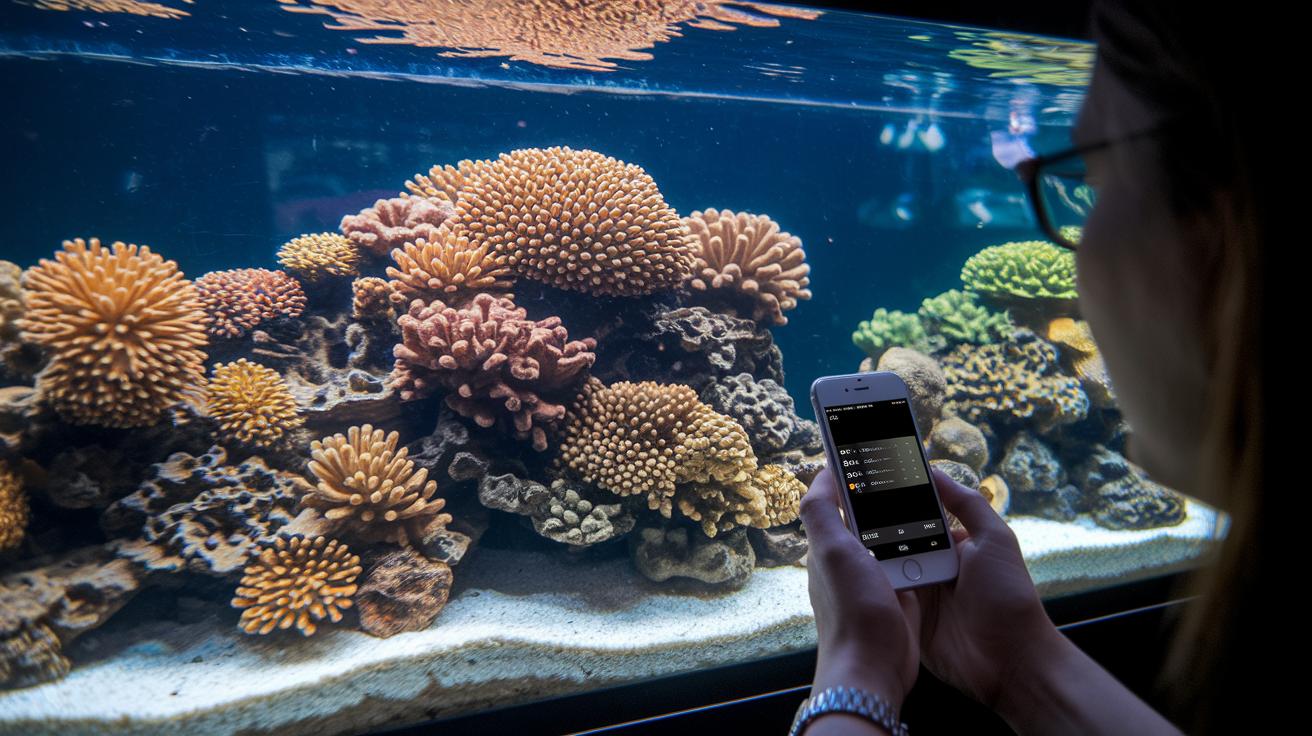
Aquarium lighting is more than just a number on a label. Even if two lights show the same Kelvin rating, how they actually shine can be very different, just like two streams might flow in their own unique ways. Using a handheld spectrometer is like having a little detective for your light, showing you its true colors so that both plants and fish enjoy a balanced glow that feels like natural sunlight.
Modern lighting systems make it easy to mimic nature. These smart controllers slowly change the light from a soft 3,000K in the early morning to a bright 6,500K by midday, just like the gentle shift you see in a real sunrise and sunset. This smooth change helps your aquarium’s plants do their photosynthesis and makes the whole tank feel more natural and inviting.
Keeping a steady light schedule is key for a thriving tank. When you offer a regular eight to ten hours of light, your fish can follow their natural rhythms, which cuts down on stress and keeps them healthy. With careful planning and calibration, you create an underwater home that mirrors the beauty of nature, ensuring that every living detail in your aquarium flourishes.
Final Words
In the action, we covered aquarium lighting fundamentals and discussed the Kelvin scale, linking spectral output with practical advice for setting up your tank.
We examined how various Kelvin settings brighten plants, affect fish responses, and boost coral glow while guiding readers through fixture placement and light tuning tips. Each point helps form a balanced habitat.
Armed with this knowledge, you can now adjust your aquarium lighting color temperature to bring out the best in every aquatic creature. Enjoy watching your underwater world thrive.
FAQ
What information does an aquarium lighting color temperature chart provide?
The aquarium lighting color temperature chart provides Kelvin ratings that indicate warm versus cool hues. It helps you pick lights that mimic natural sunlight, ensuring your tank has balanced illumination.
What is the best aquarium lighting color temperature, especially for LED lights?
The best aquarium lighting color temperature usually falls between 5,000K and 6,500K. This range mimics natural daylight, supports aquatic plants, and works great with LED lights for vibrant displays.
What do discussions on aquarium lighting color temperature on platforms like Reddit highlight?
The forum discussions highlight practical insights, personal experiences, and setup tweaks. Hobbyists often share real-life tips on choosing and adjusting lighting to achieve a natural look in their underwater world.
How does a planted aquarium light calculator and guide help aquarists?
The planted aquarium light calculator and guide helps you determine the correct light intensity and spectrum for your tank. It ensures your aquatic plants receive balanced light to promote healthy growth.
What function does a 6500K aquarium light serve?
The 6500K aquarium light simulates natural daylight with a crisp, cool glow. It boosts photosynthesis in plants and highlights the vivid colors of fish and corals, making your aquarium look its best.
How do LED aquarium lights benefit aquatic plant growth?
The best LED aquarium lights offer energy-efficient, balanced spectrums that enhance photosynthesis. They provide focused illumination that fuels aquatic plant growth while keeping heat levels low in the tank.
What features does the Sunsun Aquarium Light offer?
The Sunsun Aquarium Light features adjustable brightness and spectrum settings to suit different tank sizes. It combines reliable performance with user-friendly controls, so you can easily create a vibrant underwater scene.
What temperature should the light be in an aquarium?
The light for an aquarium should imitate natural daylight, generally ranging from 5,000K to 6,500K. This range supports plant photosynthesis and fish behavior while keeping the tank environment balanced.
How do 2700K and 3000K color temperatures differ in aquatic setups?
The difference lies in warmth; 2700K gives a softer, more yellow glow, while 3000K produces a slightly brighter, neutral tone. This subtle shift affects how warm your aquarium appears.
What color light is best for aquarium fish?
The best color light for aquarium fish mimics natural daylight, typically between 5,000K and 6,500K. This range enhances fish colors, supports natural behavior, and creates a healthy, inviting underwater environment.