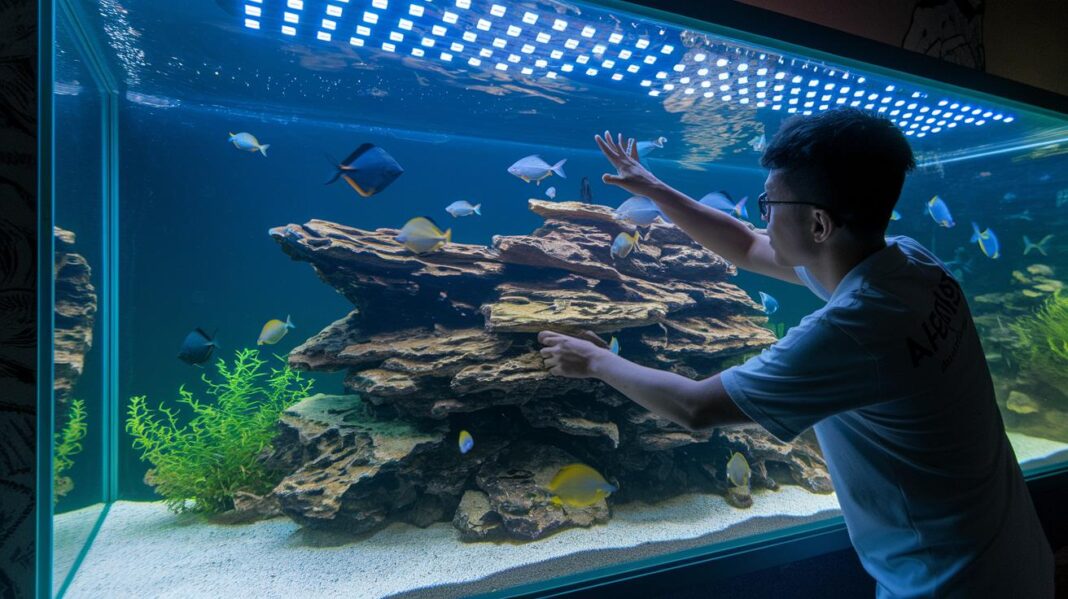

Have you ever noticed how a quick check on your aquarium lights can make a big difference? Keeping your lights just right gives your tank that perfect, even glow that your fish and plants need to thrive. When your lights run on a steady schedule and get a little care, they help keep algae under control and brighten up your underwater world. Here, I’ll share some simple routines and tweaks that really make a splash. Stick with these steps, and soon your aquarium will shine as beautifully as sunlight dancing on water.
Essential Aquarium Lighting Maintenance Routines
Taking care of your aquarium's light setup is key to keeping your plants happy and your fish full of life. A steady cycle of 8 to 10 hours of light followed by darkness creates a natural rhythm that both plants and fish enjoy, it’s like mimicking the soft sunrise and gentle sunset right in your tank.
A regular light schedule stops algae from taking over and keeps everyone feeling less stressed. Whether you choose T5 bulbs for deeper tanks (they shine bright even in thicker water) or save a few bucks with T8 bulbs when that works for you, you’re setting the stage for a colorful, lively underwater world.
- Check your light fixture to make sure every corner of your tank is evenly lit.
- Look over your timer to keep the light turning on and off in a natural pattern.
- Inspect the bulbs for any wear that could mean they’re not shining as brightly as they should.
- Measure the PAR output, a simple way to tell if your light is giving enough energy for plant life to grow.
- Adjust the light intensity as needed when the seasons change or if your plants ask for a little extra sparkle.
Sticking with these light checks is like giving your tank a regular health check-up. It not only keeps your aquarium looking stunning but also makes sure every bit of your underwater space stays balanced. For more tips on setting up your routine, check out the monthly aquarium maintenance checklist at Sweetfysh.com.
Cleaning Techniques for Aquarium Light Fixtures
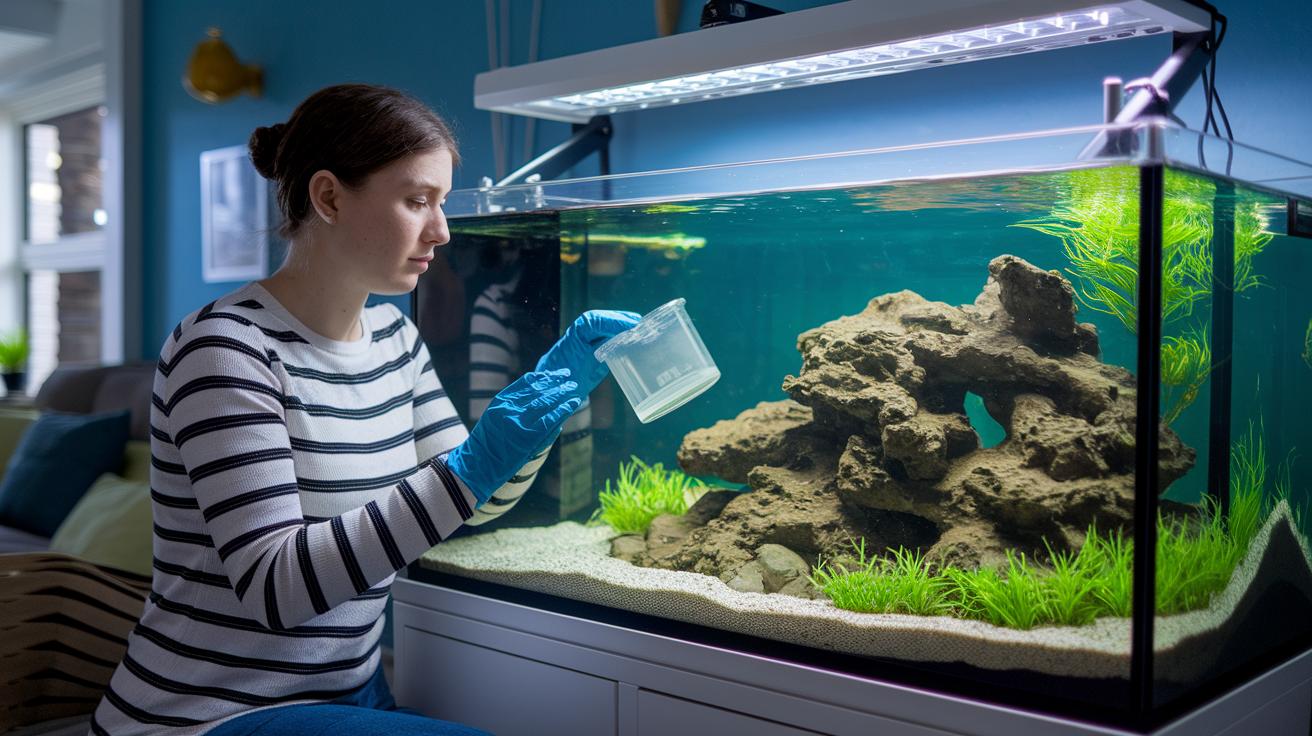
Keeping your aquarium light in top shape is like giving your little underwater world a refreshing shower. Regular cleaning stops pesky algae from taking over, which means your plants and fish get just the right glow they need. Over time, light covers and diffusers can collect mineral deposits and biofilm, think of those as tiny buildups that block the light’s cheerful path. A mix of dechlorinated water and a mild vinegar solution works wonders to keep your tank bright and healthy.
Here’s a friendly step-by-step guide to help you out:
- Turn off the light fixture first so you’re safe while cleaning.
- Carefully remove all the covers and diffusers.
- Soak these parts in a vinegar solution to help loosen any stubborn mineral spots.
- Dry every piece with a soft, lint-free cloth.
- Take a moment to inspect the seals for any wear or damage.
- Once everything is completely dry, reassemble your fixture.
A little care, done regularly, is just like nurturing a beautiful garden, your tank will shine and the water will look as inviting as a gentle ripple on a calm day. Avoid harsh chemicals and rough tools; treat your aquarium with the same love you’d give a favorite pet. Enjoy the process and notice how a tiny bit of effort can brighten up your aquatic world!
Bulb Replacement and Upgrade Protocols for Aquarium Lighting
Over time, your aquarium lights may start to lose their old glow because the PAR output slowly drops. This means your light isn’t as strong as it used to be, so it might be time to swap out the bulbs or even upgrade your entire fixture for better efficiency and healthier plants.
Here’s a simple way to handle the bulb swap safely:
- First, turn off the power to the light.
- Next, put on some gloves so your hands stay safe.
- Carefully remove the old bulb and set it aside.
- Take a close look at the socket to see if there’s any wear or damage.
- Place the new bulb into the socket, making sure it fits snugly.
- Turn the power back on to check that the light shines with a nice, steady glow.
- Finally, jot down the replacement date to keep track of when maintenance is needed.
| Bulb Type | Lifespan | Energy Use | Replacement Interval |
|---|---|---|---|
| T5 Fluorescent | High | Efficient | 9–12 months |
| T8 Fluorescent | Standard | Moderate | 9–12 months |
| LED | Long-lasting | Low | Extended intervals |
Troubleshooting Methods for Aquarium Lighting Systems
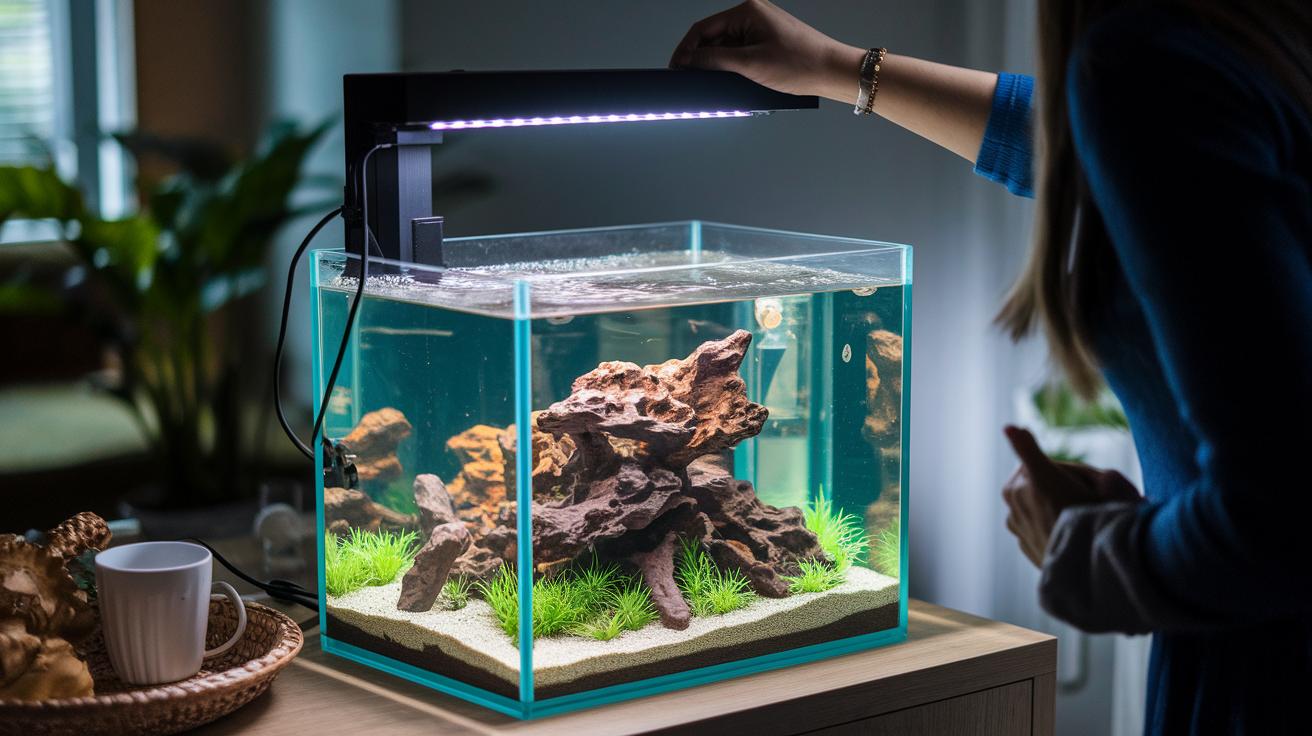
Sometimes your aquarium lights start acting funny, like flickering or giving off uneven brightness. A simple look over your tank might show if the fixtures are out of place, and checking the timer can help you see if your lights are following the right cycle. Bulbs that have gotten old might even shift their colors, which can impact your aquatic plants.
At times, the issue isn’t with the light itself but with loose wires or worn-out parts. If you're dealing with submersible LED units, take a careful look at the waterproof seals and the contacts on the circuit board. A quick peek at the timer settings can also reveal if the brightness levels are off. These little glitches might stress your plants and dull the sparkle of your underwater scene. Often, a careful observation can tell you if a weak signal or a mis-set controller is to blame.
Try these fixes to set things right:
- Tighten all connections to ensure every wire and module is secure.
- Realign the fixtures so the light spreads evenly.
- Reset the timers to bring back the natural light cycle.
- Replace old ballasts or drivers if they’ve lost their oomph.
- Clean the connectors to clear away any buildup that might block performance.
If these steps don’t solve the problem, it might be time to call in a professional to take a closer look at your setup.
aquarium lighting maintenance: Brighten Your Aquarium
Working near water and electrical fixtures calls for extra care. Even with a great light setup, mixing water and electricity can be as tricky as trying to swim upstream. Adjusting the light's brightness helps cool things down, but handling electrical parts near water means you really need to be cautious. Taking simple safety steps, like checking your voltage and inspecting waterproof parts, makes a big difference in keeping shock risks low.
- Unplug the fixture before you start working.
- Test the voltage to catch any odd readings.
- Check the cords for signs of wear.
- Make sure all seals, especially on waterproof parts, are tight.
- Keep ventilation areas clear so heat can easily escape.
- Write down your maintenance tasks to track what you’ve done.
Keeping a log for your aquarium light system is like maintaining a health record for a beloved pet. Regularly checking these points not only helps your lights stay steady and bright but also protects both you and your aquatic friends from electrical hazards. Staying on top of these simple steps means you can enjoy a safe, lively underwater world every day.
Optimizing Aquarium Lighting Maintenance with Smart Controls
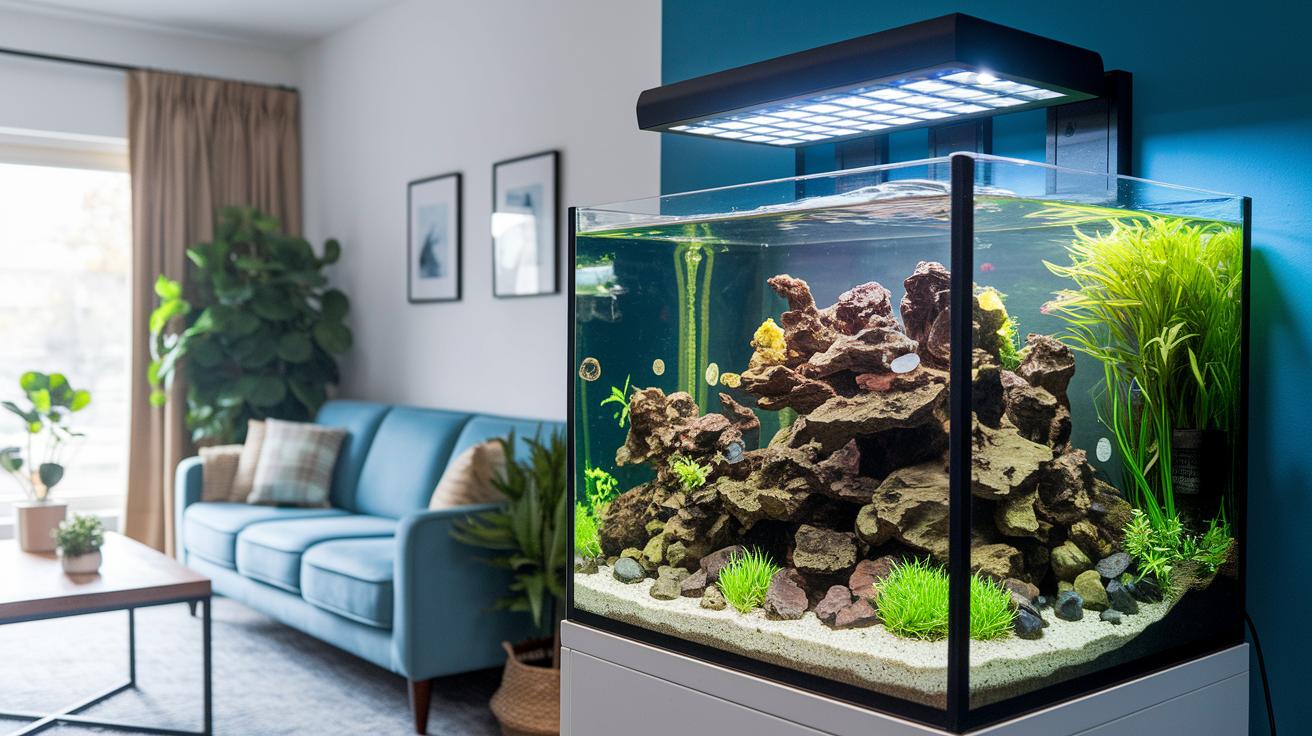
Taking care of your aquarium lighting can feel as calming as watching gentle ripples in a pond when you use smart controls. Automated routines and remote monitoring work together to give your tank a natural feel, mimicking the soft glow of dawn and dusk, without you having to keep fiddling with the settings. This smart approach helps cut down on simple mistakes and lets you catch any hiccups right away. It even shows you real-time data on light strength (PAR, which tells you how much useful light your plants get) and color warmth, so your fish and plants always enjoy the perfect balance. Plus, regular updates mean your system stays current and glitch-free, leaving you free to enjoy the peaceful underwater scene.
Recommended Smart Features
- Automated on/off schedules
- Real-time PAR and temperature alerts
- Remote intensity adjustments
- Auto firmware updates
When you’re choosing a smart lighting system, go for one that blends easily with your existing setup. Look for clear alerts and easy-to-use controls so that changing settings feels as smooth as a gentle current. Smart controls not only boost light efficiency but also ensure your tank gets just the right kind of glow at the right time, keeping your underwater world vibrant and healthy.
Final Words
In the action of keeping a vibrant underwater habitat, we've covered everything from regular optical inspections to bulb replacement and smart control systems. The blog post walked you through setting up a schedule that supports healthy fish, cleans fixtures safely, and troubleshoots common glitches.
Remember, consistent aquarium lighting maintenance means paying attention to small details for a healthier tank. With routine checks and preventive care, your aquatic friends will thrive and your tank will shine bright every day.