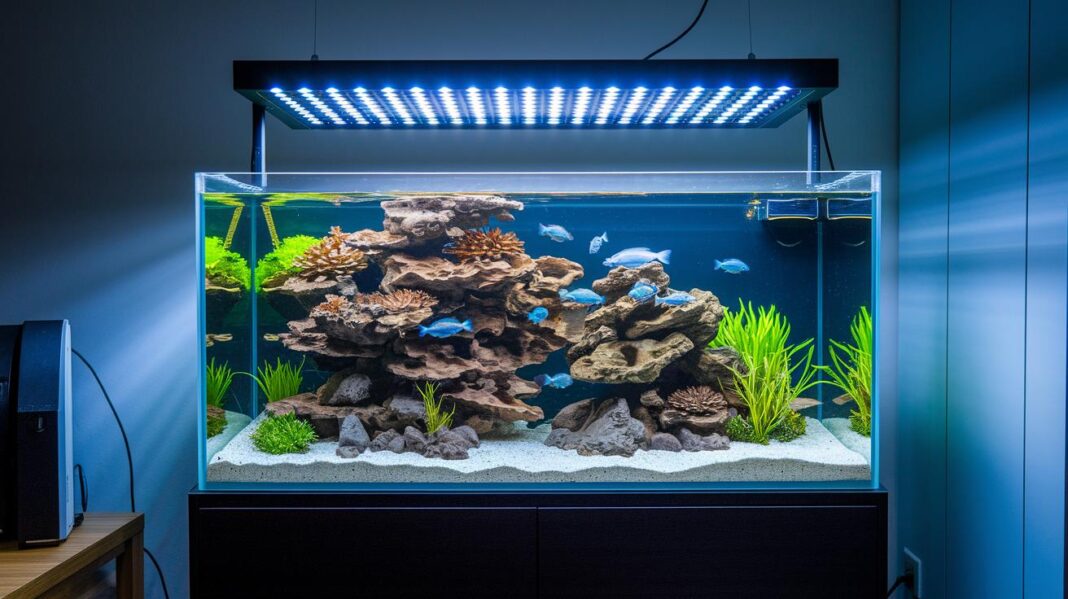

Ever wondered if your tank lighting is just right for your underwater buddies? Picking the perfect glow not only brightens up your tank like a shimmering pond but also helps your fish, plants, and corals feel their best.
Imagine your aquarium bathed in soft, natural light where every spot glistens like sunlight dancing on water. Modern LED lights give you the freedom to change the brightness and hue without emptying your wallet.
In this guide, we'll share easy tips and clever choices to help you set up a beautiful, healthy underwater world.
Essential Considerations for Aquarium Lighting
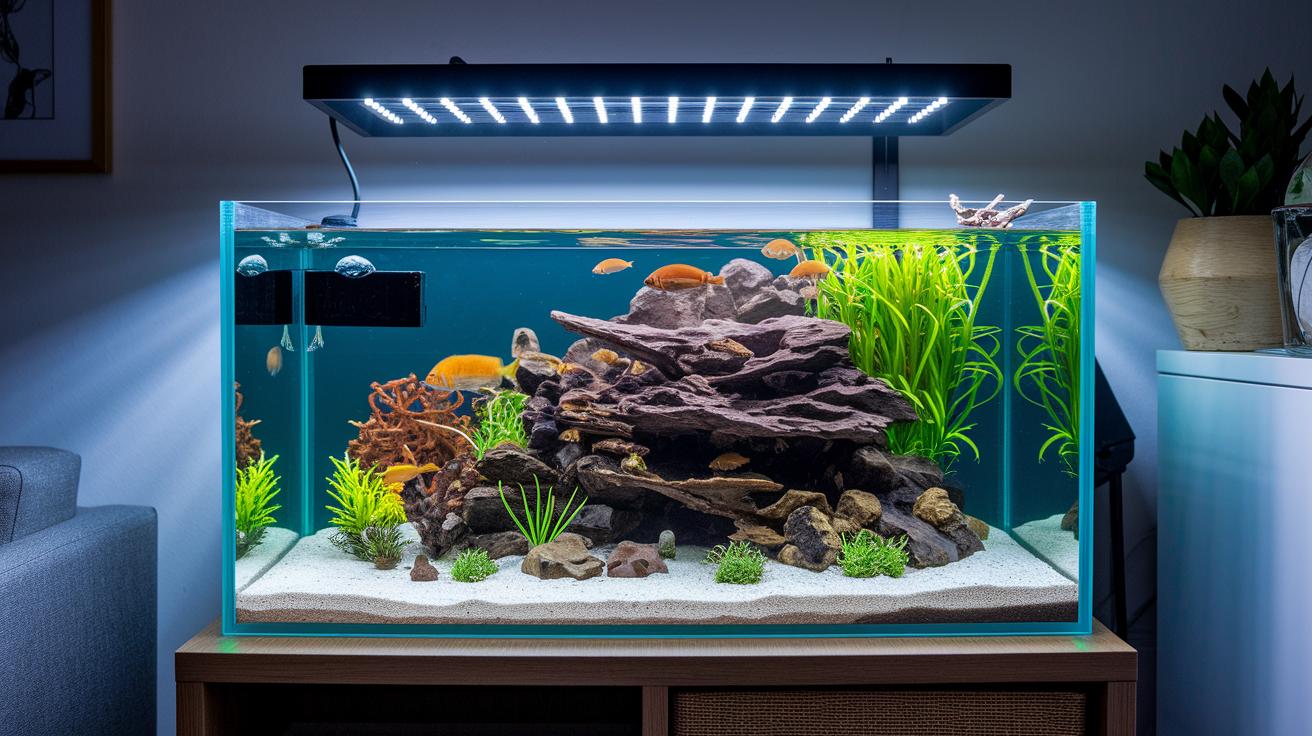
Choosing the right lighting for your tank is key for the health and happiness of your fish, plants, and corals. It’s like creating the perfect underwater stage for your aquatic friends. You need to think about your tank’s size, type, and the unique needs of its residents. Modern LED lights are a hit because they’re budget-friendly and let you fine-tune the setup to make your aquarium sparkle, much like nature’s own sunlight.
One important thing to consider is the light spectrum, which is measured in Kelvin. In simple words, the right color temperature can copy the feel of natural sunlight, helping plants do photosynthesis and corals build their skeletons while keeping algae in check. For a freshwater tank, for instance, a light that mimics natural daylight works wonders. Fun fact: Freshwater aquariums usually do best with light temperatures around 5500 to 6000 Kelvin, kind of like the bright glow of midday sunshine.
Another big deal is balancing how strong the light is with how wide its beam spreads. The intensity, measured by things like PAR or lumens, should match what your aquarium needs, plants often need brighter light while fish just need enough to see all the cool colors around them. The beam spread is equally important because you want a light that fills the whole tank evenly, avoiding dark spots so every corner gets its own little burst of brightness.
Understanding Light Spectrum in Aquarium Lighting

Picking the best light spectrum sets the perfect stage for your underwater world. When we talk about color temperature (measured in Kelvin), it tells us how well your plants and corals can use the light. For a freshwater tank, aiming for 5,500 to 6,000K gives you that natural, sunlit feel while keeping nasty algae at bay. It's a bit like choosing just the right filter to make your photos pop with natural beauty.
Every tank has its own light needs. In reef tanks, brighter light ranging from 9,000 to 20,000K helps soft corals build strong skeletons and really show off their colors. Meanwhile, planted aquariums need a mix that can change depending on the species, so every plant gets the ideal boost for healthy photosynthesis.
| Aquarium Type | Kelvin Range | Primary Benefit |
|---|---|---|
| Freshwater | 5,500–6,000K | Mimics natural sunlight while limiting algae |
| Reef | 9,000–20,000K | Supports coral calcification and vivid color display |
| Planted | Varies by species | Enhances photosynthesis for diverse aquatic plants |
When you match the right spectrum to your tank, you're not just creating a pretty display – you're laying a solid foundation for a thriving aquatic life. Freshwater setups can glow just like natural daylight, reef tanks get that extra punch to help corals flourish, and planted tanks can be fine-tuned so every leaf and stem shines. It's like curating a living art piece where every detail matters.
Matching Light Intensity in Aquarium Lighting to Your Inhabitants

Getting your aquarium lighting just right is like setting the perfect tide for your underwater friends. When you adjust the brightness to suit both fish and plants, the whole tank feels balanced and natural.
Think of the light settings a bit like the gentle flow of water, each intensity level making a difference:
| Light Type | Description |
|---|---|
| Low PAR | Perfect for sturdy plants like anubias and cryptocoryne. It gives just enough glow without overwhelming them. |
| Medium PAR | Ideal for stem plants that need a steady burst of moderate light, keeping things calm and evenly lit. |
| High PAR | Best for plants that crave extra brightness. These setups often need a bit of extra help, like CO₂, to balance fast growth and keep algae in check. |
By fine-tuning your light output, you ensure every inhabitant enjoys its perfect slice of sunshine. Fish get the softer light they prefer, while plants soak up the extra rays needed for strong photosynthesis. It’s a simple adjustment that makes your aquarium shine with natural beauty, just like a quiet underwater ripple.
how to choose aquarium lighting: Smart, Radiant Picks
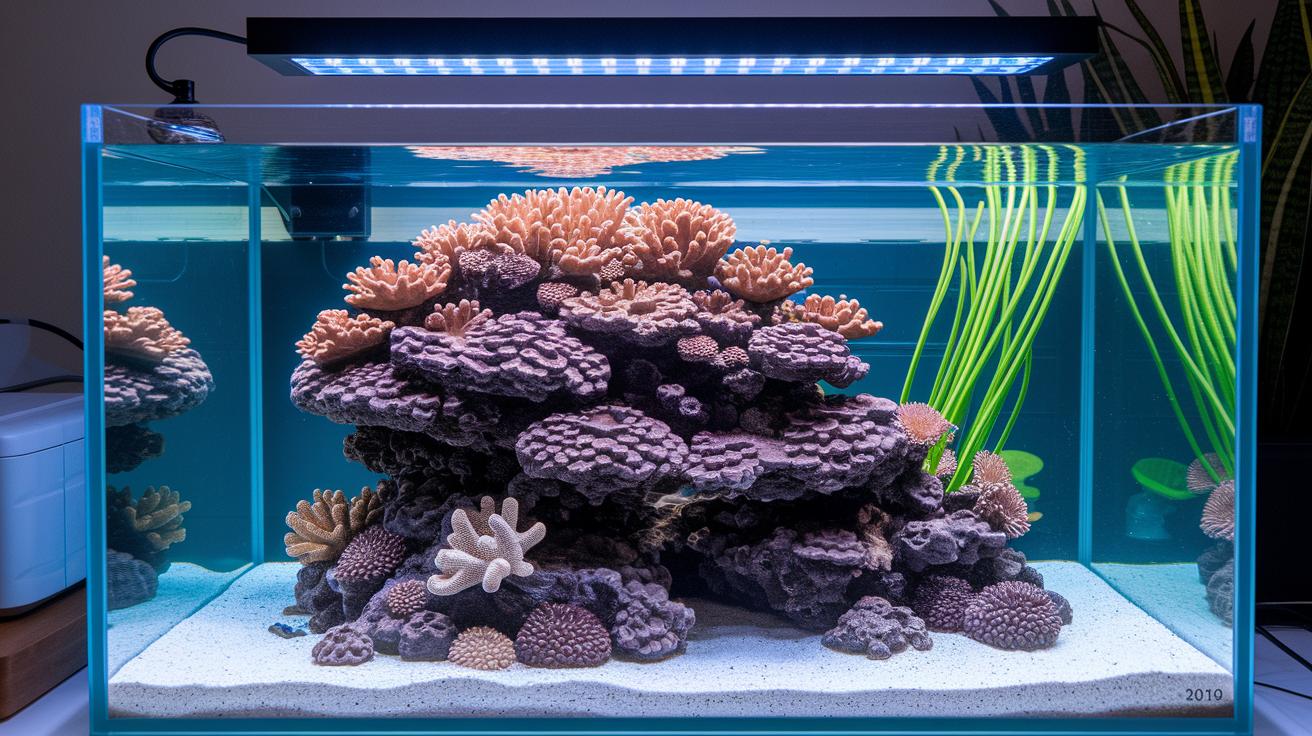
LED lights are a big hit with aquarium enthusiasts. They save energy, last a long time, and let you tweak the light to give your plants and corals just the right glow. These lights are built tough and waterproof, so they handle everyday tank life like a champ. On the other hand, fluorescent lights might cost a bit less upfront but need bulb changes more often and use more energy.
Fluorescent lights might dazzle you with bright colors at first, but they usually miss the deep, natural tones that LEDs offer. LEDs create a richer and steady light that really makes your tank come alive. Many of them even come with handy features like programming options and wireless controls, so adjusting your tank’s light feels as simple as watching water ripple on a quiet pond.
In the end, picking between these two is all about what works best for your setup. While LED fixtures need a higher initial spend, they often pay off later with lower energy bills and fewer replacements. If you’re looking for a modern, smart shine that makes your aquarium look its best, the LED system is your go-to choice.
Setting Up and Maintaining Aquarium Lighting Systems
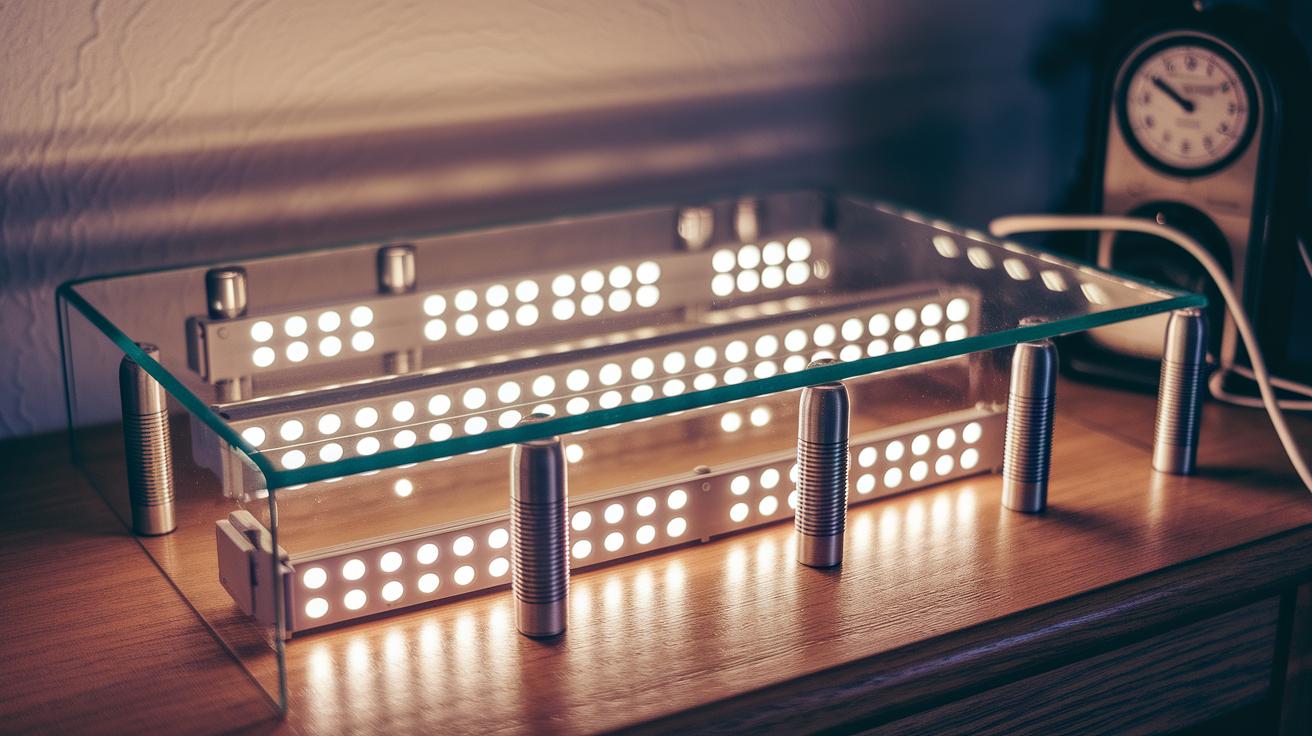
When you're ready to set up your lights, start by reading the maker's instructions and checking that your fixtures have the correct IP ratings so they’re safe to use underwater. Make sure each light is secured firmly, imagine tightening a clamp on your favorite lamp so even a small ripple won’t move it.
Next, try to mimic nature with your light cycle. A 12-hour light and 12-hour dark cycle is a good rule for most aquariums, much like the natural day and night that keeps your fish, plants, and corals comfortable. Using a timer is a great idea, too, it’s like setting an alarm clock for your tank. This steady routine helps keep stress low for your underwater friends while keeping algae in check.
Don’t forget regular care after your setup. Take a moment each week to check your lights and give them a gentle wipe to remove any buildup that might dim their shine. Over time, bulbs or LED panels might lose some brightness, so be prepared to replace them according to the manufacturer's advice or if you notice they’re getting dim.
Finally, remember that a few small adjustments, like changing the lighting hours with the seasons or when algae levels shift, can really boost the health of your tank. These tweaks help your aquarium stay clear, lively, and beautifully lit every day.
Budget and Energy Efficiency in Aquarium Lighting
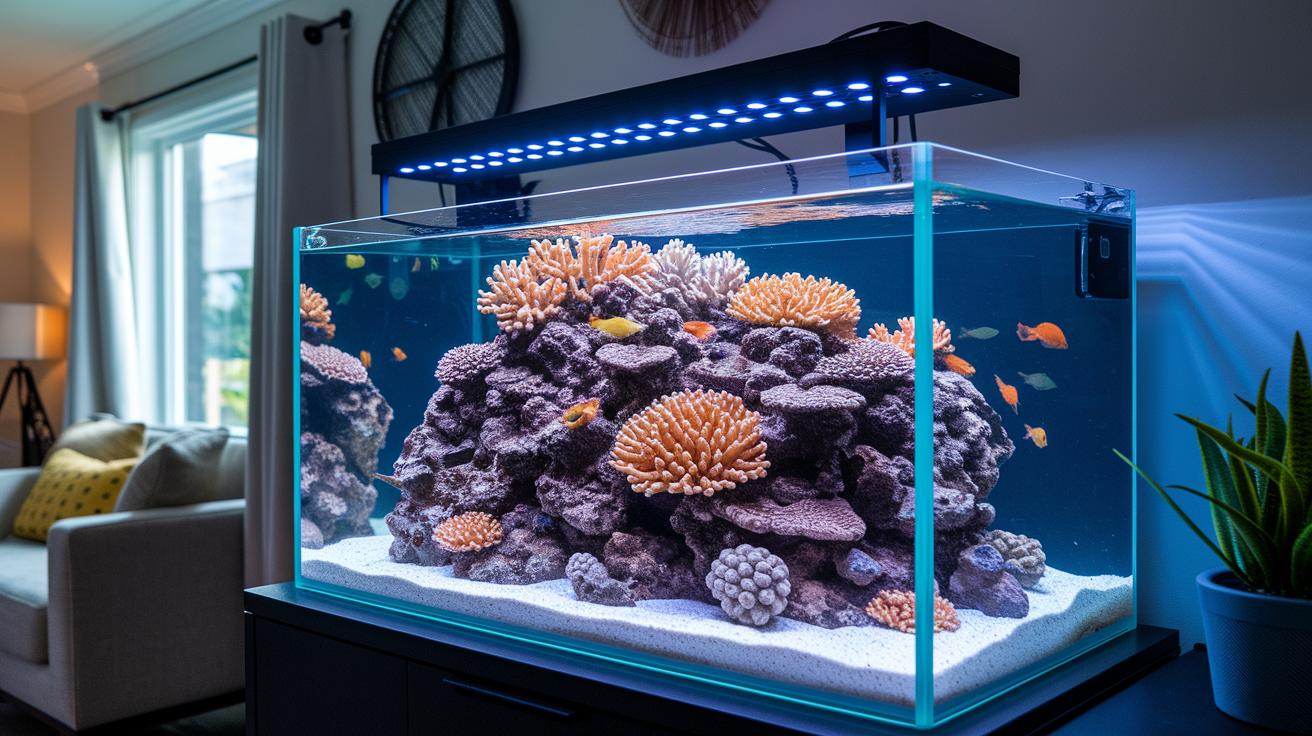
When you're picking out lights for your tank, it's smart to look at both the cost up front and the energy bills that come later. LED lights might seem a bit more expensive at first, but they only use about 0.5 to 1.5 watts per gallon, unlike fluorescent lights that can use 1 to 3 watts. Over time, that means lower energy bills and fewer changes for bulbs. It's like discovering a clever trick that not only brings your underwater world to life with bright, vibrant colors but also keeps your expenses in check. And with deals like free shipping on orders over $79.99 and weekly specials, balancing your budget becomes even easier.
Digging into the total cost of owning your tank lights can really put your mind at ease as you design your aquatic setup. Before you settle on one option, take a moment to compare how much power different systems use and how durable they are. You might want to check out ENERGY-STAR-rated fixtures, which are designed to save energy. In the long run, choosing a lighting system with energy-saving features means you're making an eco-friendly, smart choice that keeps your tank radiant while easing your wallet's worries.
Final Words
In the action, this article covered key points on aquarium lighting. We walked through understanding light spectrum, matching light intensity, and choosing between LED and fluorescent options. The discussion also touched on practical tips for setting up and maintaining your lighting system while balancing budget and energy efficiency.
Every section worked toward creating a healthy, visually pleasing underwater space. Keep these insights in mind when you learn how to choose aquarium lighting, and enjoy the rewarding process of setting up a thriving aquatic home.