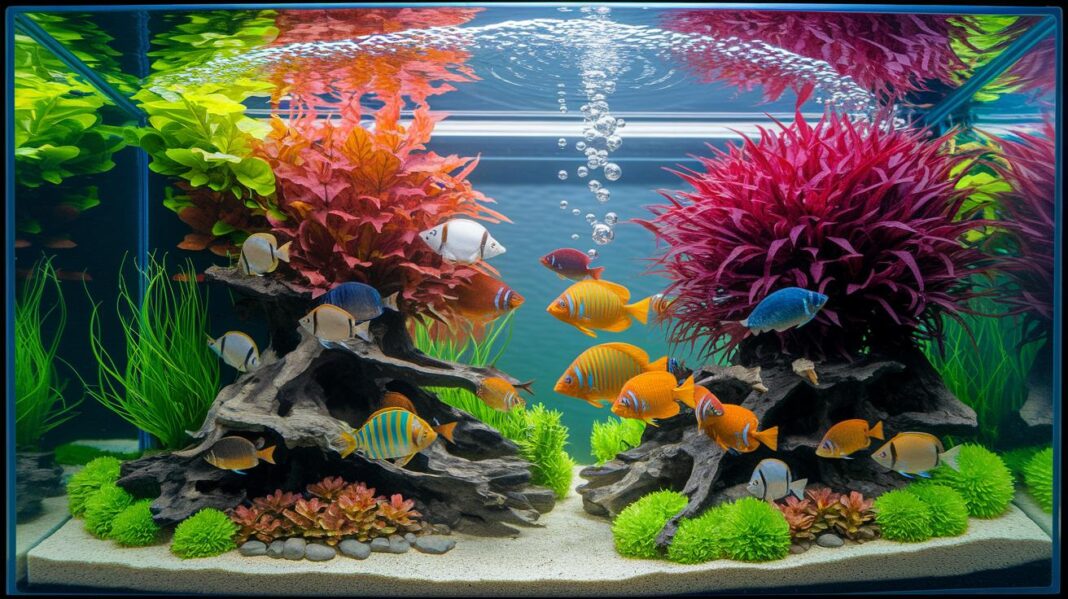

Ever wondered why some tanks just don't feel right for your fish? Getting your fish tank cycled correctly isn’t just ticking a box – it’s like setting up the perfect little underwater garden.
Imagine your tank as a garden where every step helps friendly bacteria turn harmful chemicals into safe water. This guide will walk you through setting up your tank, boosting those good bacteria, and keeping your fish smiling.
Stick with these simple tips and you'll soon have a vibrant, lively home where your fish can truly thrive.
Step-by-Step Guide to Cycling a Fish Tank
-
First, set up your tank with all the basics. Get your filter and heater working, and set the heater between 77 and 86 °F so your future fish feel comfy. Spread your substrate evenly at the bottom. Think of it as laying out the soft seabed where helpful bacteria will soon call home.
-
Next, give your tank an ammonia boost. You can add pure ammonia or simply use fish food to get the nitrogen cycle started. Aim for ammonia levels up to 5 ppm so the cycle can begin transforming toxic waste into friendly water. If you need a reliable ammonia source, check out aquarium fish supplies on https://sweetfysh.com?p=238.
-
Now, test your water daily. Keep an eye on ammonia and nitrite levels with a trusted test kit. Start testing from day one and continue until both readings hit zero. This regular check is like watching the ripples, each one shows that your bacteria are hard at work cleaning the water.
-
Then, boost your tank with good bacteria. Introduce the little helpers that convert ammonia to nitrite and then to nitrate. You can add bacteria from an established tank or use a store-bought culture. This step builds a strong foundation for a healthy aquatic home, much like planting seeds in a garden.
-
Finally, take your time adding fish. Only introduce them when both ammonia and nitrite have dropped to zero. It might feel like waiting for the tide, but patience here protects your new friends. Stick with these steps, and soon you'll have a safe, thriving tank ready for fish to call home.
Understanding the Nitrogen Cycle in Your Fish Tank
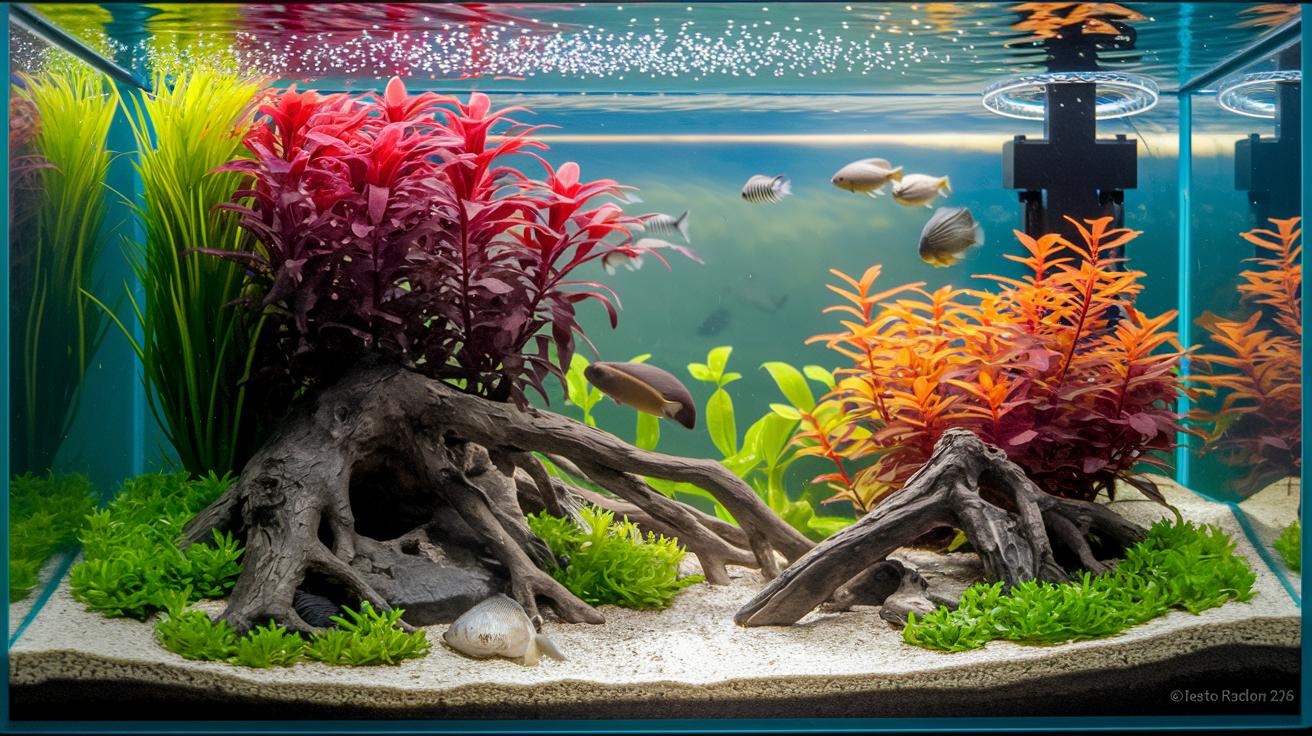
Your fish tank has its own natural cleaning crew. It all begins when fish waste and leftover food break down into ammonia, a toxic substance that can harm your fish. Luckily, helpful bacteria like Nitrosomonas jump in to transform ammonia into nitrite, which is still a bit harmful. Then, Nitrobacter bacteria take over, turning nitrite into nitrate, a compound that’s much friendlier for your aquatic pals.
Keeping the tank’s water conditions just right is key. Imagine setting your tank like you would prepare your favorite snack, everything needs to be balanced perfectly. A pH between 7.0 and 7.8 and a temperature of about 77-86°F create a cozy home where these bacteria can thrive. This setup gives them the best chance to do their work, so your water stays safe and sparkling.
Once the ammonia and nitrite levels drop to zero and nitrates start to appear, the cycle is complete. At this stage, you can keep nitrate levels in check by performing regular water changes or adding live plants that absorb extra nutrients. Keeping an eye on these details ensures your fish tank remains a healthy, well-balanced underwater world for all your finned friends.
Essential Materials and Equipment for Cycling a Fish Tank
Start by checking out the step-by-step guide for all your must-have gear like filters, heaters, substrates, ammonia sources, and test kits. These are the basics you need, and if you feel adventurous, you can add some neat extras too.
A great extra is live plants. They give a natural home for the good bacteria that help keep your water balanced. Think of them like little green buddies that not only clean your tank but also add a splash of nature and beauty.
Another handy accessory is an air bubbler. Imagine a shower of tiny, sparkling bubbles that boost oxygen and keep your water moving, giving your tank a refreshing, lively feel.
Before you add any fish, it’s a smart idea to double-check that all your equipment is in tip-top shape.
| Item | Purpose |
|---|---|
| Live Plants | Offer natural surfaces for beneficial bacteria, enhance water quality, and add a touch of natural beauty |
| Air Bubbler | Boosts oxygen, improves water circulation, and creates a playful, dynamic display of bubbles |
Common Fish Tank Cycling Methods Explained
Fishless Cycling
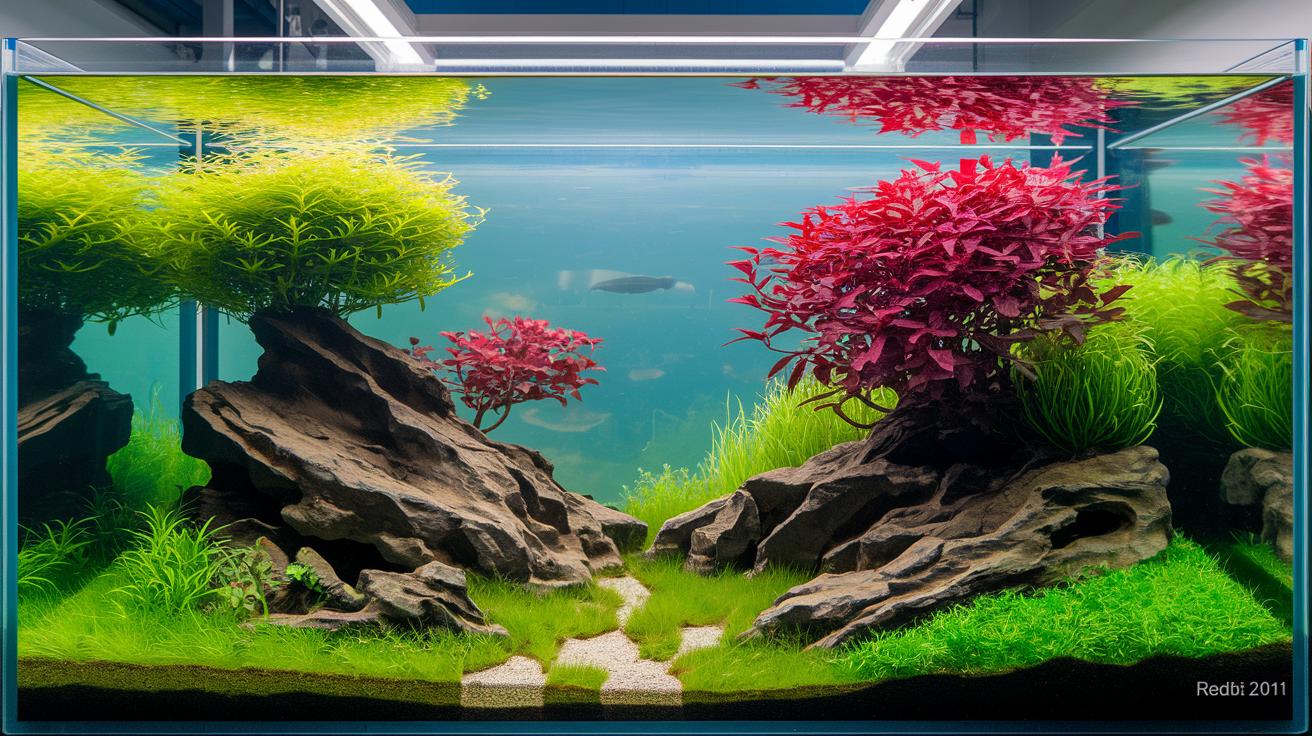
Fishless cycling is a safe, gentle way to set up a new tank without putting your fish at risk. Instead of adding fish right away, you start by dosing pure ammonia, aim for around 3 to 5 ppm. Then, check your water every day, watching the ammonia and nitrite levels drop to zero. This steady process helps the good bacteria grow strong and undisturbed, making your tank a healthy home for your future fish. For instance, you might add ammonia until your test shows 4 ppm, and then watch it fall each day until it disappears. Many hobbyists love this method because it’s a risk-free start to their aquatic adventure.
Fish-In Cycling
Fish-In cycling uses a few hardy fish to jumpstart the cycle by letting them produce natural waste. Start with just a couple of fish, maybe 2 or 3, and feed them lightly so they create only a small amount of waste. To keep their water safe, change 10–20% of it twice a week. This method calls for close watching so that if you see ammonia levels rising, you can quickly change part of the water to protect your fish. You might say, "If you notice ammonia boosting, swap out about 15% of the water right away." This approach can work well but needs extra care since your fish are directly exposed to any toxin spikes during the process.
Plant-Assisted Cycling
Plant-assisted cycling relies on fast-growing plants to help manage nitrogen. Choose plants that grow quickly and even use a bit of nitrogen fertilizer to boost their ability to absorb waste. Keep the lights on for about 10–12 hours a day so the plants thrive, and watch out for algae if things get too nutrient-rich. The plants naturally soak up ammonia and nitrite, which helps the good bacteria settle in. An example: "Set up your tank with strong lighting and let the plants help keep the ammonia levels low." This method not only creates a balanced, natural biofilter but also adds a touch of beauty to your aquarium.
Monitoring Water Parameters During the Cycling Process
Stick to simple tests as outlined in earlier sections. One handy tip: if your nitrate readings hit 40 ppm or more, do a quick 10–20% water change to keep things balanced.
Remember, your filter media and substrate are busy homes for helpful bacteria. So, try not to scrub them clean, let those tiny critters do their work.
For instance, you might think, "If my nitrate levels near 40 ppm, I'll refresh 10–20% of my tank water to keep things in check."
Troubleshooting Common Cycling Issues in a Fish Tank
When you notice that ammonia or nitrite levels stick around for more than 6-8 weeks, it’s like your tank is asking for a little reset. Try swapping out 10-20% of the water, and ease up on feeding for a bit. For example, if your ammonia is lingering around 3-4 ppm, a quick water change can help your aquarium find its natural rhythm again.
Cloudy water often signals a bacterial bloom, similar to how a foggy morning hints at new daybreak. This usually means your tank's biofilter is still getting set up. Instead of panicking, give it about 1-2 days. If you're feeling adventurous, you could add some seeded media from an already cycled tank to help speed things along.
If you see your pH suddenly drop, it’s like a sudden chill in the water that unsettles everything. When your pH dips below 7.0, try using a pH stabilizer or do a partial water change to restore balance quickly. For instance, a drop to 6.8 might call for a 15% water change to help bring your tank back into its cozy range of 7.0 to 7.8.
Sometimes, slow bacterial growth may leave your tank feeling a bit underwhelmed. In this case, gently warming your tank to around 82°F might give those helpful bacteria a little boost. Adding some filter media from a well-established tank can also invite beneficial bacteria to the party. Just be careful not to overdo it with supplements, as too much can throw off the balance of your water.
Tips for Accelerating Your Fish Tank Cycling
If you want your biofilter to grow faster while keeping your fish safe, try these friendly, proven tips. Think of your tank as a little underwater world that can quickly become a safe haven for your fish when you give it a boost.
Firstly, add commercial bacterial cultures to your water. Just be sure to follow the dosing instructions on the package. For instance, using the API Quick Start guidelines can help your tank get a quick start, much like giving your fish a little extra jump in energy.
Next, try using filter media or even substrate from an established aquarium. This is like borrowing a bit of nature, letting those helpful bacteria settle in your tank with ease.
Keep your tank cozy by maintaining warmer water between 82 and 86 °F. Warmer water helps bacteria grow faster, similar to how sunlight warms a summer day.
You can also add fast-growing algae wafers or crushed aquarium soil. These extra surfaces are like tiny homes for nitrifying bacteria to settle down and work hard for you.
Lastly, consider using rapid-cycle kits. Many aquarists say these kits can shorten your cycling time to just 2 to 3 weeks when used the right way.
By trying these gentle pointers, you'll be rewarded with clear, thriving water and a strong biofilter. Pretty soon, your fish will have a safe, lively home where they can flourish.
Final Words
In the action, this guide took you through a clear, step-by-step method to set up your aquarium and build a strong bacterial base. You learned to assemble essential gear, dose ammonia, and patiently track water chemistry for a safe start. Breaking out each method, from fishless to plant-assisted, helped show how to cycle a fish tank properly while troubleshooting common issues along the way.
Each step brings you closer to a beautiful, balanced underwater habitat. Keep experimenting and enjoy the process!
FAQ
How do I cycle a fish tank as a beginner without fish?
Cycling a fish tank for beginners means starting a fishless cycle. You add an ammonia source and seed beneficial bacteria, then test until ammonia and nitrite read zero for a safe environment.
How long should I wait to add fish after the cycle?
Cycling a tank typically takes 4–8 weeks. When tests show ammonia and nitrite at zero while nitrates slowly rise, your tank is ready to welcome fish safely.
Can I rapidly cycle my fish tank in one day or 24 hours?
Rapid cycling kits like API Quick Start can speed up bacterial growth. Yet, finishing a cycle in 24 hours is unlikely; even accelerated methods usually require several days to a few weeks for stable water conditions.
How does cycling a fish tank with plants differ?
Cycling with plants adds live greenery that absorbs extra nitrogen. This approach naturally reduces nitrite and nitrate buildup while promoting a balanced tank, offering a gentle, plant-assisted cycling process.
Which products help in cycling a fish tank effectively?
Products such as Seachem Stability, API Quick Start, and Seachem Prime Conditioner introduce beneficial bacteria and improve water quality. Paired with test kits like API Freshwater Master Test, they help you monitor your tank’s progress.