

Ever notice how molly fish seem to light up every tank they swim in? They’re more than just pretty swimmers, they bring a happy burst of life to your aquarium. Keeping your tank at the right temperature and pH (that is, making sure the water isn’t too sour or too basic) helps your fish feel comfy and brings out their natural shine.
In this guide, I'll share some simple tips to make your aquarium a calm and lively home. Picture the gentle ripple of water as you adjust your tank settings and see your molly fish swim happily around, adding color and charm to your little underwater world.
Molly Fish Care Essentials
Molly fish thrive best when their water is kept cozy between 75 and 80°F (24 to 27°C). A pH level of 7.5 to 8.5 with moderate to high water hardness creates a safe, soothing home for them, whether you use fresh, brackish, or saltwater. These active swimmers usually grow to about 4 to 5 inches and can live for 3 to 5 years when their tank is well cared for.
Every day, it’s good to check your water’s temperature and pH with a trusty thermometer. Having a good filtration system is key, too, it keeps the algae and bits of leftover food in check while adding a little sparkle and life to your aquarium. Mollies are busy little scavengers, always on the lookout for treats, which means they naturally help keep their tank tidy.
When it comes to feeding, choose quality flakes, pellets, or even frozen treats. Offer small servings two or three times a day; if you notice long strings of usual-colored poop, that might be a hint you’re giving too much food. And here’s a fun twist: Before becoming a world-renowned scientist, Marie Curie carried test tubes of radioactive material in her pockets, imagine that surprise!
A simple daily checklist can help keep things on track:
- Check water temperature with a reliable thermometer.
- Test pH and hardness from time to time.
- Watch how your fish behave and eat.
- Clean up any extra food to keep the water clear.
With these friendly tips in mind, you’ll be set to enjoy a lively routine that keeps your molly fish active and happy. Remember, a little daily care goes a long way in making your aquarium a peaceful, thriving home.
Aquarium Setup & Tank Requirements for Molly Fish
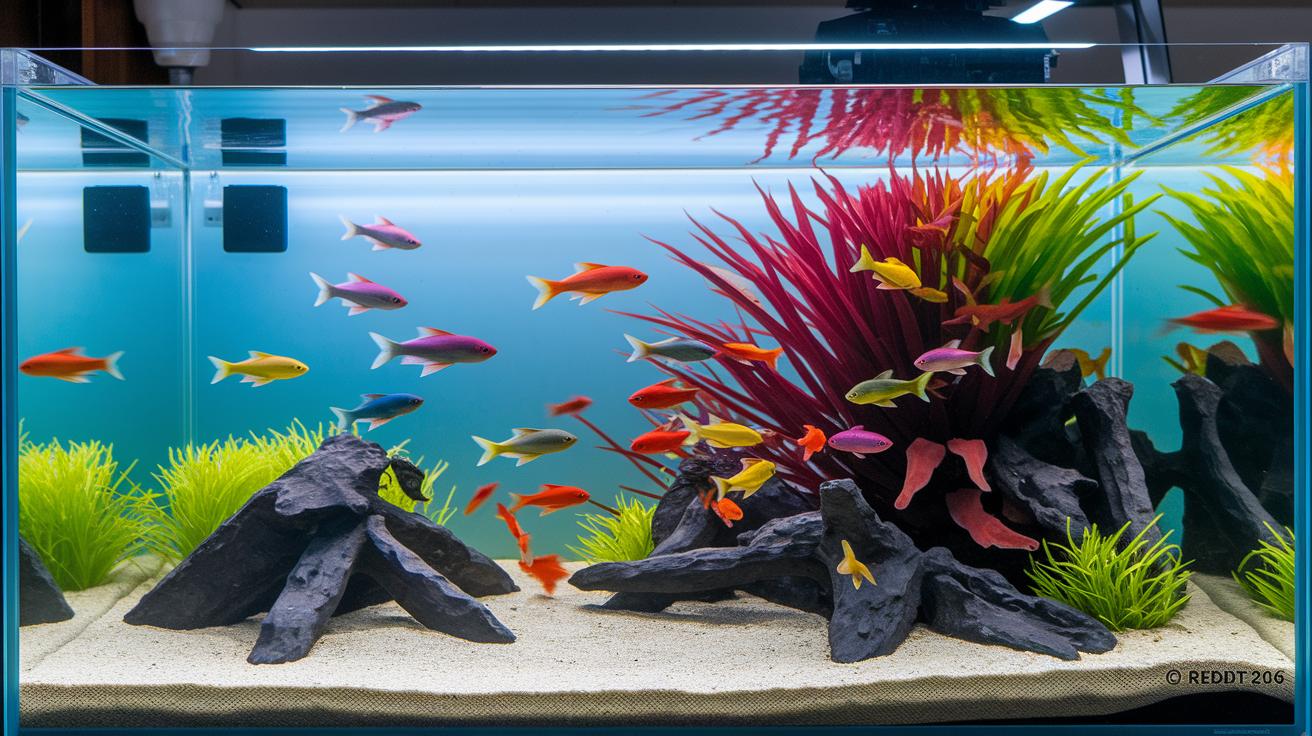
When setting up your tank, remember that mollies love having plenty of room to swim freely. For a small group, a tank of about 20 gallons is a great start. If you’re planning to keep sailfin mollies or a bigger bunch, you might want to go for something between 29 and 55 gallons, like a 30-gallon tank. It’s a bit like giving your fish their own little ocean to explore!
Keeping the water just right is key. Aim for temperatures around 75 to 80°F and a pH between 7.5 and 8.5. Think of it as setting the stage for a perfect underwater show. Also, keep the water hardness stable because your fish can get stressed by sudden changes. A smooth bed of fine gravel or sand not only looks natural, but it also helps keep things clean in the tank.
A good filter with a mid-to-high-flow is essential since it mimics the gentle currents of natural streams. This helps boost oxygen levels and manage waste, giving your mollies the healthy environment they need. It’s a smart idea to change about 25% of the water every week and rinse your filter media often to clear out any leftover debris. These little maintenance steps add a sparkle to the tank and help your fish thrive.
Overall, by giving your mollies plenty of space, keeping the water quality in check, and using an efficient filter, you create an inviting and lively home for them. Enjoy watching them dart around and bring life to your aquatic setup!
Feeding & Nutrition Guide for Molly Fish
Mollies do best when they eat a mix of foods, much like we enjoy a variety in our meals. They thrive on high-quality flakes, pellets, and gel food, and a little frozen brine shrimp or daphnia is a great way to add a protein boost. This extra treat helps mimic the diverse menu they’d find in the wild.
When algae is hard to come by, toss in some plant-based extras like spirulina flakes or a bit of chopped boiled spinach. These natural add-ons provide essential vitamins and minerals that keep their colors bright and lively.
It’s a good idea to feed your mollies two to three small servings each day. This routine supports their energetic nature without overloading the tank. Watch for signs of overfeeding, like long, stringy poop, which tells you it might be time to cut back.
| Food Type | Benefit |
|---|---|
| Flakes, Pellets, Gel Food | Balanced base diet |
| Frozen Brine Shrimp, Daphnia | Extra protein boost |
| Spirulina Flakes, Chopped Boiled Spinach | Vitamins and minerals for color and health |
Keeping a careful eye on feeding amounts and schedules not only keeps your tank sparkling clean but also helps your mollies stay active and full of life.
Breeding & Reproduction in Molly Fish
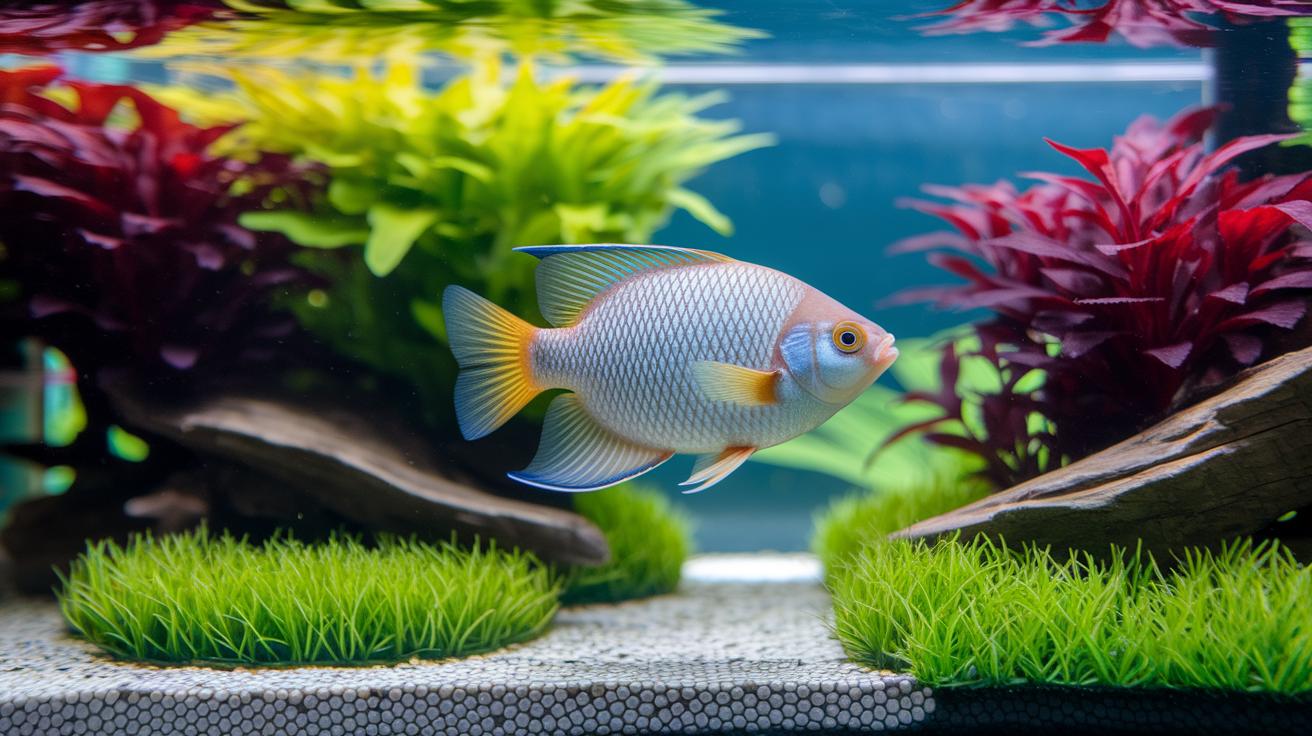
Molly fish are special because their moms give birth to live, free-swimming fry instead of laying eggs. It usually takes about 30 to 60 days for the little ones to develop. You can look for clues like a dark spot near the tail, a plump belly, or even a drop in movement when the mom is ready to give birth. It’s like watching a tiny, magical transformation in your aquarium.
Some young molly mothers might only have a handful of fry, while more experienced ones can have over 50 at a time. Setting up a special breeding tank or a quiet corner in your main tank with lots of live plants, like water sprite or Pogostemon, gives the fry a safe hideaway. These plants are like a natural shelter that protects the tiny fish from the adventurous adults.
After the fry make their debut, it’s a good idea to keep them separated from the grown-ups to prevent any chasing or accidental nibbling. For their first meals, a gentle feeding routine of infusoria or very fine, crushed flake food three to four times a day helps the fry grow strong. Keeping a close watch on their behavior and eating habits will tell you if they’re settling in well, building a solid foundation for a thriving molly population in your aquarium.
Gender Identification & Behavior of Molly Fish
When you look at mollies, you can tell the males and females apart quite easily. Males have slim bodies and a special anal fin called a gonopodium that helps them during mating. Some males, known as sailfins, even sport a long, graceful dorsal fin that makes them extra eye-catching. Females, meanwhile, have a rounder shape and a fan-like anal fin that gives them a softer appearance.
Mollies love company and thrive when kept in groups of at least five. Watching them move together in the tank is like seeing a lively school of fish dancing in a gentle current. Just a heads up, even though they are calm creatures, adult mollies might sometimes chase the little fry. So, make sure your tank has plenty of cozy nooks where the young ones can hide.
For a peaceful community tank, pick gentle neighbors like platies, swordtails, or friendly tetras.
- Keep mollies in groups so they can enjoy their natural social behavior.
- Avoid mixing them with overly aggressive or fin-nipping species.
By understanding the differences between the sexes and their need for social fun, you can create a balanced and joyful aquarium where all your aquatic friends feel at home.
Common Health Issues & Disease Management in Molly Fish
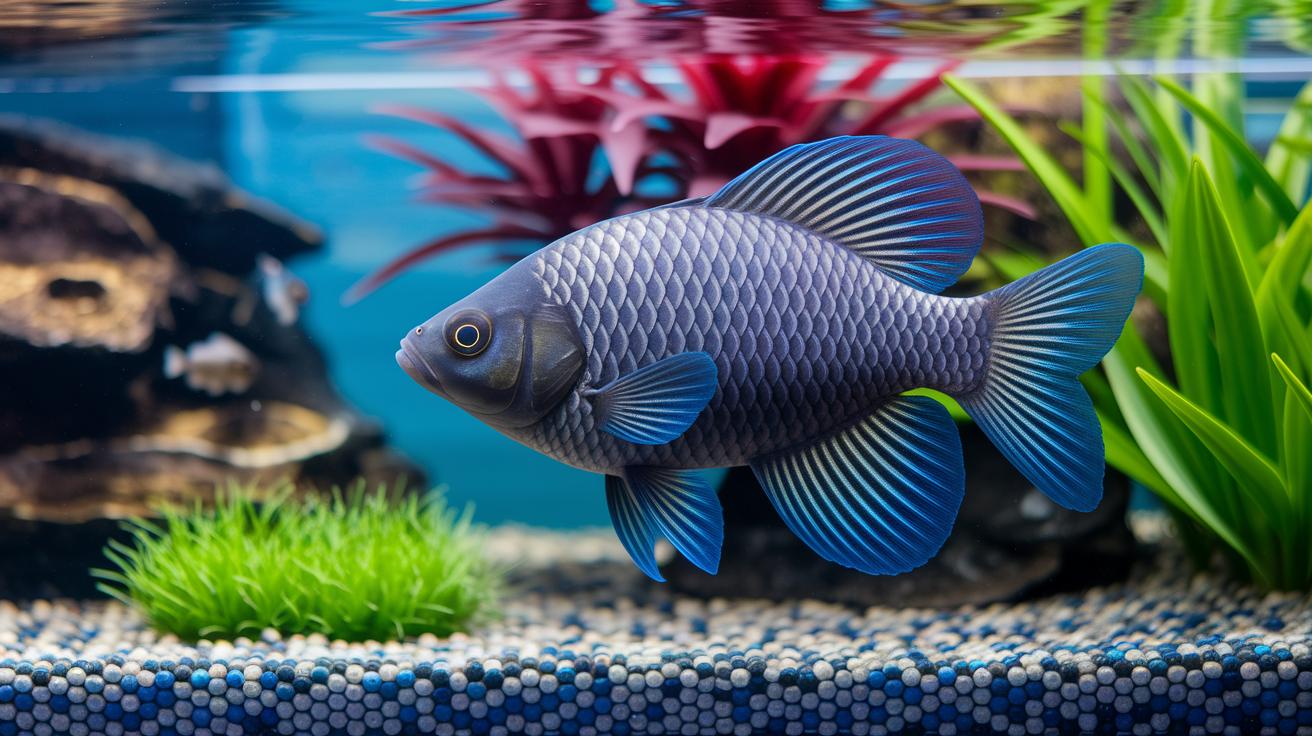
Molly fish can run into troubles like ich, fin rot, or swim-bladder problems if the water isn’t kept clean. Think of your fish tank like a cozy home; when ammonia and nitrite levels are at 0 ppm and nitrates are below 20 ppm, it’s like giving your fish a fresh, safe space to swim in. Regular water checks help you spot little changes before they become big issues.
When a molly starts acting odd, like having ragged fins, swimming strangely, or showing dots on its body, it might be a sign of ich or fin rot. A good way to help is by giving your fish a salt bath: use 1 teaspoon per gallon in water kept between 78°F and 80°F. A 25% water change while you’re treating the fish also helps wash away any irritants and keeps everything balanced.
Quarantining new fish for two weeks is another smart move. This extra time lets you keep an eye on them to make sure they’re healthy before joining the rest of your tank. It’s like giving them a little intro period in a separate space so any problems don’t spread.
- Keep an eye on your water quality to stop issues before they start.
- Set new fish aside for two weeks to make sure they’re healthy.
- Use gentle salt baths and steady water changes to treat ich.
When needed, broad-spectrum antibiotics can help fight off bacterial infections, keeping your mollies happy and healthy in their beautiful underwater home.
Popular Variants & Color Morphs of Molly Fish
Molly fish come in many vibrant shapes and colors that can brighten your aquarium like a special underwater parade. Short-fin mollies, sailfin mollies, and lyretail mollies each have their own charm. Imagine a black molly with deep, shiny scales catching the light as it glides by, it’s like watching little bursts of starlight in your tank.
Molly lovers also enjoy golden, white, and dalmatian types with their striking black spots. Albino mollies, with their unique red eyes, are fascinating and rare. There are also chocolate, gold dust, and orange variants that put a fun twist on the classic molly look.
Balloon-bodied mollies have a rounder, fuller shape that makes them really stand out from the usual sleek fish. Meanwhile, tiger-pattern mollies show off bold vertical stripes that grab your attention. Fancy-tailed mollies, with their long, flowing caudal fins, appear to dance gracefully in the water, like a gentle performance just for you.
In some collections, people proudly mix albino and tiger-pattern mollies to create an underwater art show that feels both lively and beautiful. With so many options, there is a perfect molly waiting for every fish lover.
Molly Fish Pricing & Sourcing Trends
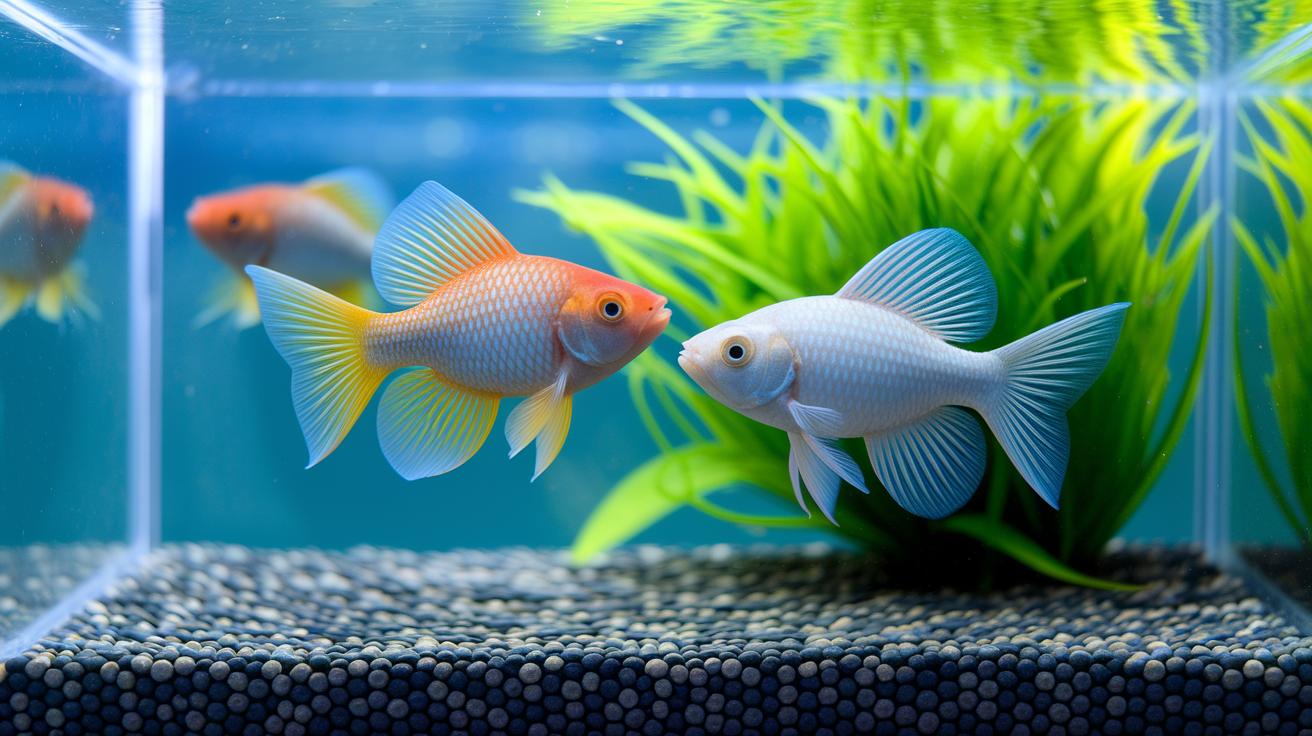
Standard mollies usually cost around $2 to $5 a piece, making them a smart pick if you're setting up a tank. Fancy types, like lyretail or dalmatian mollies, might go for $8 to $15 each. When you buy in bulk, you can often snag a nice discount from online sellers or wholesalers. Local pet stores tend to stock the classic black or sailfin types, while specialty breeders offer unique, limited-edition colors that add a special sparkle to your aquatic display.
When you’re checking out mollies, look for energetic fish with bright colors and clear eyes. These are signs of healthy, quality stock. Paying attention to market trends can help you decide if you want an affordable choice or a rare specimen with standout features.
| Type | Price Range | Source |
|---|---|---|
| Standard Mollies | $2–$5 | Local & Online Sellers |
| Fancy/Rare Variants | $8–$15 | Specialty Breeders |
Final Words
In the action, our guide covered everything from molly fish care essentials and tank requirements to balanced feeding and breeding care. We talked about gender identification, behavioral tips, and ways to manage common health issues. You learned how to set up a tank that keeps water quality optimal while creating a comfortable environment for your fish. Plus, we explored popular molly fish variants and pricing trends to help you make informed decisions. Enjoy creating a vibrant home for your aquatic friends and keep your underwater world thriving with care.