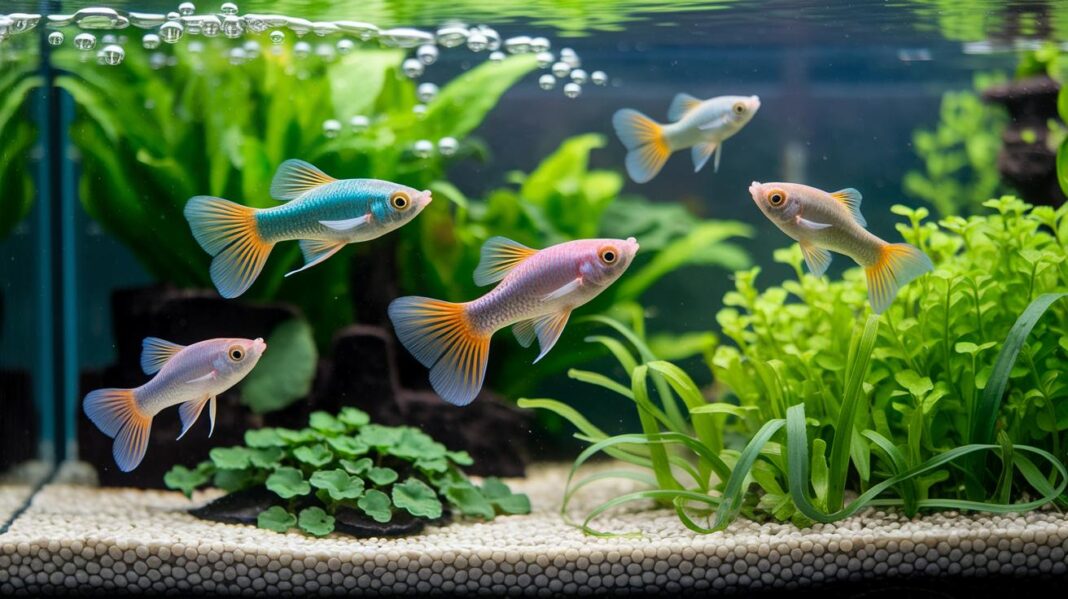

Ever thought a tiny tank could burst into life? Guppies bring a splash of bright color and energy, like the playful dance of sunlight on water. Their shining fins and curious moves give even a small setup a lively sparkle.
This guide shares easy tips to keep your guppies happy and healthy. We cover feeding tricks and basic water care, simple steps that can transform your tank into a shimmering underwater retreat. Isn’t it amazing how a few thoughtful changes can fill your little world with aquatic joy?
Essential Guppy Fish Care Overview
Guppies, often called million fish or rainbow fish, are a favorite in many home aquariums. Their bright colors and lively behavior add a splash of joy to any tank. They usually live about 2 to 3 years when you take good care of them, making them a fun pick whether you’re just starting out or have had aquariums for years.
In the wild, these little swimmers munch on insect larvae, bits of plants, and tiny algae. In your tank, try feeding them once or twice a day with just enough food to finish in about a minute. Fun fact: these fish have such dynamic personalities that even a small tank feels full of life!
When setting up your aquarium, space matters a lot. A 5-gallon tank can suit three guppies, but add about 2 more gallons for each extra fish. For long-term happiness, many hobbyists recommend a 10- to 20-gallon tank so the guppies have plenty of room to swim and even breed.
Keeping the water clean is the trick to happy guppies. Aim for water with a pH of 7.0 or higher and enough minerals like calcium and magnesium for good water hardness. Also, keep the temperature steady between 72°F and 82°F, that steady warmth helps them thrive. A reliable filter works like a gentle stream removing waste and boosting oxygen, which keeps the water clear and safe. Stick with these simple tips, and you'll have a thriving, vibrant aquarium that brings a bit of underwater magic to your day.
Guppy Fish Aquarium Setup and Water Parameters
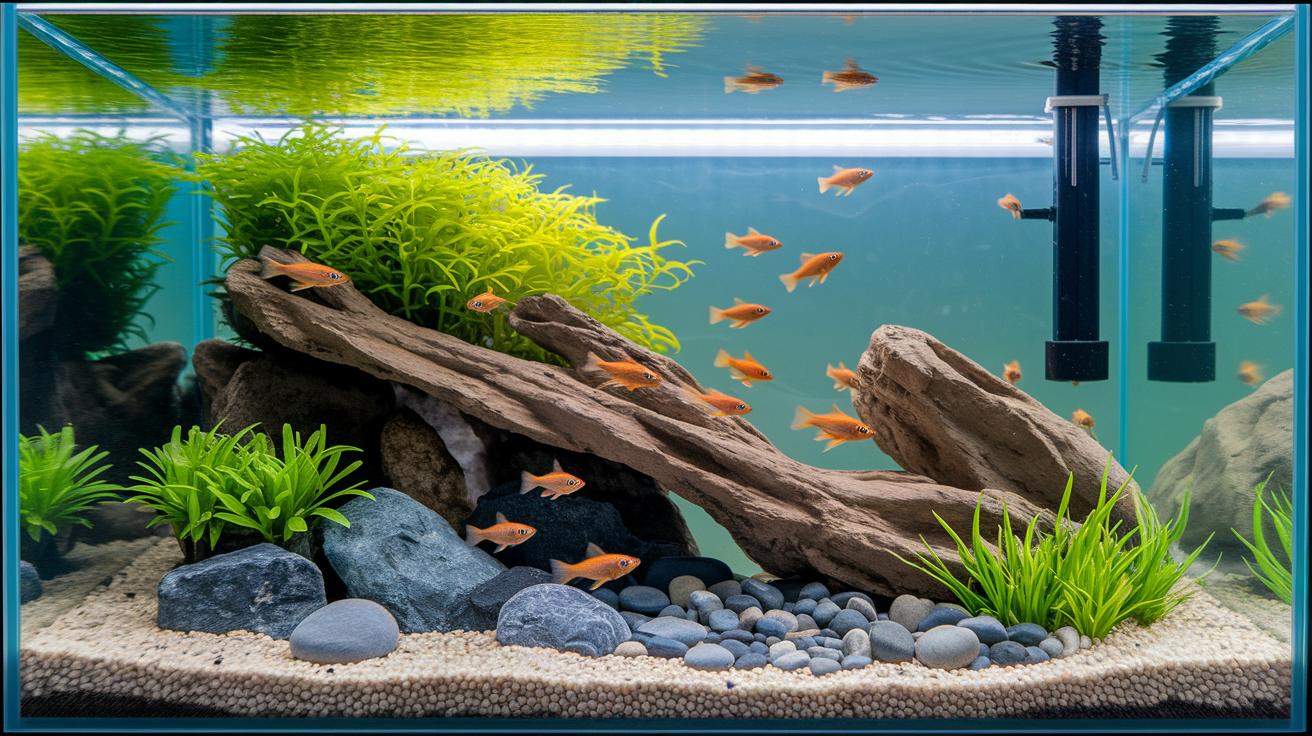
Before you dive into setting up your guppy tank, check the Essential Guppy Fish Care Overview for tips on tank size, water temperature, pH targets, and filter types.
Let’s talk extra setup details. Start by laying down 1–2 inches of well-rinsed freshwater sand or gravel as your substrate. This simple base mimics the natural riverbed that guppies love.
Then, add a splash of nature to your tank. Use live or fake plants, a few rocks, and small hiding spots to give your guppies a safe, homey feel. For instance, a neat little rock cluster at one end can create a cozy nook for your guppy fry.
Every day, take a few minutes to remove any uneaten food so the water stays fresh. Also, every 2–4 weeks, consider swapping out 10–25% of the water to keep everything crystal clear.
Guppy Fish Feeding Schedule and Nutrition
Guppies thrive when their meals are spread out during the day, just like the gentle ripple of water in your favorite aquarium. Feed your adult guppies once or twice daily and only give them as much food as they can gobble up in about a minute. This keeps the water clear and prevents extra food from spoiling the tank. Many fish keepers like to use quality flakes or pellets made just for freshwater livebearers, so your fish get the best nutrition.
For the little ones or fry, try feeding them three to five smaller meals spread throughout the day. Until they grow to about one inch long, crushed flakes are a safe and balanced choice. You can brighten up their diet by rotating live feeds like micro-worms, daphnia, or even mosquito larvae a few times a week to add extra protein. Some fish enthusiasts also mix in color-enhancement formulas with carotenoids to help bring out those vibrant hues. One day, go with a premium diet; the next, mix in some frozen or freeze-dried options. This varied feeding plan not only makes sure they get all the nutrients they need, but it also keeps your guppies busy and lively while promoting healthy growth and brilliant colors.
Breeding and Fry Rearing Guide for Guppy Fish
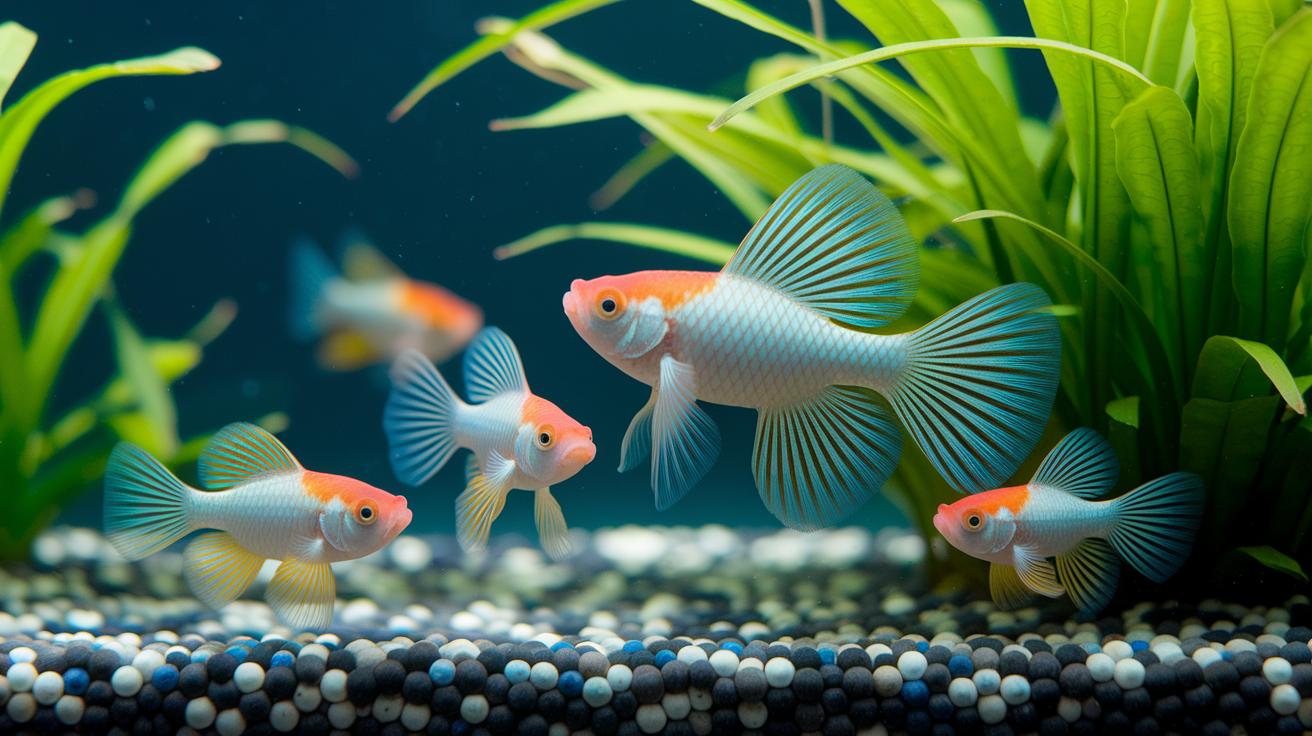
When setting up your guppy tank, try to keep one male with every two or three females. This little trick helps keep the females calm and makes breeding more successful. For instance, in a small tank, one male with three females gives everyone plenty of swimming room and lowers stress.
Female guppies carry their young for about 30 days before they give birth. Each time, you might see anywhere from 20 to 60 tiny guppies, a burst of new life that can light up your aquarium like morning sunshine on rippling water. Right after they're born, these little fry can be at risk if they stick around bigger fish, even their own parents.
To keep those tiny swimmers safe, add plenty of live plants or a breeding net to your tank. A breeding net creates a cozy little zone where the fry can grow strong and free from danger. Once they start darting around on their own, it’s best to move the adult fish to another tank so they don’t accidentally nibble on the youngsters.
Feed your fry small amounts of crushed flakes or micro-pellets until they get to about an inch long. Watching them gather together is like seeing a school of tiny acrobats, and grouping by size can help them learn and grow healthily. Keep an eye on their little adventures, and if needed, separate them by size to give each fish the best chance to thrive.
A well-planned breeding routine keeps your tank buzzing with energy and makes caring for your guppies a joyful experience. Enjoy every moment as your aquarium becomes a lively underwater world!
Identifying and Selecting Vibrant Guppy Fish Strains
Guppies have dazzled us with their bright colors since the 1860s. Breeders have lovingly enhanced these tiny wonders, turning their colors, patterns, and tail shapes into lively works of art. You'll often see the males with bold, vivid tones and a special little gonopodium, while the females are larger and sport a graceful, fan-like anal fin. Whether you’re enchanted by solid hues, two-toned, mosaic, pastel, or even albino types, each group brings its own magical touch.
Keep a keen eye on those tails, too! Common shapes like delta, fan, veil, and round each have a story to tell. For instance, a delta tail creates a striking silhouette that stands out, while a fan tail drifts softly, like a ribbon in a gentle stream. With a little knowledge of how traits pass down, thanks to a bit of Mendelian magic, you can spot the differences that help you pick the perfect fancy strain. Choosing the right fish as parents can bring out the best qualities in future generations, turning your collection into a vibrant underwater celebration.
Matching traits to create the look you desire is a mix of art and science. Embrace these insights as you pair your fish, keeping their unique charm alive. In doing so, your aquarium will not only sparkle with radiant, playful guppies but also transform into a joyful showcase that truly reflects your passion for aquatic life.
Health Management and Disease Prevention for Guppy Fish
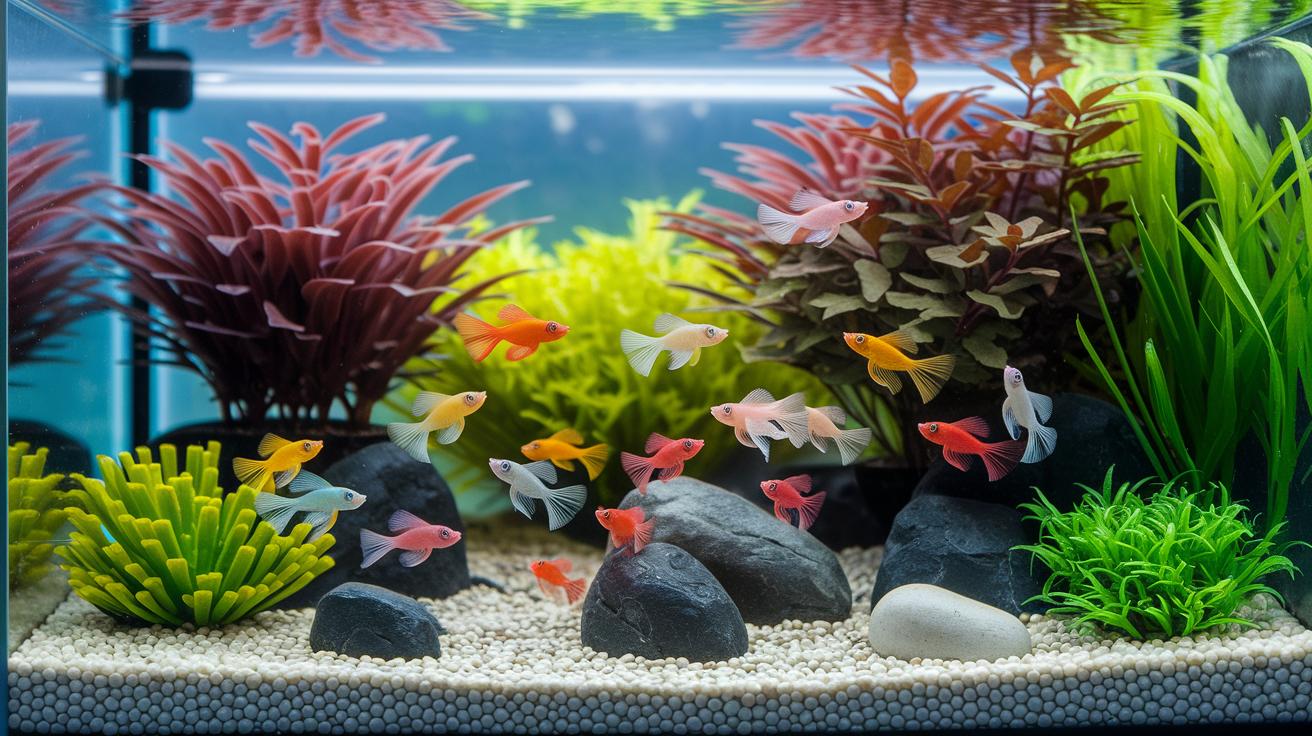
Sometimes, store-bought guppies might come with hidden health issues because they were packed too tightly during shipping. That’s why I always recommend keeping new arrivals separate for about two weeks. This little break lets you watch for signs like droopy eyes, faded colors, frayed fins, or if one fish seems less playful than the rest. It’s like giving them time to settle in, so you can catch any small problems before they spread.
Keeping your water crystal clear is super important, think of it like keeping a little stream clean. Check your water every week for things like ammonia, nitrite, and nitrate levels. A few regular water changes will help keep everything running smoothly. And don’t forget: under-crowding is key. Make sure your guppies have lots of little nooks, like plants or decorations, to hide and relax in.
If you spot a minor problem, a simple salt bath can often clear things right up. But if you see signs of serious issues, like ich or fin rot, it’s best to use specific medications right away.
By keeping an eye on your water, watching your fish, and acting quickly if something’s off, you keep your aquarium a happy, healthy underwater world.
Guppy Fish Community Dynamics and Compatibility
Guppies are happiest when they're with plenty of friends. Keeping at least three together makes them feel safe and lowers their stress, like a small fish neighborhood bustling with life.
Choose gentle, small tank mates to join your guppies, such as neon tetras or Corydoras. These peaceful companions help keep the tank calm while sharing in the fun.
- A good rule of thumb is to allow one inch of fish per gallon, which stops overcrowding.
- Set up the tank with open swimming areas and clusters of plants so guppies have plenty of space to socialize and quiet spots to relax.
Imagine your aquarium as a cozy little town where thoughtful planning keeps everyone happy. A well-arranged community tank not only fits the social nature of guppies but also creates a lively, colorful display that feels as cheerful as a sunny afternoon with friends.
Final Words
In the action, we explored the essential steps for a happy underwater home. We reviewed tank setup, water quality, feeding routines, and tips for breeding and health management. Each point blends into a guide that supports a balanced space and the well-being of your aquatic pets. The advice helps foster a peaceful tank where every detail matters. Enjoy seeing your guppy fish thrive and add a splash of life to your aquatic world.
FAQ
What is the price range for guppy fish and where can I find them?
The guppy fish price details show common strains starting around $3, while premium types can cost over $100. They are available at pet stores and online platforms like Amazon.
Which guppy fish species and varieties can I find with images?
The guppy fish species include many types with unique tail shapes and vibrant colors. Online galleries often display clear images and names to help identify different varieties.
How does guppy fish breeding work?
The guppy fish breeding process involves maintaining a male-to-female ratio of about 1:2 or 1:3. Females typically give birth every 30 days, producing 20 to 60 fry per brood.
How many guppies should be kept together in an aquarium?
Guppies thrive when kept in groups of at least three. Their natural schooling behavior helps reduce stress, so more fish create a lively and comfortable community.
What is the average lifespan of guppy fish?
Guppy fish usually live for 2 to 3 years when provided with proper care, including a balanced diet, clean water, and stable temperature and pH levels.
Are guppy fish easy to care for?
Guppies are easy to care for since they require a small tank, regular feeding, and consistent water changes. Their simple care needs make them popular among new aquarium owners.
What makes guppy fish special in the aquarium hobby?
Guppy fish are celebrated for their bright, appealing colors and active behavior. Their ability to breed easily and adapt well make them a favorite for hobbyists of all levels.