
Have you ever looked at your tank and wondered why the water isn’t as clear as you’d like? It might be time to give your water chemistry a little extra attention. Checking your pH (which tells you how acidic the water is) and hardness (a measure of the minerals in your tank) is a bit like tuning your favorite guitar, you need every setting just right so your fish and plants can thrive.
Even a small water change can feel like a refreshing ripple across a quiet pond, making your tank a safe and vibrant home where all your aquatic friends can happily swim and play.
Fundamentals of Aquarium Water Chemistry Balance
Water chemistry is the heartbeat of your aquarium. It’s not only about having crystal-clear water; it’s about crafting a safe space where harmful substances are removed and natural processes thrive. Think of it like giving your tank a touch of nature’s sparkle, a little water treatment goes a long way. For instance, did you know that a simple water change can be as vital as feeding your fish? It’s true because unseen toxins can build up over time, and your fish and plants deserve a clean home.
Keeping your aquatic world in harmony means watching a few key numbers, like pH, hardness (GH), and alkalinity (KH). Freshwater tanks shine best when the pH stays between 6.5 and 7.5, while saltwater tanks need a pH between 8.1 and 8.4. GH helps keep your fish’s inner balance steady, and KH makes sure the pH doesn’t swing wildly, just like fine-tuning an instrument to play in perfect tune. When these levels are just right, your fish feel less stressed and more ready to flourish.
Regular testing is like checking the pulse of your tank. Weekly tests with trusted kits let you keep an eye on pH, hardness, and other important factors, which in turn helps good bacteria and plants grow strong. By keeping track, you catch tiny changes before they become a bigger problem. In the end, every little measure you take helps make your aquarium a peaceful, healthy pond for your little swimmers.
Monitoring and Testing Techniques for Aquarium Water Chemistry
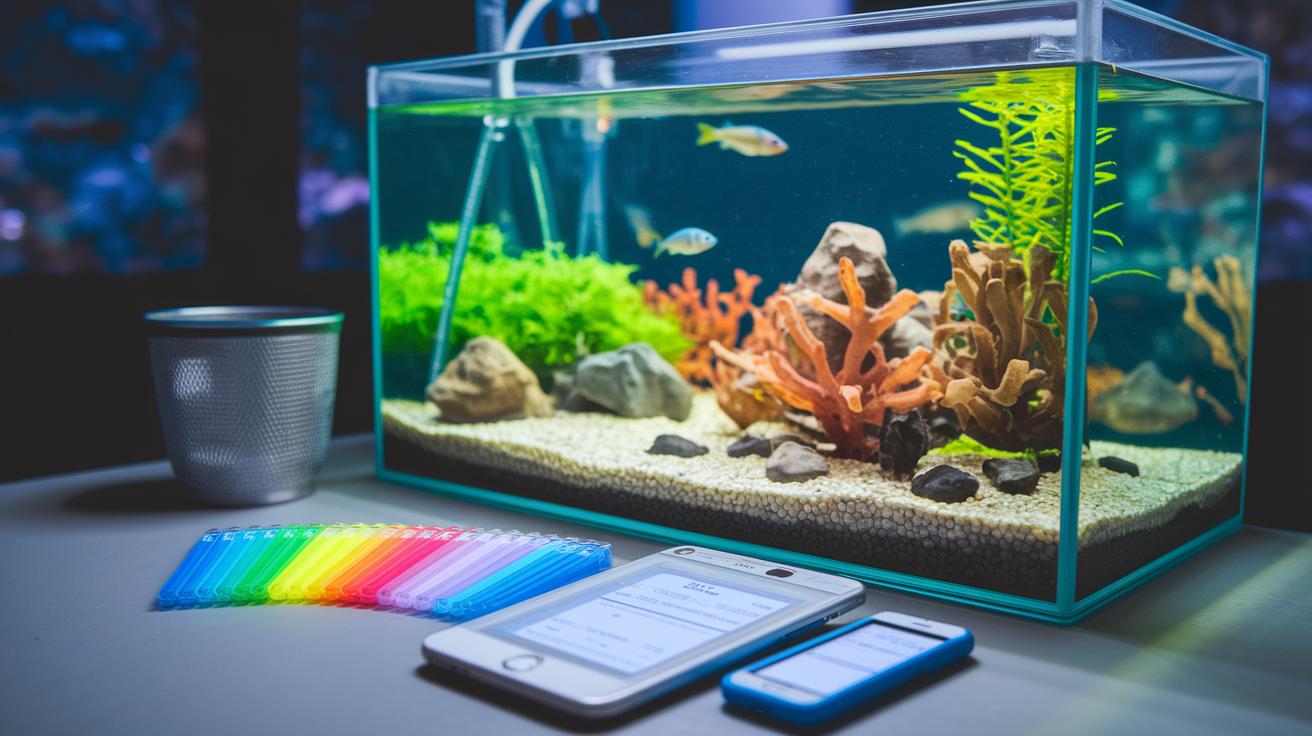
Testing kits are like trusty buddies that help you keep an eye on your aquarium's pH, temperature, ammonia, and chlorine levels. Using top-quality test strips is a quick way to check the acid and base balance in your tank, much like glancing at the gentle ripple of water over smooth stones. Many fellow aquarists grab these tools online at Sweetfysh, where you can find gadgets with easy-to-read digital displays. Keeping a regular schedule for testing means you can catch small problems before they grow into big ones.
Even the best equipment needs a little love. Electronic meters work best when you calibrate them with standard solutions, kind of like tuning your instrument before a favorite song. By choosing a dedicated kit for each measurement, every reading stays true to your tank’s real conditions. Think of calibration as setting the stage for your fish, a small effort that makes a huge difference in keeping your aquatic friends healthy.
- Pick out separate kits for each measurement.
- Calibrate your electronic meters every week using standard solutions.
- Test the water at the same spot and time each day.
- Log your readings to catch emerging patterns.
- Clean and store each tool according to the manufacturer's guidelines.
Jotting down these results helps you spot tiny shifts early, ensuring your tank stays balanced and your aquatic pals remain happy.
Managing Key Chemical Parameters in Your Aquarium Ecosystem Thrives
Taking care of your aquarium means watching over key elements like the nitrogen cycle. Tiny bacteria work behind the scenes, turning harmful ammonia into nitrite and later into nitrate, much like little custodians cleaning up the mess. When ammonia goes above 0.25 ppm or nitrite crosses 0.5 ppm, your fish start to feel stressed. And keeping nitrates below 40 ppm helps avoid long-term trouble.
It’s also important to monitor pH, carbonate hardness (KH), and general hardness (GH) because these factors work together to create a cozy, balanced home for your fish and helpful bacteria. Think of it as setting up an underwater haven where every part of your tank plays its role perfectly.
| Parameter | Ideal Range | Primary Correction Method |
|---|---|---|
| pH (Freshwater) | 6.5–7.5 | Buffer adjustments |
| pH (Marine) | 8.1–8.4 | Marine buffers |
| Ammonia | < 0.25 ppm | Water changes and biofilter support |
| Nitrite | < 0.5 ppm | Enhance biological filtration |
| Nitrate | < 40 ppm | Regular water changes |
Balancing these details is a bit like putting together the pieces of a beautiful underwater puzzle. Regular testing, timely water changes, and using buffers when needed all help keep your tank calm and clear. When everything flows smoothly, your fish can swim happily in a stress-free, vibrant environment that feels as soothing as a gentle river current.
Filtration and Biological Processes for Water Chemistry Control
Mechanical filters act like gentle nets that sweep away bits of debris floating around. Meanwhile, biological filters offer a cozy home for friendly bacteria, which work to change harmful ammonia and nitrite into much safer nitrate. Chemical filters, using stuff like activated carbon or resin, help clear out toxins such as chlorine, chloramines, and heavy metals. Together, these filter types create a team effort that keeps your water clean and balanced for your aquatic pals.
Keeping a solid community of good bacteria is a big deal for water chemistry control. These tiny helpers break down waste and keep the water’s ion levels steady. A little routine, like gently rinsing your filter media during water changes, can keep these bacteria happy and efficient. It’s much like taking care of your garden; healthy bacteria mean fewer toxins and a natural balance that lets your tank blossom.
Good water quality isn’t just about filters, though. Boosting aeration by adding air pumps or extra circulation can raise the oxygen in your tank. This not only makes your fish feel great but also makes those helpful bacteria work even better. When you combine regular chemical clearing with thoughtful aeration, your tank turns into a peaceful, well-tuned habitat where every part of the ecosystem thrives.
Maintenance Routines and Dosing Strategies for Aquarium Water Chemistry Balance
Keeping your aquarium in great shape makes it a happy home for both fish and plants. Every week, a small water change, about 10 to 20%, helps wash away toxins and refreshes the minerals in the tank. Along with this, a monthly deep clean of the substrate and filter parts gets rid of any built-up organic matter, keeping your water crystal clear. Water conditioners are like little helpers that quickly neutralize chlorine and heavy metals in tap water, so your aquatic friends can stay safe. And don’t forget to check on your equipment, heaters, filters, and air pumps all need a little love to keep the environment stable. For more helpful supplies, you can explore aquarium cleaning tools at https://sweetfysh.com?p=50.
Dosing your aquarium with the right chemicals is just as important as regular cleaning. Think of it like following a recipe where every ingredient matters. When you add additives properly, it helps keep the balance of pH, hardness, and other key factors just right. Whether you’re using a buffer to soften the impact of sudden pH changes or remineralization salts to add vital nutrients, precise dosing avoids long-term issues. A tiny error in measurement can shift the balance, so taking your time and adding the correct amount is essential.
Figuring out the right dose is a bit like solving a fun puzzle. First, know the size of your tank in gallons or liters. Then, compare your water test results with the ideal levels to see what needs a little adjustment. Finally, follow the guidelines on your product to measure out the exact amount for your tank. This step-by-step method makes it easier to create a safe and cozy underwater world for all your aquatic life.
Advanced Treatments and Natural Conditioning for Aquarium Water Chemistry
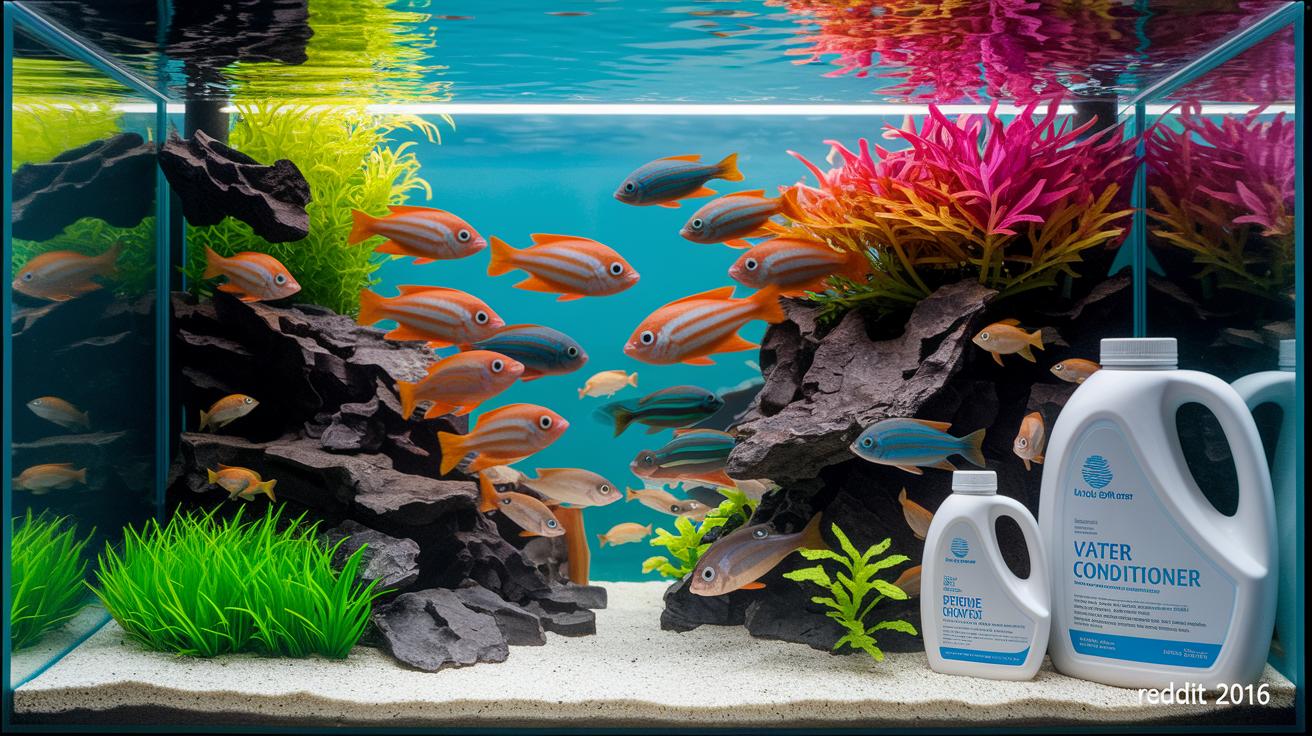
Commercial water conditioners work quickly to take out chlorine, chloramines, and heavy metals during every tank fill, giving your fish a fresh and safe start. Buffer solutions, like KH buffers, and remineralization salts help stop sudden pH drops by adding key electrolytes into the water. It’s smart to add these supplements slowly, too much can throw your balance off. When adjusting your pH, begin with a tiny dose and watch as the water slowly improves. Did you know a small tweak in buffer dosage can keep the pH stable for days? Just remember to follow the manufacturer’s tips to avoid any sudden changes that might stress your fish.
Natural extracts offer a soft, organic touch for water care. Things like peat moss tannins and almond leaf acids are great for tanks with fish that need a gentle pH drop, such as blackwater species. These natural conditioners lower the pH gradually, giving your aquatic pals time to adjust. Plus, trace element mixes not only support plant health by boosting photosynthesis but also benefit the fish’s overall wellness. By blending these organic treatments with careful monitoring of your doses, you create a balanced environment where both your fish and plants thrive together.
Troubleshooting Common Water Chemistry Issues in Aquarium Ecosystems
When the balance in your tank gets off, like quick spikes in ammonia, nitrite, or nitrate, your fish are in trouble. These sudden changes can stress them out and even make their colors fade, kind of like when a storm suddenly darkens a calm sea. Usually, skipped water changes or a filter that hasn’t been cleaned well can be the cause. Keeping an eye on your tank's readings is just like listening to the gentle murmur of a busy stream, small changes today might turn into big problems if they go unnoticed.
In moments like these, quick action keeps your aquarium safe. A fast, partial water change can help wash away harmful toxins while you work on getting everything back to normal. Adding a little bit of old filter media to your system reintroduces the good bacteria that help break down the bad stuff into something much safer. And don’t forget to boost the air in your tank; more oxygen not only helps your fish breathe easier but also supports the bacteria that keep your water clean.
Once things start to settle down, it’s important to keep testing the water so you know your fixes are working. Regular checks and little tweaks in your routine ensure that any lingering issues are caught early. If the chemical levels still seem off, try adjusting your buffers or doing another partial water change until you’re sure your tank is back in balance and your aquatic friends are safe.
Final Words
In the action, this guide showed how key water tests, proper equipment, and careful dosing create a balanced underwater home. We touched on pH, KH, GH, and filter work to keep your tank safe and vibrant.
Careful monitoring and regular testing help you fine-tune managing water chemistry in your aquarium ecosystem. Small daily steps make a big difference, so keep at it. Enjoy the rewarding calm and beauty of your thriving aquatic space.
FAQ
What is a Freshwater aquarium water parameters chart?
A freshwater aquarium water parameters chart shows ideal ranges for pH, hardness, and key chemicals. It serves as a handy visual guide to keep your water balanced for healthy fish.
What are the signs of poor water quality in an aquarium?
Signs of poor water quality include cloudy water, algae blooms, fish lethargy, and unusual behavior. These signals mean it’s time to recheck your water treatment practices.
How does a Freshwater aquarium water parameters chart PDF help?
A freshwater aquarium water parameters chart PDF offers a digital reference that you can print or view anytime. It lets you quickly compare your water test data with ideal ranges.
What does aquarium water chemistry mean?
Aquarium water chemistry refers to the balance of minerals and compounds like pH, hardness, ammonia, nitrite, and nitrate. This balance is crucial for fish comfort and overall tank health.
What do NO2 and NO3 levels in an aquarium indicate?
NO2 (nitrite) and NO3 (nitrate) levels indicate how well your tank’s biological filter is working. High levels can stress fish, prompting adjustments to maintain a safe environment.
How are aquarium water parameters explained?
Aquarium water parameters break down key measurements such as pH, KH, GH, and toxin levels. This explanation helps you understand how each factor affects your fish tank’s ecosystem.
What makes the best freshwater aquarium water parameters chart?
The best chart clearly lists ideal water value ranges and provides simple tips. It helps you quickly spot when your water is off balance so you can take prompt action for healthy fish.
How does one fix high NO2 and NO3 levels in an aquarium?
Fixing high NO2 and NO3 involves more frequent water changes, checking your filter’s performance, and possibly adding beneficial bacteria. These steps bring toxin levels back into safe ranges.
How do you manage water quality and keep your fish tank balanced?
Managing water quality means regularly testing the water, doing proper water changes, and using water conditioners to keep pH and chemical levels in check. This routine keeps your fish comfortable.
How does water chemistry affect fish?
Water chemistry affects fish by influencing their immune systems and overall health. Proper chemical balance reduces stress and supports vibrant, active fish.
What happens if carbonate hardness (KH) is too high?
When carbonate hardness (KH) is too high, it can lead to pH fluctuations that stress fish. Lowering KH through water changes or buffering methods helps maintain a stable, comfortable tank.