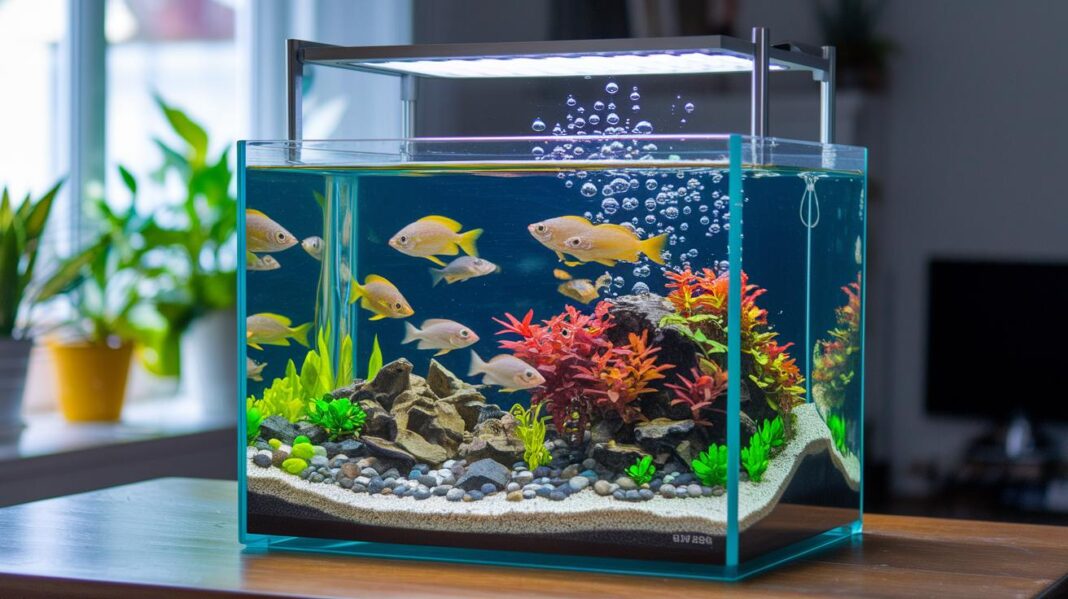

Ever wonder how to create your own mini ocean that pretty much takes care of itself? Building a sustainable aquarium is a lot like setting up a small underwater world where fish, plants, and little helpers live together in perfect balance. When nature does most of the work, you get to sit back and enjoy the colorful dance of life in a calm, soothing space.
This guide shows you an easy way to design an aquarium that stays balanced, leaving you more time to relax and admire your lively underwater world.
establishing a sustainable aquarium ecosystem sparks vibrant life
Building a self-sustaining aquarium is like creating a tiny ocean where nature takes care of itself with just a little guidance. It’s all about keeping the water in balance so that your fish, plants, and helpful bacteria work together naturally. This approach makes your tank a lively, almost magical space where nature runs the show, letting you simply enjoy the mesmerizing dance of aquatic life.
- Pick a tank size between 20 and 30 gallons and choose a perfect spot. For example, if your space is snug, a 20 gallon fish tank is just right for keeping the water steady and cozy.
- Lay down a nutrient-embedded mix of gravel or sand. Think of this as a comfy bed where plant roots and friendly bacteria settle in to work their magic.
- Set up an eco-friendly filter, like a sponge filter or a low-flow canister filter. This gentle helper cleans out waste without disturbing the natural rhythms of your little underwater world.
- Introduce live plants and add a dose of beneficial bacteria. The plants soak up extra nutrients while the bacteria start breaking down waste, which feels a lot like nature’s way of keeping things fresh.
- Let the nitrogen cycle begin by testing for ammonia, nitrite, and nitrate over 4 to 6 weeks. This waiting period gives your tank time to build up those good bacteria that turn harmful substances into something much milder.
- Gradually invite in compatible fish or shrimp. Adding them slowly helps keep the balance between thriving plant life and the growing population of water buddies.
After the cycling process and a few water top-offs, your tank becomes mostly self-regulating. With just a few occasional checks on water quality, you can sit back and watch as nature takes over, turning routine care into a peaceful, natural rhythm.
Aquarium Sustainability Design Principles for Low-Impact Tanks

When putting together your tank, choosing the right materials is like picking the perfect home base for your fish. You know, when you decide between glass and acrylic, it's really about what matters most to you. Glass tanks are super sturdy and can last many years, helping you cut down on waste. And if you opt for recycled glass, you're giving nature an extra high-five by reducing your carbon footprint. Acrylic is lightweight and easy to move, though you might need to change it out more often. It's a bit like choosing between a rock-solid castle and a cozy, portable lodge for your aquatic friends.
| Design Element | Sustainable Option | Key Benefit |
|---|---|---|
| Substrate | Gravel/Sand mix (1.5–2″ depth) | Helps plant roots and bacteria thrive |
| Tank Material | Recycled Glass | Reduces carbon impact |
| Hardscape | Reclaimed Driftwood/Stone | Brings a natural look while recycling materials |
| Lighting | LED (6–8 hrs/day) | Saves energy and helps control algae |
Next, picture your tank layout as crafting a mini underwater world. You might set up themes that mimic natural water scenes, using organic decorations like a sprinkle of leaves and hidden roots to create secret hideaways for little critters. This kind of design not only lets your fish behave naturally but also supports the overall balance of the ecosystem. With thoughtful choices in materials, smart layouts, and eco-friendly touches, your aquarium becomes a calm, harmonious retreat that runs smoothly with minimal fuss.
Natural Water Filtration Processes in a Sustainable Aquarium Ecosystem
Keeping your aquarium water clean isn't just about using mechanical or chemical filters. Instead, nature steps in with a quiet, behind-the-scenes system that uses good bacteria and plants to break down waste and keep your tank in balance. It’s like watching a clear stream run over smooth pebbles, nature taking care of its own.
Ammonia Oxidation
When fish swim and plants drop leaves, waste and decaying bits release ammonia into the water. Here, Nitrosomonas bacteria quietly start the clear-up by turning ammonia into nitrite. It’s much like how a stream rushes to clean up after a storm, working quickly to reduce toxins.
Nitrite Oxidation
Next up, Nitrobacter bacteria take over and change nitrite into nitrate. This is important because nitrate is much safer for your aquatic friends. Think of it as nature making a tricky substance gentle enough for the tank, a kind act that eases the burden on your fish.
Nitrate Assimilation
Finally, the plants use the nitrate as food, which helps them grow and further purifies the water. If your tank doesn’t have many plants, doing a water change of 10–20% monthly can help remove extra nitrate. This way, your tank mirrors the natural water cycle, keeping everything balanced and peaceful.
Renewable Aquatic Plant Selection for Plant-Driven Filtration

Plants do more than make your aquarium pretty, they work hard to keep the water clear and full of oxygen. They suck up extra nutrients and pump out oxygen through photosynthesis, which is just nature’s way of keeping the water fresh. This dual role helps control waste while supporting a lively, healthy aquatic space. In other words, live plants act like natural filters so you don’t have to rely on heavy mechanical cleaning to balance your tank.
Here are some great picks to get started:
- Water Sprite – quickly soaks up nutrients
- Valisneria – fills in the background beautifully
- Anubias – a tough, slow-growing option
- Java Fern – fits in nicely even in low light
- Amazon Sword – its broad leaves are great for taking in nitrates
- Hornwort – a floating plant that competes with algae
- Cryptocoryne – feeds mainly through its roots
Finding the right planting density is key to keeping the filtration running smoothly over time. Mixing a variety of these plants is like having a team where everyone plays a part, so no one species takes over and you get steady nutrient pickup and oxygen release. Keeping the substrate about 1.5 to 2 inches deep and tossing in a bit of fertilizer when needed can really boost the plants’ performance, ensuring your aquarium stays in a natural, balanced rhythm.
Low-Impact Aquarium Fish Stocking for Sustainable Fish Habitats
When setting up your fish tank, it helps to match the number of fish to how well your filter works. Your tank’s natural cleanup crew – the plants and the friendly bacteria – need time to handle all the waste. Choosing small, compatible species helps keep the home balanced without putting too much pressure on the system. This gentle stocking method keeps the bioload light and the water quality high, so the ecosystem flows naturally and steadily.
Here are some favorite picks to keep your aquarium light and lively:
| Recommended Species |
|---|
| Guppies |
| Neon Tetras |
| Cherry Shrimp |
| Endler’s Livebearers |
| Otocinclus Catfish |
| Small Rasboras |
To keep stress and extra waste to a minimum, try adding just one or two new fish each week. This slow approach lets you observe the changes in your water and ensures each new fish has time to settle in smoothly. It also gives you a chance to check your water parameters – like ammonia, nitrite, and nitrate – and see how your plants are doing. This gradual, careful stocking creates a sustainable, balanced home for your aquatic friends.
Energy-Efficient Equipment in Sustainable Aquarium Ecosystem Setup

LED lights with timers and brightness controls can make your tank shine without guzzling energy. Try running them for about 6–8 hours each day to give your fish a calm, steady glow. I once set mine for 7 hours daily, and it created such a peaceful ambiance that even my cat seemed to relax nearby.
Low-power filters and pumps are a smart pick too, they work hard to keep your water clean while drawing less than 5 watts each. Sponge filters or gentle canister filters do a great job by using both mechanical and biological methods. It’s a bit like having nature’s own cleaning crew, quietly at work.
And why not consider renewable energy options? Adding small solar panels or a battery backup can really trim your power usage, especially for low-voltage pumps. I tried a battery backup in my setup, and it kept everything churning smoothly, even during short power cuts.
Resource Balancing and Water Quality Management in a Sustainable Aquarium
Regular water changes are the heartbeat of a thriving tank. Swapping out 10–20% of your water each month is like gently clearing the fog from a sunlit pond, it removes built-up waste and keeps everything in check. Plus, keeping an eye on water temperature, pH, nitrates, and phosphates helps you know if your aquarium is finding its natural rhythm, much like listening to the soft murmur of a trickling stream.
A gentle siphon can really be a game changer when it comes to cleaning. This simple, chemical-free tool lets you carefully lift debris from the substrate without disturbing the friendly bacteria that work quietly in your tank. It’s a bit like slowly raking the leaves in your garden, keeping the water clear and your aquatic pals stress-free.
Another neat trick is setting up a deep sand bed. Over time, the cozy, dense layer of sand creates a space where nature takes over, transforming harmful nitrates into harmless nitrogen gas. This natural process means you won’t need to worry about constant cleaning, giving the good biofilms room to settle in and keep your water calm and steady.
Long-Term Maintenance Tips for a Healthy Sustainable Aquarium Ecosystem

Your aquarium is like its own small underwater world. Once your natural setup is ready, try to set aside time every three to six months for a gentle clean. Check the filter media and softly vacuum the gravel, a bit like clearing fallen leaves from a pond, to keep your tank fresh without disturbing the friendly bacteria that help it run on its own.
Next, keep an eye on your tank's health by checking water details like pH, nitrate levels, and temperature. These tests are simple yet helpful, much like noticing the soft ripple on the water. If you see any small changes, consider it a friendly reminder to adjust your care routine before things get out of hand, ensuring your aquatic friends continue to thrive.
And remember, less can be more. Avoid cleaning too aggressively every day because doing so may wash away the tiny microbes that quietly work to keep your water clear. Let your aquarium settle naturally, which means you’ll have a balanced, sustainable environment that needs only thoughtful care over time.
Final Words
In the action, we covered the essentials, from selecting a 20–30 gallon tank and nutrient-rich substrate to setting up eco-friendly filters and live plant zones, all to guide you in establishing a sustainable aquarium ecosystem. We touched on natural water filtration, ethical fish stocking, energy-saving equipment, balanced resource use, and long-term care basics. Keep these tips in mind to shape a harmonious underwater habitat that offers balanced chemistry and minimal upkeep. Cheers to a bright future and thriving aquatic home.
FAQ
Q: How will you create an aquatic ecosystem which is self-sustainable?
A: Creating a self-sustainable aquatic ecosystem means setting up a balanced tank with live plants, compatible fish, and beneficial bacteria. It begins with choosing the right tank size, preparing a nutrient-rich substrate, and letting the nitrogen cycle mature.
Q: Can a fish tank be an ecosystem?
A: A fish tank can serve as an ecosystem when live plants, helpful bacteria, and suitable fish work together. Natural processes keep water clear and balanced, reducing the need for constant maintenance.
Q: What is the most resilient fish in the aquarium?
A: The most resilient aquarium fish is often a hardy species like guppies or Endler’s livebearers. Their adaptability helps them thrive in a balanced tank, even when conditions experience slight changes.
Q: Can you turn a fish tank into a paludarium?
A: Turning a fish tank into a paludarium involves adding both aquatic and terrestrial elements. This mix creates semi-land areas that support fish and land plants, offering a unique and integrated ecosystem experience.