

Ever notice your tank doesn’t glisten like it used to even when you’re doing your best? Sometimes a little mix-up, like choosing a home that's too small or cramming in too many fish, can disturb your watery haven.
Many new fish lovers might miss a few important steps, like the cycling process, a simple routine that helps keep the tank clean and safe. I once forgot about it too, and it made me wonder if my fish ever felt uneasy.
In this guide, I’ll share how these little blunders can unsettle your aquarium and offer easy tips to keep your fish happy and their home calm. Stick around, and let’s turn those tiny errors into big wins for your underwater world.
Top Common Mistakes in Aquarium Ecosystem Setup and How to Prevent Them
It’s important to know the common traps because even small missteps can upset the calm rhythm of your tank. Many new fishkeepers believe that a small tank is easier to manage, but they soon learn that smaller spaces are very sensitive to quick changes in temperature, pH, or water quality. Overcrowding your tank is another mistake, it makes waste pile up fast and can overwhelm your filter, leading to harmful spikes in ammonia and nitrite. Skipping the tank cycling process stops the growth of friendly bacteria that help turn toxic substances into safer nitrates. And if you don’t keep an eye on key water factors like pH, temperature, ammonia, nitrite, and nitrate, your fish might get stressed or worse. Lastly, using weak filtration leaves debris and toxins behind, making the water less safe and forcing you to work harder to keep things clean.
- Picking a tank size that can’t handle quick changes
- Putting too many fish in one tank, which speeds up waste build-up beyond what the filter can handle
- Skipping the crucial cycling phase that builds up a healthy bacteria colony
- Not checking important water quality details that keep your fish safe
- Relying on weak filters that allow dangerous toxins to build up and require more frequent cleaning
The best way to fix these errors is to plan ahead and stick to a regular maintenance routine. Here’s a neat fact: even a tiny change in pH can start a ripple effect that puts your fish at risk. So, pick a tank size that suits the guidelines, follow stocking charts to balance the number of fish, and give the cycling process the attention it deserves, sometimes aided by proven probiotic boosters. Use trusty test kits to check your water regularly and invest in strong filtration. This way, you create an aquarium that is as peaceful as a quiet pond and as lively as a bubbling stream.
Tank Size and Overstocking Mistakes in Aquarium Ecosystem Setup

Picking the right tank size is key to keeping your water calm and clear. In smaller tanks, water chemistry and temperature can shift faster than you might expect, which can stress out your fish. So if your tank is too small, your fish might not feel at home. And when you add too many fish, waste piles up too quickly for your filter to handle, turning your tank into a bit of a mess. For instance, if you cram 10-15 small fish into a 20-gallon tank, you might see sudden spikes in ammonia and nitrite that can make your fish uneasy.
| Tank Size | Max Small Fish |
|---|---|
| 10–20 gallon | 6–10 |
| 20–50 gallon | 10–15 |
| 50+ gallon | 15–25 |
Using stocking charts to calculate your tank's load makes sure you don’t overcrowd it, keeping both the water stable and your fish cheerful. Just think of it like planning a friendly underwater gathering where everyone has enough space to swim freely.
Nitrogen Cycle Oversights in Common Aquarium Ecosystem Setup
Getting your tank properly cycled is like laying the perfect foundation for a cozy underwater home. If you skip this crucial step, you can end up with nasty toxins lingering in the water, a risk no fish fan wants to take.
Understanding the Nitrogen Cycle
Inside your tank, fish waste turns into ammonia, which can quickly spike to dangerous levels if left unchecked. Then, a group of helpful bacteria comes into play by changing that ammonia into nitrite, another harmful substance. Finally, more of these good bacteria help convert nitrite into nitrate, which is much safer for your fish. Think of it like cleaning a room step by step: first you make a big mess, then you start tidying up, and in the end, everything’s in order. Sometimes, a boost from probiotic nutrient supplements can give those friendly bacteria the nudge they need.
Phases of Tank Cycling
The cycling process begins when waste builds up and sends ammonia levels soaring. Next, bacteria get to work, turning the ammonia into nitrite, even though that step can leave a brief period of stress for your fish, like waiting out a long, hot afternoon. As more beneficial bacteria join the party, they shift nitrite into nitrate, signaling that your tank is getting safer. Always remember to test your water regularly and wait until the cycle is fully complete before adding more fish. This way, you keep the water as clear and inviting as a calm, clear pond on a sunny day.
Water Quality Mismanagement in Aquarium Ecosystem Setup
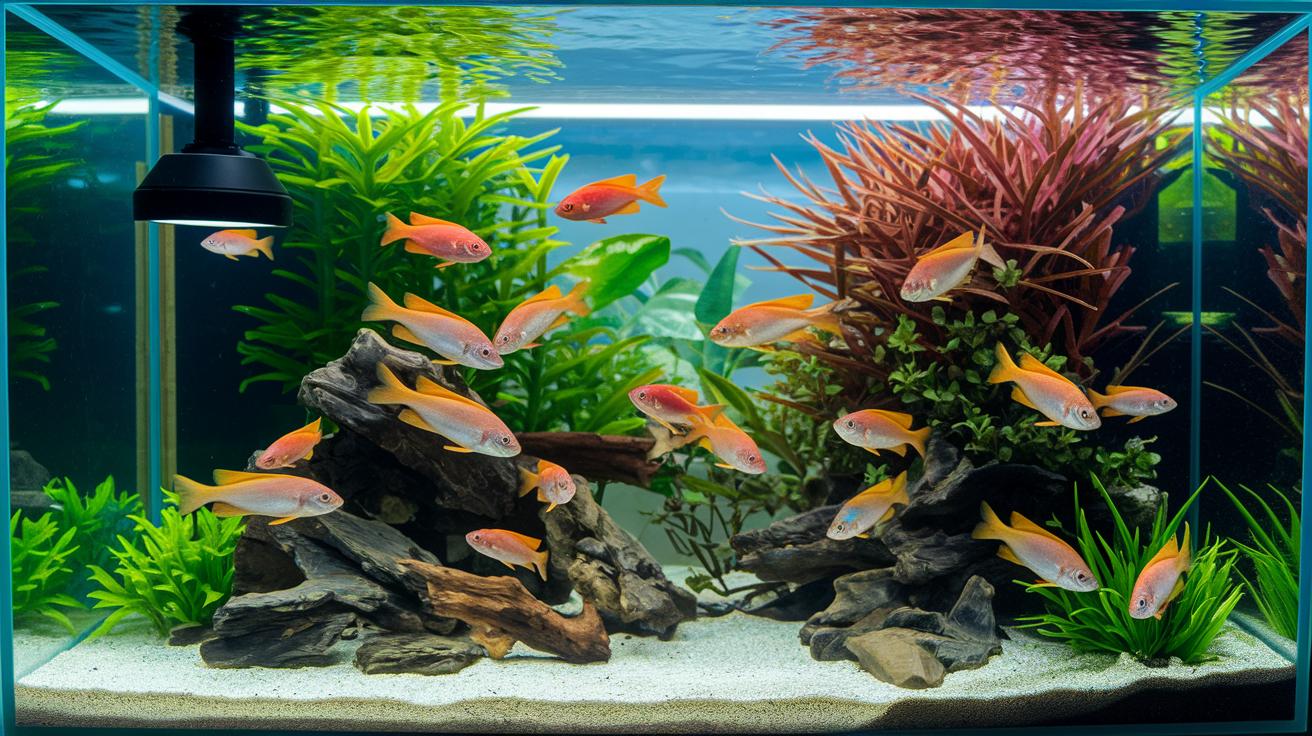
Keeping your aquarium water just right is essential for your fish to thrive. Think of pH, temperature, and nutrients like ammonia, nitrite, and nitrate as the ingredients in your fish’s favorite dish. If these factors shift too quickly, your fish might get stressed or even be in danger. Checking your water often lets you spot changes early, so you can tweak your filters or do a water change before any real harm happens.
Sometimes, even with tests, things can be tricky. One day the pH could seem fine, but a small delay in testing might hide a rise in ammonia or nitrite. For instance, a reading that appears normal now might later show harmful spikes if you don’t test regularly. In those moments, trying a different test kit or batch can clear up the confusion and show you if you need to act quickly.
Reliable test kits are like having a trusted guide in your tank. Kits that check pH, ammonia, nitrite, and nitrate – whether using strips or liquid – are a smart choice. Setting up a simple routine, like a weekly test, keeps your water clear and your fish safe. Regular checks let you catch small changes before they become big problems, keeping your tank as calm and inviting as a quiet pond on a sunny day.
Filtration and Circulation Errors in Aquarium Ecosystem Setup
Picking the right filter is a big deal if you want to keep your tank water sparkling clean. There are different kinds of filters, like hang-on, canister, or sponge filters, and each one comes with its own set of perks and downsides. If your filter is too small or not built for your tank’s needs, you might end up with debris, waste, or even harmful toxins sticking around. This means you’ll have to clean your tank more often and it could even put your fish at risk.
Getting the water flowing at just the right speed is also very important. A smooth flow helps spread oxygen evenly throughout the tank. Without good circulation, you can end up with still spots, areas where the water hardly moves. Those dead zones might have lower oxygen and weird temperature changes, and that can stress out your fish. It’s a bit like sitting in a quiet corner of a lively room where you miss all the fun conversations.
Taking care of your equipment on a regular basis is just as important as choosing the right gear. Make sure you clean your filter parts often so nothing gets clogged up. Keep an eye on your pump too, ensuring it’s free of any blockages or signs of wear. Taking a little time to inspect and replace worn-out bits can make a huge difference in keeping your underwater world healthy and happy.
Incompatible Species and Plant Maintenance Errors in Aquarium Ecosystem Setup
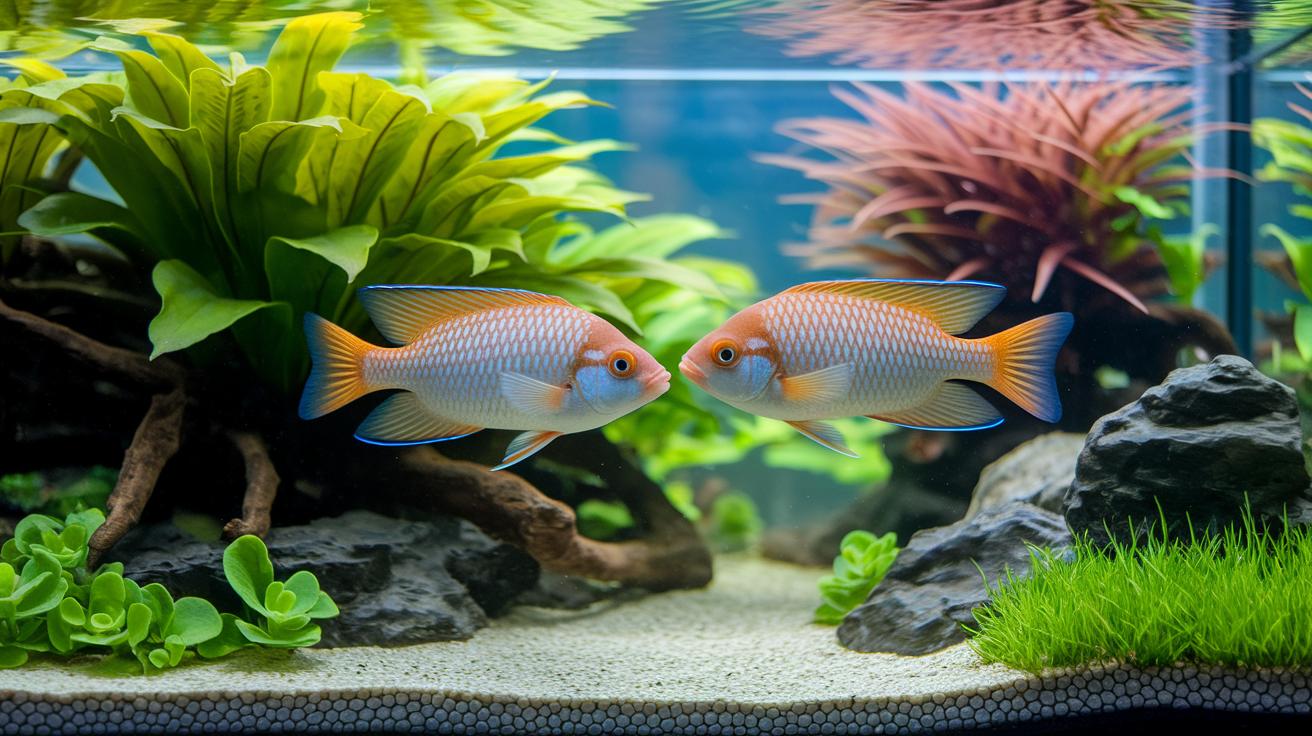
When setting up your tank, matching fish that share similar needs is super important. Every fish has its own likes and dislikes, whether it’s water temperature, pH levels, or having enough space to swim about. For example, pairing a skittish fish with a bolder one, or fish that like different water temperatures, can create constant stress for your finned friends. It’s a bit like throwing a party with a mixed playlist, what grooves one guest might annoy another.
Choosing the right plants is just as key for a happy tank. Hardy plants that can handle your water conditions help keep the whole ecosystem steady. Look for plants that naturally help control algae when you trim them regularly; sturdy options like Anubias or Java fern are great because they are easy to care for and fit many setups. Regular trimming is like tidying up a room, it stops overcrowding and keeps the tank looking fresh.
Balancing both the fish and the plants means watching how they work together. A well-planned tank pairs fish and plants that share similar needs, creating a calm and lively underwater home. This careful mix not only keeps your fish less stressed but also lets your aquatic world stay bright and healthy over time.
Maintenance Routine Oversights in Common Aquarium Ecosystem Setup
Keeping your tank clean is like tending a little underwater garden where every ripple matters. A steady cleaning routine helps you keep algae and debris in check, so even a few minutes every few days can prevent bigger issues later on.
Sticking to a regular water-change schedule is just as important. Changing a bit of water often sweeps away built-up waste and keeps the water cozy and safe for your fish. Whether you do tiny, frequent top-offs or plan a big change now and then, you’re helping your tank’s balance stay smooth and steady.
For easy upkeep, break the process into simple steps. Start with your filter: turn it off and gently rinse the media in some old tank water to protect the good bacteria that live there. Then, grab your vacuum to clean up any food bits and organic debris settled on the bottom. After that, wipe down the glass with a sponge or gentle scraper to banish algae. Finally, check your water’s pH, ammonia, nitrite, and nitrate levels. This way, you catch any changes early before they stir up trouble. By keeping up with these steps, you make sure your aquatic friends have a happy, clear, and vibrant home, just like a stream in nature.
Final Words
In the action, we've covered key points like tank size, nitrogen cycle, water quality, filtration, and species compatibility. Each small section reminded us why careful planning matters for a thriving aquatic home.
We also shared practical tips to avoid setup errors and ease maintenance, ensuring a safe and vibrant underwater world. By understanding these common mistakes in aquarium ecosystem setup, you're well on your way to creating a beautiful, healthy home for your finned friends. Enjoy setting up your underwater haven!
FAQ
How does tank size impact aquarium stability?
The tank size impacts stability as smaller tanks are less forgiving of abrupt changes in temperature and water chemistry, which can stress fish and lead to unexpected hazards.
How does overstocking affect water quality?
The overstocking affects water quality by causing waste to accumulate faster than the filter can process, leading to dangerous levels of ammonia and nitrite that stress your aquatic pets.
What is the role of a proper cycling process in a new aquarium setup?
The proper cycling process plays a key role by developing beneficial bacteria that break down toxic ammonia and nitrite into nitrate, ensuring a safer environment before adding fish.
How should I manage water quality parameters effectively?
The effective management of water quality parameters means regularly testing pH, temperature, and toxin levels to avoid harmful imbalances that can stress or harm your aquatic life.
How do filtration and circulation issues affect my aquarium ecosystem?
The filtration and circulation issues affect your ecosystem by failing to remove debris and toxins, creating dead zones and low-oxygen areas that can compromise fish health.
Why is matching fish species with proper plant maintenance essential?
The matching of fish species and proper plant care is essential because it helps avoid conflicts, meets specific water needs, and ensures that both fish and plants thrive harmoniously in your tank.
What are common maintenance routine mistakes to avoid?
The common maintenance routine mistakes impact your aquarium by skipping regular water changes, filter cleanings, and parameter checks, leading to unstable water quality and stressed aquatic life.