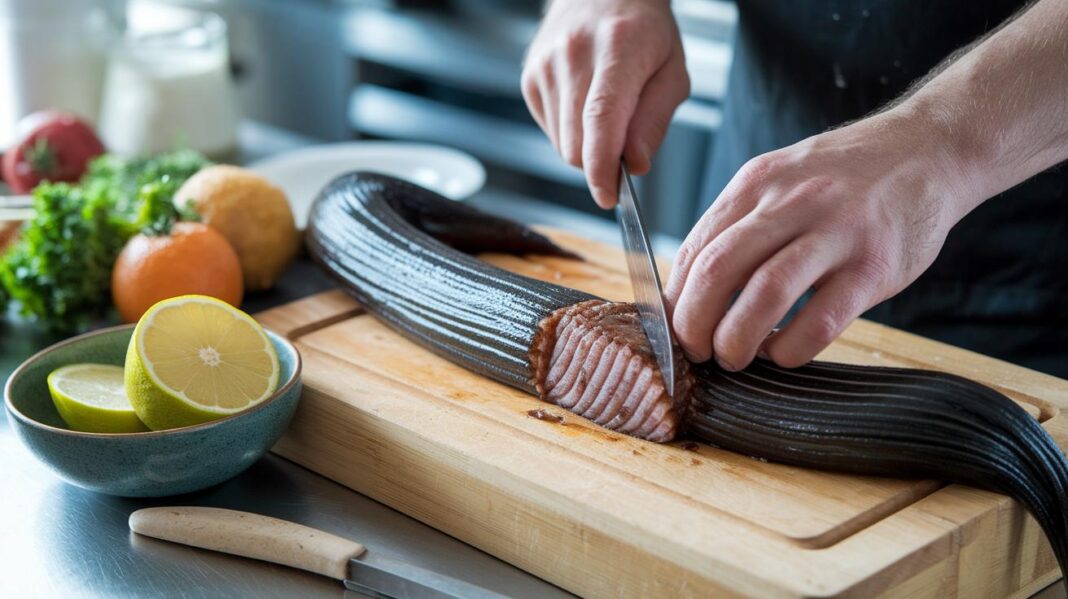

Have you ever wondered if a slippery swimmer could mix nature’s little secrets with delicious flavors on your plate? Freshwater eels aren’t just odd-looking creatures. They follow a natural guide through wide, flowing waters while inspiring cooks to get creative in kitchens everywhere.
These fascinating fish lead lives full of hidden surprises that make us rethink what we know about nature and taste. Their journey through the water is much like a gentle current carrying whispers of wonder along smooth stones.
In this article, we dive into the magical world of freshwater eels and explore why chefs around the globe have grown fond of including them in their culinary adventures.
Freshwater Eel Biology and Natural Habitats
Freshwater eels are truly one-of-a-kind underwater wonders. These slippery swimmers have special bodies and clever tricks that help them live in all sorts of watery homes. For instance, while electric eels are more closely related to carp and catfish, they can create a shock of up to 800 volts. This powerful burst helps them catch a meal or scare away a threat, much like a sudden splash in a calm pond.
These eels have a built-in sense that feels the earth’s very own magnetic field, guiding them on long, winding journeys. Both European and American eels use this natural compass to swim all the way to the Sargasso Sea. Their long lives, sometimes lasting 70 to 80 years, add an air of mystery to their already fascinating tale. And here’s a fun fact: the toxin in eel blood turns harmless when heated to about 136°F, a quirky detail that has even shaped cooking traditions in some places.
Living out their days in a mix of habitats, from quiet rivers and streams to coastal brackish zones, these eels adapt in ways that are as impressive as watching water ripple over smooth stones. Though scientists still work on breeding them in captivity, wild populations hold all their secrets. Even as changes in their environment pose challenges, these resilient creatures continue to captivate all who learn about them.
Freshwater Eel Lifecycle and Behavior Insights

Freshwater eels start their lives in the big, endless ocean as tiny, leaf-shaped larvae called leptocephali. They float along with the ocean currents until they eventually find their way into rivers or streams. Once they reach freshwater, they transform into the familiar eel shape and begin their upstream journey. This mystery of their spawning, something scientists have never really seen in captivity, feels a bit like watching a quiet ripple on a pond hinting at hidden depths.
As these eels grow up in rivers, many choose to be active at night and stay near the bottom. This helps them avoid many of the daytime predators. For example, young Asian swamp eels can be quite bold, using their strong jaws to stand up even when they’re still small. In contrast, other eel species move with a calm, steady grace along the riverbed, much like a slow-moving stream that carries life along its path.
Some eels have picked up cool tricks to help them catch food. Consider the moray eel, which even has a second jaw to help swallow its meals. This neat adaptation isn’t just about eating, it's a sign of how every part of an eel's life comes with its own set of tactics for survival. From the vast, churning ocean to the gentle, winding freshwater flows, their journey is all about change and careful moves in a watery world.
Freshwater Eel Species Selection for Home Aquariums
If you're looking to spice up your tank with something a bit unusual, freshwater eels can be a fun choice. These eels come in different sizes and have their own personalities, so there’s an option for just about every kind of aquarium. Some eels are small and gentle, great for limited spaces, while others grow larger and have more active lifestyles that need room to roam.
When picking a freshwater eel, think about how big it will be and how it might interact with your tank's setup. For example, if your tank has pretty live plants or other little tank mates, you'll want to know if the eel might disturb them. It’s like choosing a pet that will happily share your space!
If your aquarium is on the smaller side, a species like the half banded spiny eel might be a good fit. They tend to stay compact, though they might still give your delicate plants a little nudge. On the other hand, if you’re aiming for a show-stopping display in a larger tank, creatures like the fire eel or zig zag eel could steal the spotlight, even if they require a bit more upkeep.
| Species | Maximum Size | Temperament | Recommended Tank Size |
|---|---|---|---|
| Half banded spiny eel | 8″ | Mild; may uproot plants | 40-50 gal |
| Fire eel | 40″ | Aggressive; keep solitary | Large tank |
| Tire track eel | 26″ | Calm | Moderate tank |
| Zig zag eel | 40″ | Varied juvenile patterns | Large tank |
| Purple spaghetti eel | 17″ | Adaptable; true eel | Brackish to freshwater setup |
| Peacock (Siamese spiny) eel | 12″ | Beginner-friendly | 40-50 gal |
Freshwater Eel Tank Setup and Care Essentials

When putting together a home for your freshwater eel, you need to think about the eel's size and natural habits. If your eel might grow really big, some even reach up to 8 feet, then you’ll need a tank over 500 gallons with a strong filtration system that cleans the water, much like a river smoothing out rough rocks. For smaller eels that get cozy in a 40–50 gallon tank, keeping the pH steady around 6.5–7.5 and having a gentle water flow can make all the difference.
Next, consider the details that bring your aquarium to life. Some eels, like the half banded spiny eel, enjoy stirring up soft plants, so adding heavier décor or sturdy rock arrangements can help keep things in place. Using a heater and a dedicated filtration system is essential for a consistent, comfortable temperature and for cleaning waste, imagine it as adding the final touches to a beautiful underwater garden. It all comes down to keeping a close watch on the water’s chemistry, much like noticing the peaceful hum of a quiet stream.
For species like the purple spaghetti eel, a slow transition from brackish to freshwater is key to meeting their unique needs. Ensuring a calm water flow with little turbulence near the bottom helps keep these sensitive creatures stress-free. In short, regular maintenance, careful observation, and thoughtful setup tweaks are your best friends when it comes to creating a serene, happy home for your aquatic companion.
Freshwater Eel Feeding, Nutrition, and Safe Handling
Freshwater eels are true carnivores, meaning they love their protein-packed meals like fish, shrimp, and bloodworms – whether they're fresh or frozen. Young eels get fed twice a day to help them grow, while adults enjoy one meal daily. It’s like having a perfectly balanced snack time that powers their secretive, active lives and mirrors the smooth, steady flow of a gentle stream.
Handling these slippery friends calls for extra care because even a little nibble can turn into a bite. That’s why using feeding tongs is a wise idea – it keeps both you and your eel safe, much like carefully maneuvering a fragile sea shell. With a steady hand and a mindful approach, you turn each feeding moment into a calm, safe enjoyment for both of you.
Keeping the water clean is just as important as the right meal plan. Leftover food can cloud your tank quickly, so it’s best to clear away any scraps within about ten minutes. This routine not only helps maintain a healthy, crystal-clear home but also prevents harmful buildup. It’s like ensuring a clear riverbed – a little care makes a big difference in keeping your eel happy and your aquarium serene.
Freshwater Eel Culinary Traditions and Unagi Recipes
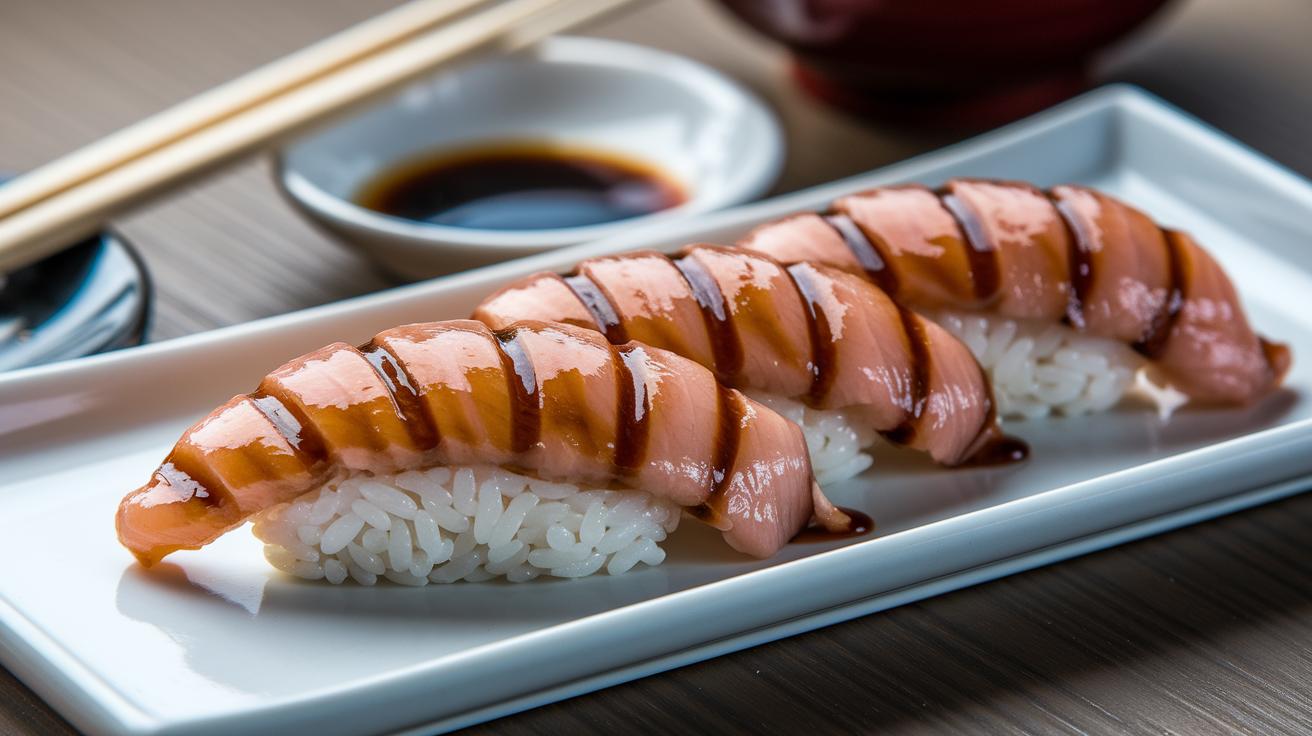
Freshwater eel has a long, delicious history in the world of food, especially in the art of unagi sushi. Imagine the gentle ripple of water as the eel is cooked just right, its blood toxin neutralized at 136°F to make sure every bite is safe and tasty. It almost feels like a little secret hidden in the cooking process, adding to the fun of preparing this dish.
In Japan, the kabayaki style of cooking is a favorite. Here, the eel is grilled and brushed with a sweet soy glaze that makes its natural omega-3 goodness shine through. Watching it glow under the light is like seeing a soft shimmer on water after a rain shower.
When it comes to choosing sushi-grade unagi, freshness is a must. Chefs carefully select the best cuts so that the eel’s flavor can stand out on its own. In traditional dishes such as unagi rolls and nigiri, the eel is paired with lightly seasoned sushi rice and just a drizzle of kabayaki sauce. This simple blend lets every part of the dish come together perfectly.
- Nigiri Unagi: Tender grilled eel sits on a small mound of seasoned sushi rice with a gentle brush of kabayaki sauce.
- Maki Roll Unagi: Sliced eel is rolled with crisp cucumber, creamy avocado, and a touch of sweet soy glaze, all wrapped in seaweed.
- Unadon: Char-grilled eel rests atop warm, steamed rice for a comforting, homestyle treat.
- Kabayaki Unagi: Eel is marinated and grilled with a sweet soy glaze, finished with a sprinkle of finely chopped scallions.
- Unagi Tempura: Lightly battered eel is fried until crispy and served with a tangy dipping sauce alongside steamed rice.
Each regional style shows how old traditions blend with new ideas, creating a dish that is as intricate in flavor as it is comforting to the soul.
Freshwater Eel Conservation and Sustainable Harvesting
Freshwater eels are facing tough times today. Their numbers are shrinking because too many are caught and their natural homes in streams and rivers are getting damaged. This situation upsets the natural balance that many local creatures, and even communities, rely on for culture and food.
New fishing rules in places like the EU and the U.S. are trying to help. These rules set strict limits on catching eels and even close off seasons when eels are most vulnerable. Researchers are also experimenting with ways to mimic natural cues that encourage eels to finish their life cycles in controlled settings, even though breeding them in captivity still needs work.
At the same time, the trade of eels is stirring up extra worries. Unchecked trading can lower eel numbers even more. That’s why conservation efforts now focus on finding a balance between market needs and keeping wild eel populations healthy. With tighter guidelines and creative new breeding experiments, there is hope that we can preserve the charm and balance of our freshwater ecosystems for everyone who loves them.
Final Words
In the action of exploring freshwater eel biology, lifecycle insights, species selection, tank care, feeding methods, culinary traditions, and conservation measures, each section acts as a clear guide for passionate fish lovers. The article paints a picture of how to set up a beautiful, balanced home aquarium while understanding the needs of these unique fish. Every detail aims to boost your confidence in creating a vibrant underwater refuge. Enjoy your time as you care for a thriving freshwater eel habitat!
FAQ
Freshwater Eel for Sale and Availability
The query about freshwater eel for sale highlights that eels can be bought both online and at local aquatic stores. Availability varies by location, so check local retailers for up-to-date selections.
What are freshwater eel species?
The reference to freshwater eel species means there are many types, each with unique sizes and care needs. Hobbyists can choose variants that best suit their tank conditions and personal interests.
Which tank mates are suitable for freshwater eels?
The inquiry about freshwater eel tank mates focuses on finding peaceful companions. Some eels do well with calm, non-aggressive fish, so a careful selection helps reduce stress in the aquarium.
What does a small freshwater eel for an aquarium involve?
The question about a small freshwater eel for an aquarium refers to miniature species that thrive in compact tanks. These eels need a well-planned habitat and are great for hobbyists with limited space.
What determines freshwater eel price?
The freshwater eel price depends on species, size, and where you purchase them. Costs vary, so it’s wise to compare prices between local stores and online sellers before buying.
What should be considered for a freshwater eel aquarium?
The topic of a freshwater eel aquarium involves designing a setup with ample space, proper hiding spots, and stable water conditions. These elements ensure the eel stays healthy and stress-free.
What is the role of freshwater eel in sushi dishes?
The freshwater eel sushi query explains that eel is a popular sushi ingredient. Chefs prepare it carefully, using techniques that neutralize toxins while maintaining its rich flavor and nutritional benefits.
Are freshwater eels safe to eat?
The question about the safety of eating freshwater eels indicates that proper cooking neutralizes any toxins. Traditional recipes like unagi make sure that the eel is both safe and delicious to enjoy.
Do freshwater eels occur in the US and can they be kept as pets?
The inquiry on US freshwater eels and their suitability as pets reveals that some species are native to North America. Keeping them requires a careful setup and proper care to meet their unique needs.
Are there any true freshwater eels?
The reference to true freshwater eels means that only a few species are genuine freshwater dwellers. These eels inhabit rivers, streams, and brackish areas, differentiating them from similar-looking species.