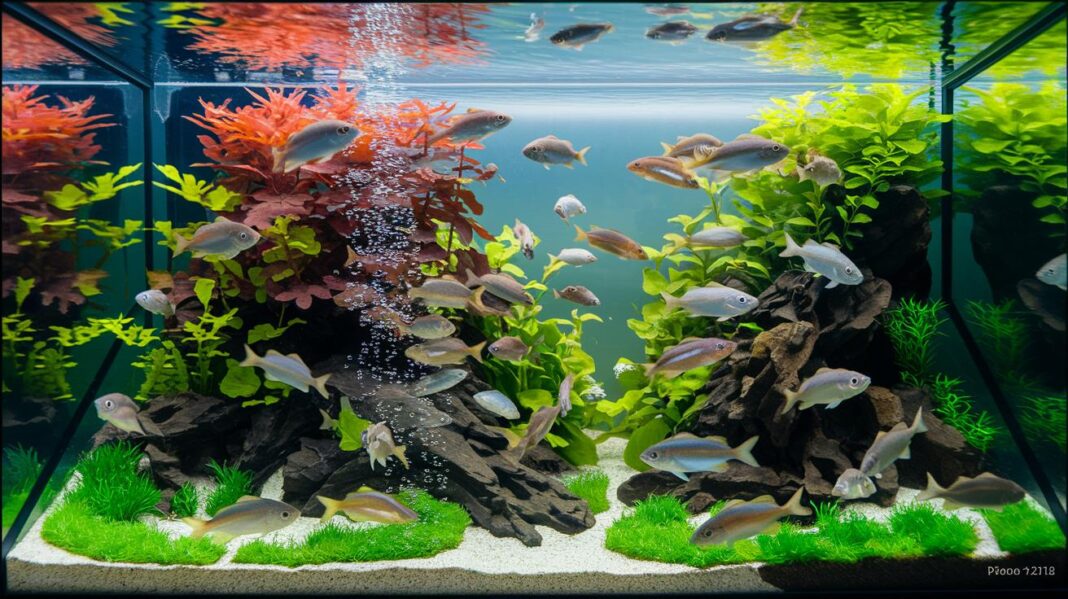

Have you ever stopped to think about your aquarium’s hidden energy? Beneath the surface, everything works together like a little underwater kitchen, turning sunlight into the power that keeps every creature thriving. A tiny bit of energy makes its way up the food chain, helping fish, snails, and cleaners stay lively. In this chat, we’ll dive into how light, aquatic plants, and the different roles of consumers and decomposers join forces to keep your tank balanced. It might just change the way you see your aquarium.
Core Principles of Energy Flow in Aquarium Ecosystems
Light from the sun sets everything in motion in your aquarium. The water plants and algae soak up this light, turning it into a kind of stored fuel that keeps the tank buzzing with life. They work like a friendly kitchen, preparing energy that feeds everyone from small fish and snails to the tiny helpers that clean up leftovers. Together, these energy channels create a balanced, healthy underwater world.
- Producers
- Consumers
- Decomposers
Only about 10% of the energy makes it from one level to the next. Most of it is lost as heat or used up during everyday life, leaving just a little spark for the creatures higher up the food chain. This tiny boost means that the strong growth of aquatic plants and algae is crucial, they provide the main fuel for all the other inhabitants. When energy is used wisely at each step, every creature helps build a stable and happy habitat, and even the waste gets nicely broken down by decomposers.
Role of Producers and Photosynthesis in Aquarium Ecosystem Energy Flow

Aquatic plants and algae are the heart of your underwater world, turning sunlight into the energy that helps every creature thrive. They take in light and use photosynthesis, a process where sunlight is switched into chemical energy, to create oxygen and build the foundation of biomass. This natural magic is what keeps your fish, snails, and other tank buddies happy.
There are a few things that help this process along, like the type of light in your tank, how long the light is on each day, the CO₂ level (which helps boost the plants' ability to convert light), and the nutrients available. When these factors are just right, photosynthesis ramps up, cranking out both energy and oxygen, much like a hidden power plant keeping the tank alive.
In a well-lit aquarium, the plants work quietly in the background, supplying oxygen that meets most of your fish’s breathing needs, especially during times when other oxygen sources might fall short. This steady oxygen flow helps maintain a vibrant aquatic scene, even when the tank is busy or the water conditions change. Plus, the energy stored in the plant biomass flows through the food web, giving a boost to every part of the ecosystem.
By converting light into life-sustaining energy and oxygen, these green champions create a balanced and energetic habitat full of colors and activity for every resident.
Consumers and Trophic Level Interactions in Aquarium Food Web Dynamics
In your aquarium, tiny critters like snails, shrimp, and little fish enjoy nibbling on plants and algae that have soaked up energy from the sun. They only keep about 10% of that energy, setting off the food chain in a gentle ripple, much like the soft murmur of water in a peaceful stream.
Then come the bigger fish that hunt the smaller ones. These secondary consumers receive roughly 1% of the energy from the herbivores. It’s like passing a tiny spark of energy along the chain, with each step getting only a small slice of the original glow.
Meanwhile, decomposer bacteria work quietly in the background, breaking down the leftover bits and recycling valuable nutrients back into the system. This process acts like nature’s own tidy-up crew, ensuring your aquarium stays balanced and the flow of energy keeps going strong.
| Trophic Level | Organisms | Energy Transfer % |
|---|---|---|
| Producers | Aquatic plants and algae | Not applicable |
| Primary Consumers | Snails, shrimp, small fish | About 10% |
| Secondary Consumers | Larger carnivorous fish | Roughly 1% |
| Decomposers | Bacteria and other microbes | Recycles residual energy |
This step-by-step energy loss helps keep the different groups in your aquarium in check. Since each level only gets a fraction of the energy, only a few predators can be supported by a large group of prey. It’s nature’s way of maintaining order in your underwater world, just as every ripple and current finds its place in a serene pond.
Decomposer and Microbial Loop Activity in Aquarium Nutrient Cycling
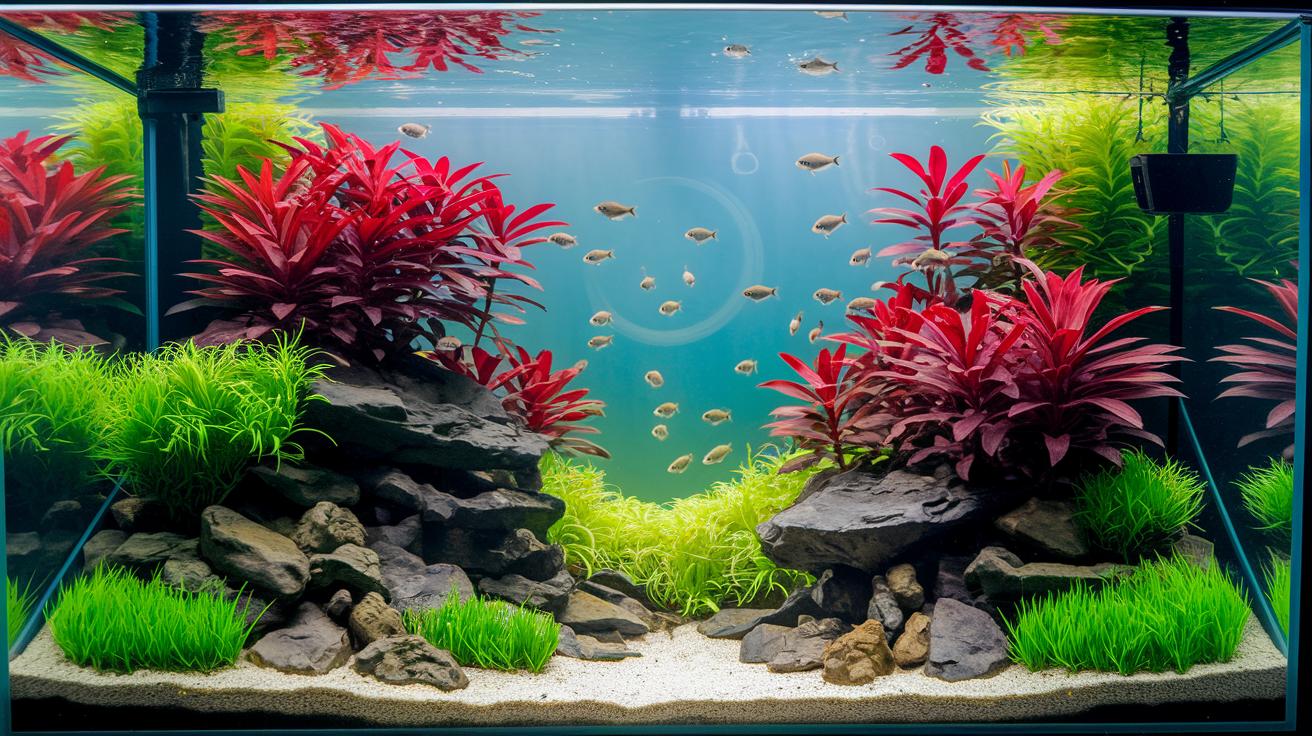
Imagine your aquarium as a little underwater world where a team of tiny helpers works constantly to keep things clean. The decomposer community acts like a natural cleaning crew that transforms leftover food and plant bits into useful nutrients. These hardworking organisms break down waste, releasing minerals that your plants can take in for a healthy growth. It’s like nature’s way of recycling, ensuring every part of your tank gets what it needs.
In this busy underwater scene, bacteria play a special role. They change harmful ammonia into nitrite and then into a gentler nitrate. It’s a bit like turning a rough current into a calm stream. Alongside them, other tiny microbes and fungi work smoothly to process any extra detritus that floats by.
Here are some of the important jobs these microscopic critters perform:
| Role | What It Does |
|---|---|
| Waste Breakdown | Turns leftover food into useful resources |
| Mineralization | Releases minerals for plants |
| Nitrification | Changes harmful chemicals into milder ones |
| Detritus Processing | Breaks down organic debris |
| Nutrient Renewal | Recycles nutrients back into the system |
Then comes the microbial loop, a natural cycle where nutrients are constantly being recycled. This loop helps ensure that as decomposers break things down, their work feeds back into the entire ecosystem. It supports strong plant growth and keeps the water’s chemical balance just right, like a gentle tide that brings fresh energy to every corner of your aquatic home.
Every part of this underwater choreography plays its role in creating a balanced, thriving tank. It’s a perfect reminder of how every little creature, no matter how small, is connected in this beautiful aquatic cycle.
Filtration, Flow, and Lighting Management for Balanced Energy Flow
When you set up your aquarium, think of it like creating a lively underwater dance. The idea is to keep energy moving smoothly with smart filters, gentle water currents, and bright lights that mimic natural sunlight. Mechanical filters work like a net to catch floating bits and keep the water clear, while biological filters give friendly bacteria a cozy spot to break down ammonia. A well-circulated tank spreads oxygen like little bubbles across the water, ensuring everything feels balanced. And with full-spectrum lighting, your plants get the perfect boost to grow strong and support the whole ecosystem. In short, mixing waste management with regular water changes makes your tank a happy, thriving home.
| Technique | Benefit | Impact on Energy Flow |
|---|---|---|
| Mechanical Filtration | Catches debris and cuts down on waste | Makes energy flow smoother by getting rid of extra waste |
| Biological Filtration | Provides a home for helpful bacteria that break down ammonia | Keeps chemicals in check for a balanced flow of energy |
| Lighting | Boosts photosynthesis to help plants thrive | Fuels the whole ecosystem by giving plants the energy they need |
Regular water changes are like giving your tank a fresh new start. By adjusting water flow and the placement of your pumps, you help keep the water’s chemistry steady and ensure that waste doesn’t hang around. Choosing a schedule that works with your tank’s size and the number of fish you have is key to keeping your underwater world vibrant and well-tuned.
Monitoring and Energy Budgeting Techniques in Aquarium Ecosystems
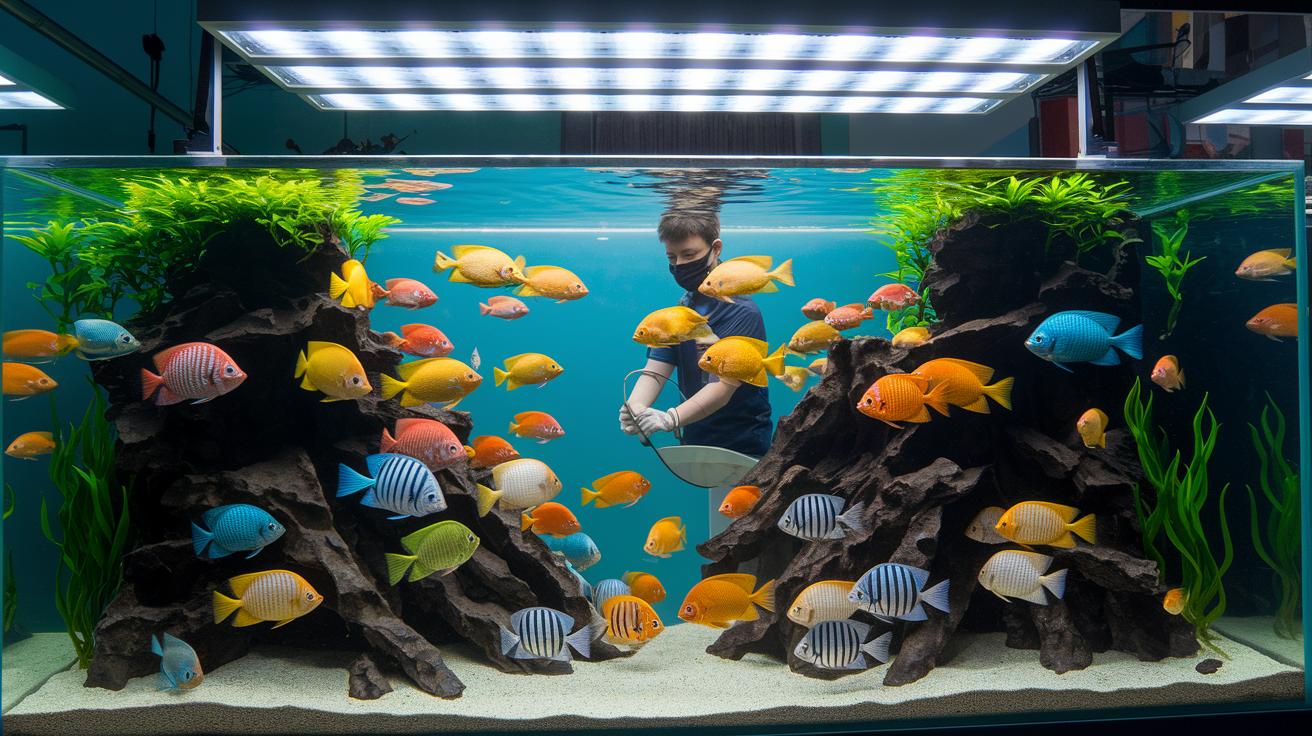
Keeping your aquarium balanced means watching over the energy that comes in and goes out. You can use tools like light meters, test kits, and dissolved oxygen sensors, think of them as your hints to see how your tank is doing. It’s a bit like checking how much sunlight, food, and oxygen is powering your underwater friends.
Next, keep an eye on key elements that really matter for your fish. These include:
- light
- CO2
- O2
- nitrates
By measuring these, you get a clear picture, almost like watching gentle ripples across water, of how energy moves in your tank.
Then there’s the fun part of mass balance calculations. This means you compare the amount of food you add with how much your fish and plants grow and breathe. When you see the numbers matching up, it’s a signal that every bit of energy is doing its job. And if something feels off, you can quickly decide to adjust feeding or do a water change.
In truth, keeping a steady balance is key to a healthy and lively aquarium, where every drop counts.
Final Words
In the action, we saw how energy moves from light to life through producers, with consumers and decomposers playing key roles. The blog highlighted how photosynthesis fuels fish health and that proper filtration, lighting, and water changes keep your habitat thriving.
We broke down essential methods for tracking water quality and managing nutrient levels. Energy flow in aquarium ecosystems explained ties it all together, each step supports a healthy, balanced environment. Enjoy the beauty and calm that a well-run tank brings.
FAQ
How is water energy flow in aquarium ecosystems explained?
The water energy flow in aquarium ecosystems explains how light is captured by plants and algae, converted into chemical energy, and passed on to consumers and decomposers, supporting a balanced aquatic setup.
How is energy flow in aquarium ecosystems detailed in class 12 guides, PDFs, and worksheets?
The energy flow in aquarium ecosystems in class 12 guides, PDFs, and worksheets details how producers capture light and convert it into chemical energy, which is then transferred to consumers and decomposers, with only about 10% moving between levels.
How does energy flow through an ecosystem?
Energy flows through an ecosystem by starting with producers that capture sunlight and convert it into chemical energy. This energy then moves to herbivores, carnivores, and decomposers, keeping the aquatic habitat in balance.
What explains the energy cycle between organisms in an ecosystem?
The energy cycle in an ecosystem is explained by the continuous transfer of energy from producers to herbivores, then to carnivores and decomposers, with each level receiving roughly 10% of the energy from the previous one.