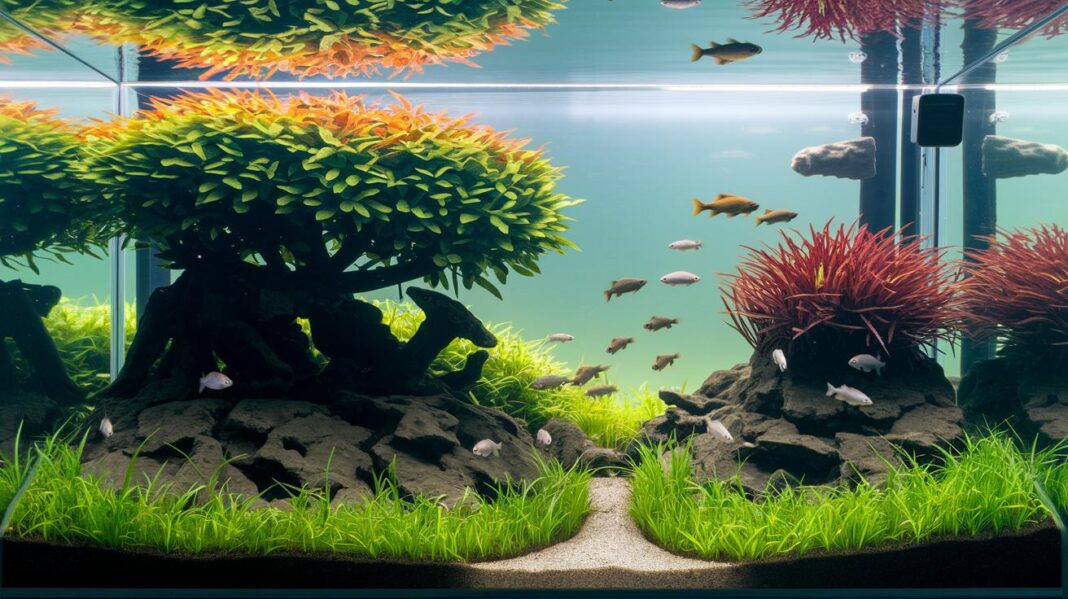

Ever wonder if live plants could give your aquarium a boost? I gave it a try once, and I noticed the water cleared up quickly while my fish swam around happily. These plants work like a natural cleaning crew, teaming up with tiny helpers that break down waste. It feels like adding a touch of nature's calm, creating a peaceful underwater scene. In this post, we'll explore how live plants can turn a regular tank into a balanced and vibrant aquatic world.
Creating a Balanced Aquarium Ecosystem with Aquatic Plants
Aquatic plants are a cornerstone in a self-sustaining aquarium. They work as natural filters by soaking up ammonia, nitrites, and nitrates, waste from your fish. I once added live plants to my tank and noticed I only needed to top it off now and then, plus the water cleared up in just a few weeks. This simple move frees up your time so you can enjoy your underwater view even more.
Live plants also team up with helpful bacteria found in your aquarium’s substrate. These little helpers convert fish waste into safer compounds through the nitrogen cycle, a fancy way of saying nature recycles waste into nutrients. It goes like this: fish waste turns into food for the plants, and in return, the plants use up extra nutrients that could fuel algae growth.
Designing a balanced aquatic habitat means choosing plants that mimic their natural surroundings. Whether you’re recreating a riverbank or a calm pond, pairing fast-growing species with slow-growing carpet plants ensures steady nutrient uptake. This approach not only keeps the water clear but also gives your tank a peaceful, natural look.
Setting up your aquarium with these elements creates a visually appealing environment that needs less constant care. Enjoy the many benefits of a thriving, low-maintenance aquatic garden that echoes nature’s simple beauty.
Selecting Live Underwater Flora for Underwater Integration
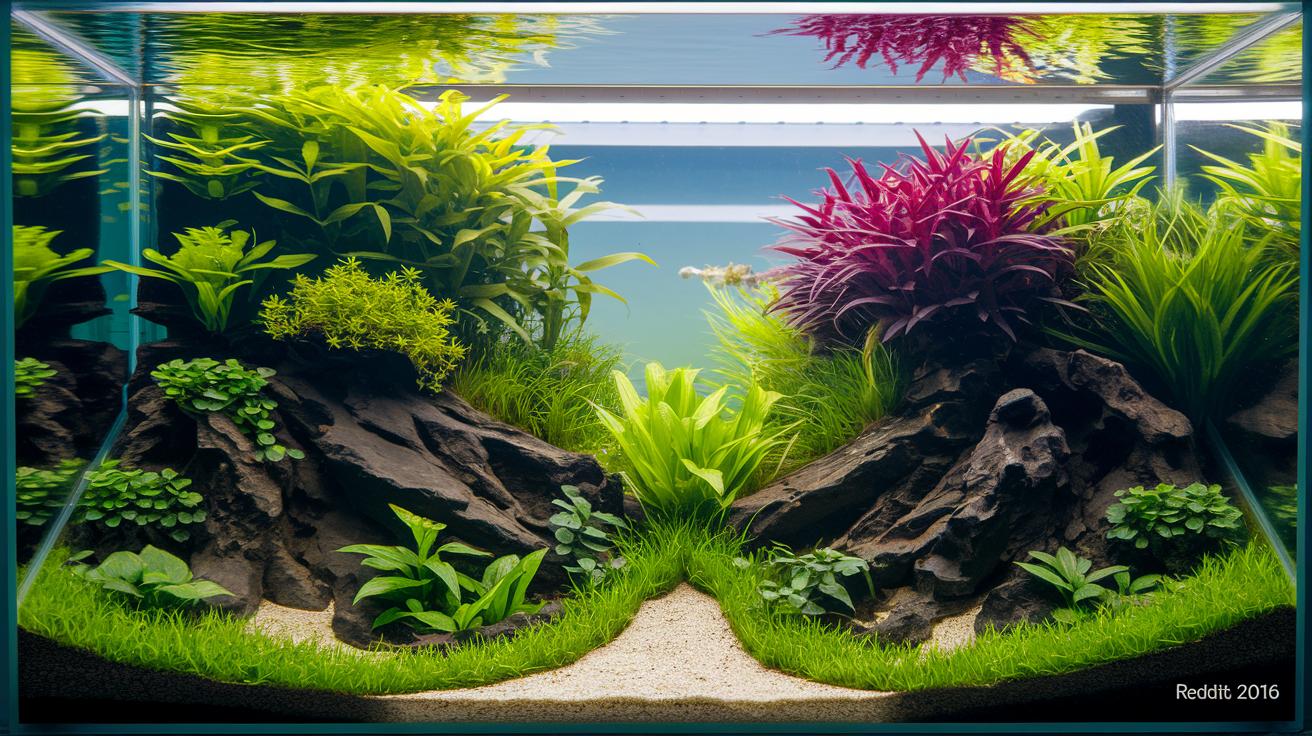
Choosing live underwater plants can turn your tank into a vibrant underwater scene. Fast-growing stem plants like Hygrophila and Rotala are great picks. They grow quickly, which means less need for frequent water changes and more help soaking up extra nutrients. One aquarist even said that adding Hygrophila felt like watching nature take over and clear the water in a snap!
Floating plants such as duckweed work in a cool way by soaking up nutrients right at the water’s surface. These plants act like a natural filter, improving both water clarity and oxygen levels. Imagine putting a tiny, floating filter on top of your tank, it’s pretty neat, right?
When you’re deciding on submerged greenery, think about the differences between rooted and free-floating types. Rooted carpet plants, which anchor in nutrient-rich substrate, add visual depth and stability. They remind me of designing a little garden underwater. On the other hand, free-floating plants drift along and soak up nutrients directly to keep the water clean.
For the best results, try mixing stem plants, free-floating species, and rooted varieties. This balance not only keeps nutrients in check but also boosts your aquarium’s natural beauty. Experiment with different placements to see what best suits the flow of your tank. Have fun with it, each setup is like creating your own underwater masterpiece!
Optimizing Substrate Setup and Nutrient Management for Underwater Vegetation
Using a nutrient-rich substrate like UNS Controsoil at a 1.5 to 2-inch depth is a smart way to help your plants grow strong roots. This organic soil naturally gives your plants the minerals they need, making nutrient care much simpler. Imagine each stem plant settling into a cozy spot with a natural boost, it’s like treating them to a five-star meal!
On the flip side, inert bases don’t add any nutrients on their own. That means you need to support your plants with root tabs or by adding fertilizer to the water. This method lets you control the nutrients, though it might need more regular testing and tweaking. Bulk fertilizers like UNS Plant Food All in One work well to provide both big and small nutrients. Regular dosing helps your plants soak up nitrate and phosphate, keeping algae in check.
It’s important to track nutrient levels, especially nitrate and phosphate. Testing kits make checking these levels as easy as feeling the gentle pulse of your tank. Whether you go with natural substrates or inert bases, finding the right mix is what will help your underwater garden shine over time.
Lighting and CO2 Enrichment Strategies for Healthy Underwater Greenery
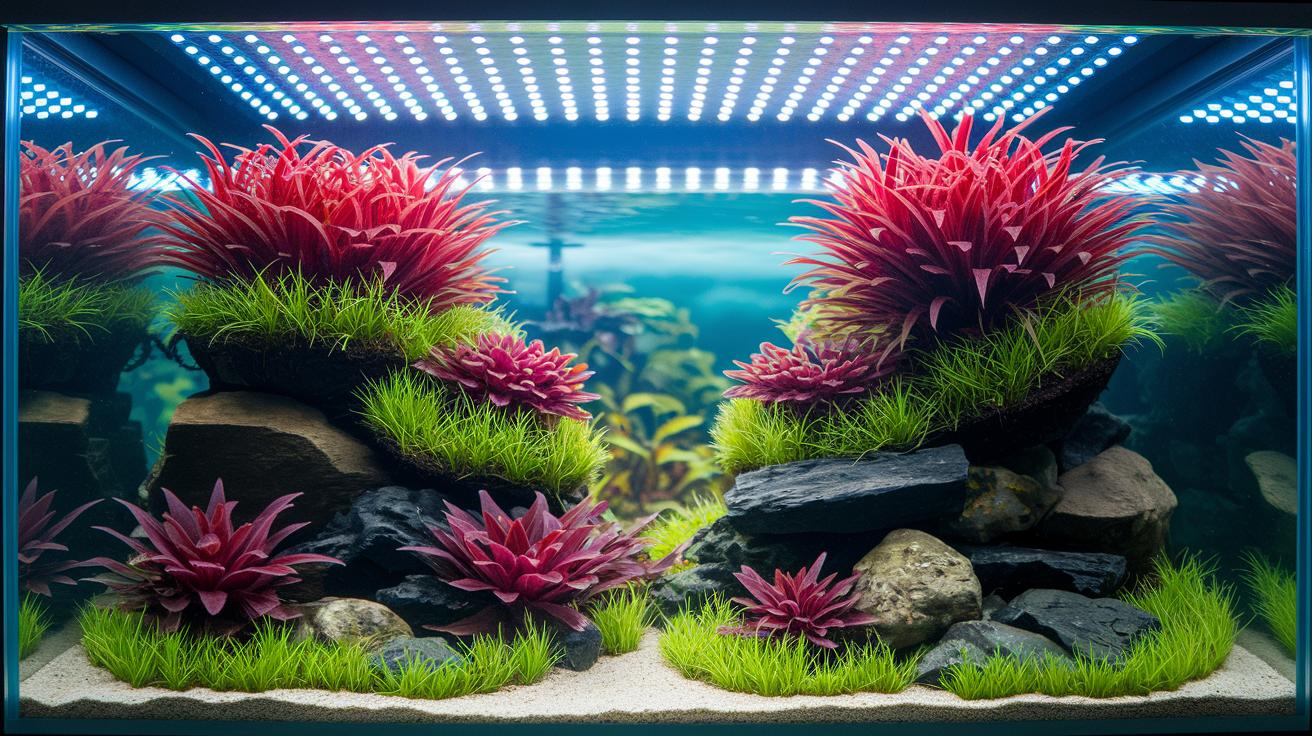
When it comes to lighting, LED systems with an adjustable spectrum, around 6,500 to 7,500 Kelvin, make a big difference in how well your tank plants grow by boosting photosynthesis. Running these lights for 6 to 8 hours each day creates a calm and steady energy flow for your greenery. I remember setting up my tank this way, and watching the light play over the leaves felt like welcoming a new underwater dance. Plus, these energy-saving lights help keep your tank's temperature and your power bill in check.
Using CO2 injection is another cool trick. By adding extra carbon, your plants can grow faster and even thrive with more fish around, since they get more of the nutrients they need. The right CO2 levels also help keep your water's pH balanced between 6.8 and 7.2. A handy little tool we use is the drop checker. Think of it as a tiny pH compass that signals when your CO2 levels need a tweak.
Regularly testing your water is just as important. Checking for pH, carbonate hardness, and other minerals lets you spot any sudden changes, like an unexpected algae bloom, before they become a big issue.
| What to Do | Benefit |
|---|---|
| Use LED systems with an adjustable spectrum | Helps plants naturally grow |
| Balance CO2 injection | Promotes a lively underwater garden |
| Keep regular chemical tests | Keeps water chemistry in check |
Tuning your lighting and CO2 setup is all about making small, mindful changes over time. It's like adjusting a musical instrument until every note forms a gentle underwater symphony. Enjoy watching your tank come to life and let the calm, rhythmic flow of water refresh your day.
Live Vegetation Placement and Decorative Underwater Garden Concepts
Start by grouping your plants in a natural, balanced way. Picture arranging a garden where tall species stand at the back, medium stems occupy the middle, and a carpet of short plants leads at the front. For instance, you might use tall Vallisneria at the back, mid-height Rotala in the center, and a soft layer of carpet plants to finish the look.
Then, turn your attention to the substrate. Think of it like making a layered cake: first, add a nutrient-filled base and then cover it with an inert cap. This method feeds your plants from below while keeping the top neat and appealing, much like each layer in a cake supports the next for a tasty result.
Another smart trick is to use deep sand beds. These beds create low-oxygen zones where helpful bacteria take their time converting nitrates, which supports your plants over the long term. It’s a subtle touch that naturally boosts the tank’s ability to balance itself.
Lastly, try mimicking natural habitats by grouping plants like you’d see along a riverbank or marsh. This approach brings a lifelike variety to your aquarium. You can even mix in well-chosen hardscape pieces, like rocks or driftwood, with different plant clusters to add personality and charm.
- Live vegetation setups: arrange by height to create natural depth.
- Decorative submerged gardens: use natural groupings for a real, authentic feel.
- Layered substrates: build with a nutrient-rich base under an inert cover.
- Creative live décor: combine varied plant species with natural hardscape elements.
Maintaining Healthy Underwater Greenery: Pruning, Dosing, and Algae Control
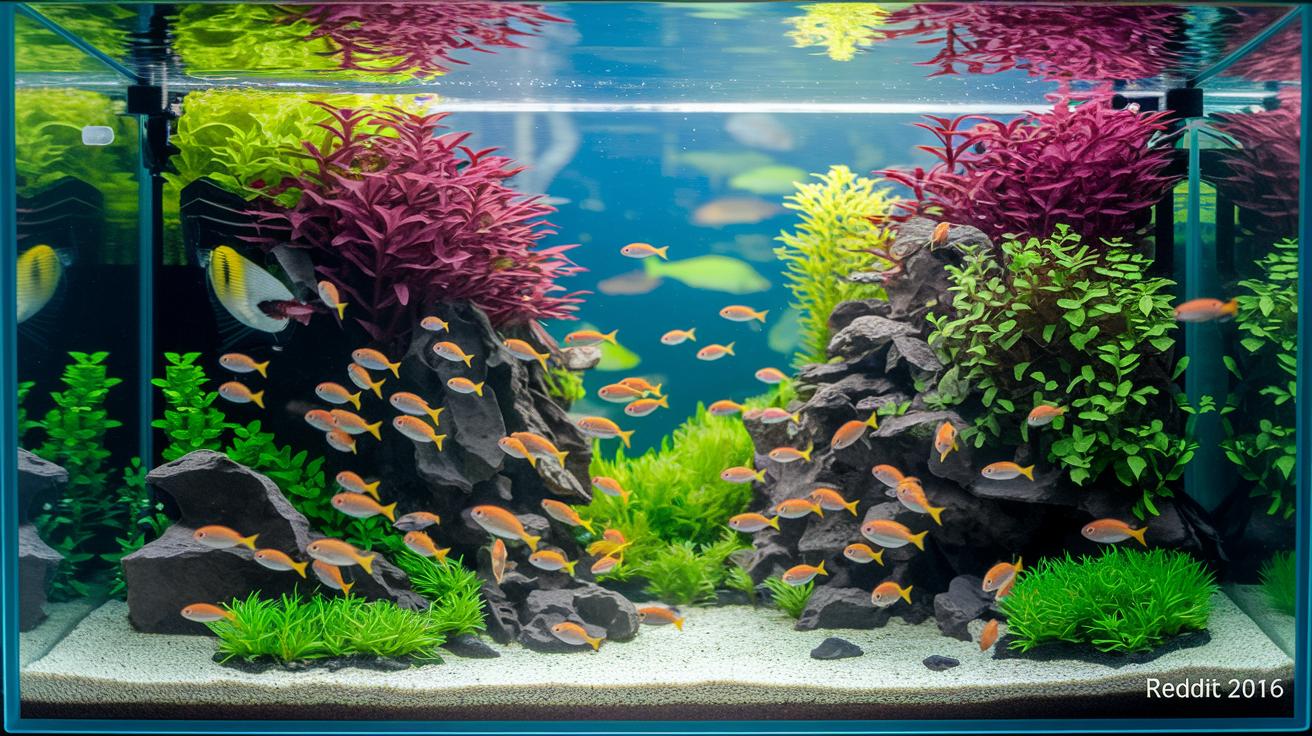
Taking care of your underwater garden is a lot like tending a little world beneath the waves. Regular snips, for instance, trimming stem tips every week, help keep the plants from crowding one another and encourage a lush, bushy growth. I remember one quiet morning when a simple trim sparked a burst of vibrant, new regrowth that filled my whole tank with life.
Every month, it's a good idea to test your water for nitrate, phosphate, and iron. These tests are like checking your tank's heartbeat, letting you know when to give your plants the right boost with a little extra fertilizer. I once adjusted my dosing after a water test, and it was as refreshing as a cool dip on a warm day.
Plants like Cabomba and Ludwigia grow rapidly and take in loads of nutrients. They act like friendly guards, using up extra nutrients so algae doesn’t get a chance to bloom. It’s like having a natural team keeping your aquatic scene in perfect balance.
With the changing seasons, a few extra steps go a long way. Partial water changes and a gentle vacuuming of the substrate make sure the roots stay healthy and the sediment remains balanced, kind of like giving your tank a deep, renewing breath.
- Snip stem tips every week to encourage fresh, lush growth.
- Test your water monthly to know just when to adjust your fertilizer.
- Do partial water changes and vacuum the substrate seasonally to keep everything in check.
Designing Fish and Aquatic Plant Partnerships in Your Aquarium Ecosystem
Your aquarium becomes a lively underwater world when fish, plants, and small critters work together. One easy rule to follow is to have one inch of fish for every gallon of water. Fast-growing plants help soak up extra nutrients from fish waste, keeping your water clear and reducing the need for frequent water changes. I tried this tip myself and saw my tank slowly turn into a balanced and self-sustaining ecosystem.
Shrimp and snails are nature’s own cleaning crew. They quietly pick up leftover food and debris without creating extra waste. Think of them as friendly helpers in the background, keeping your tank as neat as a well-organized cleaning team.
Don’t forget about the tiny bacteria that live on plant roots and in the substrate. These helpful microbes turn fish waste into natural food for your plants, creating a gentle cycle of nutrients in your tank. Just a heads-up, if you use a deep sand bed, it might take years for complete cleaning, so be sure to keep your fish numbers under control.
- Initial stocking: one inch of fish per gallon
- Invertebrates: shrimp and snails help with cleanup
- Beneficial bacteria: turn waste into nutrients for plants
Feel free to experiment with different species until you find the perfect mix for your own little underwater garden.
Final Words
In the action steps, we explored how aquatic plants not only add beauty but also naturally filter the water and support balanced tank conditions. We talked about choosing the right species, setting up nutrient-rich substrates, and managing lighting and CO2 for thriving greenery. Routine care, from pruning to water testing, keeps both fish and plants happy. Remember, integrating aquatic plants in an aquarium ecosystem helps create a clean, lively underwater world that rewards your care. Enjoy each moment while watching your tank flourish!
FAQ
What is a self-sustaining fish tank ecosystem and how can I set one up?
The self-sustaining fish tank ecosystem means all parts—fish, plants, and helpful bacteria—work together to naturally clean the water. With a proper setup using nutrient-rich substrate, balanced lighting, and good plant choices, care is minimal.
What is the best fish for a self-sustaining aquarium?
The best fish for a self-sustaining aquarium are small, hardy species like tetras and guppies. They produce less waste, helping the plants absorb nutrients and maintain a healthy balance.
Which aquatic plants work well in self-sustaining aquariums?
Aquatic plants such as fast-growing stems like Hygrophila and Rotala, along with floating varieties like duckweed, work well. They absorb excess nutrients and help keep the water naturally clear.
How do I add and maintain aquatic plants in my fish tank?
Adding aquatic plants starts by gently planting them into a nutrient-rich substrate. Consistent care with proper lighting for 6–8 hours daily, regular trimming, and balanced CO2 levels helps the plants thrive.
Can I put plants from outside in my fish tank?
Using outdoor plants in your fish tank requires care. They must be thoroughly cleaned and free from chemicals to prevent harm. Choosing plants meant for aquariums is usually the safer bet.