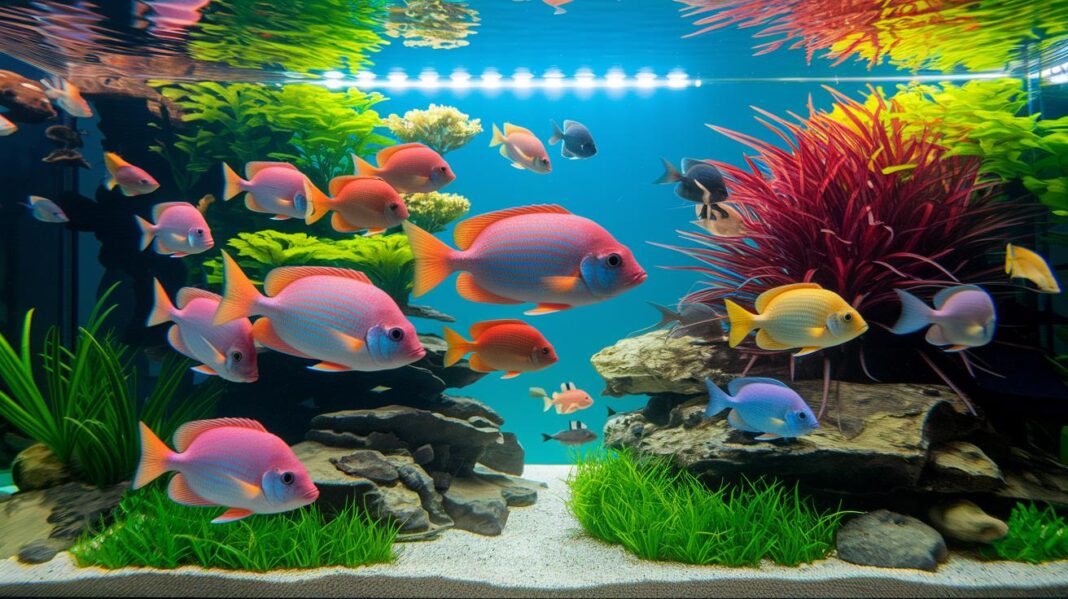

Ever feel like your aquarium is meant for more than just sitting there? When your fish have a bright, cozy tank, they glide around like they're really enjoying life.
In this post, I'll share easy tips to help you set up a tank that feels as calm as a quiet stream. Imagine water that looks just right, matching your room’s vibe while making your fish feel at home.
My practical advice is like a friendly chat between fellow fish lovers, showing you how to create a sparkling underwater haven where your finned friends can thrive.
Setting Up the Perfect Tank for Happy Fish
Finding the right tank is the first key step in welcoming your fish into a happy home. You need to think about your space and how many fish will join the swim. A bigger tank means more room for your finned friends to glide around and steady water conditions that change more slowly. Pick a bottom layer, gravel, sand, or smooth river stones, that suits your fish. And remember, placement is important. Keep your tank out of strong sunlight and drafts so the water stays just right.
Next, consider how your tank works and looks as part of your room’s vibe. Your setup should match your decor while letting you access equipment easily for everyday care. It’s all about enjoying that peaceful look without the stress of hard upkeep.
Now, here’s a handy list of essential equipment:
| Equipment |
|---|
| Tank |
| Filter |
| Heater |
| UV sterilizer |
| Lighting |
| Thermometer |
When setting up your tank, the cycling phase is super important. Cycling means growing a community of friendly bacteria that break down fish waste, imagine it like nature’s cleanup crew. Start with your chosen substrate and water, then slowly add a few hardy fish to kick-start this process. Use tools like an aquarium heater to keep the water at a comfy temperature. And by mixing salt chlorination with a UV filter, you can help clear away harmful germs, leaving the water sparkling. With good care and the right tools, your tank will soon be a thriving underwater home where your fish can truly flourish.
Water Quality Essentials for Happy Fish

Keeping a steady nitrogen cycle is key to a lively aquarium. When your fish swim around, they leave waste that turns into ammonia, then nitrite, and finally nitrate. Testing these levels from time to time lets you spot problems before your fish start feeling uneasy. For instance, if you see a little spike in ammonia, it means the good bacteria are still catching up.
Keeping a regular check on the water helps your fish feel right at home. Plus, using a UV sterilizer can reduce dangerous germs, turning your tank into a safer little haven.
Regular water changes also play a big role in keeping your tank clear and healthy. Swapping out a portion of the water often helps wash away extra nitrates that might pile up and throw things off balance. Usually, a small water change every week, or when your tank needs it, is just right. And if you add a pinch of aquarium salt, it can help your freshwater friends adjust more easily to changes, much like lending a little extra support.
| Parameter | Ideal Range |
|---|---|
| pH | 6.8–7.5 |
| Ammonia | 0 ppm |
| Nitrite | 0 ppm |
| Nitrate | <20 ppm |
Nutrition Guidelines for Happy Fish
If you want your fish to thrive, offering a mix of foods is key. Try giving them a variety of options like flakes, pellets, and even some live or frozen treats. This mix works a bit like a natural buffet, rich in proteins from brine shrimp and bloodworms, as well as plant-based goodies like spirulina. It’s similar to what they would find in the wild, giving them all the vitamins and minerals they need to stay strong and vibrant.
Giving the right portion is just as important. Feeding them a little bit once or twice a day helps keep the water clean and prevents waste from piling up, protecting your tank’s health. When you serve the perfect amount, your fish can digest their food easily and avoid any extra stress. For great food choices, check out trusted brands like the freshwater aquarium supplies we recommend.
Here are some common food options:
- Flakes
- Pellets
- Live or frozen brine shrimp
- Vegetable wafers
- Occasional treats
A balanced feeding routine does more than just keep your fish healthy; it also makes their colors pop and their movements lively. With the right nutrients, their scales will sparkle, and they’ll swim about cheerfully, turning your aquarium into a beautiful, dynamic underwater show.
Recognizing Behavioral Cues of Happy Fish
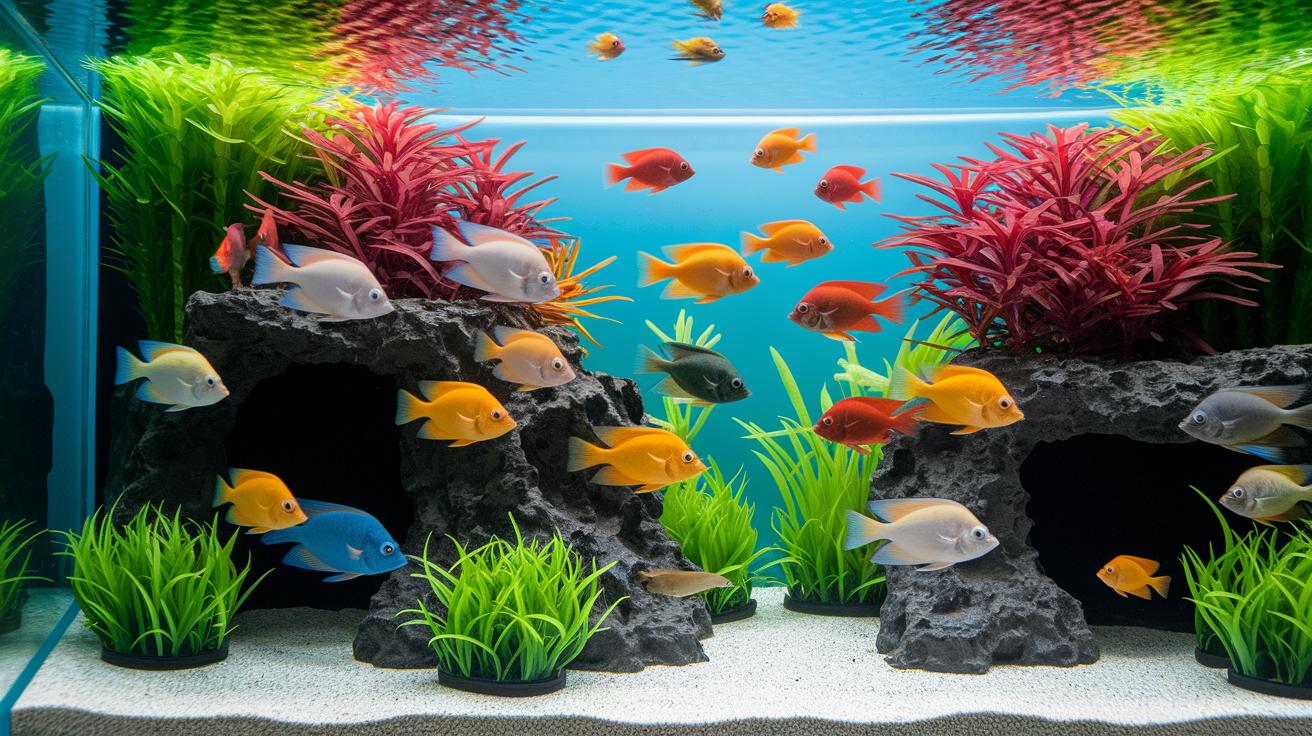
When your fish explore their tank with calm, steady movements, it's a gentle sign that they're relaxed and feel safe. They glide slowly from one spot to another, just like the soft ripple of water on a sunny day, showing that they aren’t stressed.
Bright colors and a good appetite are other clear clues your fish are happy. If you see your fish sporting lively hues and eagerly swimming toward mealtime, it's a sign that they’re healthy and enjoying life in their well-kept home.
Swimming and Activity Patterns
Watch how your fish move around, swimming at a healthy speed, venturing to different parts of the tank, and finding cozy spots to rest. These patterns show they enjoy both active swims and quiet moments, much like a balanced day by the water.
Social Interactions
In a community tank, it's lovely to see schooling fish moving in harmony or pairs sharing quiet moments. When fish keep a respectful distance yet swim together, it tells you they feel secure with each other. Ever notice how a group of fish can look like they're dancing together? It's a sign that each one enjoys being part of this little underwater family.
Enrichment and Decor to Keep Happy Fish
Live plants do more than add color to your tank, they bring a lively touch by giving your fish cozy spots to hide and relax. Imagine a little indoor garden where every leaf and stem offers a safe haven, much like a natural retreat under the gentle ripple of water. These green friends not only create a calming scene but also help the water breathe by adding a bit of oxygen. It’s like each plant is a quiet, welcoming door to a secret underwater escape.
Rock caves and PVC tombstones play their own part by recreating the feel of rocky hideaways and sunken logs that fish might enjoy in the wild. These cool features invite your fish to explore new nooks and crannies while finding a perfect resting spot. With spaces designed for both peaceful hiding and active swimming, your aquatic pals can choose a slow, calm current or a little burst of playful flow. It gives them the freedom to be curious and energetic, which means even happier fins and more joyful swims.
Preventing Health Issues for Happy Fish
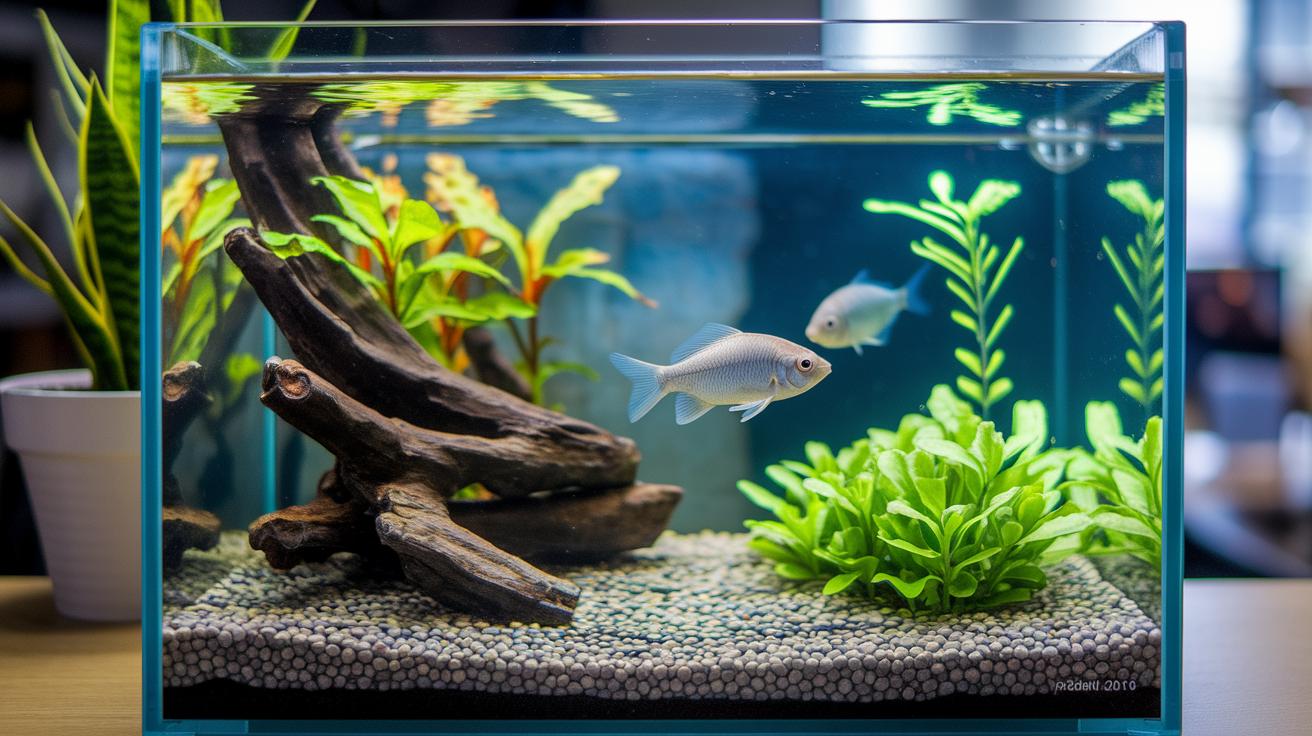
When you bring home new fish, it's best to give them their own space for 10–14 days. This quiet time lets you check that no unwanted germs or diseases, like white spot or fin rot, sneak into your main tank. During this period, watch how they swim or eat, it’s like letting them listen to the soft murmur of water before joining their tankmates.
It’s also smart to keep an eye on your fish every day. Look out for anything unusual, like odd swimming patterns, fading colors, or changes in appetite. Spotting these small signs early means you can act fast to keep the whole tank calm and healthy.
Taking care of your tank’s filter and equipment is just as important. A well-kept filter, along with a UV sterilizer, helps clear away debris and stops harmful particles from growing. By checking these tools regularly, you'll ensure the water stays as clear and refreshing as a quiet stream, and your fish stay happy and thriving.
Final Words
In the action, we explored setting up the perfect tank with the right equipment, clean water, and balanced nutrition. We looked at how simple choices, from tank size and substrate to filtration using a UV filter and heater, promote fish well-being. We shared tips for watching active swimming and natural decor that makes fish feel secure. With a little care and these straightforward steps, you can build an inviting environment where happy fish thrive.
FAQ
FAQs
Q: What is a happy fish?
A: The term happy fish describes aquatic pets that show vibrant colors, active swimming, and healthy behavior. Good tank care with proper water quality, nutrition, and decor helps keep fish happy.
Q: Who is the owner of Happy Fish?
A: The owner of Happy Fish usually refers to the person who started or runs the brand. For precise details, checking the official Happy Fish website is recommended.
Q: What is the most happy fish?
A: The most happy fish are those that thrive with vibrant colors, active motion, and a stress-free environment. Personal care and proper tank conditions play a big role in their well-being.
Q: How many levels are at Goldfish Swim School?
A: Goldfish Swim School provides several instructional levels designed for various swimming skills. For the exact number of levels offered, contacting your local branch is the best option.
Q: What do the Happy Fish names like menu, clothing, game, Maui, restaurant, and reviews indicate?
A: These names show that Happy Fish spans multiple sectors, including dining, fashion, entertainment, and lifestyle experiences. Each reflects a fun, water-inspired vibe dedicated to celebrating aquatic life.
Q: What is Happy Fish swim school?
A: Happy Fish swim school likely offers water safety lessons cloaked in a playful, fish-themed design. Their programs aim to make learning to swim both engaging and natural as a gentle ripple in water.
Q: How do aquatics centers like Calphin Swim Academy, American Swim Academy, British Swim School, The Dublin Wave Waterpark, and Bay Club Pleasanton compare?
A: These centers offer water programs and facilities with distinct themes and teaching styles. They vary by location, program variety, and the specific needs of their swimmers, providing diverse aquatic experiences.