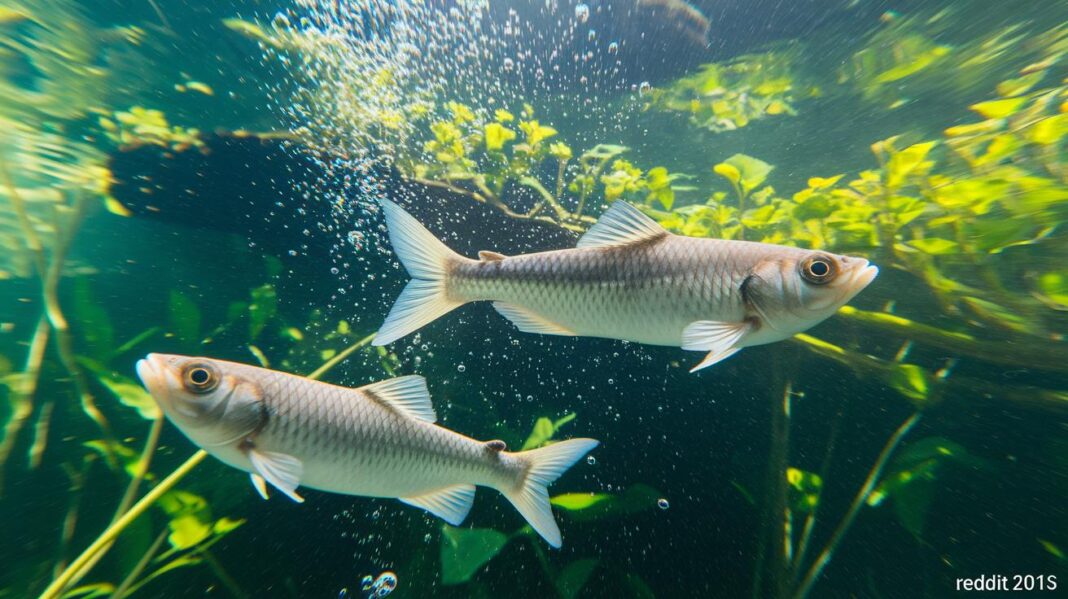

Ever wonder if your aquarium is hiding little secrets that can make your fish happier? Imagine a tiny world where every bubble, swaying plant, and flickering fin works in harmony, kind of like a team of nature’s own helpers. Each part of this living home plays its role, clearing the water, brightening the colors, and even giving the plants a boost.
A balanced aquarium is like a gentle crew quietly keeping everything in check, so your tank stays dazzling and low-maintenance. In this guide, we’ll dive into how every element adds to this lively underwater dance, making your aquarium feel like a personal slice of nature’s calm.
Key Hidden Advantages of Balanced Aquarium Ecosystems
Imagine your aquarium as a tiny slice of nature, where every living thing plays its part. In this little world, helpful bacteria and live plants team up to turn harmful substances into safe ones, much like nature does outside. It’s like having your very own mini natural wonder right at home.
When everything in the tank works together, the fish shine in brighter colors, the plants grow strong, and the water stays clear and inviting. This balance not only makes your aquarium look beautiful but also supports the health of all its inhabitants.
Here are some of the key benefits:
- Natural toxin removal
- Stable oxygen levels
- Suppressed algae growth
- Enhanced fish coloration
- Thriving plant health
- Reduced maintenance frequency
Every one of these perks plays a role in creating a smooth, natural process in your tank. The natural cleaning keeps the water safe, stable oxygen levels help your fish feel energetic, and strong plant health adds extra purity to the habitat. With less algae and more vibrant fish, you get a display that’s both pleasing to the eye and easier to take care of. Each benefit builds on the last, forming a strong and harmonious aquatic ecosystem.
Water Quality Optimization Through Biological Equilibrium
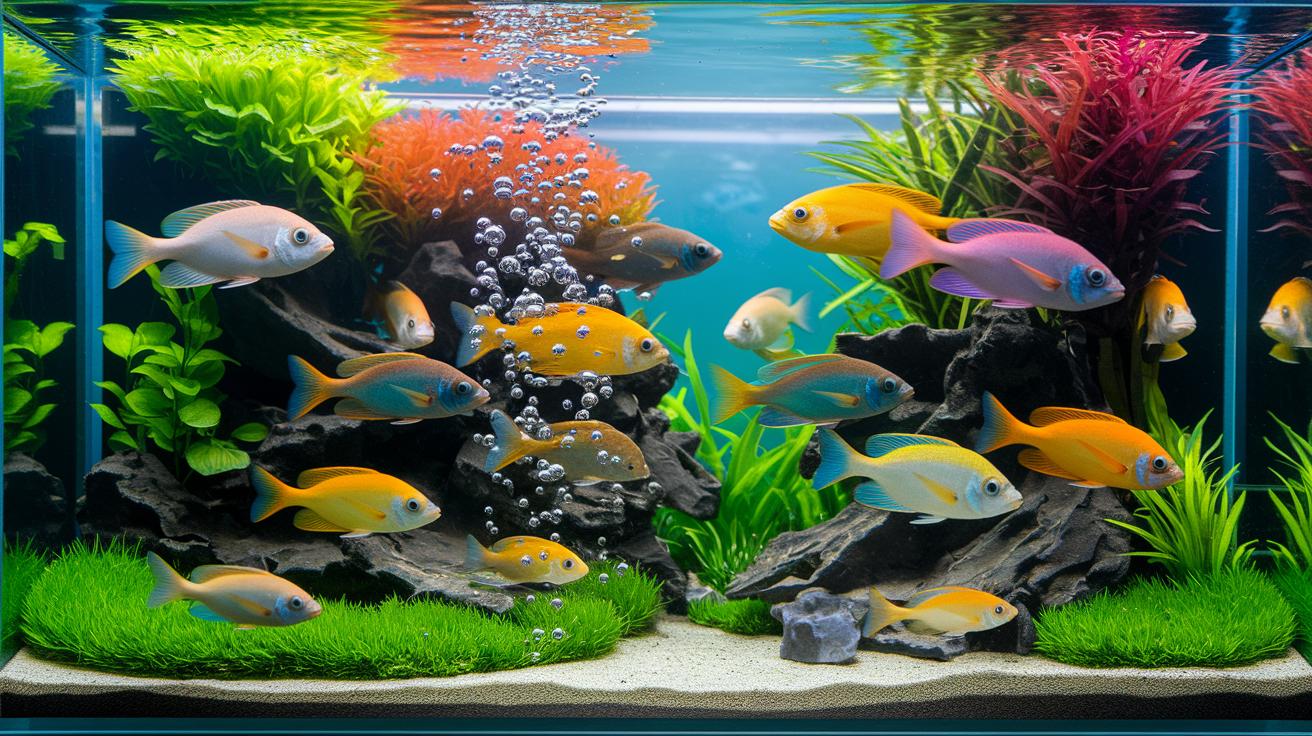
In your aquarium, helpful bacteria like Nitrosomonas and Nitrobacter work like tiny underwater custodians. They change harmful ammonia and nitrites into safe nitrates, acting like nature’s built-in filter that never stops cleaning. It’s a bit like having a team of little cleaning buddies taking care of every fish and plant.
Live plants add their own splash of magic too. They work as natural biofilters by soaking up nitrates and, through photosynthesis, releasing oxygen back into the water. Imagine a gentle underwater garden where each plant helps balance out the nutrients naturally and keeps everything feeling fresh.
Keeping the water just right means watching the numbers closely. Ammonia and nitrites should stay at 0 parts per million, and nitrates should be kept below 20 parts per million. Temperature changes, too many fish, or extra feeding can upset this balance, which might stress out your aquatic friends. By letting the helpful bacteria and natural plants do their jobs, your aquarium becomes a calm, balanced little world.
Nutrient Cycling and Organic Waste Recycling in Balanced Tanks
Balanced aquariums work like nature’s own recycling center. Fish waste is naturally turned into safe compounds by helpful bacteria that clean the water. Nitrosomonas starts things off by changing dangerous ammonia into a less harmful form, and then Nitrobacter steps in to convert it further, making sure your tank stays safe and clear.
Live plants and tiny microbes also play a big part in keeping the water fresh. Their roots soak up unwanted nitrates, cleaning up leftover food and waste. This natural cleaning crew helps keep your tank sparkling and can even cut your water changes by about 30%. Isn’t it cool how nature does all the work for you?
Plant-Fish Interplay for Long-Term Tank Health
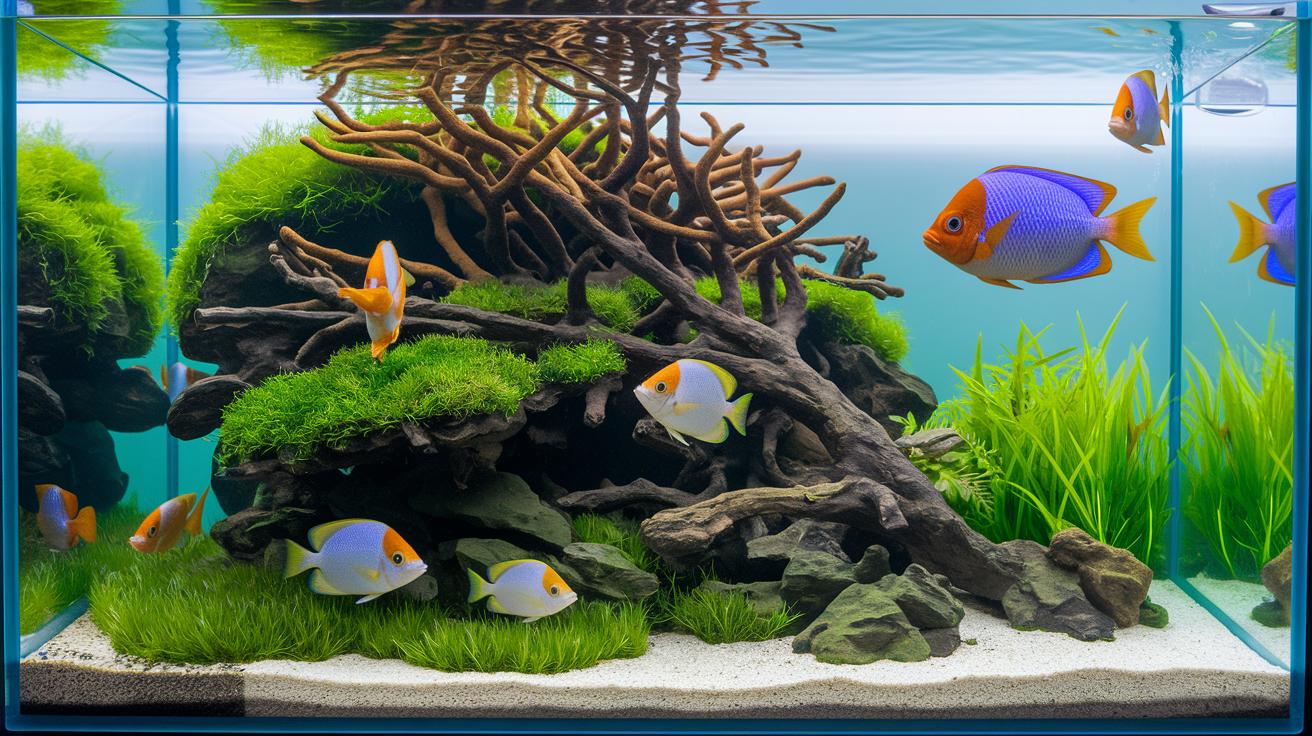
Aquatic plants in your tank are like nature's little helpers. Take Java Moss or Amazon Sword, for example. These plants not only soak up extra nutrients but also add oxygen to the water. They work quietly behind the scenes, much like a gentle ripple in a clear stream, keeping unwanted algae at bay and helping your tank shine with natural clarity.
Plants also create a safe and cozy hideout for your fish. They give your aquatic pals inviting nooks to relax and hide when things get a bit stressful. And often, these green spots become special places for fish to lay their eggs and start new little families. I once noticed that when my fish had comfortable places to call home, their colors grew brighter and their swimming became playfully whimsical.
Finding the right balance of plants is important too. If you add too many, it might lower CO₂ levels, which your plants need to grow strong. So, mix a few hardy types with some more delicate greens. It’s a bit like preparing your favorite meal, you start with a solid base, add a sprinkle of variety, and then care for each element to get everything just right.
Boosting Fish Vitality with Balanced Habitats
When you keep your aquarium's pH between 6.8 and 7.4 and the water temperature around 75–80°F, your fish feel relaxed and less stressed. It’s like watching them drift in a gentle, familiar lagoon.
A steady, balanced tank sets the stage for your fish to be healthier overall. With a reliable amount of oxygen and smooth toxin removal, your underwater buddies get the ideal setup for strong health. Live plants add natural shelter that helps lower stress hormones, letting your fish show brighter colors and livelier behavior. In truth, a calm habitat supports better immune responses and even sparks natural breeding, boosting spawning events by up to 25%. Every part of a well-kept aquarium helps keep your fish active and thriving.
- Consistent water care
- Stronger natural defenses
- Natural breeding cues
- Brighter colors and playful energy
All these benefits work together to create a balanced environment where your fish don’t just survive, they truly flourish.
Eco-Friendly Maintenance and Cost-Saving Practices
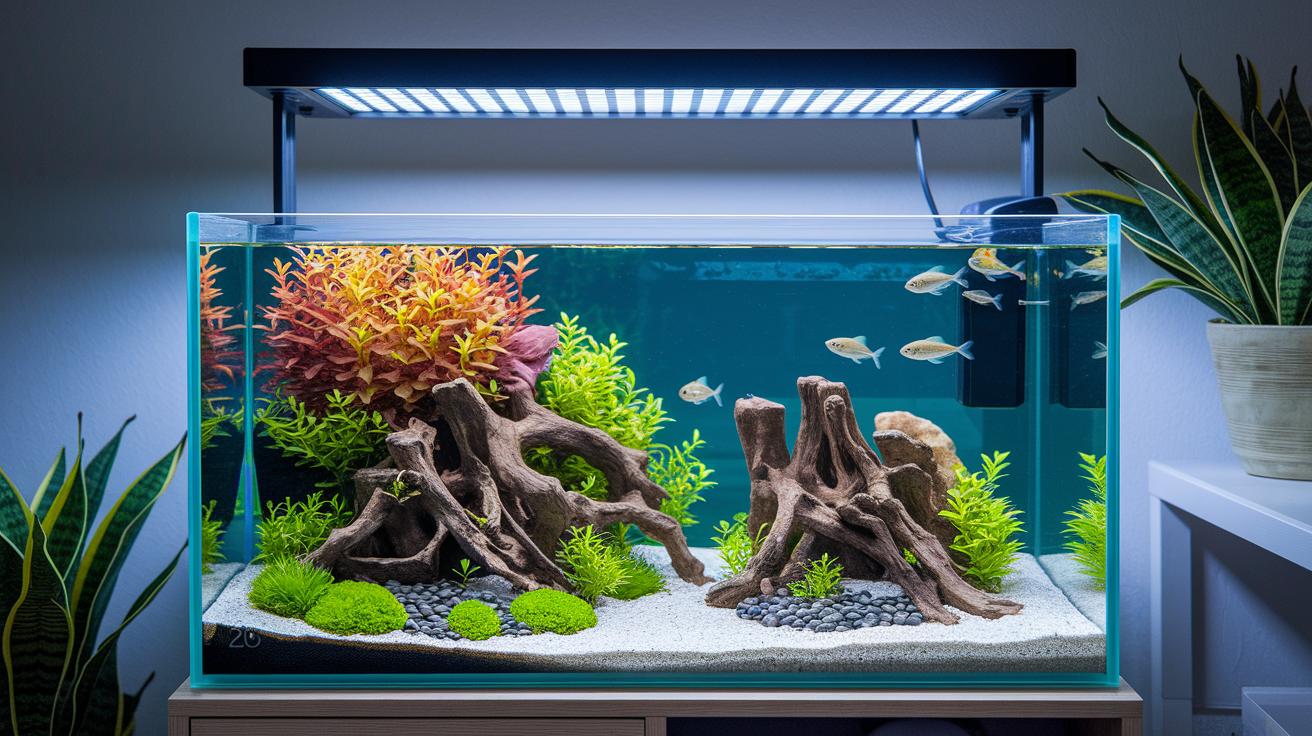
When your aquarium is well balanced, you might only need to change the water about 30% less often. This means you're wasting less water and even lowering your energy bills. Fewer routine water changes save you time and money, and with living biofilters doing their natural cleaning job, you can skip harsh chemical treatments. Imagine keeping your water crystal clear while using fewer resources, a true win for your wallet and for nature!
For an eco-friendly twist, try using solar-powered LED lights and energy-efficient pumps that can cut electricity use by around 20%. Instead of harsh cleansers, spend a little extra time scooping out debris by hand and trimming plants carefully. These simple, low-impact techniques help maintain a healthy, balanced tank and show that sustainable care can also be light on your budget.
Final Words
In the action, this post showed how a natural mix of plants, fish, and helpful microbes builds a vibrant underwater world. We talked about methods like nutrient cycling, water quality upkeep, and balancing plant-fish interplay to create a clear, lively tank.
Every part of your setup plays its part, and you'll soon see the hidden benefits of a balanced aquarium ecosystem. Embrace these simple ideas, and your aquatic home will thrive with beauty and ease.
FAQ
What are the hidden benefits of a balanced aquarium ecosystem?
The hidden benefits of a balanced aquarium ecosystem include natural toxin removal, stable oxygen levels, and a system that supports vibrant fish and flourishing plants, all while cutting back on maintenance.
How does a balanced aquarium improve water quality?
The balanced aquarium improves water quality by using helpful bacteria to turn toxins into harmless compounds and by letting live plants absorb waste and produce oxygen for cleaner water.
What role do live plants and beneficial bacteria play in nutrient cycling?
The role of live plants and beneficial bacteria in nutrient cycling is to transform fish waste into manageable compounds and to absorb these nutrients, creating a natural recycling process in your tank.
How do plants and fish interact for long-term tank health?
The interaction between plants and fish helps long-term tank health by offering shelter, lowering stress through natural cover, and encouraging microbial activity that breaks down waste, keeping the ecosystem stable.
How does a balanced ecosystem boost fish vitality?
The balanced ecosystem boosts fish vitality by keeping water parameters steady, reducing stress, and supporting stronger immune responses, which lead to brighter colors and more active fish.
What sustainable practices help reduce maintenance costs in balanced aquariums?
The sustainable practices include fewer water changes, using living biofilters, selective pruning, and energy-efficient equipment, all of which save water, lower energy use, and simplify upkeep.