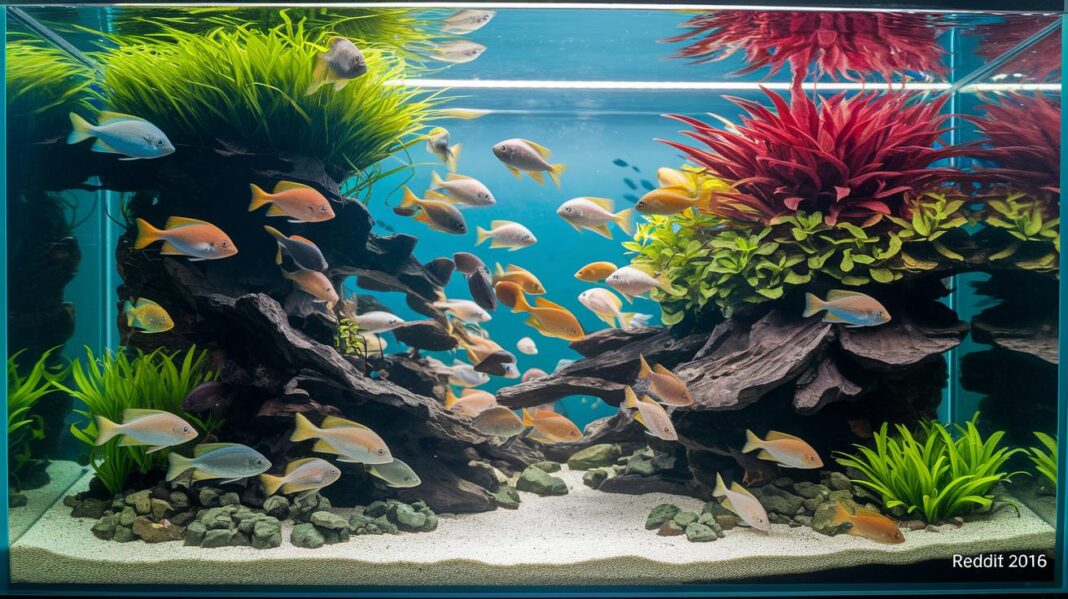

Ever notice how some aquariums shimmer with life while others seem pretty plain? The very base of your tank isn’t just there for looks, it acts like a secret garden bed for your underwater plants. It helps their roots grow strong and gives the water a little natural clean-up. Tiny, hidden helpers work in that substrate, keeping bad stuff in check and allowing your plants to flourish.
Choosing the right substrate is like adding a gentle ripple that brings your entire underwater world to life. A simple tweak at the bottom of your tank can make it vibrant and healthy, creating a cozy, flourishing home for all your aquatic friends. Isn't it amazing how one small change can brighten your whole tank?
importance of substrate in aquarium ecosystems boosts life
The substrate is the firm base that covers the bottom of your tank, offering a stable home for plant roots. It works just like the strong ground beneath a house, keeping everything secure. This layer gives plants a cozy spot to settle in and find the nutrients they need, kind of like a hidden garden bed for your aquatic plants.
This base also acts like a slow-release food system for your underwater plants. As roots grow into the substrate, they soak up vital nutrients that help them thrive. This close contact encourages strong, healthy roots and makes the plants grow fuller and happier. It creates perfect conditions for your underwater garden to flourish brightly.
The substrate also helps keep the water balanced by hosting tiny helpers: beneficial bacteria. These bacteria work hard to change harmful ammonia into safer nitrite and nitrate. In the deeper, less oxygenated spots, other bacteria even turn nitrates into nitrogen gas, making the water even cleaner. All of this joins together to create a healthy environment where both fish and plants can live in harmony.
Comparing Substrate Types for Healthy Aquarium Ecosystems
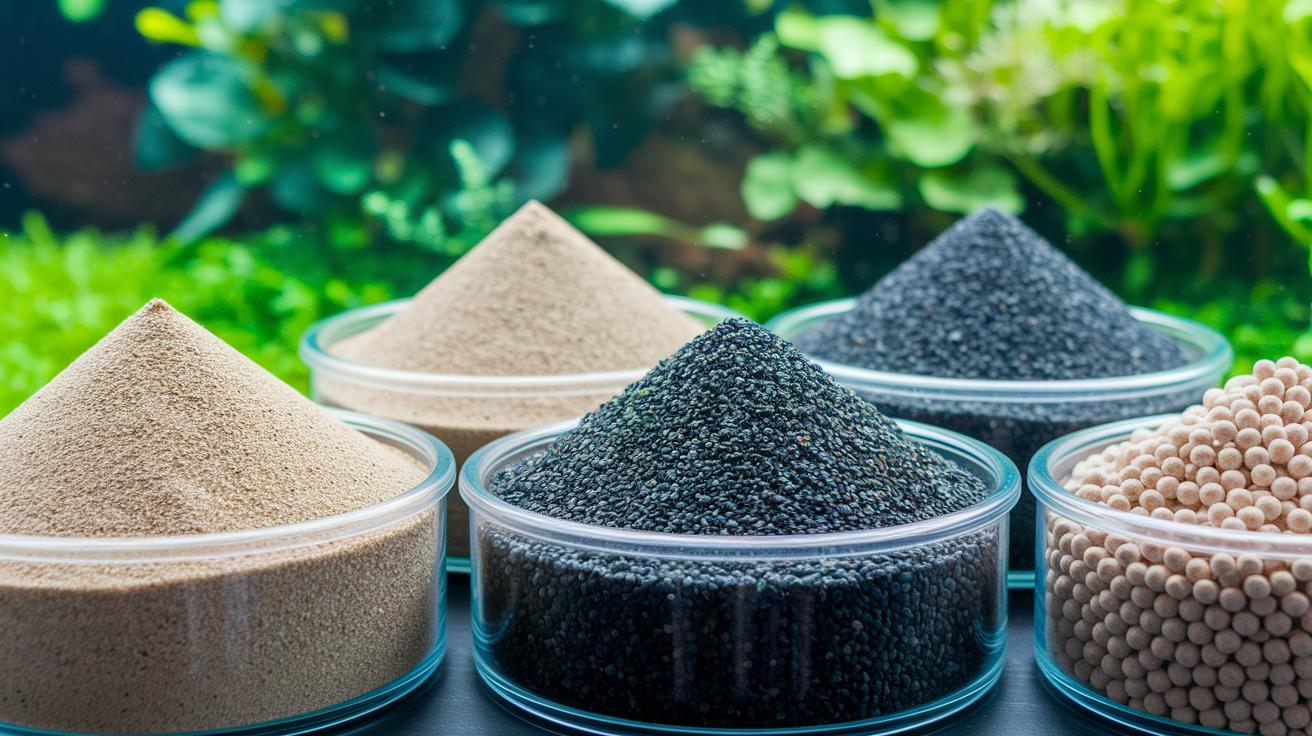
Choosing a base for your aquarium is a lot like picking a foundation for a small garden. Instead of dirt and seeds, you're looking at options like aquatic soils, smooth sand, tiny pebbles, eco-complete blends, and little clay pellets. Each one adds a special touch. For example, some soils naturally feed your plants with built-in nutrients, while others like sand might need a bit more fertilizer. It's really like selecting the perfect outfit for a special day; every option fits different needs and helps create a balanced underwater world.
| Substrate Type | Description | Ideal Use |
|---|---|---|
| Aquatic Soils | Nutrient-rich with natural goodies that feed plant roots. | Best for tanks that want a lush, natural look. |
| Fine Sand | Smooth grains that mimic the gentle flow of a riverbed. | Great for bottom-dwelling fish and delicate plants. |
| Pea Gravel | Small, rounded stones that help water flow and air circulate. | Ideal for community tanks and easy setups. |
| Eco-Complete | A rich, nutrient-packed base that comes with a built-in ecosystem. | Perfect for beginners looking for a low-maintenance option. |
| Clay Pellets | Porous beads designed to slowly release fertilizer over time. | Great for tanks that need an extra nutrient boost. |
Each option brings its own charm to your tank. Think about what your plants and fish need, and choose the substrate that will help create a lively, healthy underwater haven. Ever notice how a well-set-up aquarium can feel like your own little slice of a calm, flowing retreat? Enjoy building your aquatic paradise!
Importance of Substrate for Aquatic Plant Growth
Substrate is like a soft, supportive bed for aquatic plants. It holds their roots tight and gives them the nutrients they need, both big and small, to grow strong and vibrant. I once watched a shy little plant transform into a lush, green beauty just by switching to a mix of sand, clay, and a bit of organic material. It was amazing how the right foundation could help the roots dig deeper and the leaves stretch out wider. Plus, this mix keeps nutrients close by, so they don’t just wash away into the water.
The mix of materials in your substrate does more than feed your plants, it also makes sure their roots get enough oxygen. A well-balanced blend holds just the right amount of water, letting air flow deep down where it’s needed while keeping nutrient loss to a minimum. This careful setup lets your plants grow strong and steady over time, creating a natural, healthy habitat in your aquarium.
Substrate's Role in Aquarium Biological Filtration
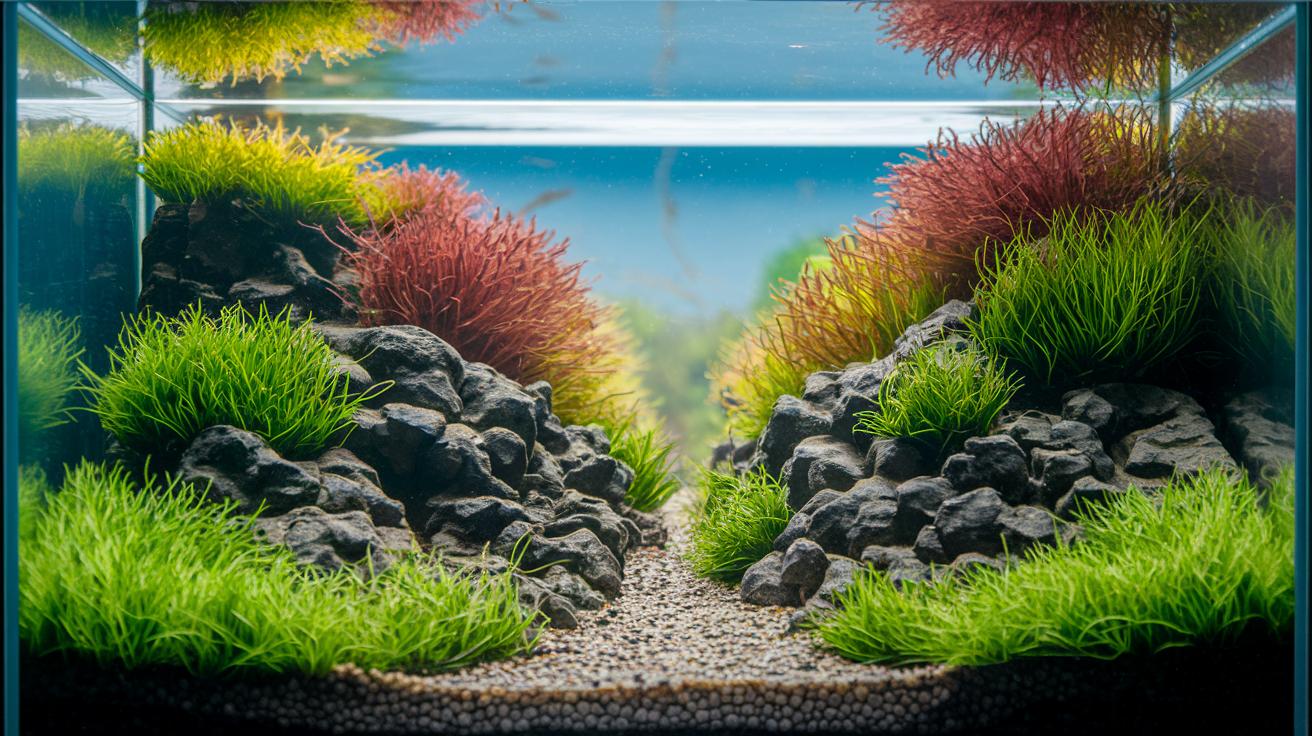
The substrate is like a cozy home for bacteria in your aquarium. It offers plenty of nooks and crannies for these little helpers. In the top, oxygen-rich layer, bacteria work quickly to change ammonia into nitrite. Meanwhile, deeper down where oxygen is scarce, other bacteria take that nitrite and turn it into harmless nitrogen gas.
The texture and depth of the substrate create a mix of busy and quiet zones. The top layer is a lively space where oxygen-loving bacteria break down waste, while just below, the environment becomes calm and low in oxygen. This natural balance helps keep the water clean and safe for your aquatic pets, almost like a perfectly tuned underwater team.
A smartly designed substrate lets all these tiny creatures work together. With lots of space to colonize and specific areas for different tasks, it naturally filters the water and keeps harmful substances at bay. It’s one of the secret ingredients that makes an aquarium feel peaceful and healthy.
Maintaining Aquarium Substrate for Optimal Ecosystem Health
Taking good care of your substrate is like making sure your tank’s little world stays balanced and happy. Before changing or adding new substrate mixes, it’s smart to test them. You can use simple tools such as API Test Kits, Hanna pH probes, or LaMotte KH Test Kits. These help you check the water’s pH and alkalinity, kind of like making sure your boat is seaworthy before leaving port.
Monitoring Water Parameters
After you add or change the substrate, keep a regular check on your water parameters. Testing for pH and KH lets you see how the new mix is affecting your tank. Sometimes you might notice a small shift in pH, which can tell you that a bit more adjustment is needed. This careful monitoring is similar to a gardener watching over the soil to ensure their plants thrive.
Cleaning Without Disturbing Bacteria Layer
When it’s time to clean, try not to disturb the important bacteria layer in your substrate. Instead, use a gentle spot-siphoning to remove debris from the top. This layer is full of helpful bacteria and tiny creatures that break down waste, keeping your tank’s environment stable. By cleaning lightly, you're ensuring that the natural balance stays intact, letting your aquarium continue to filter the water and support life below its surface.
Enhancing Substrate with Additives and Layering Techniques
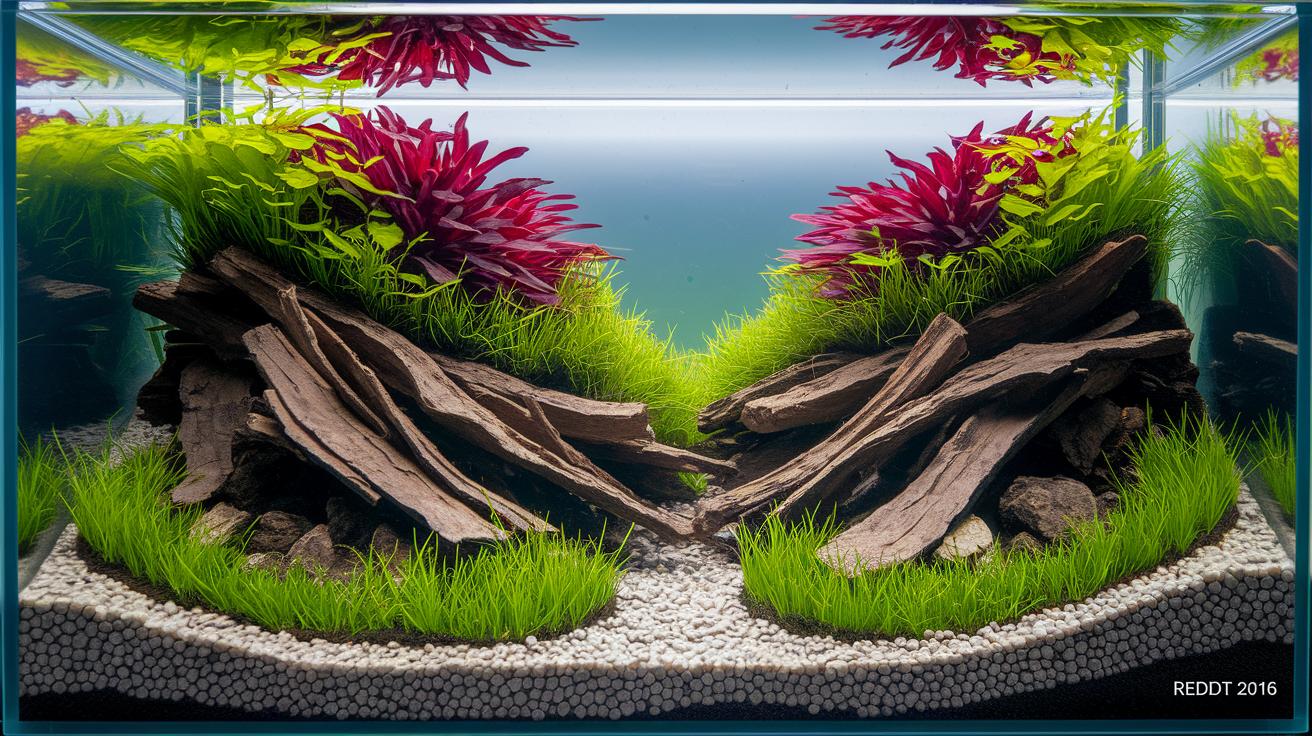
A well-mixed substrate turns your aquarium into a tiny natural paradise. It’s like designing a living artwork where each layer brings its own charm. When you add natural elements like crushed oak leaves, alder cones, and other bits of botanical goodness, you're sharing secret ingredients that gently leach tannins. These tannins help recreate a familiar, wild habitat for your fish. Mixing in some peat moss can lower the pH and add humic acids, perfect for setting up those soft, blackwater scenes your fish might adore. Then, laying coarse gravel over nutrient-rich soil stops clogging and lets nutrients slowly seep through, giving plant roots and friendly bacteria the best start.
| Additive | Benefit |
|---|---|
| Leaf Litter | Offers organic material that breaks down slowly, giving steady nutrients over time. |
| Peat Moss | Lowers pH and supplies humic acids for a softer, more natural water feel. |
| Clay Pellets | Releases nutrients slowly and helps secure plant roots for stable growth. |
| Twigs | Provide structure for roots to grip and create cozy spots for microfauna. |
| Nut Shells | Gradually release minerals that enhance the water’s natural balance. |
This layering method not only boosts your aquatic plants but also supports a lively community of bacteria and tiny creatures. When you thoughtfully mix these elements, you create natural mini-zones that mirror real-life water habitats, helping both water chemistry and plant health shine.
Final Words
In the action, this article showed how substrate builds a strong base for aquarium life. We explored how it nourishes plant roots, supports beneficial bacteria, and keeps water clean. The guide walked through choosing the right type and adding natural elements to create a soothing, vibrant habitat for aquatic pets. Maintaining and testing water quality while preserving vital bacteria means your fish flourish in a well-balanced home. Remember, embracing the importance of substrate in aquarium ecosystems brings out the best in your underwater world, creating a lively and healthy setting for every finned friend.
FAQ
Bare bottom fish tank pros and cons
A bare bottom fish tank offers easier cleaning and reduced debris, but it might miss out on providing natural hiding spots, beneficial bacteria habitat, and a more natural look.
What is aquarium gravel made of?
Aquarium gravel is made of natural rocks such as quartz, granite, or river stones and provides a base for beneficial bacteria while sometimes offering extra nutrients for plants.
Bare bottom fish tank ideas
Bare bottom fish tank ideas include using a smooth liner design that simplifies maintenance while giving a clear view of the tank, promoting a sleek and easy-to-clean setup.
Aquarium substrate
Aquarium substrate refers to the material lining the tank’s bottom, which adds support for plant roots, harbors beneficial bacteria, and helps maintain balanced water conditions.
Do you need substrate for aquarium plants?
You need substrate for aquarium plants because it anchors their roots and supplies essential nutrients, leading to healthier, stronger, and more vibrant aquatic greenery.
Do goldfish need rocks in their tank?
Goldfish do not require rocks in their tank, but smooth, well-chosen rocks provide natural decor and safe shelter without impairing water flow or filtration.
Unsafe rocks for aquarium
Unsafe rocks for aquariums are those with sharp edges, porous textures, or uncertain composition that can alter water chemistry or release harmful substances into the tank.
Best rocks for aquarium
The best rocks for aquariums are smooth, inert stones like slate, quartz, or river rocks, which enhance the tank’s look without negatively affecting the water quality.
Why is substrate important in aquariums and what are its benefits?
Substrate is important because it anchors plants, supports beneficial bacteria, and regulates water chemistry, all of which contribute to a balanced, healthy underwater environment.
Can you have a fish tank without substrate and what are the benefits?
You can have a fish tank without substrate, which simplifies cleaning and reduces debris buildup, though it may limit plant growth and the natural habitat for beneficial bacteria.